







The Importance and Proper Use of Paint for Columns, Curbs, and Sports Fields
Paint for columns, curbs, and sports fields plays an essential role in the maintenance and safety of urban and sports infrastructures. It is more than just an aesthetic element; it also serves to create increased visibility, protect surfaces from damage, and efficiently organize spaces designated for traffic, parking, and sports activities. In this article, we will explore the role and use of paint for various surfaces and how it contributes to enhancing the safety and durability of infrastructures.
The Importance of Painting Columns and Curbs in the Urban Environment
Columns and curbs are often overlooked in urban planning, yet they play a crucial role in the safety and functioning of cities. Painting them not only makes them more visible and aesthetically pleasing but also protects them from daily wear and environmental factors such as rain, sun, or extreme temperatures.
Paint for columns and curbs is generally made from special materials resistant to abrasion and adverse weather conditions. These products are designed to remain in good condition for a long time, thus providing increased protection against corrosion and cracks. In urban areas with heavy traffic, paint contributes to the clear delineation of sidewalks, parking lots, and other public spaces, helping to avoid accidents.
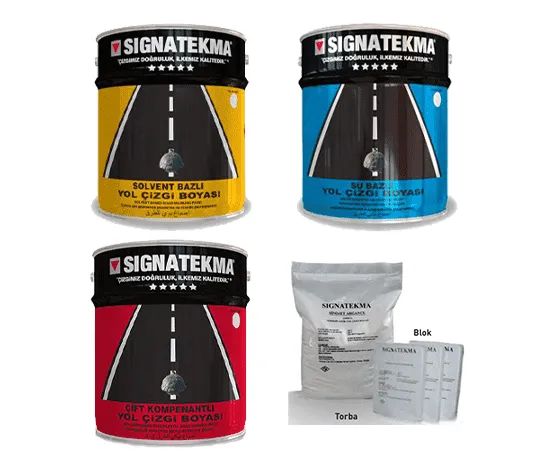
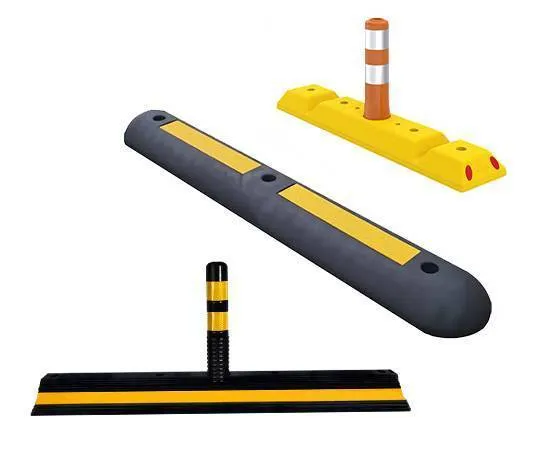
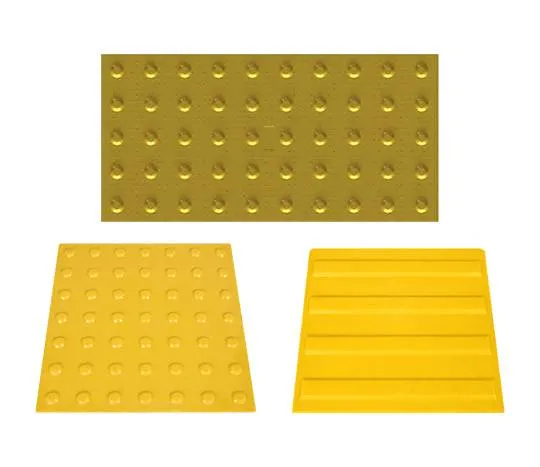
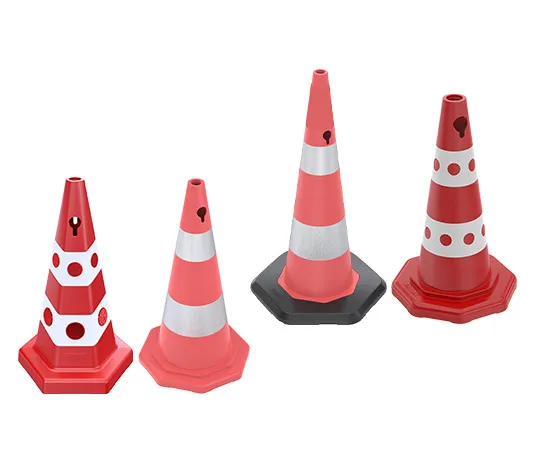
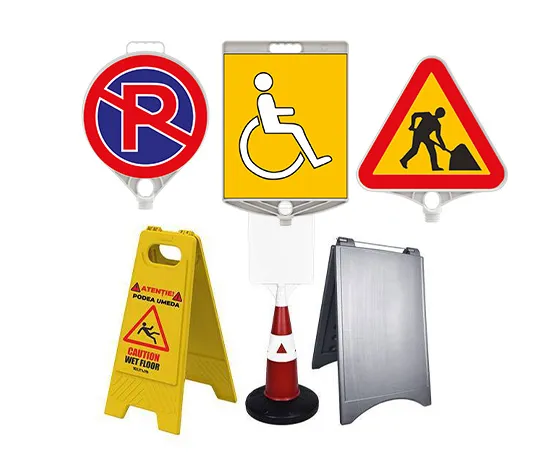
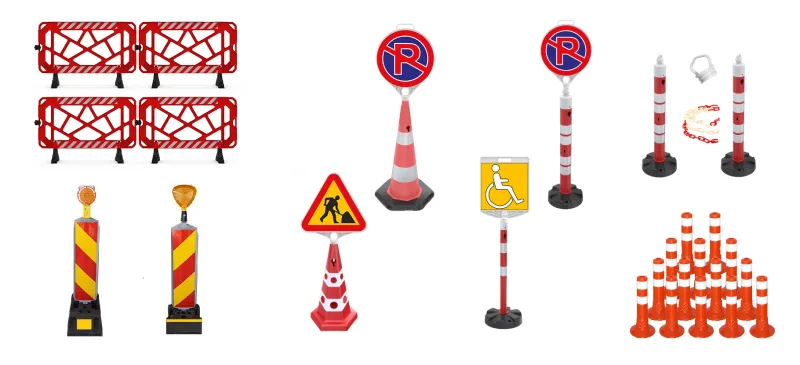
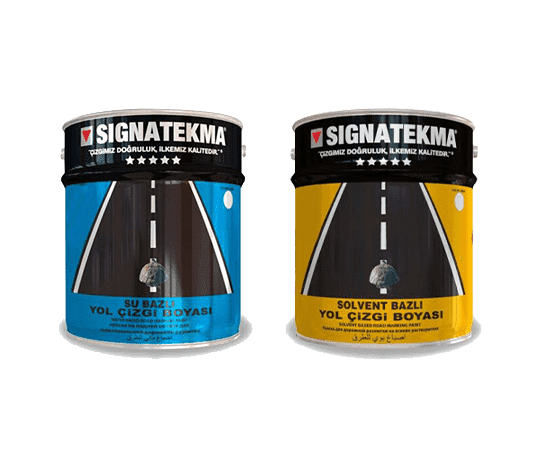
Best-Selling Paint Products for Columns, Curbs, and Sports Fields
The Use of Paint in Sports Fields
Paint intended for sports fields has special characteristics, designed to withstand wear caused by intense physical activities and various weather conditions. Whether it is for football, basketball, tennis, or other sports fields, paint plays a vital role in marking the playing lines, thus facilitating the correct and organized conduct of matches.
The color and type of paint used for sports fields must be adapted to the specific requirements of each type of activity. The paint must be non-slip to prevent accidents, but also durable enough to withstand constant friction and impact. Additionally, paints for sports fields are generally designed not to excessively reflect light, so as not to disturb players and spectators.
Types of Paint and Technical Specifications
There are several types of paint available for different applications, each with its own characteristics and advantages. Here are some of the most common types:
Acrylic Paint – This is frequently used for sports fields due to its ability to adhere well to surfaces, resist wear, and maintain vibrant colors for a long time.
Synthetic Resin-Based Paint – This type of paint is ideal for high-traffic areas such as parking lots and curbs. It offers high resistance to abrasion and weather conditions.
Reflective Paint – Often used on columns and curbs to enhance visibility at night. This is an effective solution for increasing road safety in urban and suburban areas.
Non-Slip Paint – Essential for sports fields, this paint provides a gripping surface, reducing the risk of slipping during play. It is frequently used on tennis or basketball courts, as well as on running tracks.
The Advantages of Using Paint for Columns and Curbs
One of the main advantages of using paint for columns and curbs is the increased visibility of these elements, both during the day and at night. Clear markings are essential for correctly guiding drivers and pedestrians and for avoiding potential accidents. Especially in areas where traffic is heavy or where there is an intersection of pedestrian and vehicular flow, paint plays a vital role in preventing collisions and other unwanted incidents.
Additionally, paint applied to curbs helps create clear boundaries between sidewalks and roadways, contributing to the efficient organization of urban space. This is extremely important in areas with heavy parking or in proximity to schools, where pedestrian safety is a priority.
Conclusion
Paint for columns, curbs, and sports fields is not just an aesthetic detail but an essential element for the safety and organization of public and sports spaces. Whether used to enhance visibility in the urban environment, protect surfaces from wear, or facilitate the correct conduct of sports games, paint contributes to creating safer and more durable environments. The correct choice of paint type and its proper application ensure optimal functioning of infrastructures and long-term protection.
4o