







The Importance of Tactile Surfaces in Urban Infrastructure
Tactile surfaces are an essential component of modern urban infrastructure, playing a crucial role in ensuring accessibility and safety for all individuals, especially for those with disabilities. These surfaces are designed to provide tactile indications, thus helping users navigate more easily in public environments. In this article, we will explore the importance of tactile surfaces, the types available, and the benefits of using them.
1. What are Tactile Surfaces?
Tactile surfaces are elements of urban design, often made from textured materials, that can be perceived through the sense of touch. They are placed on sidewalks, at public transport stations, in public buildings, and in other areas frequented by citizens. The main purpose of these surfaces is to provide clear indications to individuals with visual impairments, helping them navigate safely through urban environments.
2. Types of Tactile Surfaces
There are several types of tactile surfaces, each serving a specific role:
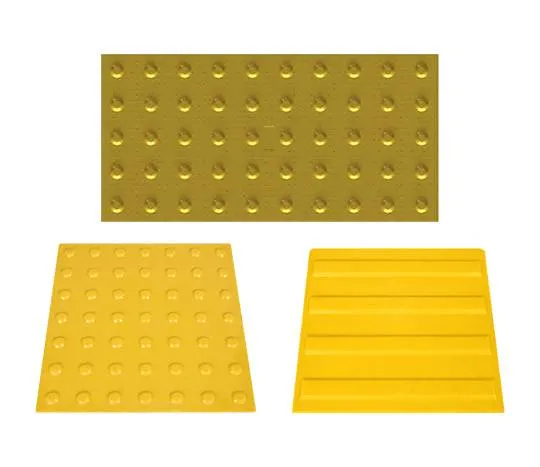
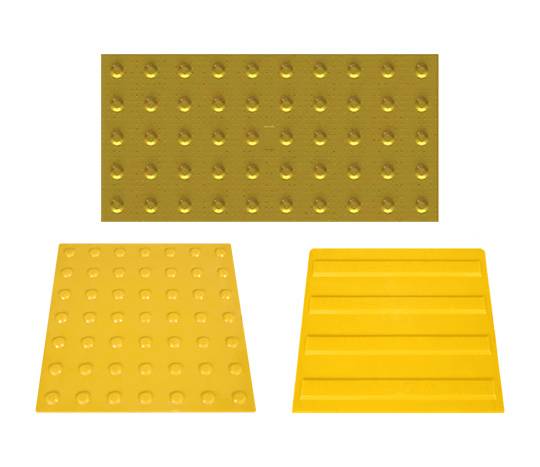
Directional Tactile Surfaces: These are used to guide users along a specific path. They have a pattern of lines or arrows indicating the direction in which users should go.
Alert Tactile Surfaces: These are used to signal obstacles or changes in level. They typically have a pattern of dots or clusters, warning users of an intersection or another hazard.
Identification Tactile Surfaces: These are used to signal different functional areas, such as building entrances or waiting areas.
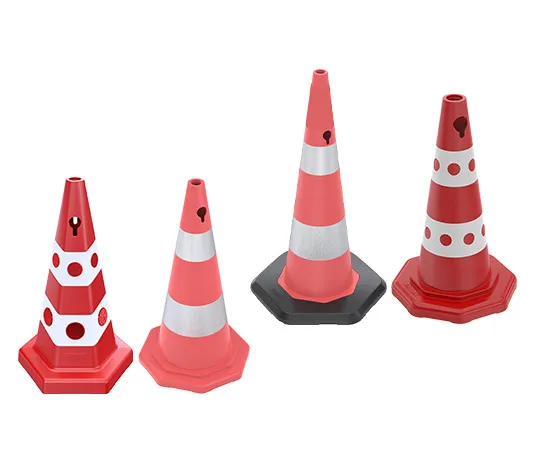
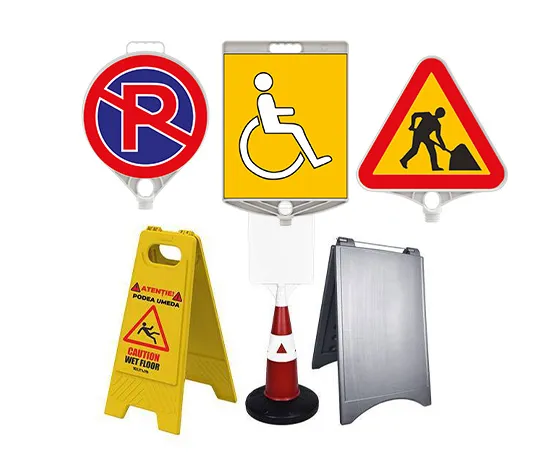
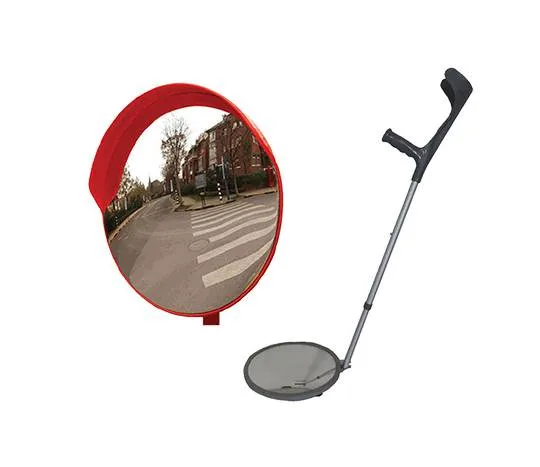
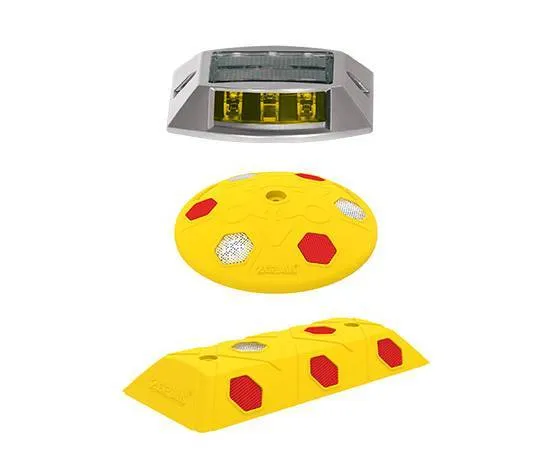
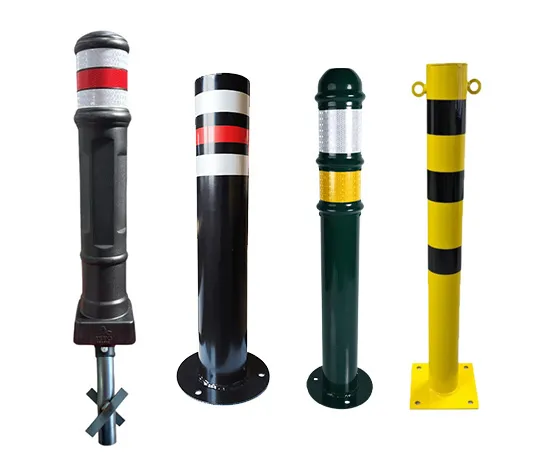
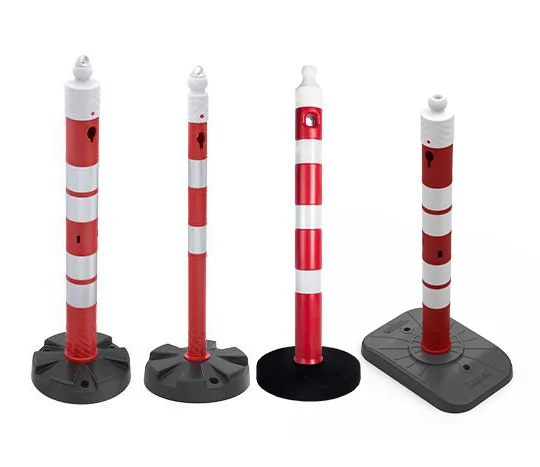
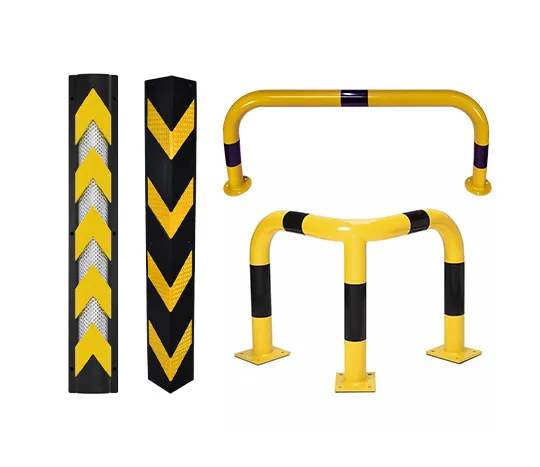
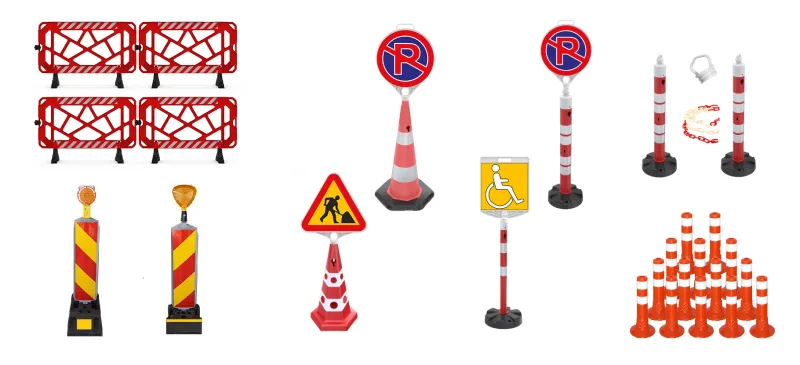
Best Selling Tactile Surface Products
3. Benefits of Tactile Surfaces
Accessibility: Tactile surfaces are essential for ensuring the accessibility of public environments for individuals with disabilities. They allow users with visual impairments to move confidently and integrate better into the community.
Safety: By signaling obstacles and changes in direction, these surfaces help reduce accidents. Users can anticipate dangers and take measures to avoid them.
Clear Indications: Tactile surfaces provide visible and easy-to-understand indications, facilitating orientation in complex spaces, such as subway stations or airports.
4. Integrating Tactile Surfaces into Infrastructure Projects
Integrating tactile surfaces into infrastructure projects should be a priority for local authorities and real estate developers. It is important that these surfaces are planned and installed correctly, adhering to accessibility standards. Collaborating with organizations that support individuals with disabilities can provide valuable insights into user needs.
5. Implementation Example: Tactile Sidewalks in Cities
Many cities around the world have started implementing tactile surfaces on sidewalks. For example, in some European cities, sidewalks are equipped with tactile strips that guide individuals with visual impairments to bus stops or intersections. These initiatives not only improve accessibility but also promote a culture of inclusion and respect for all citizens.
Conclusion
Tactile surfaces represent an essential part of modern urban design, having a significant impact on accessibility and safety in public environments. By integrating them into urban infrastructure, we can create more inclusive cities that meet the needs of all citizens. Investing in tactile surfaces is not only a social responsibility but also an opportunity to improve the quality of life in communities.