Metal Road Signs: Safety and Durability in Any Conditions
Metal road signs play a vital role in the efficient management of traffic and ensuring safety on the roads. They are essential for guiding drivers and pedestrians, providing clear information about rules, hazards, and directions. However, beyond their primary signaling function, metal road signs are a strategic investment for road infrastructure, due to their strength and longevity.
Why choose metal for road signs?
Metal, especially aluminum, is a preferred material for manufacturing road signs due to its remarkable characteristics. Firstly, it is extremely durable and resistant to extreme weather conditions, such as rain, snow, strong winds, or variable temperatures. Additionally, aluminum is corrosion-resistant, meaning that traffic signs made from this material maintain their appearance and functionality for an extended period without requiring frequent maintenance.
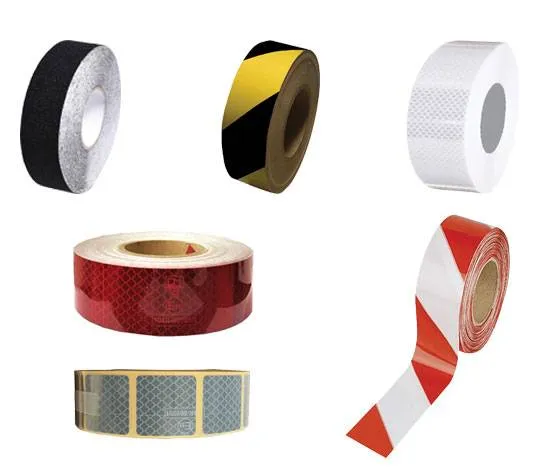
Another advantage of metal is that it allows for the application of high-quality reflective films. These films are essential for the visibility of signs, especially at night or in low visibility conditions. The visibility of road signs is crucial for preventing accidents, and metal signs provide a solid support for these films, contributing to increased safety on the roads.
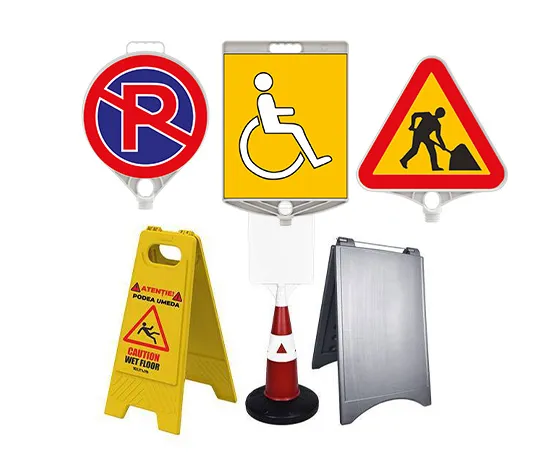
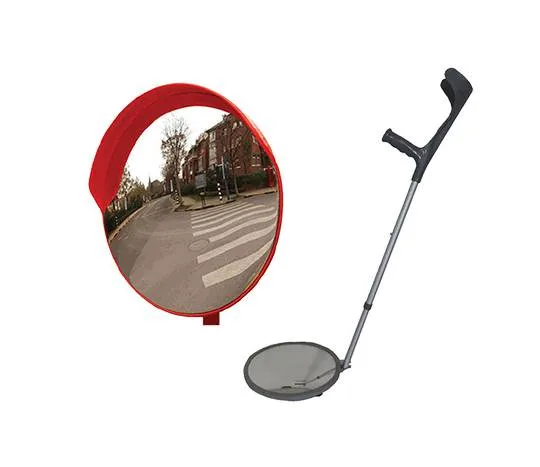
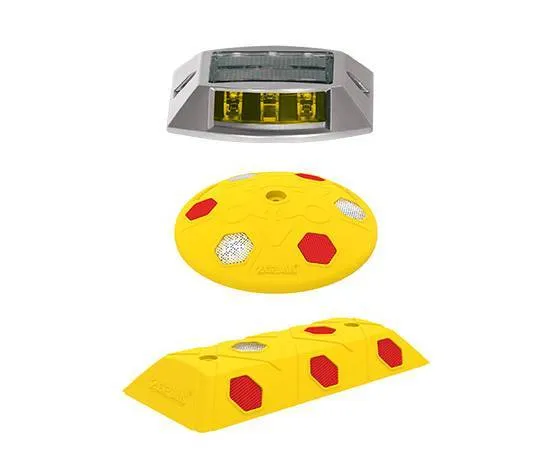
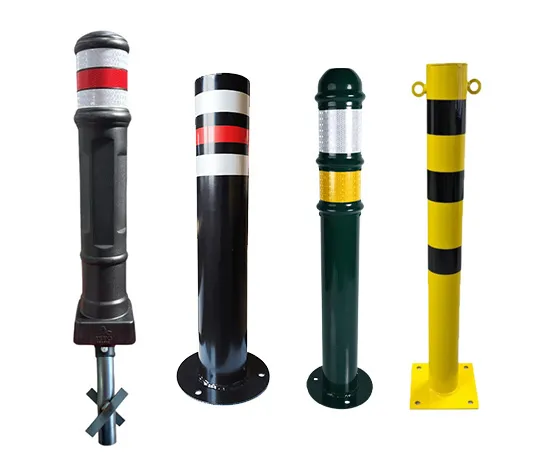
Best-selling Metal Road Signs
Types of Metal Signs and Their Functions
Metal road signs can be divided into several categories, each having a specific role in traffic management:
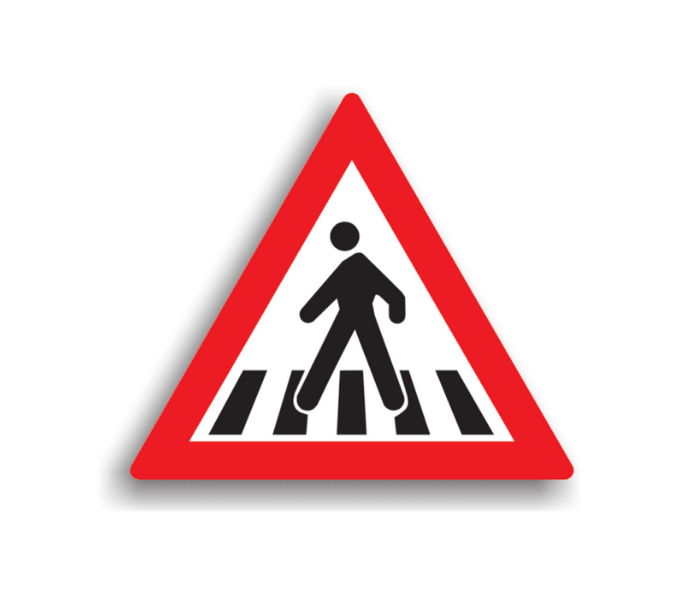
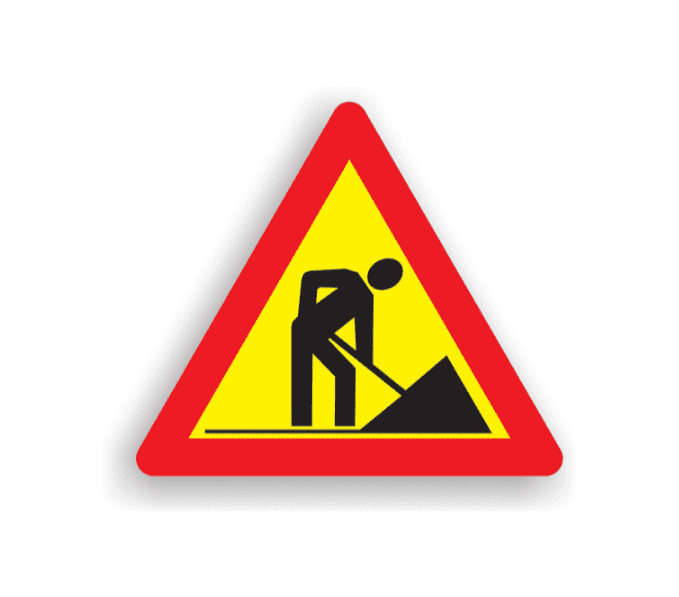
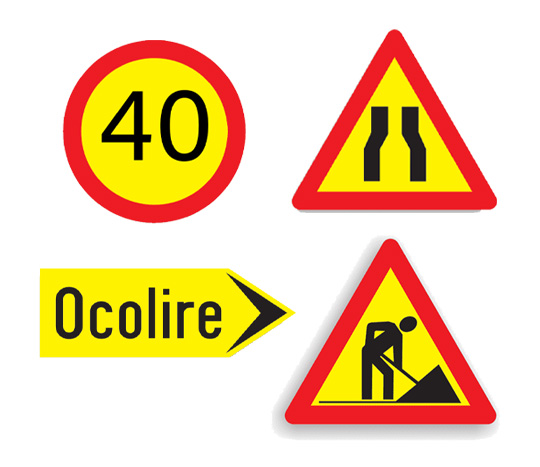
Warning Signs: These signs inform drivers about potential hazards on the road, such as dangerous curves, pedestrian crossings, or busy intersections. They are strategically placed to give drivers enough time to react and adjust their speed or be aware of their surroundings.
Regulatory Signs: These impose traffic rules, such as speed limits, no entry, or the obligation to yield. These signs are essential for maintaining order on the roads and ensuring compliance with traffic regulations.
Directional and Informational Signs: These signs provide information about directions to follow, distances to important destinations, or available facilities, such as parking lots, gas stations, or hospitals. They are useful for the correct orientation of road users and for reducing confusion at complex intersections.
The Impact of Road Signs on Safety
Metal road signs directly contribute to reducing the number of accidents by effectively guiding drivers. A well-placed and visible road sign can make the difference between a safe road and a dangerous one. For example, signs warning of dangerous curves or intersections with reduced visibility help drivers take precautions and avoid risky maneuvers.
Additionally, regulatory signs, such as those imposing speed limits, are essential for preventing accidents caused by excessive speed. Research shows that adhering to speed limits and other traffic rules can significantly reduce the number and severity of accidents.
Maintenance of Metal Road Signs
Although metal is extremely durable, road signs require periodic checks to ensure they are in good working condition. Damage to the reflective film or bending of the sign due to an impact can affect visibility and effectiveness. Proper maintenance involves replacing degraded signs and periodically cleaning them to maintain optimal visibility.
Conclusion
Metal road signs are essential for the safety and efficiency of traffic. Choosing metal as the primary material ensures increased durability and excellent visibility, contributing to accident prevention and maintaining order on public roads. Proper installation and regular maintenance of these signs represent an important investment for road infrastructure and the safety of all road users.