
Innovation and Durability of Tactile Surfaces: How Modern Technology Enhances Accessibility
Accessibility in public spaces is a constant challenge in modern society, especially in the context of the needs of visually impaired individuals. Tactile surfaces represent an effective solution to this problem, providing guidance and warning through the sense of touch. However, with the development of technology, tactile surfaces have evolved not only in terms of design but also in terms of the materials used and durability. In this article, we focus on recent technological innovations and the advantages of these surfaces in urban and industrial environments.
1. Innovative materials for modern tactile surfaces
Initially, tactile surfaces were made from traditional materials such as concrete or rubber. However, due to technological advancements, new, more durable, and versatile materials have been developed. Advanced composite materials, such as polyurethane or even metal alloys, provide increased resistance to wear and extreme weather conditions. These materials ensure long-term durability, thereby reducing the need for frequent maintenance.
A recent example of innovation is the use of recyclable materials for manufacturing tactile surfaces. This not only improves environmental sustainability but also offers a long-term economic solution for municipalities.
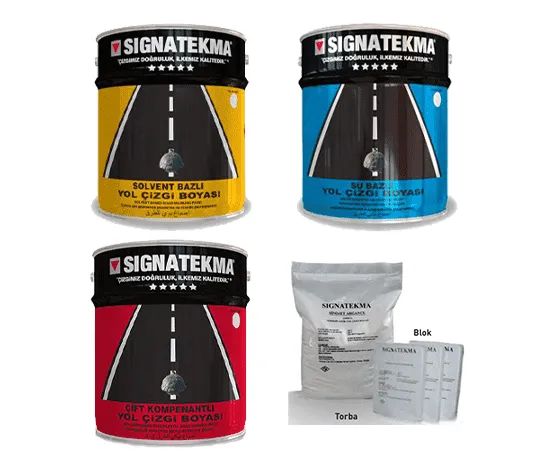
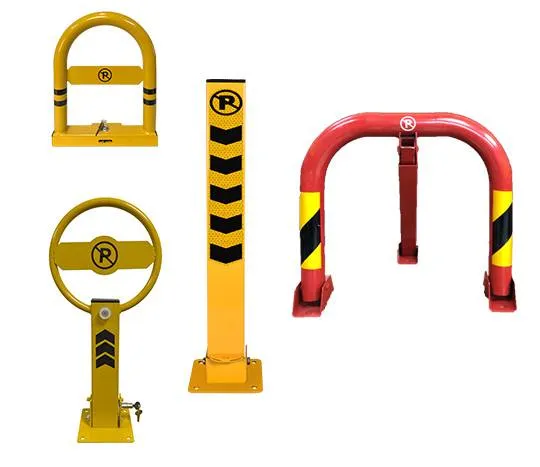
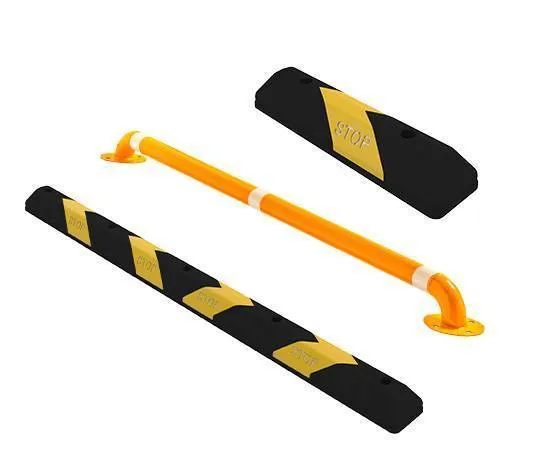
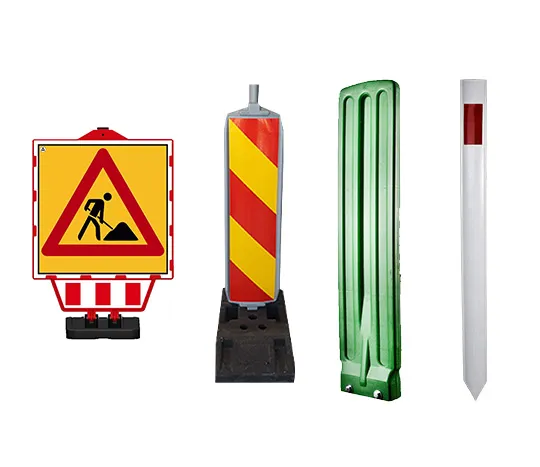
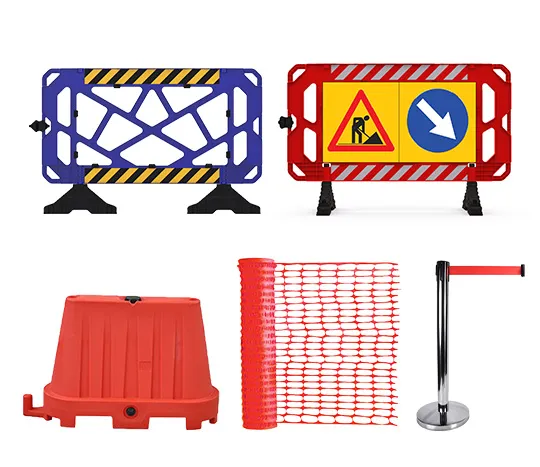
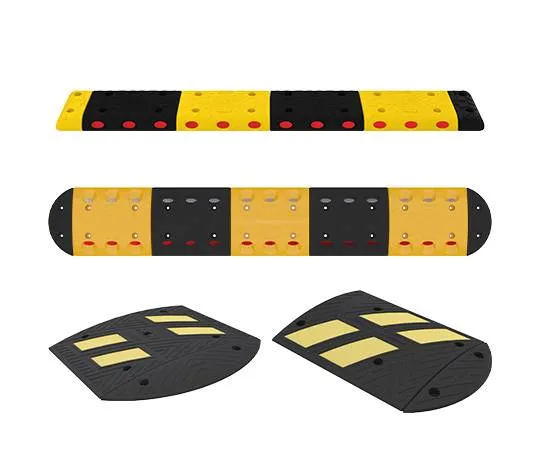
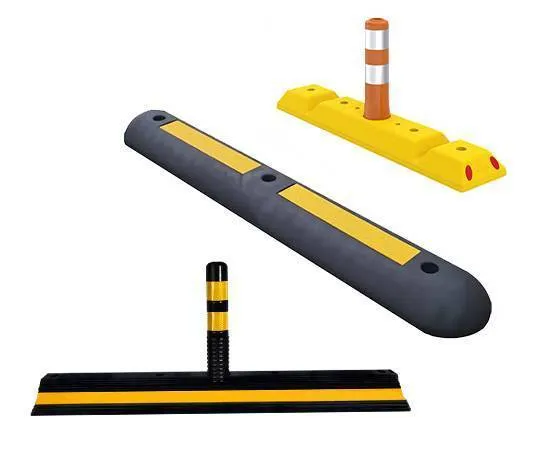
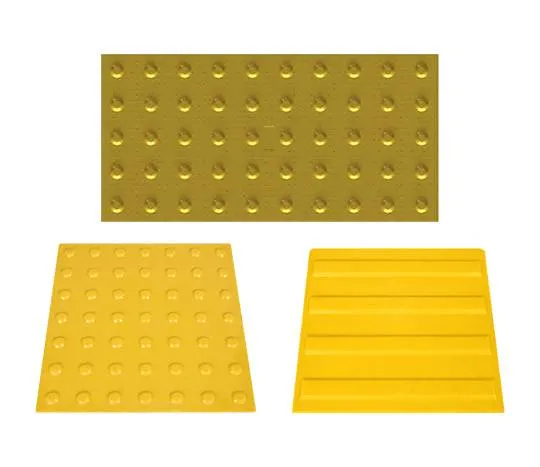
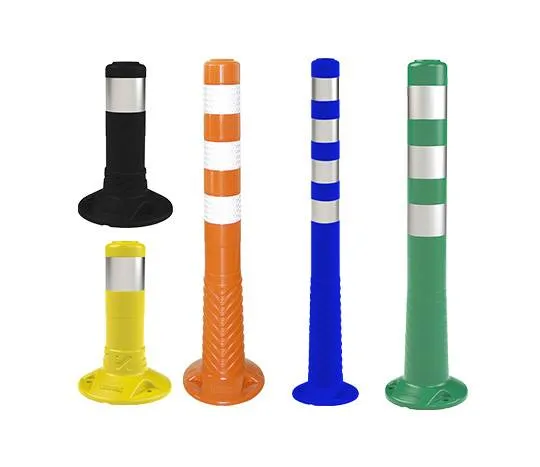
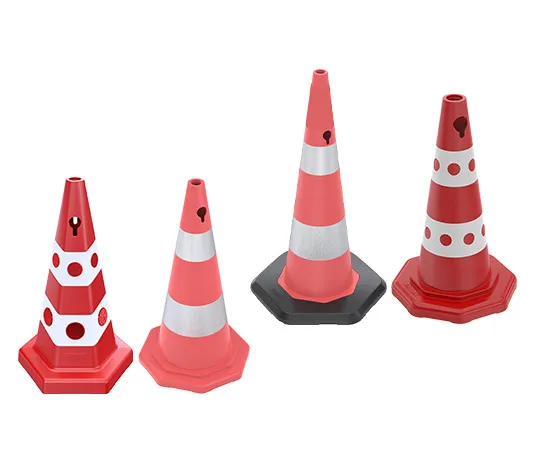
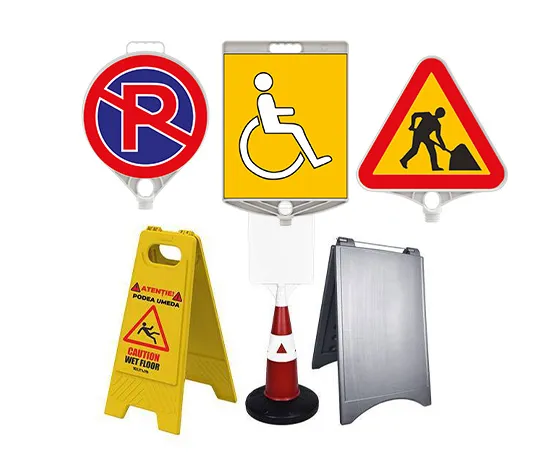
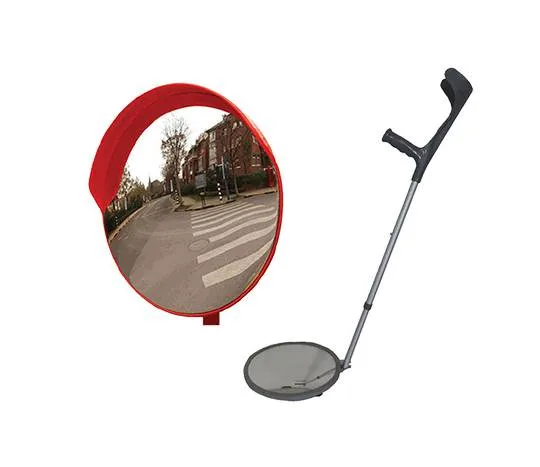
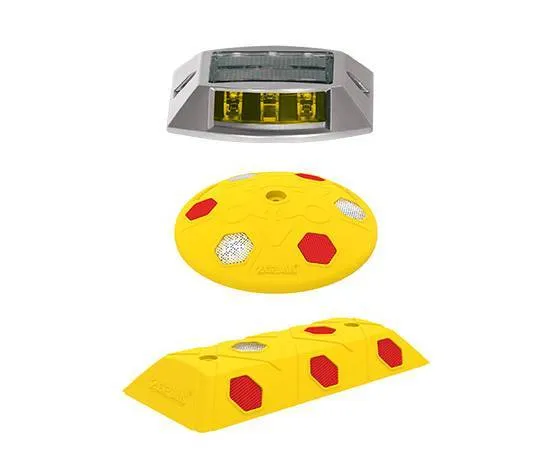
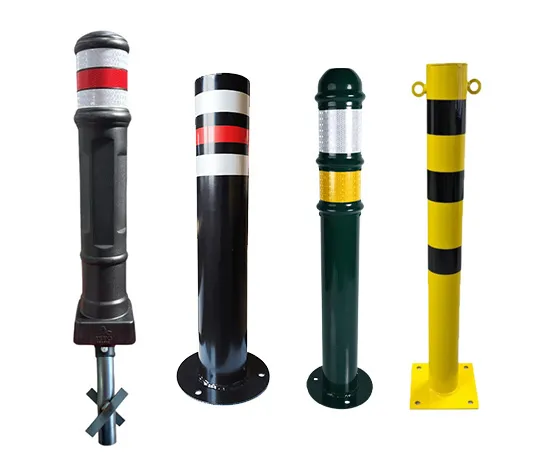
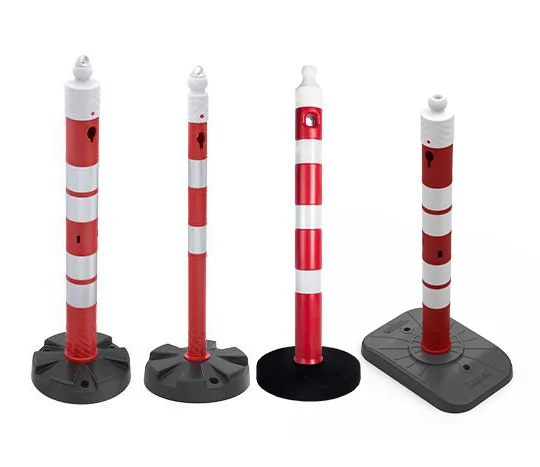
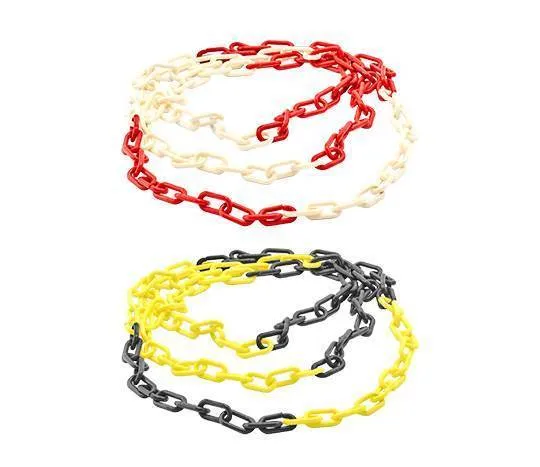
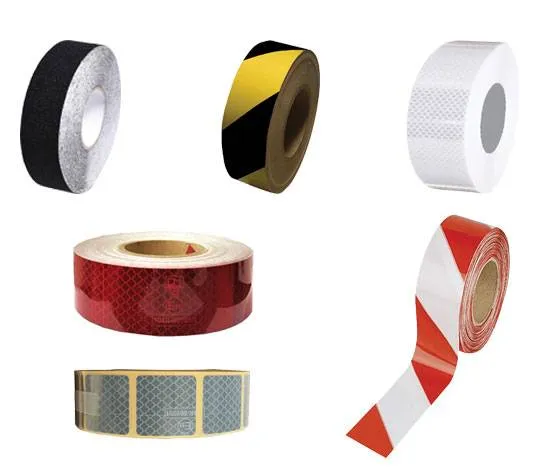
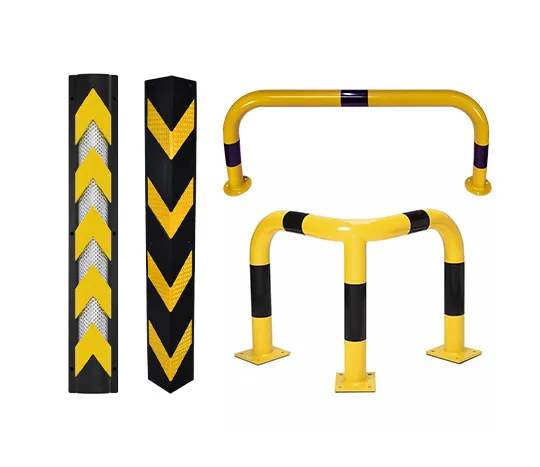
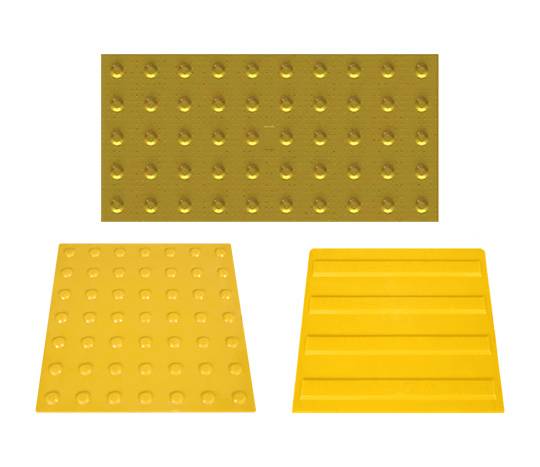
Best Selling Tactile Surface Products
2. Integrated digital technology in tactile surfaces
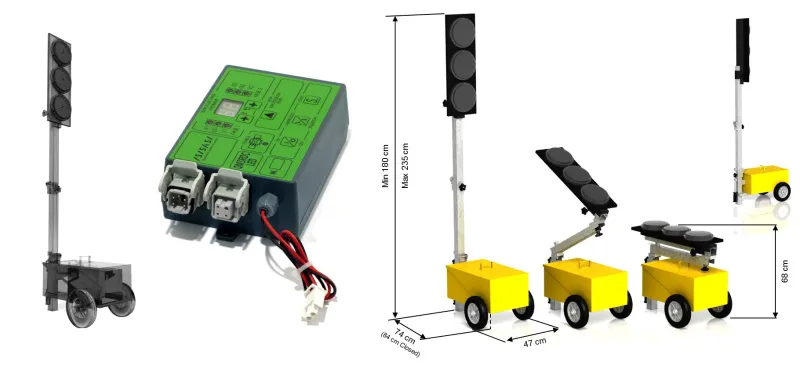
In a world where digitalization influences every aspect of our lives, even tactile surfaces have benefited from these innovations. A notable development is the integration of sensors and digital technologies into tactile surfaces, transforming them into smart devices that can convey additional information. For example, in some modern cities, tactile surfaces are connected to lighting systems or other smart equipment in urban infrastructure.
These technologies are particularly useful in public transport stations or in high-traffic areas where information about direction or safety is essential. Additionally, by integrating with mobile applications, tactile surfaces can even provide vocal guidance, facilitating navigation in public spaces for individuals with visual impairments.
3. Enhanced safety in industrial and urban environments
Tactile surfaces are not only used in urban public spaces but have also become a vital solution in industrial environments. In factories, warehouses, or other workplaces where employee safety is a priority, tactile surfaces help prevent accidents by guiding individuals in risky areas. Furthermore, they can be used to mark safe routes in case of emergency evacuation.
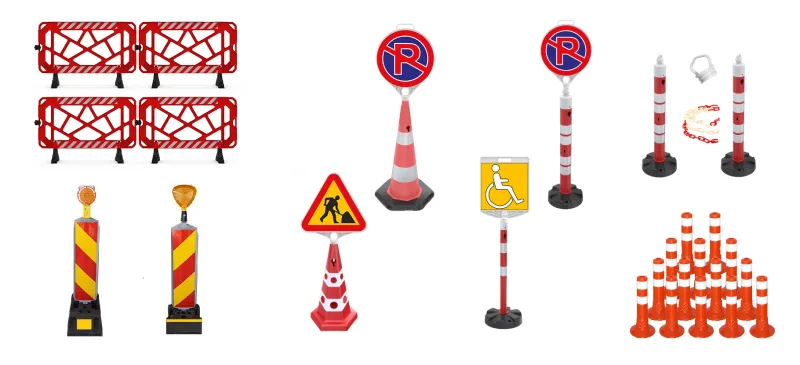
For urban areas, such as busy intersections or subway stations, tactile surfaces are an integral part of safety infrastructure. In combination with traffic signs and traffic lights, these surfaces provide a dual warning system, thus enhancing pedestrian safety.
4. Customized design for diverse needs
Another important aspect of the evolution of tactile surfaces is the possibility of customization. Depending on the needs of each space, the design and configuration of tactile surfaces can be adjusted to meet specific requirements. For example, in an office building or a shopping center, tactile surfaces can be customized to aesthetically integrate with the surrounding environment without compromising functionality.
Customizing colors or tactile patterns can also be useful for educational purposes or to differentiate certain high-risk areas. Additionally, using contrasting colors helps individuals with partial visual impairments to navigate more easily.
Conclusion
The evolution of tactile surfaces shows us how technology can be used to improve accessibility and safety in public and private environments. Innovative materials, the integration of digital technologies, and customized design provide effective and durable solutions that completely transform the way urban spaces are perceived. Tactile surfaces are no longer just a simple safety measure but represent an example of how technology and design can collaborate to create a more inclusive infrastructure.
On attotrafic.ro/, you will find a variety of solutions tailored to your needs, whether for urban or industrial projects.