


Innovations in the Design and Functionality of Metal Poles
Metal poles have long been an essential element of road infrastructure and beyond. They support traffic signs, traffic lights, lighting systems, and other equipment necessary for effective traffic management. However, with the advancement of technology and the increasingly complex needs of modern cities, metal poles have evolved significantly. Today, they not only fulfill technical functions but also contribute to the aesthetics and energy efficiency of the urban environment. In this article, we will explore innovations in the design and functionality of metal poles that make them an indispensable element for sustainable urban development.
Modular Design and Increased Flexibility
An emerging trend in the design of metal poles is modular design. This concept allows them to be quickly and efficiently adapted for various purposes without requiring major structural modifications. By using modular sections, poles can be extended or reconfigured to include new functions, such as the installation of surveillance cameras, solar panels, or LED displays.
This flexibility is particularly important in urban environments, where technology and infrastructure requirements evolve rapidly. With a modular design, local authorities can make quick adjustments at low costs based on local needs without completely replacing the metal poles.
Integrated Smart Technology
Another innovative aspect of modern metal poles is the integration of smart technology. Smart cities are on the rise and require solutions that facilitate real-time data collection and management. Metal poles can be equipped with sensors that monitor air quality, noise levels, or traffic flow. This data is transmitted to control centers, where it is analyzed to improve vehicle circulation, road safety, or resident comfort.
Additionally, metal poles can be used to provide wireless internet in crowded urban areas. This not only facilitates the digital connectivity of citizens but also supports smart navigation systems for autonomous vehicles, a continuously developing sector.
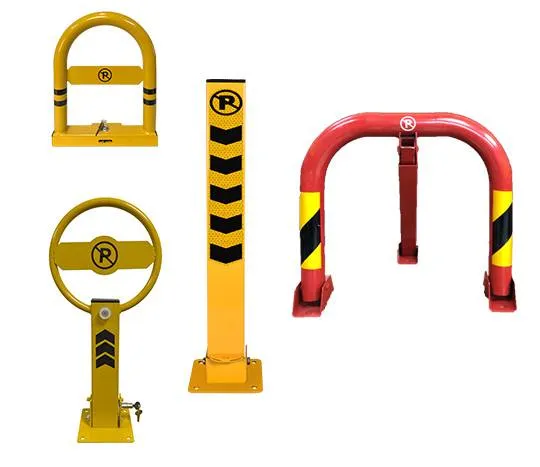
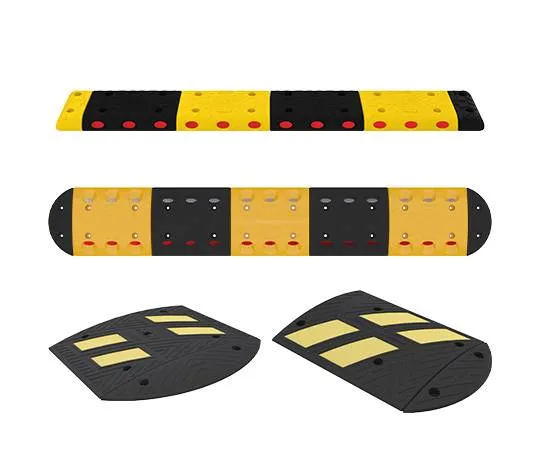
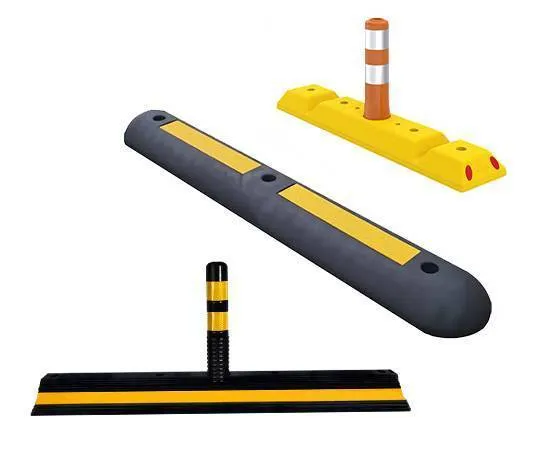
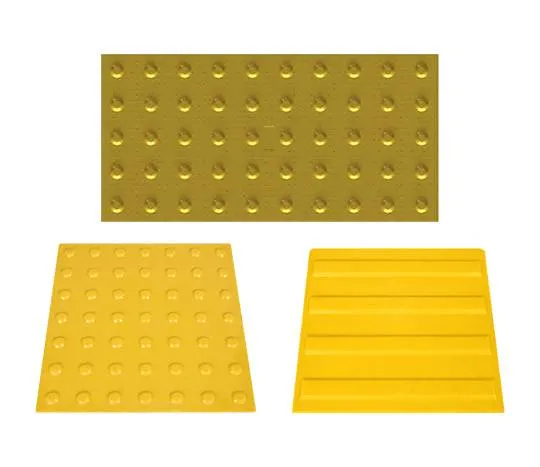
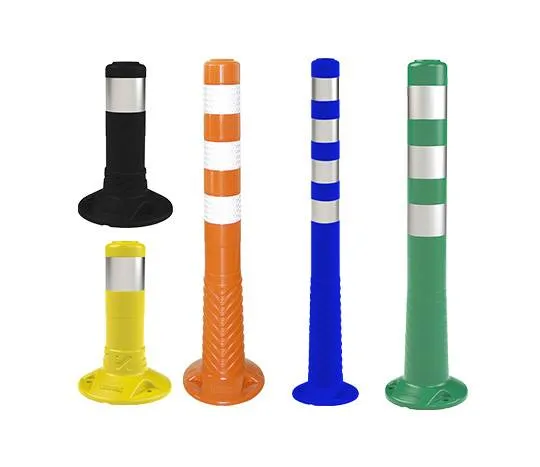
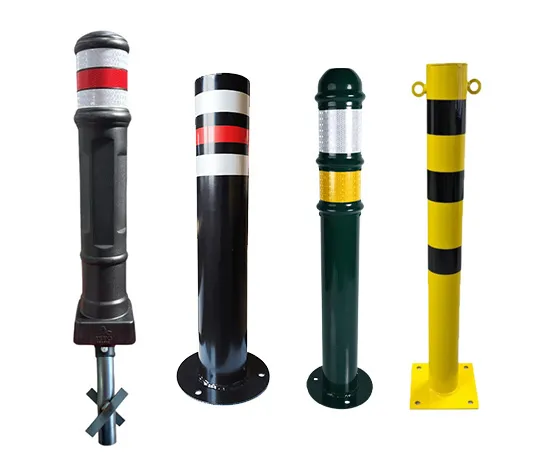
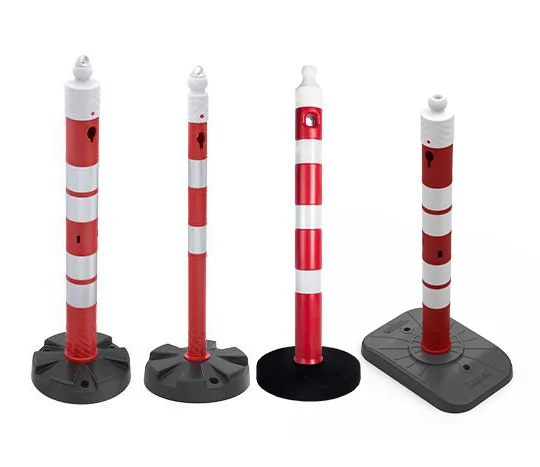
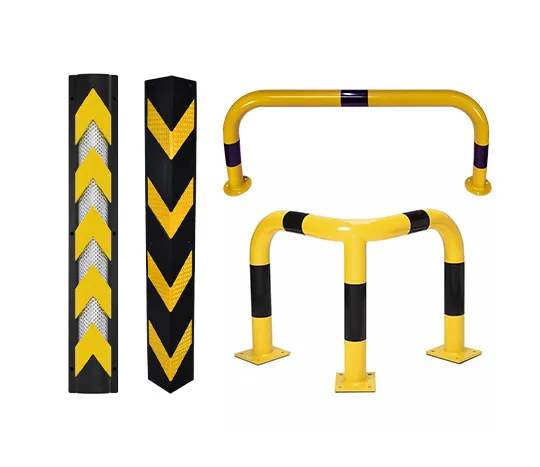
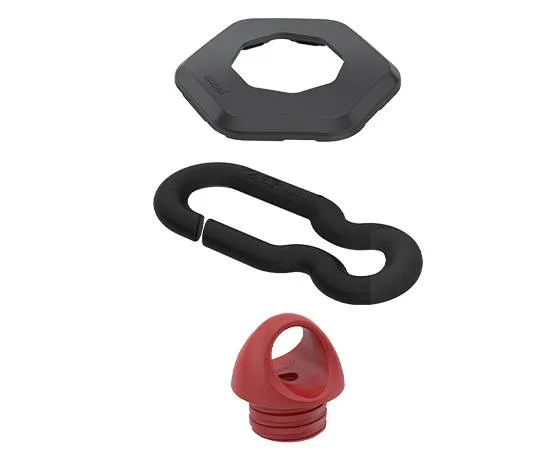
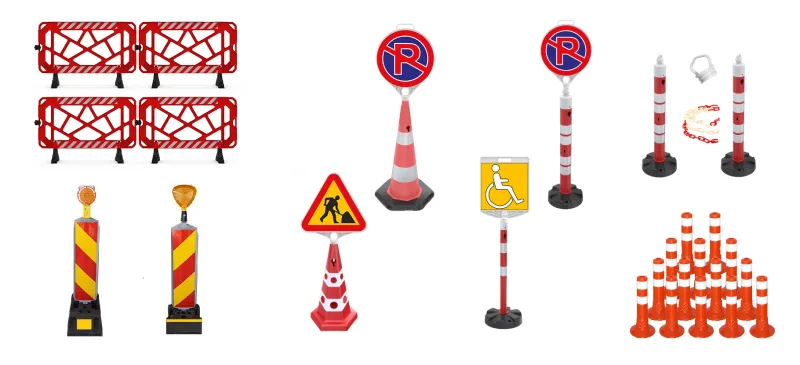
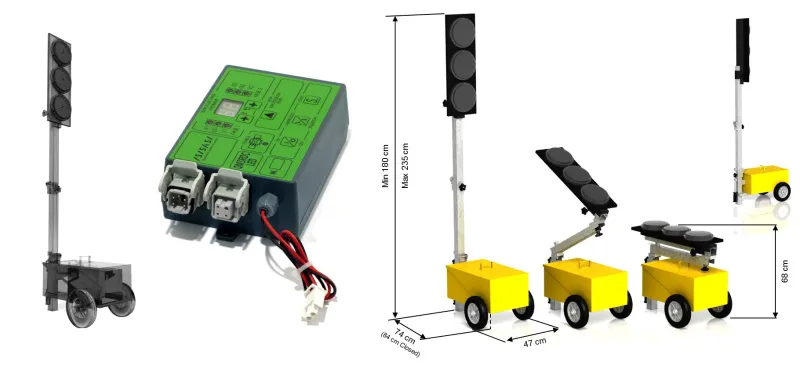
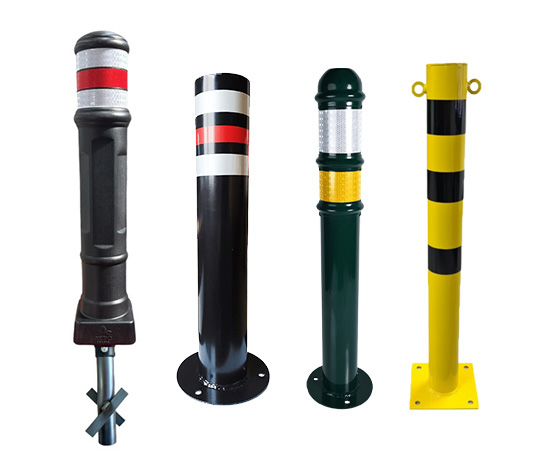
Best Selling Metal Pole Products
Use of Sustainable Materials and Recycling
Another important trend in the metal pole industry is the emphasis on sustainability. As concerns about climate change and the industrial impact on the environment grow, companies in the infrastructure construction sector are seeking more eco-friendly solutions. Metal is one of the most recyclable materials, and the use of poles made from recycled metal or alloys with a reduced environmental impact is becoming an increasingly widespread practice.
By using recycled metals and implementing eco-friendly production methods, metal poles contribute to reducing the carbon footprint and conserving natural resources. This makes them a popular choice for sustainable infrastructure projects that aim to improve quality of life without compromising the environment.
Integration of Alternative Energy Solutions
In addition to their traditional functionality of supporting traffic signs or lighting systems, metal poles are increasingly being used to support alternative energy solutions. One example is the installation of solar panels directly on metal poles, allowing them to generate the energy needed to power lighting systems or other equipment.
In a world where the demand for renewable energy is continuously increasing, self-sustaining solutions are becoming extremely valuable. These poles not only reduce dependence on the centralized electrical grid but also contribute to lowering operational costs and decreasing the consumption of non-renewable energy.
Modern Aesthetics and Customization
The functionality of metal poles does not have to come at the expense of visual appeal. In modern cities, urban design is becoming increasingly important, and customized metal poles are more frequently integrated into urban landscapes in a way that complements local architecture. With the help of advanced painting and finishing techniques, poles can be adapted to the color palette and overall style of an urban area, becoming not just functional elements but also aesthetic pieces.
This customization allows them to blend harmoniously with the surrounding environment, whether it is a historic center, a modern business district, or a green residential area. Additionally, modern metal poles can be equipped with decorative lighting, thus contributing to creating a pleasant ambiance at night.
Conclusion
Metal poles have evolved from simple functional elements into a key component of modern infrastructure, combining innovative design with advanced technology and sustainability. With an increasing focus on flexibility, energy efficiency, and the integration of smart technology, they play a crucial role in the development of modern and safe cities. Regardless of their initial purpose, whether used to support traffic signs, traffic lights, or lighting solutions, metal poles will continue to be an essential pillar of tomorrow's sustainable infrastructure.