
Innovations in the Production of Steel Barriers: Modern Technologies and Their Impact on Road Safety
With the advancement of technology, road infrastructure solutions have diversified, and steel barriers have significantly evolved in recent years. Although they have been used for decades to ensure safety on roads, modern innovations have transformed these robust structures into advanced technological solutions. In this article, we will explore how new technologies and advanced materials contribute to the improvement of steel barriers and their impact on road safety.
New Manufacturing Technologies for Steel Barriers
The steel processing industry has witnessed considerable progress in recent decades, thanks to innovations in manufacturing technology. These modern technologies have enabled the production of steel barriers that are much more efficient, durable, and safe. Among the most important advancements are:
Laser technology: Laser cutting and welding are now used in the manufacturing of steel barriers. This allows for high precision in the production process, reducing the risk of errors and ensuring a perfect fit of components. Barriers made with this technology have enhanced structural strength.
Advanced anti-corrosion treatment: Steel is susceptible to corrosion, but new chemical treatments and galvanization have revolutionized the resistance of steel barriers. Applying a layer of zinc or other protective metals ensures that barriers can withstand years without suffering damage from environmental factors.
Composite materials: In some cases, steel barriers are manufactured in combination with composite materials, such as carbon fibers or other lightweight alloys. These not only reduce the overall weight of the barriers but also improve their resistance to strong impacts.
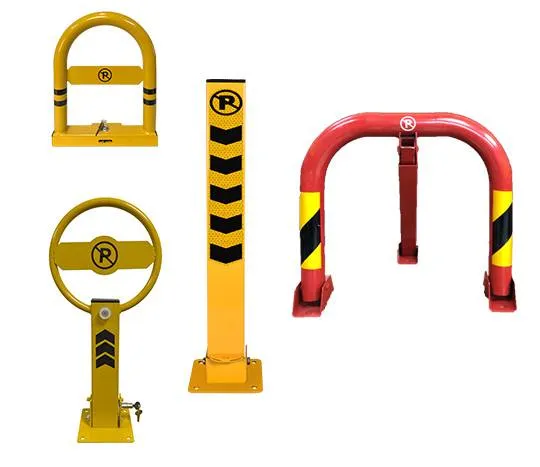
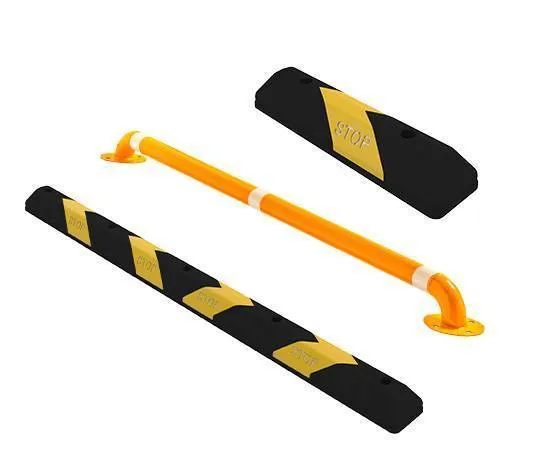
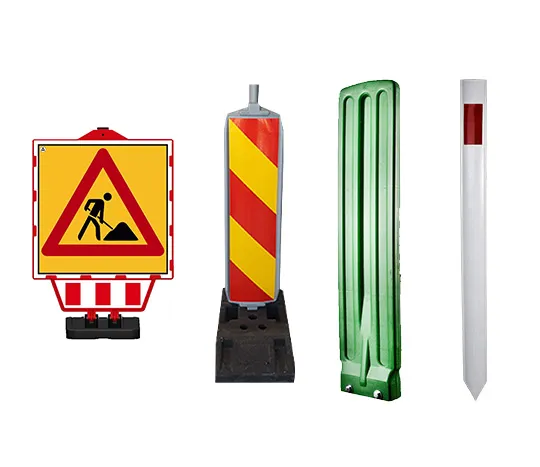
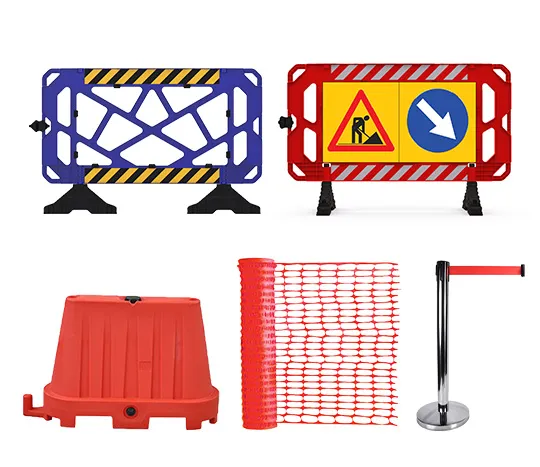
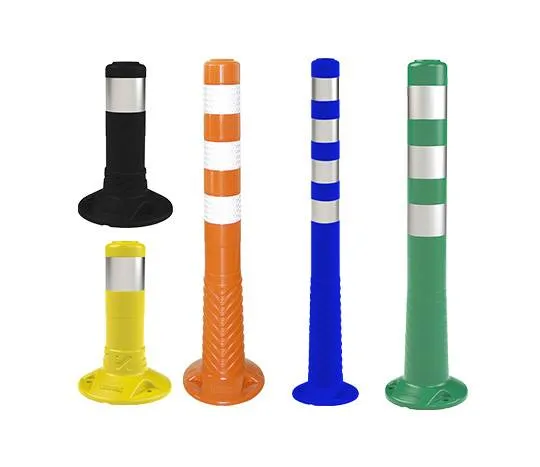
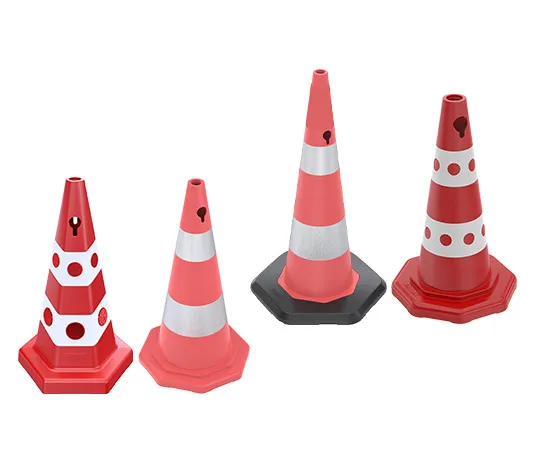
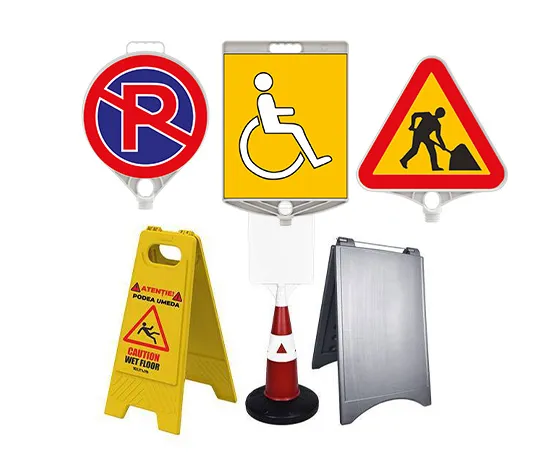
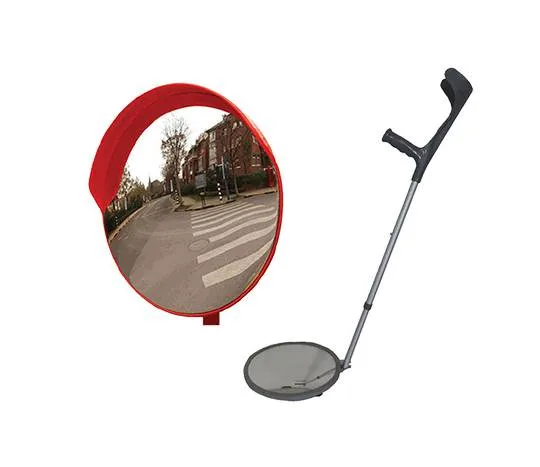
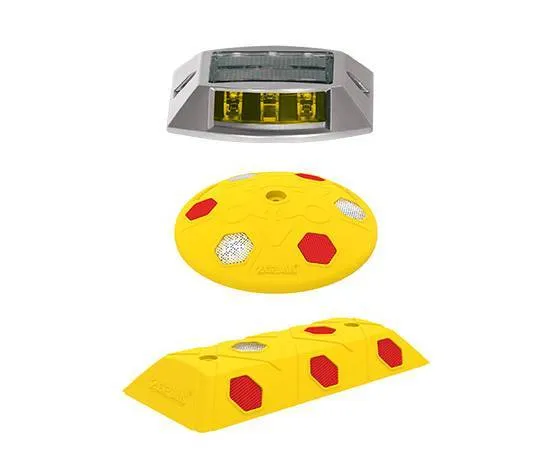
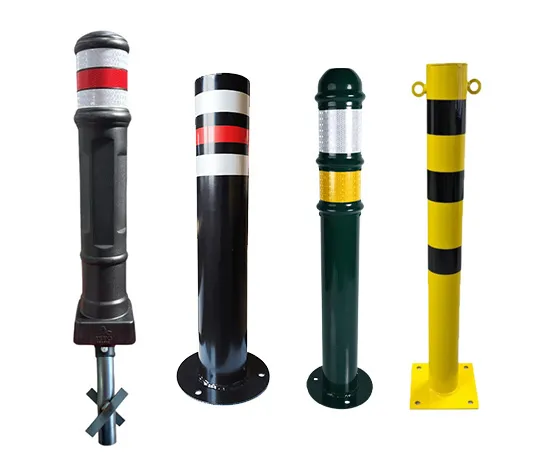
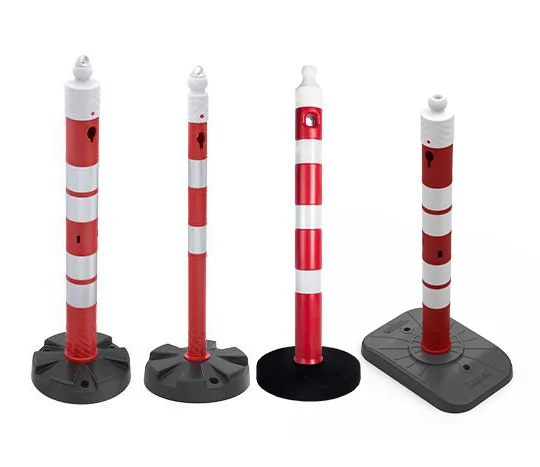
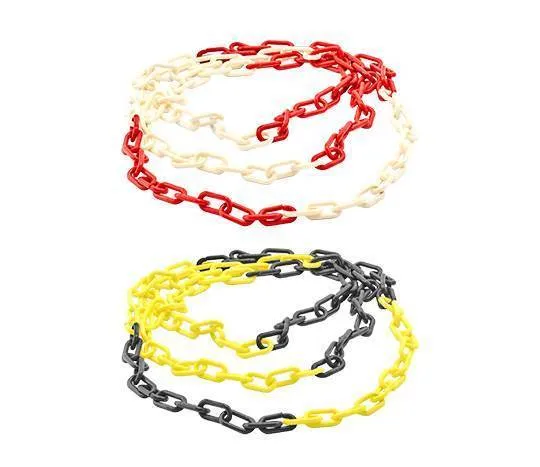
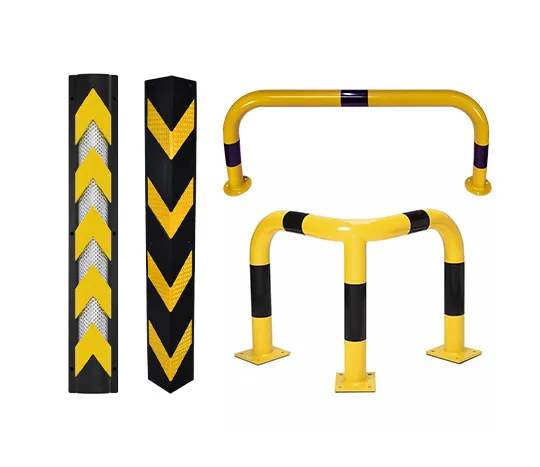
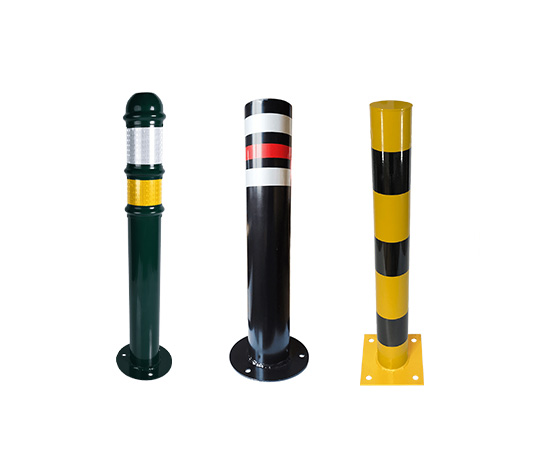
Best-Selling Steel Barrier Products
Improved Road Safety through Innovation
Road safety is the top priority when it comes to installing steel barriers. New technologies not only enhance their durability but also contribute to creating safer roads for all road users.
Impact energy absorption: One of the most important innovations is the integration of impact energy absorption systems into the design of steel barriers. These systems allow the barrier to absorb and dissipate the energy generated during a collision, thereby reducing the severity of the accident for the vehicle and passengers involved.
Smart barriers: IoT (Internet of Things) technology has begun to be implemented in road infrastructure as well. Smart steel barriers are equipped with sensors that can monitor the condition of the barrier in real-time. This data is transmitted to authorities, who can quickly intervene if structural damage or other issues that could compromise road safety are detected.
Modular solutions: Instead of being manufactured as monolithic structures, modern steel barriers can be designed as modular solutions. This allows for the quick and efficient replacement of damaged sections without affecting the entire barrier. Additionally, modular solutions are easier to transport and install, thus reducing maintenance costs.
Environmental Impact and Sustainability
As sustainability becomes increasingly important, steel barrier manufacturers are beginning to adopt more eco-friendly practices. Steel, being a recyclable material, offers significant advantages in terms of environmental impact. Furthermore, innovations in the production process contribute to reducing carbon emissions and efficient resource use.
Use of recycled steel: Many steel barriers are now made from recycled steel, thus reducing the need for new ore extraction and minimizing environmental impact.
Energy-efficient production: The use of advanced processing technologies, such as laser welding and cold forming, significantly reduces the amount of energy required in the manufacturing process.
Conclusion
Technological innovations have transformed steel barriers into an essential element not only for road safety but also for the efficiency and sustainability of modern infrastructure. From the use of new materials and advanced manufacturing technologies to the implementation of modular and smart solutions, steel barriers have become much more than simple protective structures. In the future, these innovations will continue to enhance the safety and functionality of our roads while also contributing to environmental protection.