

Innovations and Trends in Road Sign Pole Design
Introduction
Road sign poles are essential components of transportation infrastructure, playing a crucial role in supporting and displaying traffic signs. As cities and roads evolve, road sign poles have also undergone significant changes in design and technology. This article explores the latest innovations and trends in the design of these essential structures.
1. Use of Modern Materials
Recently, the materials used in the manufacturing of road sign poles have diversified considerably. From galvanized steel and aluminum to advanced composite materials, each material brings its own advantages in terms of durability and maintenance. For example:
Galvanized Steel: It is highly resistant to corrosion, making it ideal for severe weather conditions. Additionally, steel is easy to maintain and repair.
Aluminum: It is lighter than steel, which reduces transportation and installation costs. Moreover, aluminum is corrosion-resistant and has a modern aesthetic appeal.
Composite Materials: These are increasingly used due to their lightweight nature and superior resistance to impact and extreme weather conditions. Composites are also lighter, facilitating installation and transportation.
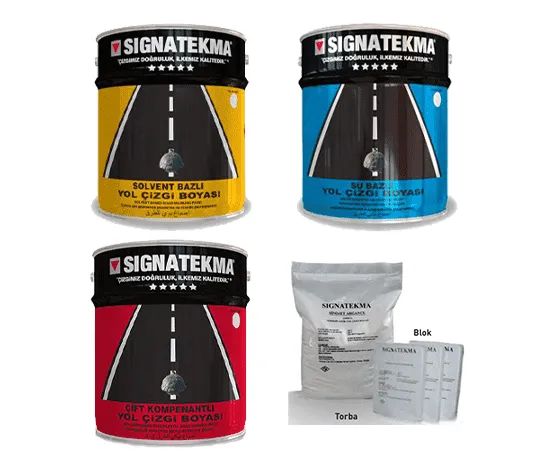
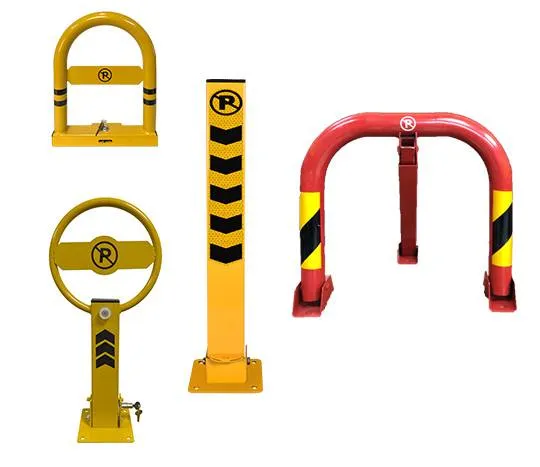
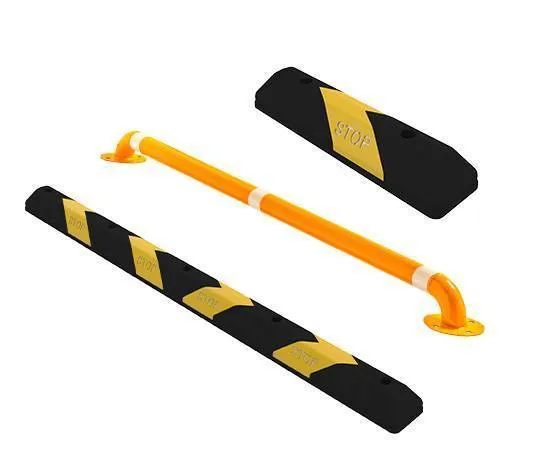
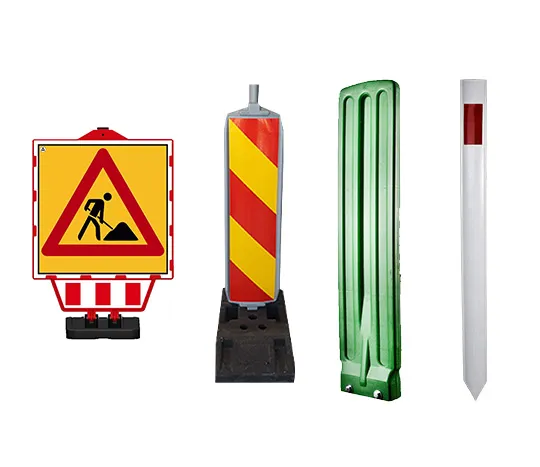
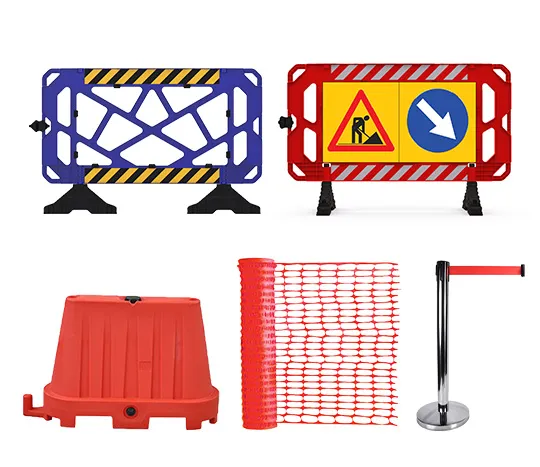
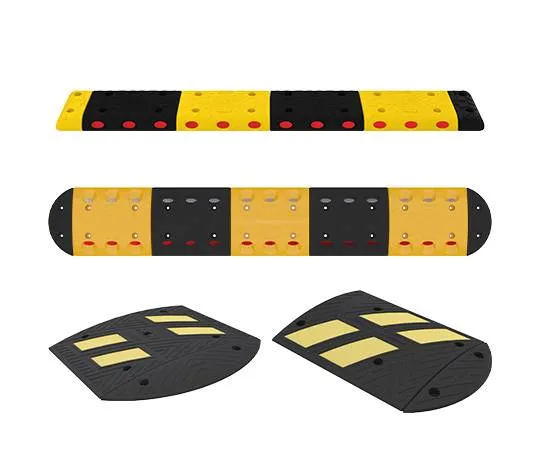
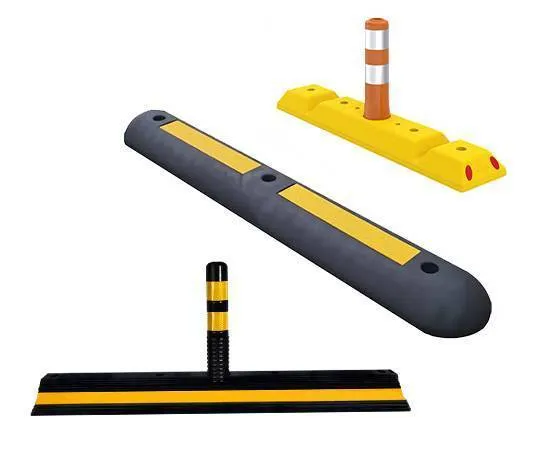
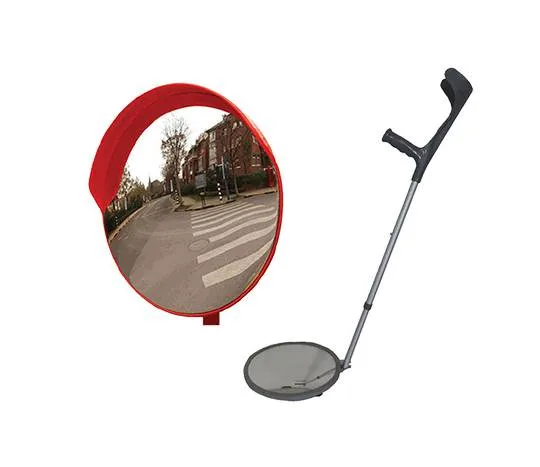
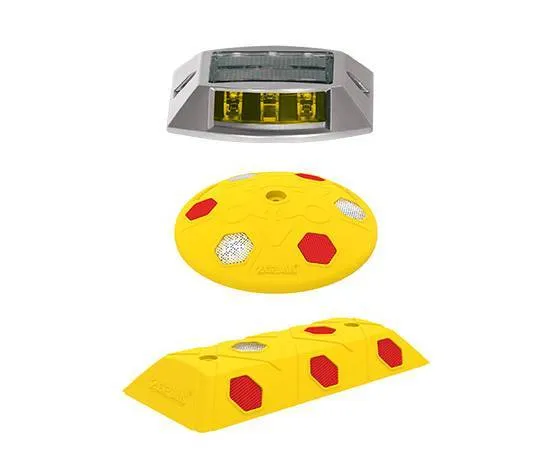
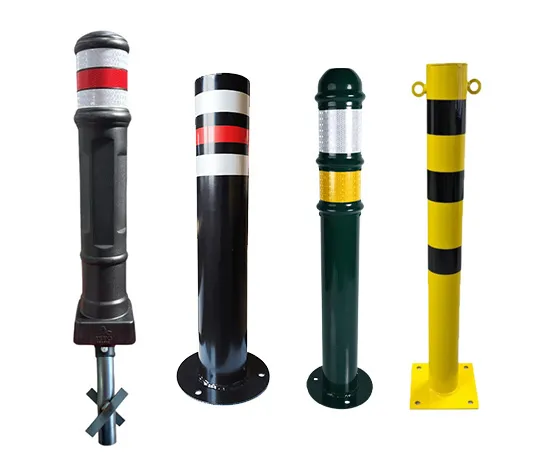
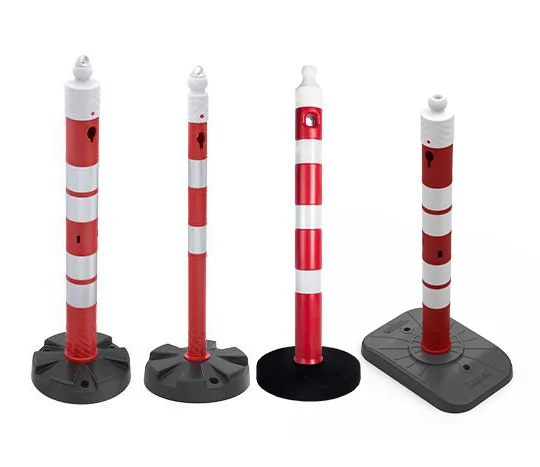
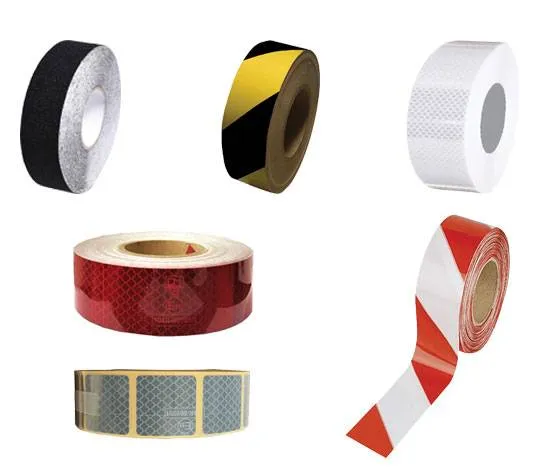
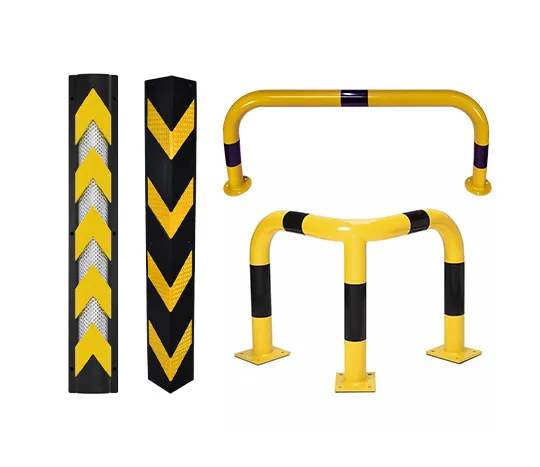
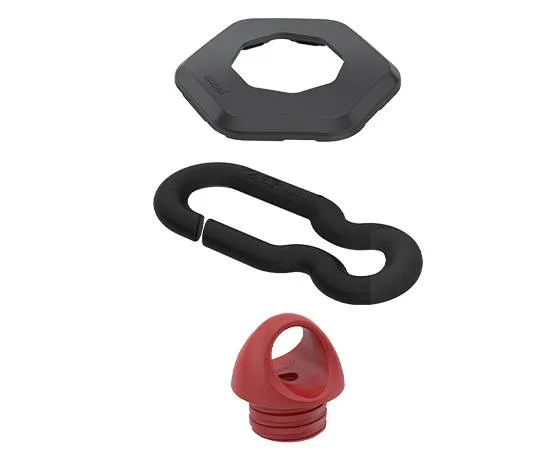
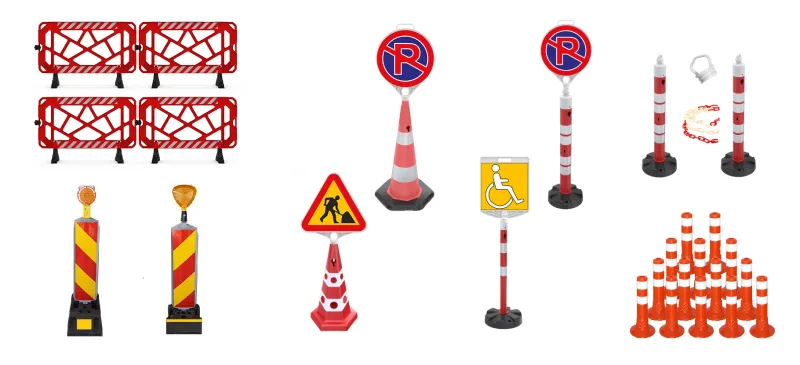
Best-Selling Road Sign Pole Products
2. Modular and Custom Design
Another important trend is the adoption of modular design for poles. Modular design allows for the customization of poles for different applications, from standard signs to customized traffic signs. This type of design offers flexibility and efficiency in production and installation.
Modularity: Allows for easy replacement of damaged components without changing the entire pole.
Customization: Poles can be equipped with special brackets for signs, integrated lighting, and other accessories.
3. Advanced Lighting Technologies
Innovations are not limited to the materials and design of poles. Lighting technologies have evolved significantly, with poles now capable of including integrated LED lighting systems. These solutions not only improve the visibility of road signs at night but also contribute to energy savings.
LED Lighting: Durable and energy-efficient, LEDs provide excellent visibility and have a long lifespan.
Intelligent Control Systems: These allow for automated adjustment of light intensity based on ambient conditions.
4. Enhancing Safety and Resilience
Modern poles are designed not only to be functional but also to provide better road safety. They are equipped with features that make them more resistant to impact and safer in the event of accidents.
Impact Absorption: Some poles are equipped with elements that absorb impact to minimize damage in the event of a collision.
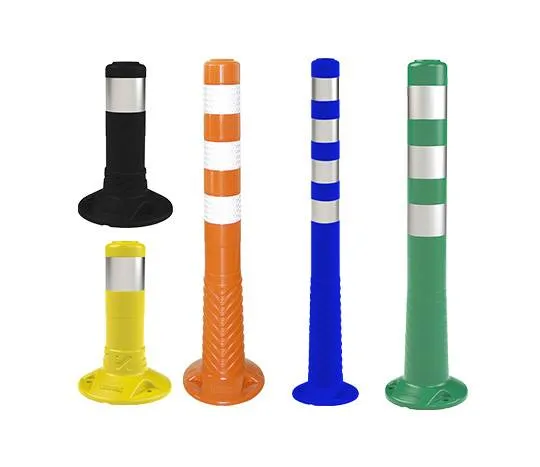
Reflective Design: Incorporates reflective elements that enhance the visibility of poles in low visibility conditions.
Conclusion
Road sign poles have evolved significantly, with innovations that enhance durability, customization, and efficiency. The adoption of modern materials, modular design, advanced lighting technologies, and enhanced safety features are just a few aspects contributing to the improvement of road infrastructure. As technology continues to advance, it is expected that road sign poles will also benefit from new innovations that meet the ever-changing needs of modern cities.