






Technological Innovations in Road Markings
Road markings have always been essential for traffic safety and fluidity. However, with the rapid evolution of technology, these fundamental elements of road infrastructure have begun to be integrated with innovative solutions that can transform the way drivers and pedestrians interact with roads. In this article, we will explore how new technologies are changing the field of road markings and what benefits they bring.
Smart Road Markings
One of the most interesting innovations in the field of road markings is smart road markings. These are made with special materials or are integrated with sensors that allow for real-time monitoring and adjustment of the information displayed on the roads.
For example, in certain cities in Europe and the United States, markings have been implemented that change color depending on weather or traffic conditions. During rain or snow, these markings become more visible, and in conditions of heavy traffic, they can indicate temporary speed restrictions or changes in lane configuration.
Photoluminescent Markings
Another important step in the evolution of road markings is the use of photoluminescent materials. These markings charge from sunlight during the day and glow in the dark at night, without the need for artificial lighting. This not only helps save energy but also increases safety on the roads, especially in isolated or poorly lit areas.
Photoluminescent markings are particularly useful in regions where difficult weather conditions reduce visibility. They can be applied on roads, sidewalks, or pedestrian crossings to guide traffic even in extreme conditions.
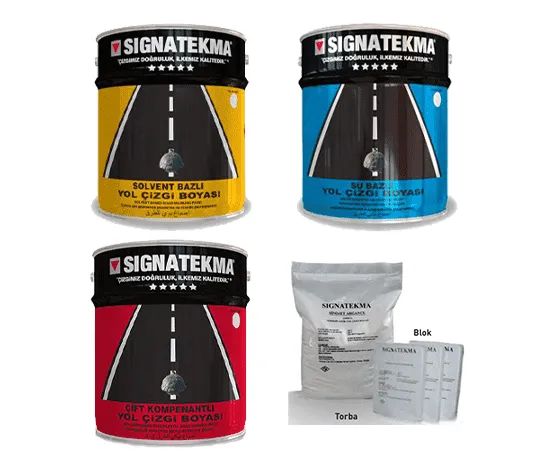
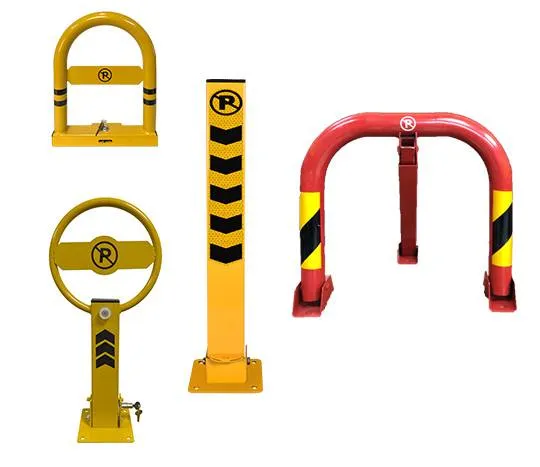
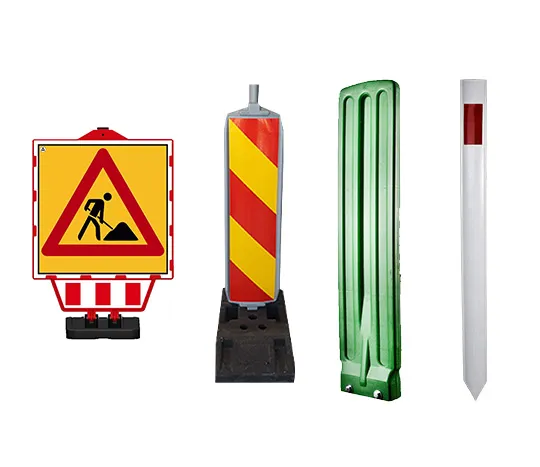
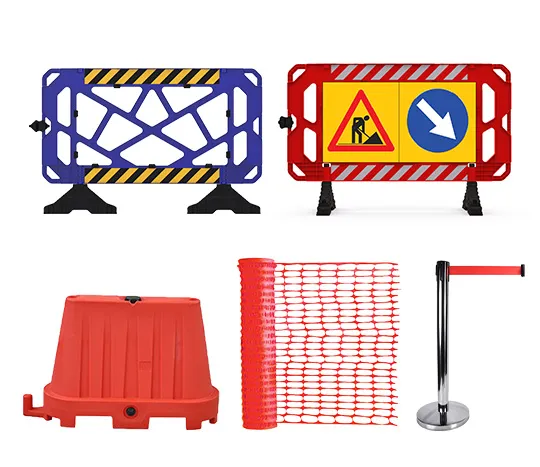
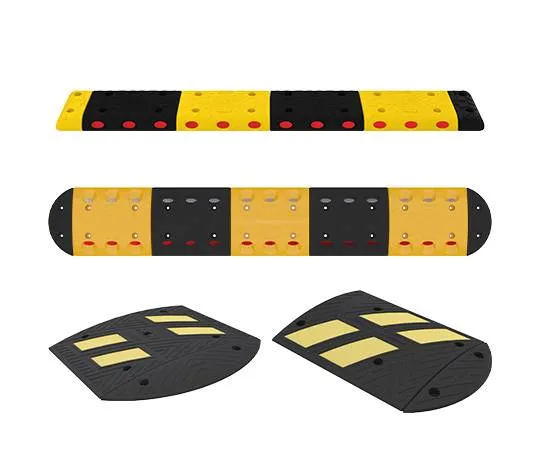
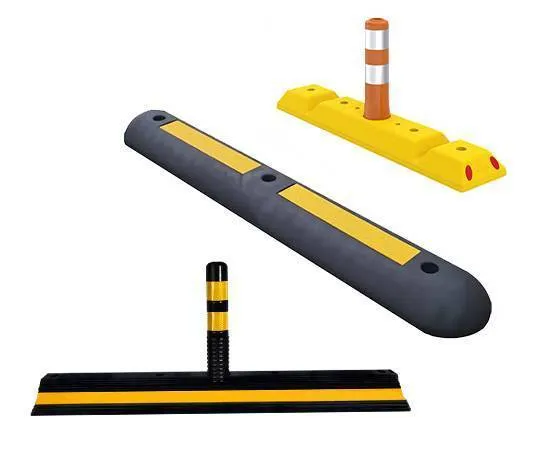
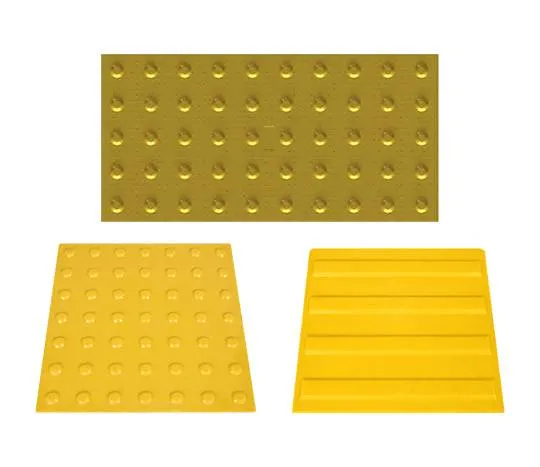
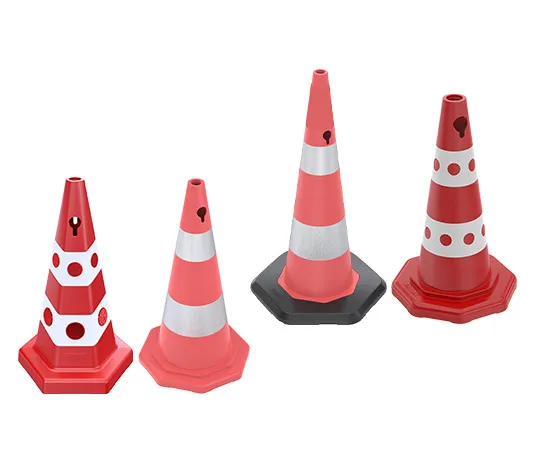
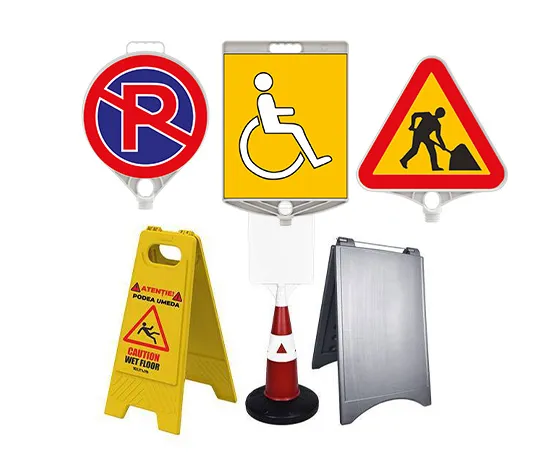
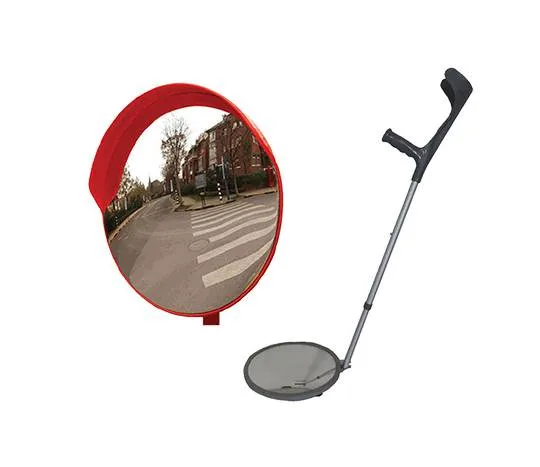
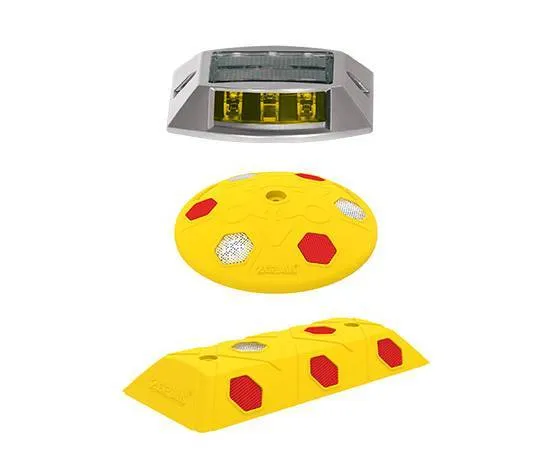
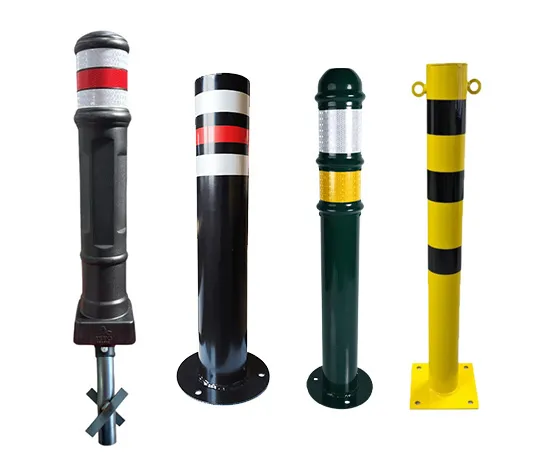
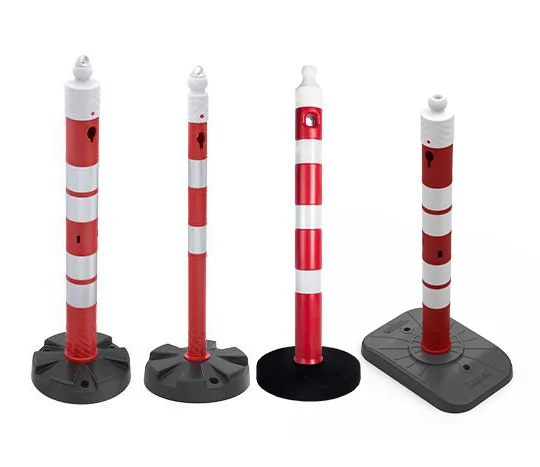
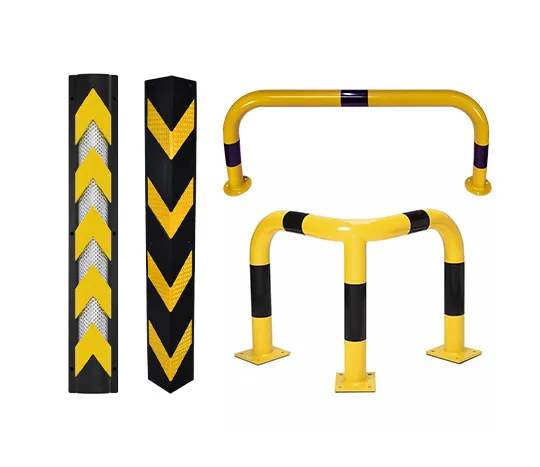
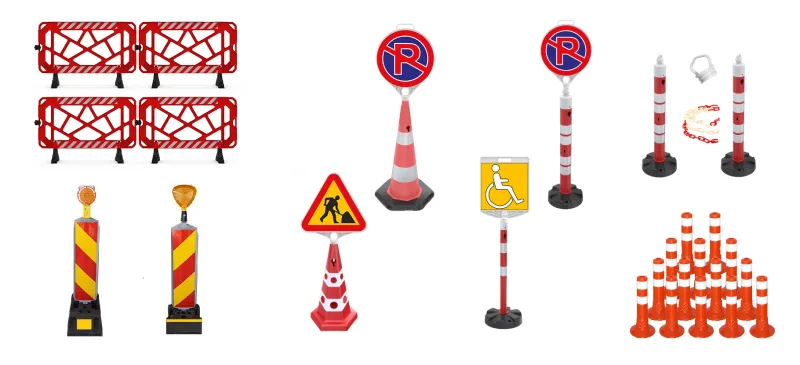
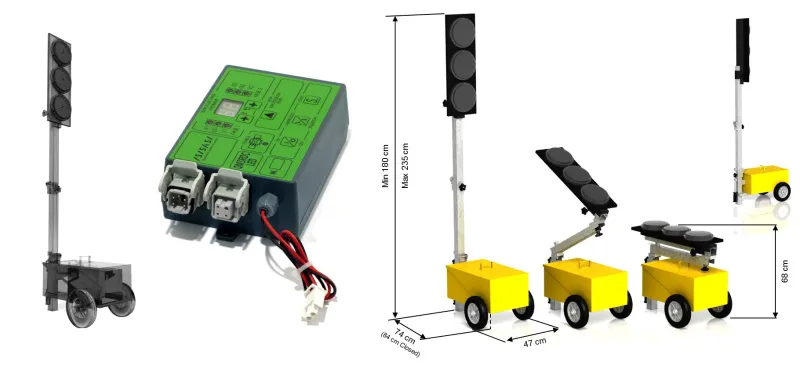
Best-Selling Road Marking Products
Art Projects in Public Spaces
In many cities around the world, road markings have been transformed into works of
Markings with Sensors and IoT Connectivity
With the development of Internet of Things (IoT), road markings can be connected to smart networks that monitor traffic flow and road conditions in real-time. Sensors integrated into the markings can transmit information to traffic management systems, which can automatically adjust traffic lights, barriers, or other control equipment.
Additionally, these markings can transmit data directly to autonomous vehicles, thus contributing to the development of the infrastructure needed for a world where driverless cars become a reality. Through these technologies, autonomous cars will be able to "read" the roads much more efficiently, reducing accident risks.
Temporary Markings and Urban Projects
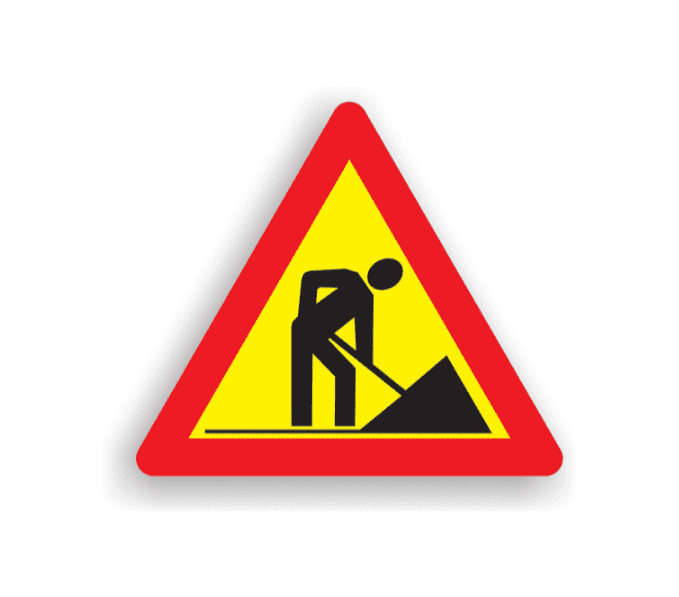
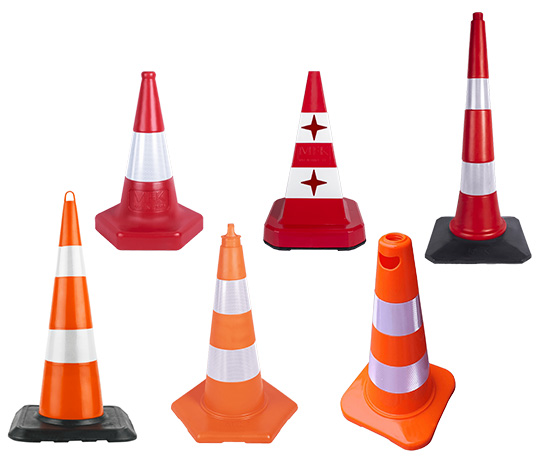
In many cities, there has been an increase in the use of temporary markings to better manage construction projects and road infrastructure renovations. These markings can be applied quickly and are removed just as easily, without affecting the durability of the road surface. They are ideal for areas where traffic flow frequently changes due to ongoing work.
Temporary markings help avoid confusion for drivers and prevent accidents in work zones. Moreover, they are made from eco-friendly materials, making them a sustainable choice for urban environments.
The Future of Road Markings
As technology continues to advance, road markings will become increasingly interactive and adaptable. In the future, we might see roads that automatically change their configuration based on traffic needs, or markings that can communicate directly with drivers' mobile devices to provide personalized information.
Furthermore, more sustainable solutions are being developed, such as the use of biodegradable or recyclable materials for creating markings, thus reducing environmental impact. This is a promising direction that could make road markings not only more efficient but also more environmentally friendly.
Conclusion
Road markings are much more than simple lines on asphalt. With the help of new technologies, they are becoming smart, efficient, and environmentally friendly solutions, contributing to traffic safety and fluidity. As roads become increasingly complex and the demands for safety and efficiency grow, innovation in this field will continue to play a key role in the road infrastructure of the future.
art. Street art projects have been implemented on roads and sidewalks, enhancing not only the aesthetic aspect but also the community's interaction with urban space. These initiatives not only draw attention to safety issues but also stimulate local creativity and citizen involvement.
Such projects can include large murals, funny illustrations, or positive messages, transforming roads into an open-air art gallery. This type of approach encourages communities to get involved and contribute to the improvement of public spaces.
Conclusion
In conclusion, road markings are not just a safety tool but also an essential element of urban aesthetics. By combining functionality with attractive design, cities can create a more pleasant and safer environment for all road users. The importance of local identity and community involvement in the realization of these markings demonstrates that road infrastructure can be a form of art and a symbol of collective values. As cities continue to evolve, it is crucial to pay attention not only to efficiency but also to the aesthetics of road markings, in order to build more harmonious and attractive communities.