






Innovations in the field of road barriers: Modern trends and advanced technologies
Road barriers have always played a crucial role in traffic safety and organization, but recent technological developments have led to the emergence of increasingly innovative solutions. Today, these devices are no longer just simple physical barriers, but represent an integral part of an intelligent traffic flow management system. In this article, we will explore the new trends in road barriers and how they are transforming modern road infrastructure.
Smart road barriers
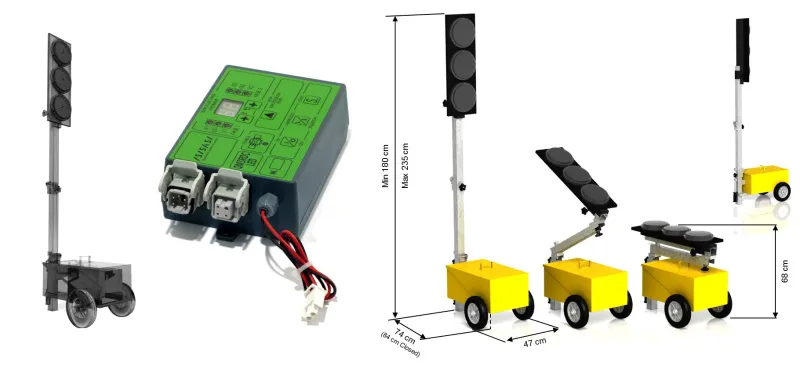
One of the most interesting innovations in this field is the introduction of smart road barriers. These are devices equipped with sensors and communication technologies that allow for real-time monitoring and control. For example, in the event of an accident or traffic jam, smart barriers can be activated to guide vehicles onto alternative routes or to signal traffic restrictions.
Additionally, through the use of vehicle-to-infrastructure (V2I) communication technology, smart barriers can interact with vehicles equipped with advanced driver assistance systems, providing them with real-time information about traffic conditions or changes in road configuration. This helps reduce the risk of accidents and optimize traffic flow, especially in congested areas or during peak hours.
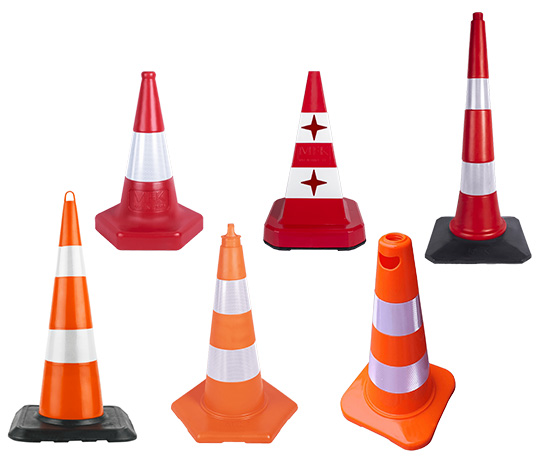
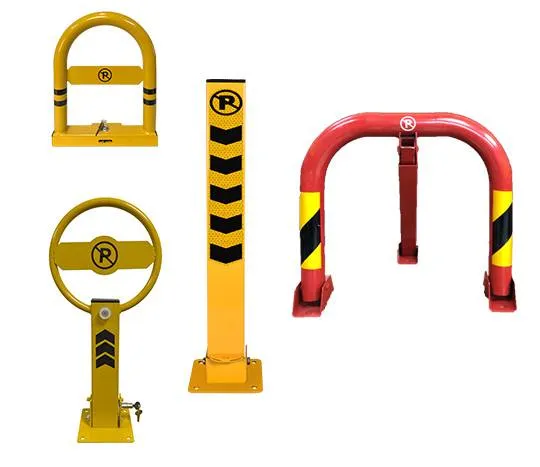
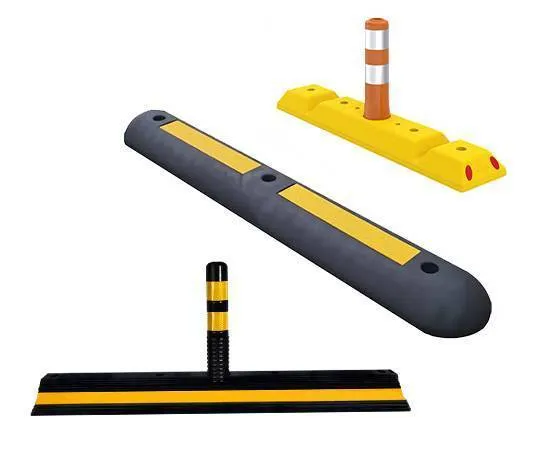
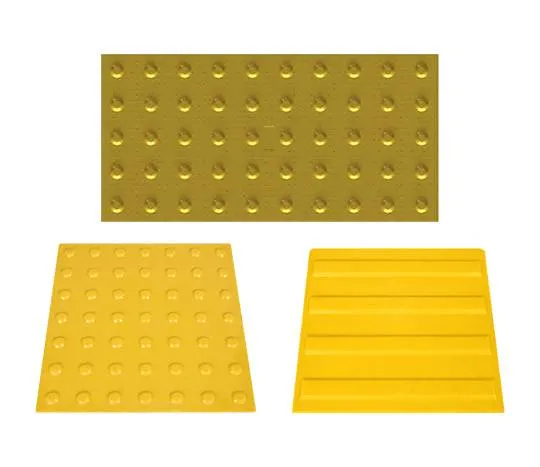
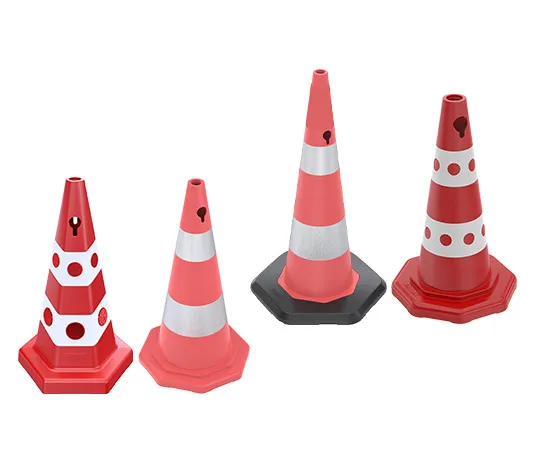
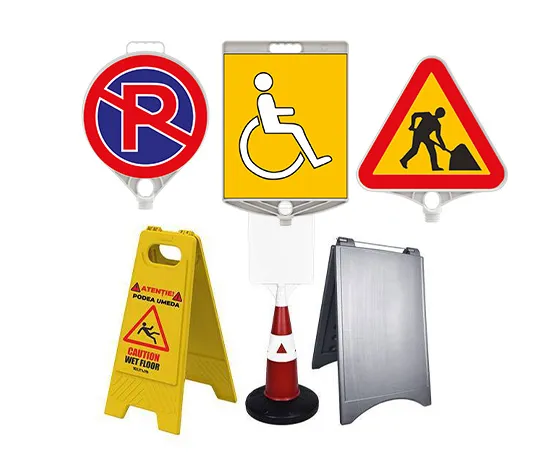
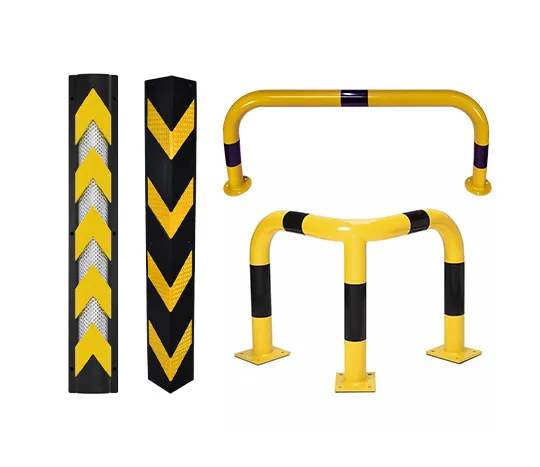
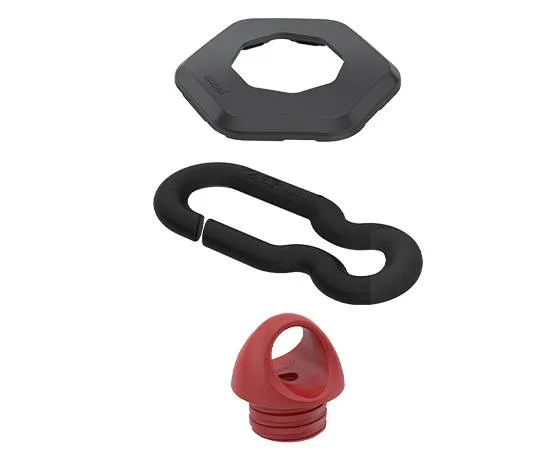
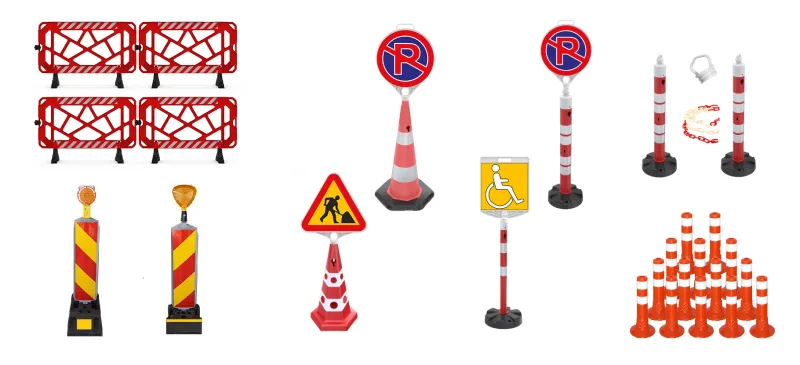
Best-selling Barrier Products
Sustainable and environmentally friendly materials
Another important trend in the production of road barriers is the use of sustainable and recyclable materials. As concerns about environmental protection grow, road equipment manufacturers are seeking solutions that reduce ecological impact. Barriers made from recycled or biodegradable materials are a viable option for reducing waste generated by road infrastructure.
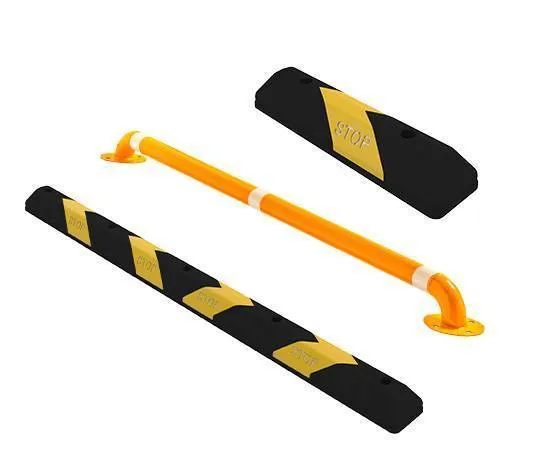
For example, barriers made from recycled rubber are not only durable and flexible, but also help reduce the amount of rubber that ends up in landfills. Additionally, these devices are weather-resistant and can be reused in various locations, making them an effective solution both economically and ecologically.
Modular and customizable barriers
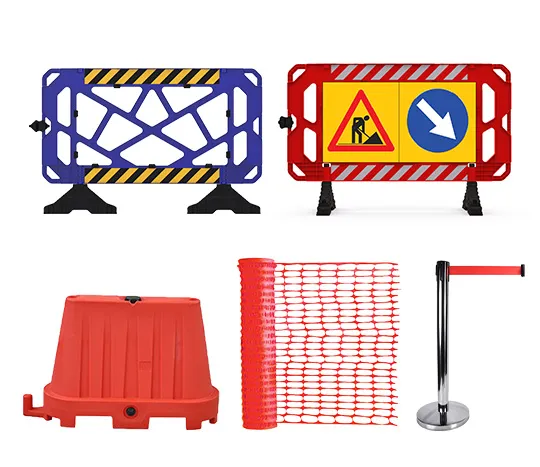
Flexibility and adaptability are two essential characteristics of modern road barriers. Modular systems allow for quick and easy configuration of barriers according to the specific needs of each infrastructure project. They can be installed and removed quickly, giving authorities the ability to change road configurations without requiring costly infrastructure work.
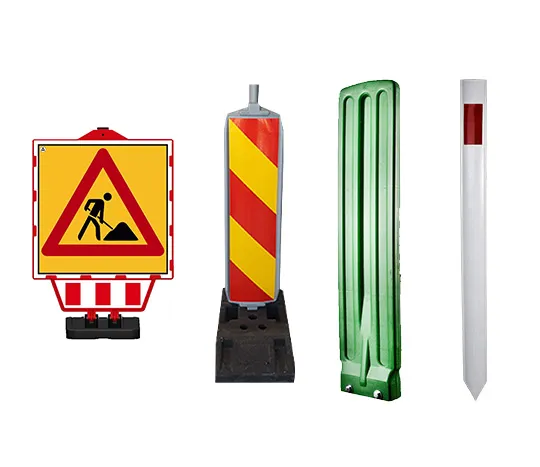
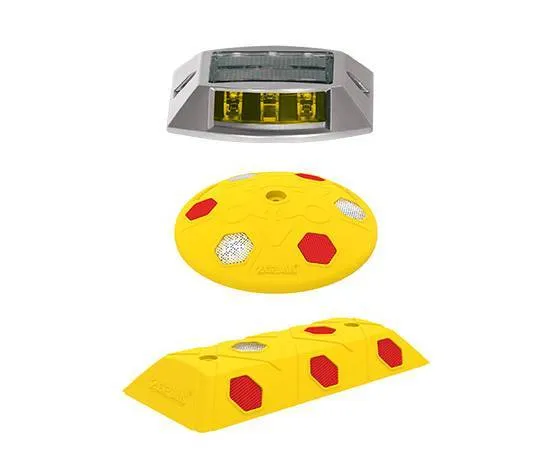
Moreover, many modern road barriers are customizable, both in terms of design and functionality. Colors, shapes, and sizes can be adapted to local needs, ensuring a harmonious integration into the urban landscape. Additionally, some barriers are equipped with reflective elements or LED lighting systems to enhance visibility at night.
Integration with traffic management systems
An essential aspect of new technologies in the field of road barriers is their integration with traffic management systems. By connecting these devices to traffic control networks, authorities can manage real-time situations on the roads and adjust barriers to respond to constantly changing needs.
This type of integration is particularly useful in urban areas with heavy traffic or near construction sites, where vehicle flows need to be monitored and directed efficiently. By using connected barriers, better traffic flow can be ensured and significant reductions in congestion can be achieved.
Conclusion
Road barriers are no longer just simple physical barriers; they have become smart and sustainable devices that play a vital role in ensuring traffic safety and efficiency. Technological advancements and concerns about environmental protection have led to the development of increasingly advanced solutions that not only improve the experience of road users but also contribute to creating a more environmentally friendly road infrastructure.