



Modern Innovations in Tactile Surfaces for Road Safety
With each passing day, technology and innovations are changing the way we interact with the urban environment. One of the less visible but essential innovations for the safety and accessibility of citizens is tactile surfaces. They play a crucial role in ensuring the safety of visually impaired individuals and others. In this article, we will explore how new technologies and modern materials are making a significant impact on tactile surfaces.
1. Smart Tactile Surfaces: The Future of Safety
An emerging trend in urban design is smart tactile surfaces. These are surfaces equipped with sensors and detection technologies that respond to pedestrian movement. For example, these surfaces can emit audio signals when they detect the presence of a person or change color to signal the approach of a vehicle. This type of technology enhances not only road safety but also the navigation experience of pedestrians.
In Japan and South Korea, for instance, there are already pilot projects where tactile surfaces are integrated with public transport networks, providing acoustic signals and vibrations to guide pedestrians at bus or train stations. These solutions are part of a global plan to make cities friendlier and more accessible for all categories of users.
2. Durable and Eco-Friendly Materials
Another area where significant evolution is observed is the use of durable and eco-friendly materials for tactile surfaces. Traditionally, tactile surfaces were made from rubber or plastic, but now there is a shift towards recyclable or renewable materials, such as recycled rubber, eco-friendly concrete, and sustainable polymers.
These materials not only reduce the carbon footprint of the manufacturing process but also offer greater durability, necessary to withstand high pedestrian traffic and challenging weather conditions. Additionally, the use of eco-friendly materials aligns infrastructure projects with global sustainability and environmental protection standards.
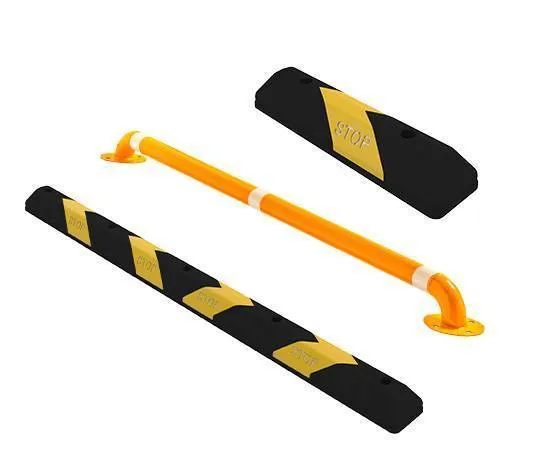
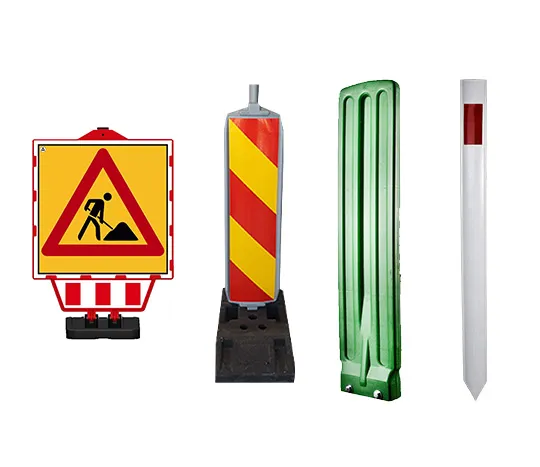
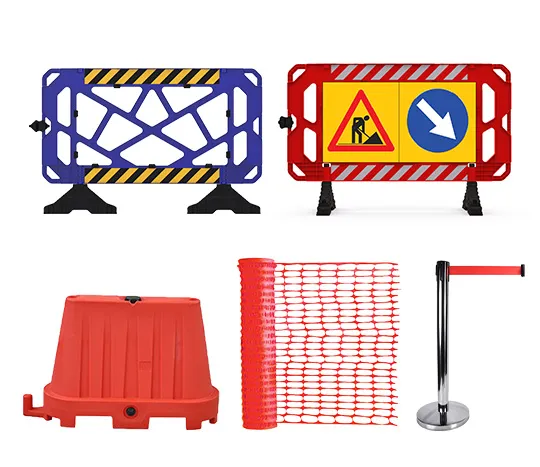
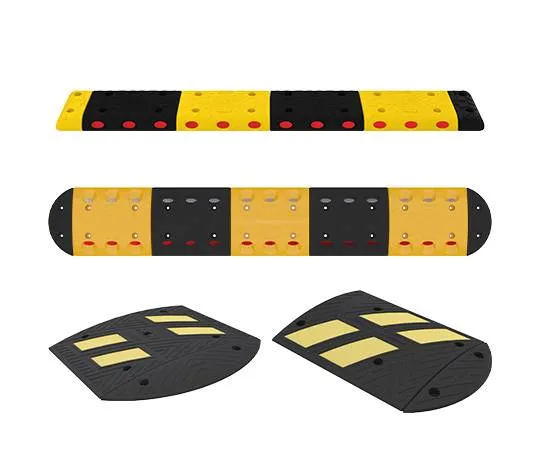
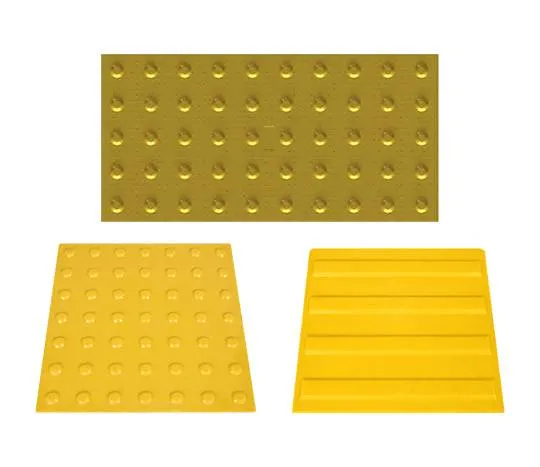
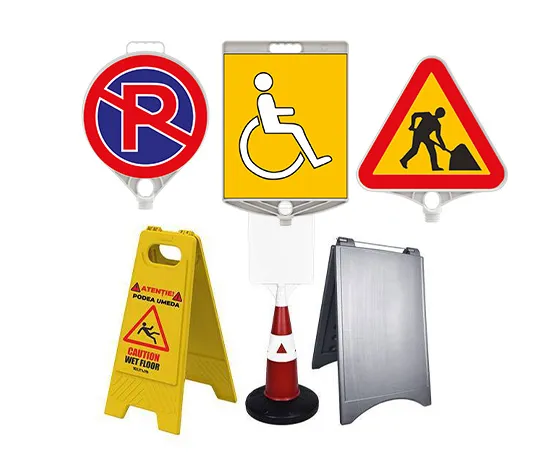
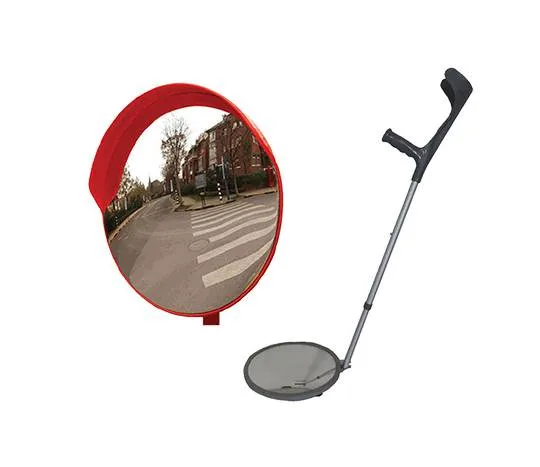
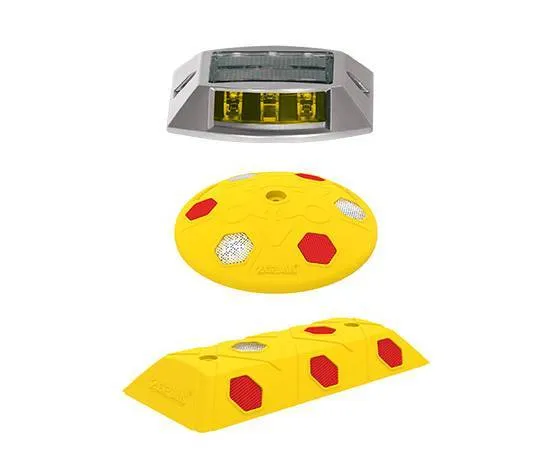
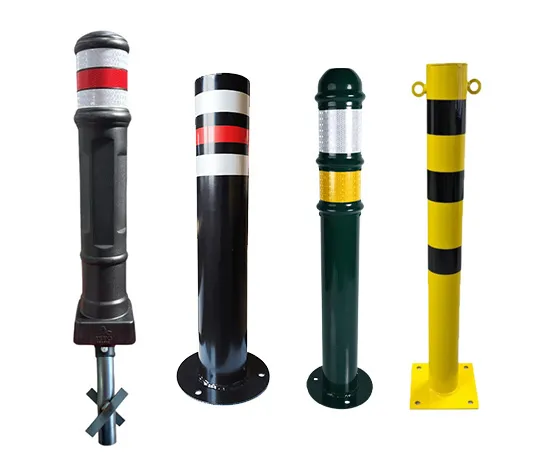
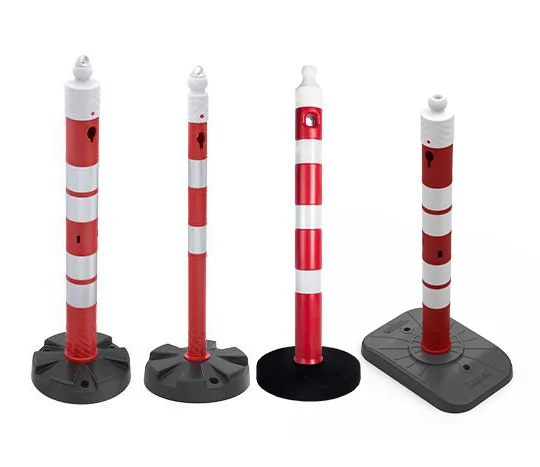
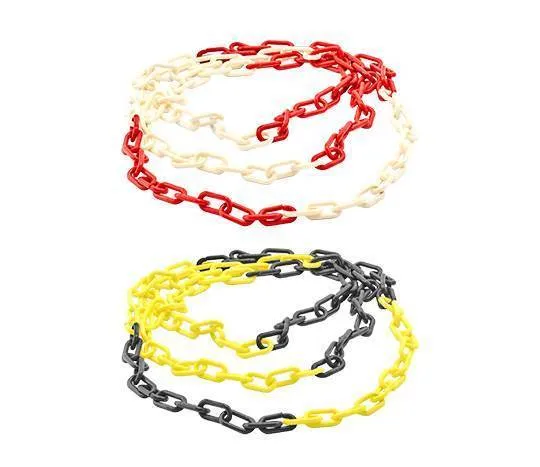
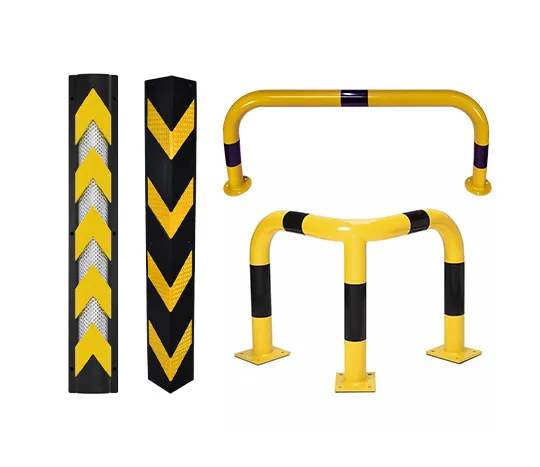
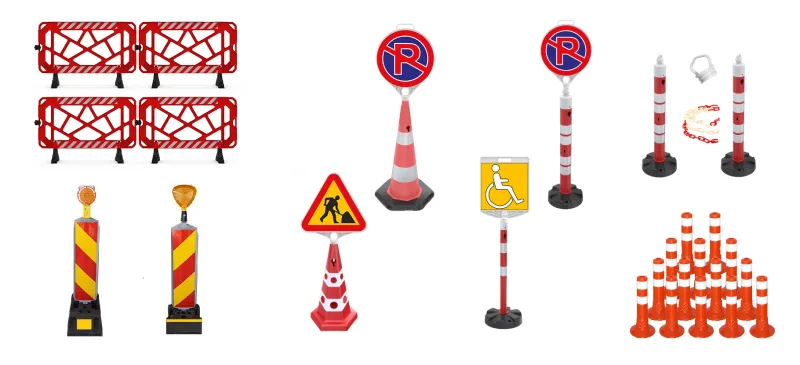
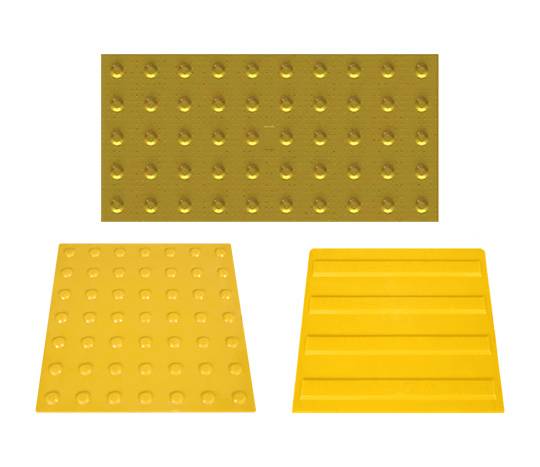
Best-Selling Tactile Surface Products
3. Adaptability and Flexibility in Urban Design
Modern tactile surfaces are no longer just functional but also flexible in terms of design. In the contemporary urban environment, there is a growing demand for surfaces that not only provide safety but also integrate harmoniously into the city's aesthetics. Therefore, designers are now using a wide range of colors, shapes, and textures that blend functionality with urban aesthetics.
This concept is especially important in historic areas or in modernized neighborhoods, where aesthetics play a crucial role. Adaptable tactile surfaces allow for their integration into these spaces without affecting the urban landscape while maintaining their essential functionality.
4. The Role of Education and Public Awareness
Although tactile surfaces are essential for pedestrian safety, they remain an often-unknown element for most of the population. An effective information and education campaign is necessary to ensure the correct use of these surfaces by all citizens.
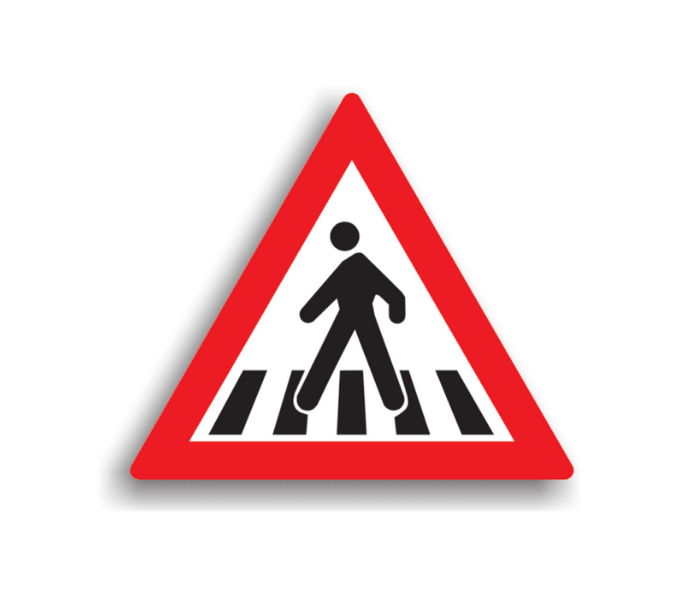
Many pedestrians are unaware of the significance of various types of tactile surfaces, such as those that warn of the presence of a pedestrian crossing or an obstacle. Better informing the general public, including through visual campaigns or by integrating tactile signaling into smartphone navigation applications, could make these surfaces even more useful and effective.
5. Road Safety and Tactile Surfaces: A Vital Relationship
It is important to emphasize that road safety does not depend solely on drivers but also on pedestrians. Tactile surfaces contribute to overall safety as they help increase awareness and spatial orientation. They are strategically placed in areas with high pedestrian traffic, such as intersections, pedestrian crossings, public transport stations, and near level change areas.
By clearly signaling dangers and level changes, these surfaces allow pedestrians to move safely and independently, thereby reducing the risk of accidents.
Conclusion
Technological innovations and durable materials are rapidly changing the way tactile surfaces are integrated into the urban environment. As cities evolve, we must ensure that these solutions remain accessible and functional for all citizens, especially for those who rely on them to navigate safely. Adapting to new trends, educating the public, and using sustainable materials are essential steps in creating safer and more inclusive cities.