








Auxiliary Chains: Functionality and Use in Various Fields
Auxiliary chains play a crucial role in numerous applications, from securing objects to organizing traffic or delineating areas where additional protection is required. The products in the “Auxiliary Chains” category on attotrafic.ro/ are designed to provide efficient and durable solutions in these situations. This article explores the benefits and uses of auxiliary chains, highlighting their importance in various contexts.
What Are Auxiliary Chains?
Auxiliary chains are flexible devices used to connect, secure, or delineate certain objects or areas. They are made from various materials, depending on the specific needs of users and the field of application. Typically, auxiliary chains are lighter and more flexible than those used for heavy-duty tasks, making them suitable for a wide range of uses, both indoors and outdoors.
Best Selling Auxiliary Chain Products
Types of Auxiliary Chains Available
On attotrafic.ro/, auxiliary chains are available in a variety of models and materials, tailored to user needs. Among the most popular types of auxiliary chains are:
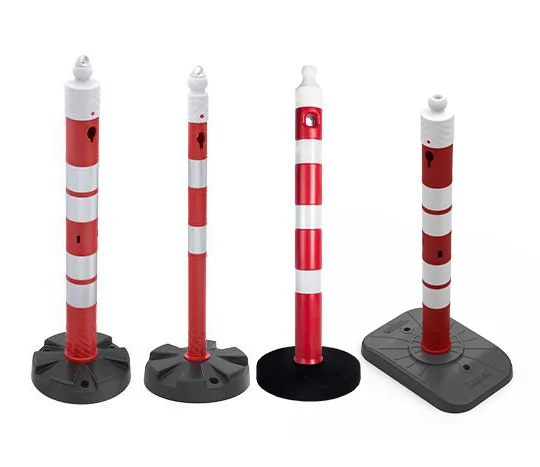
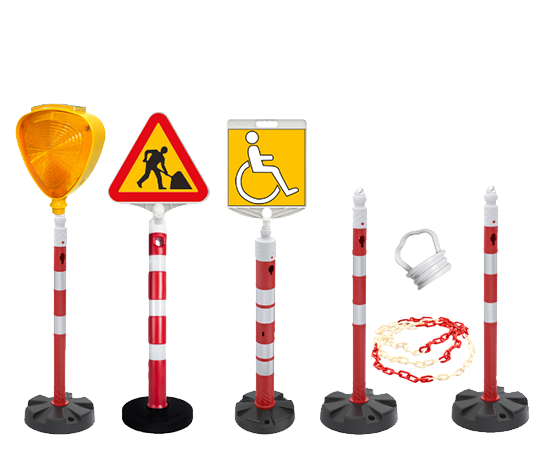
Plastic Chains: These are lightweight, durable, and ideal for temporary use in delineating areas. Due to their bright colors, they are easily noticeable and suitable for organizing pedestrian or vehicular traffic in parking lots, construction sites, or public events.
Reflective Chains: Reflective chains are equipped with elements that reflect light, making them visible at night or in low-light conditions. They are frequently used to ensure safety in high-traffic areas or to guide participants at events in reduced visibility conditions.
Steel Chains: Although less commonly used as auxiliary chains per se, there are lightweight models made of galvanized steel that are ideal for outdoor use in varying weather conditions.
Benefits of Using Auxiliary Chains
Auxiliary chains offer a range of benefits that make them indispensable in various fields:
Versatility: Auxiliary chains can be used in a wide range of applications, from delineating work areas on construction sites to securing parking lots or managing the flow of people at large events.
Ease of Installation: These chains are easy to install and move, making them ideal for temporary uses. They can be set up quickly, without requiring special equipment or advanced technical knowledge.
Low Costs: Compared to other security and delineation solutions, auxiliary chains are financially accessible without compromising on quality or durability.
Visibility: Auxiliary chains, especially those that are reflective or colored, are easily noticeable, making them ideal for use in high-traffic areas, ensuring a high level of safety.
Applications of Auxiliary Chains
Auxiliary chains have a multitude of uses, depending on the materials from which they are made and the specific characteristics of each model. Among the most common applications are:
Delineating Work Areas: On construction sites or in warehouses, auxiliary chains are used to delineate hazardous areas or to guide workers and vehicles.
Public and Sporting Events: At large events, chains are used to control crowds and guide participants to the correct areas. Colored or reflective chains are particularly useful in such situations.
Securing Parking Lots: Auxiliary chains are often used to organize parking lots, ensuring that vehicles are parked properly and that access areas are not blocked.
Delineating Restricted Areas: In public or private spaces, auxiliary chains are used to delineate areas where access is prohibited or to indicate hazards.