









Chains: Durability and Their Use in Construction and Industrial Projects
Chains are essential components in various fields, from construction to industry, due to their durability and versatility. They are used in a wide range of applications where strength, reliability, and performance are critical to the success of projects. In this article, we will discuss the importance of chains in construction and industrial projects, highlighting how they contribute to increased efficiency and safety in operations.
Chains in Construction: A Trusted Partner
Construction is one of the fields where chains are frequently used, due to their ability to support heavy loads and withstand harsh conditions. Here are some of the main applications of chains in construction:
Lifting and Moving Heavy Materials: Chains are often used for lifting and transporting heavy materials, such as concrete blocks, steel beams, or industrial equipment. They are an integral part of lifting equipment, such as cranes or forklifts, where they play a critical role in ensuring that materials are handled safely.
Anchoring Temporary Structures: In construction projects, chains are often used to anchor temporary structures, such as scaffolding or cranes. They ensure the stability and safety of structures, preventing accidents and damage.
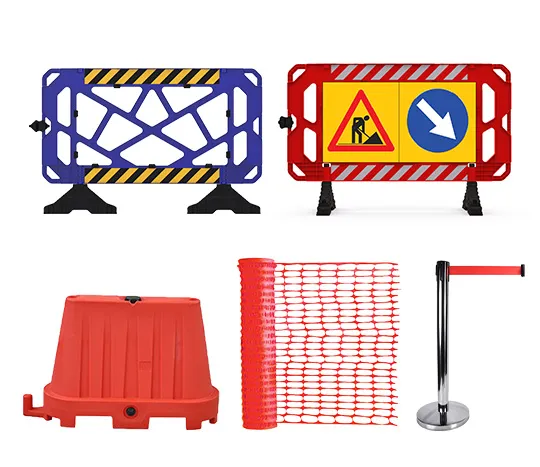
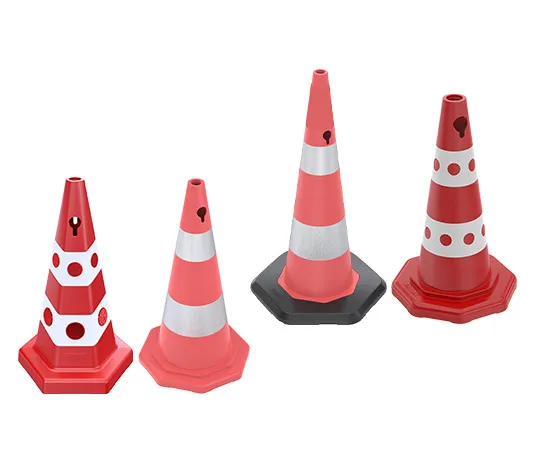
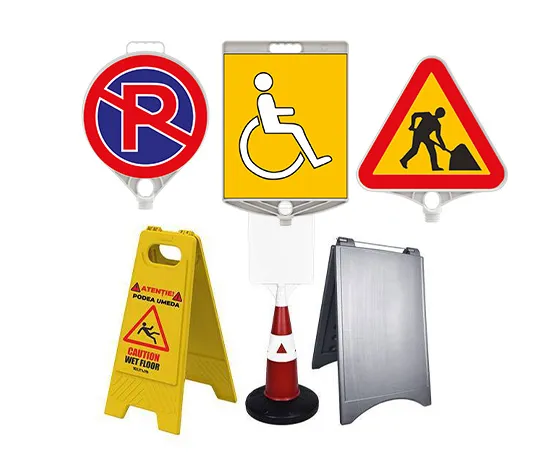
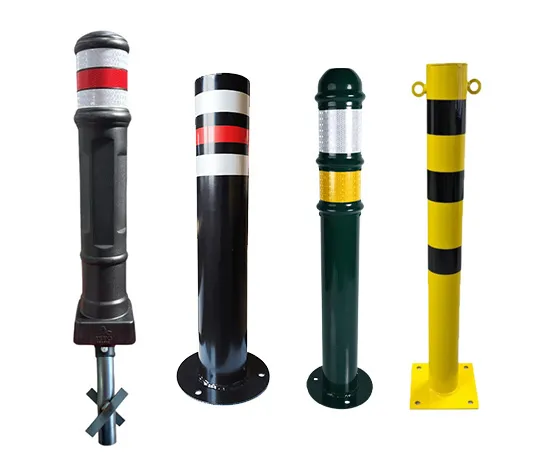
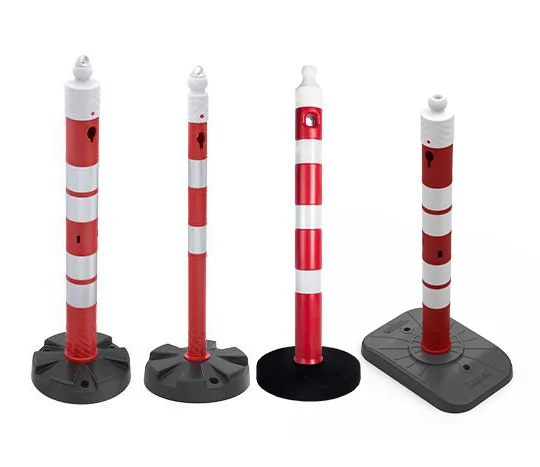
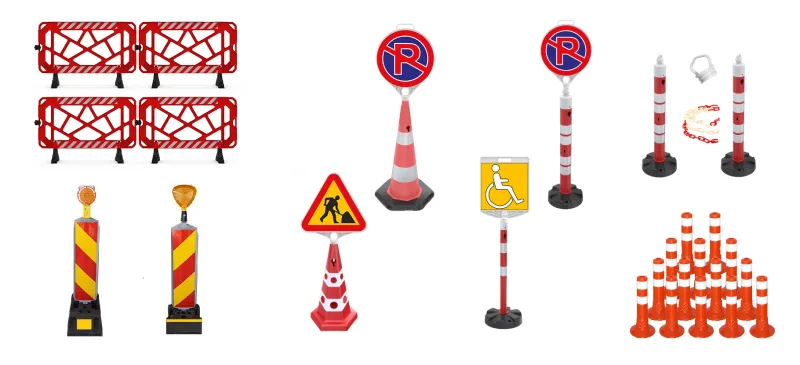
Ensuring Safety in Work Areas: Chains are used to create temporary barriers in hazardous work areas where access must be restricted. They help clearly delineate access zones and prevent accidents, protecting both workers and equipment.
Best-Selling Chain Products
Chains in Industry: High-Level Performance
In addition to their uses in construction, chains are essential in various industrial sectors. Due to their ability to operate in extreme conditions, chains are preferred in industrial operations that require reliability and increased strength. Here are some examples:
Chains in Industrial Conveyors: Chains are used in industrial conveyor systems to move goods, materials, or products along production lines. These systems are essential in sectors such as automotive manufacturing, food industry, or mining, where operational efficiency is crucial.
Use in Drilling and Mining Equipment: In the extractive industry, chains are used in drilling equipment and mining machinery, where their wear resistance and ability to handle heavy loads make them essential for the success of operations. In these extreme environments, chains must withstand harsh conditions, such as high temperatures, exposure to chemicals, and intense mechanical stresses.
Material Handling in Ports and Warehouses: Chains are essential in handling containers and heavy goods in ports or warehouses. They are used in equipment such as cranes or conveyor systems, where reliable performance is essential for efficient logistics operations.
Choosing the Right Chains: Factors to Consider
When selecting chains for industrial or construction applications, it is important to consider certain essential characteristics. The material from which the chain is made, the load capacity, and corrosion resistance are critical factors that influence its performance. Chains made from high-quality steel, for example, offer durability and superior strength in challenging conditions.
Additionally, chains must be tested and certified according to international safety standards to ensure they meet the strict requirements of the industry. Investing in high-quality chains can make a difference in the success of a project, providing safety and long-term efficiency.
Conclusion
Chains are essential in construction and industry, where their durability and reliability play a crucial role. From lifting heavy materials in construction to their use in industrial conveyor systems, chains contribute to increased efficiency and safety in operations. Choosing the right chains and using them according to the specific requirements of each project is essential for success in these fields.