







Chains for Industrial and Traffic Applications: Their Importance and Applications in Various Fields
In the modern world, chains are essential components that serve multiple functions across different industries and traffic applications. From use in construction and traffic management to commercial and security applications, chains are highly versatile and crucial for the efficient operation of various processes. In this article, we will explore the importance of chains and their applications in different fields, providing a detailed perspective on their uses and benefits.
1. Types of Chains and Their Characteristics
Chains are available in a variety of types and sizes, each having specific characteristics that make them suitable for different applications. The most common types include:
Zinc Chains: These chains are known for their corrosion resistance and are frequently used in outdoor applications and in wet environments.
Steel Chains: Steel is an extremely strong and durable material, ideal for applications that require high load and impact resistance.
Aluminum Chains: These chains are lighter and are often used in applications where reduced weight is important.
Best-Selling Chain Products
2. Applications in Construction and Traffic Industry
Chains are essential in many industrial fields, including construction and traffic. Here are some common usage examples:
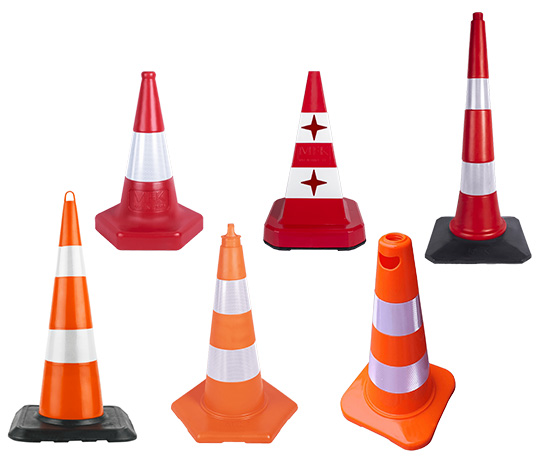
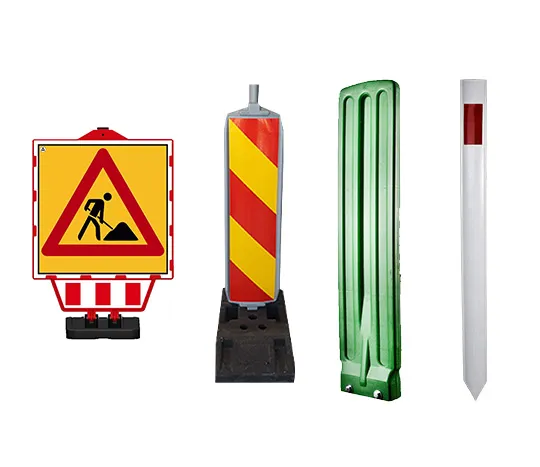
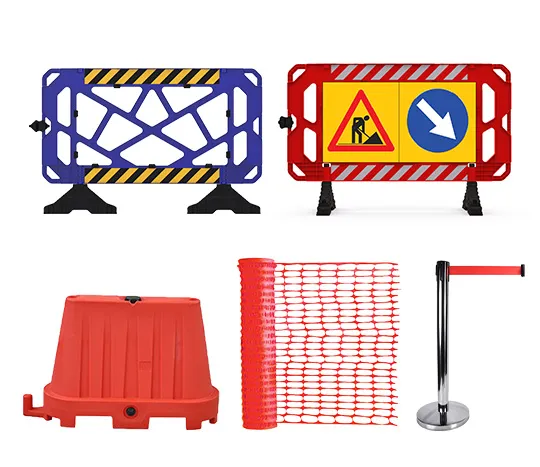
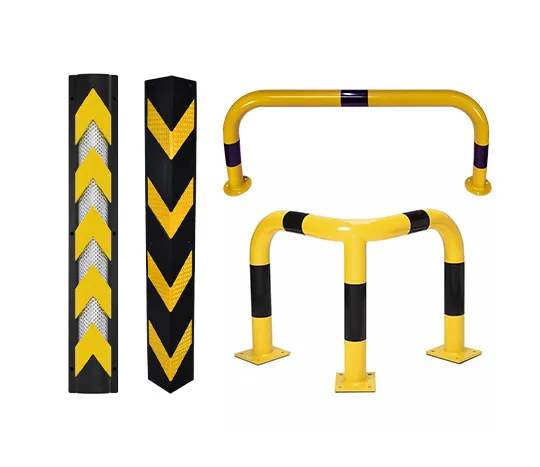
Construction: In the construction sector, chains are used to support heavy equipment, delineate work areas, and ensure safety on job sites. Chains are also used to lift and move heavy materials with the help of lifting equipment.
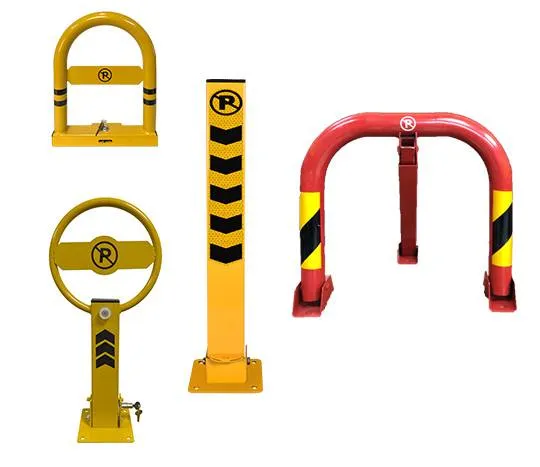
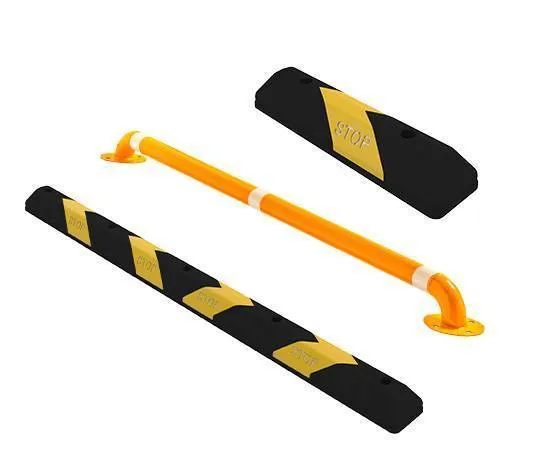
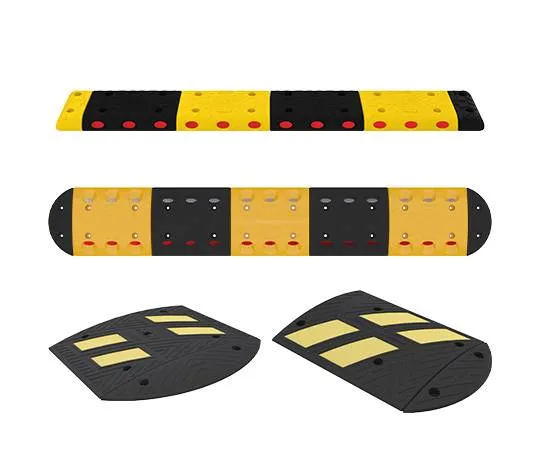
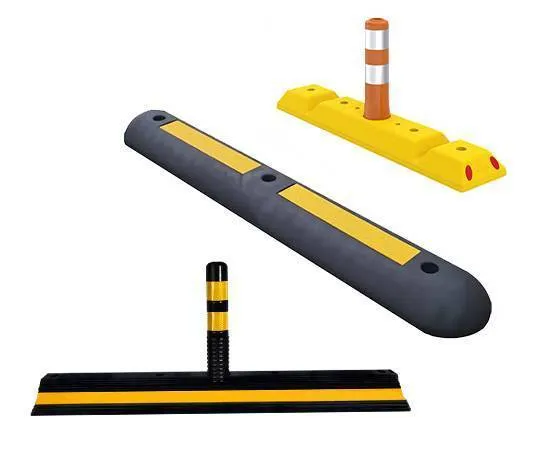
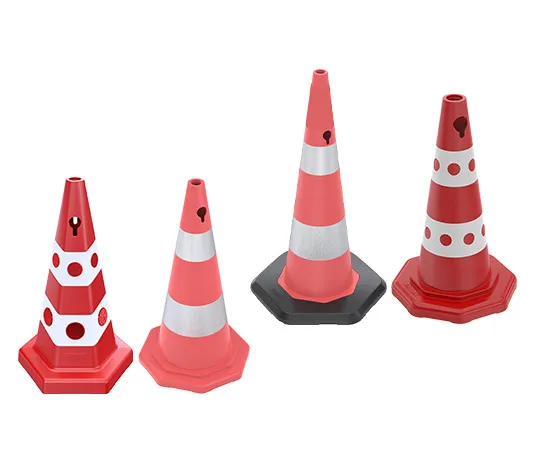
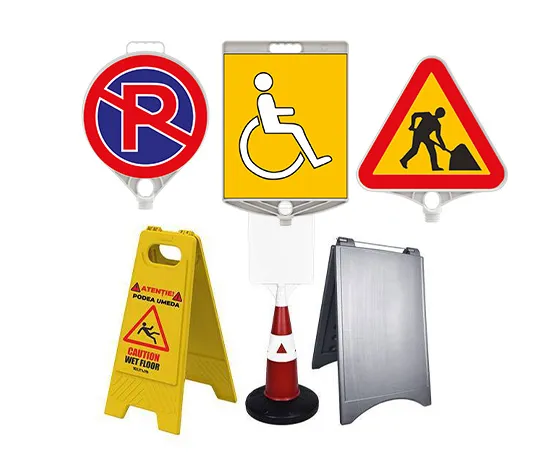
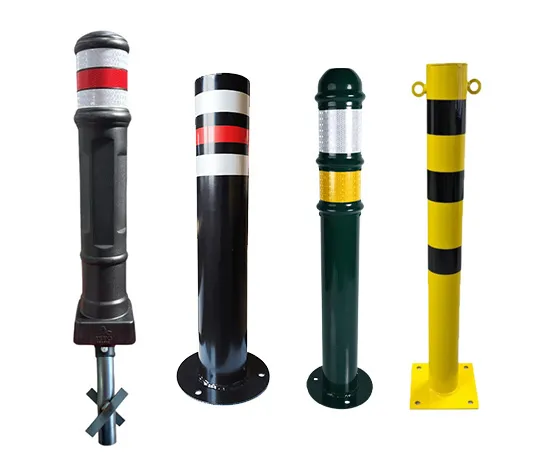
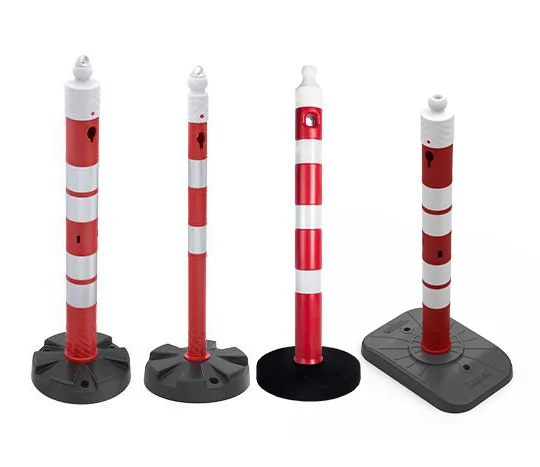
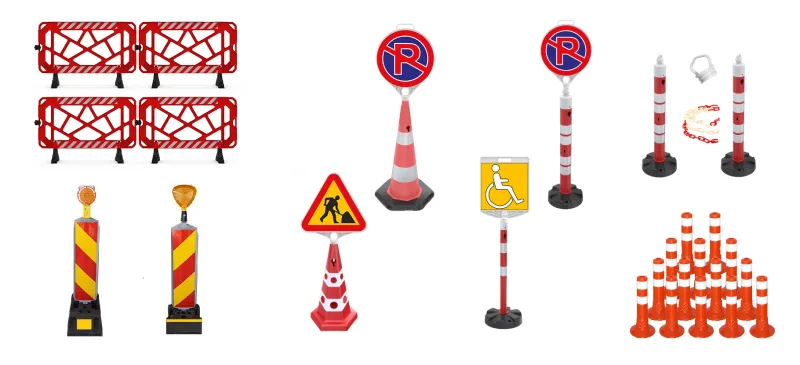
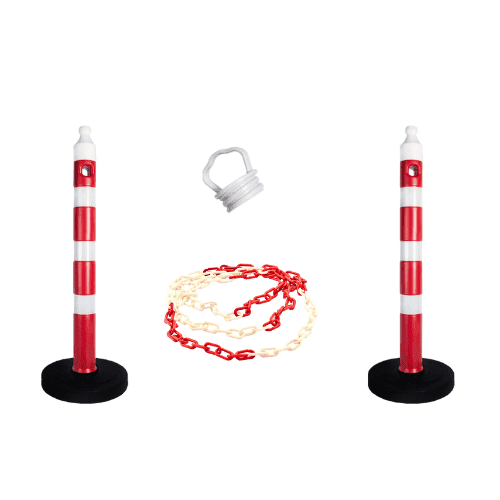
Traffic Management: In traffic management, chains are used to delineate parking areas, restrict access, and control vehicle flow. They are often used in public and commercial parking areas to organize spaces and prevent illegal parking.
3. Benefits and Advantages of Using Chains
The use of chains in various applications offers numerous benefits, including:
Durability: Chains are extremely strong and can withstand heavy loads, making them suitable for applications that require high resistance.
Versatility: Chains can be used in a wide range of applications, from construction and traffic to commercial and security.
Cost-Effectiveness: Compared to other solutions, chains are often more cost-effective, providing excellent durability and performance.
4. Maintenance and Care
To ensure optimal performance and maximum durability, it is important to keep chains in good condition. Regular maintenance includes:
Cleaning: Removing dirt and debris that can cause premature wear.
Lubrication: Applying an appropriate lubricant to reduce friction and prevent corrosion.
Inspection: Regularly checking chains for signs of wear or damage and replacing defective components.
Conclusion
Chains are essential components in numerous industrial and traffic applications, providing durability, versatility, and efficiency. Whether used in construction, traffic management, or other fields, chains play a crucial role in ensuring the efficient operation of various processes. By understanding the types of chains and their applications, you can make informed choices that maximize the performance and durability of equipment and infrastructure.