







Chains for Industrial Use: Versatility and Benefits
In a variety of industrial fields, chains play an essential role in facilitating operations and ensuring efficient functioning. From material transport to securing equipment, chains are versatile solutions that contribute to industrial performance and safety. In this article, we will explore the uses and benefits of chains in the industrial context, highlighting their importance and positive impact on work processes.
The Use of Chains in Industry
Chains are used in a wide range of industrial applications due to their durability and flexibility. Here are some of the main uses of chains in the industrial environment:
Material Transport: In many industries, chains are used to transport materials from one place to another. Chain transport systems are commonly found in factories, warehouses, and assembly lines, where chains facilitate the continuous movement of products and components.
Lifting and Hoisting Mechanisms: Chains are essential in lifting and hoisting mechanisms, such as cranes and industrial lifts. They support heavy weights and allow for the easy and safe lifting and moving of equipment and materials.
Securing Equipment: Chains are also used to secure equipment and vehicles in industrial spaces. They provide an effective solution for protecting equipment from theft and unauthorized access, thus ensuring additional protection.
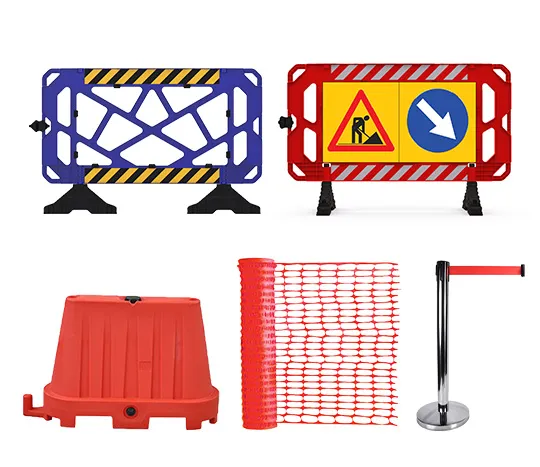
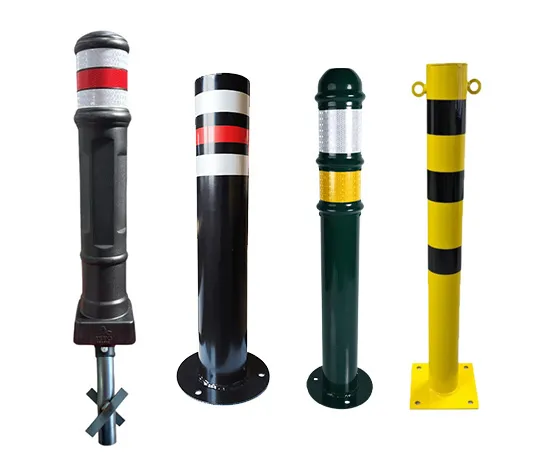
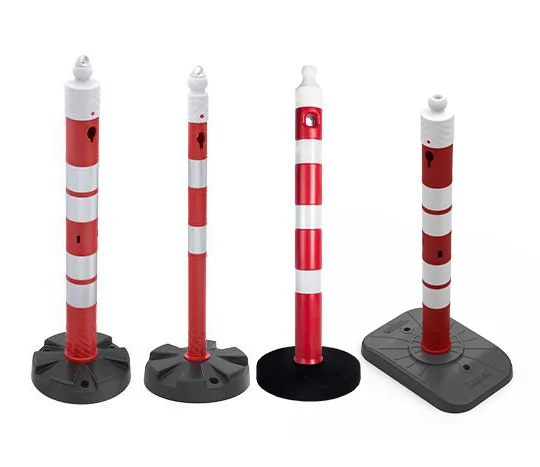
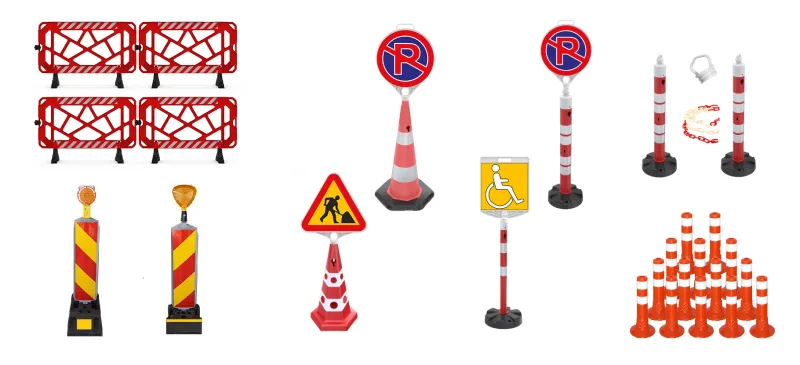
Fencing and Delimiting Systems: Chains are often used for fencing and delimiting industrial areas. They are used to mark perimeters, separate work areas, and control access to different zones of the facility.
Best-Selling Chain Products
The Benefits of Using Chains in Industry
Chains offer multiple advantages in the industrial context, contributing to the efficiency and safety of operations. Here are some of the main benefits:
Durability and Strength: Industrial chains are made from high-quality materials, such as galvanized steel or stainless steel, which provide excellent durability and strength. They can withstand extreme working conditions and heavy loads, ensuring long-term use.
Versatility and Flexibility: Chains are extremely versatile and can be used in a variety of industrial applications. They are available in different sizes and configurations, allowing them to be adapted to the specific requirements of each application.
Cost-Effectiveness: Compared to other industrial solutions, chains are relatively inexpensive and provide a cost-effective solution for transporting, lifting, and securing materials. Low maintenance costs and long-lasting durability make them a favorable economic choice.
Ease of Use and Maintenance: Installing and maintaining chains is relatively simple and does not require specialized equipment or expertise. This makes them an accessible and easy-to-implement option in industrial environments.
Conclusion
Chains are essential components in industrial environments, providing durable and versatile solutions for a wide range of applications. From transporting and lifting materials to securing equipment and delimiting areas, chains significantly contribute to the efficiency and safety of industrial operations. By correctly using chains, companies can ensure a continuous and protected workflow, thus optimizing performance and security within the industrial facility.