




Speed bumps: Essential for road safety and community comfort
In the modern urban landscape, road safety becomes an essential priority for cities and communities. Speed bumps are among the most effective solutions used to control vehicle speed and protect pedestrians. Although they may seem like simple infrastructure elements, their role is much more complex and important than it may appear at first glance. In this article, we will explore the various types of speed bumps, their benefits, and their impact on communities.
Types of speed bumps
Speed bumps are available in a variety of types, each with specific characteristics tailored to the needs of different areas. Here are some of the most common:
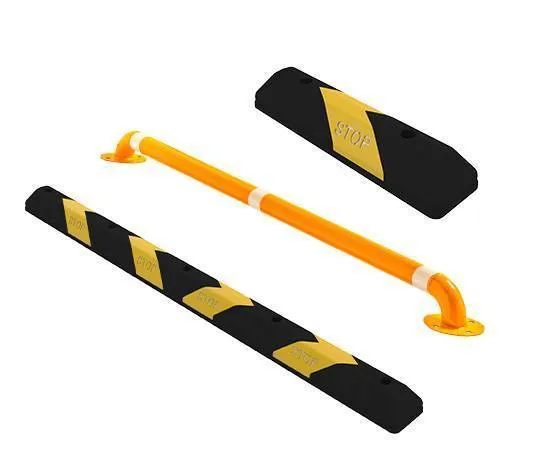
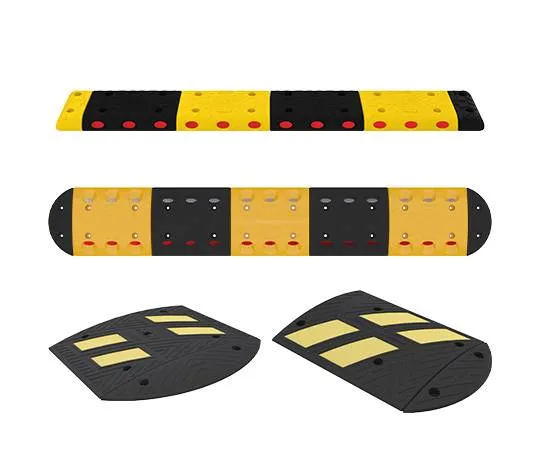
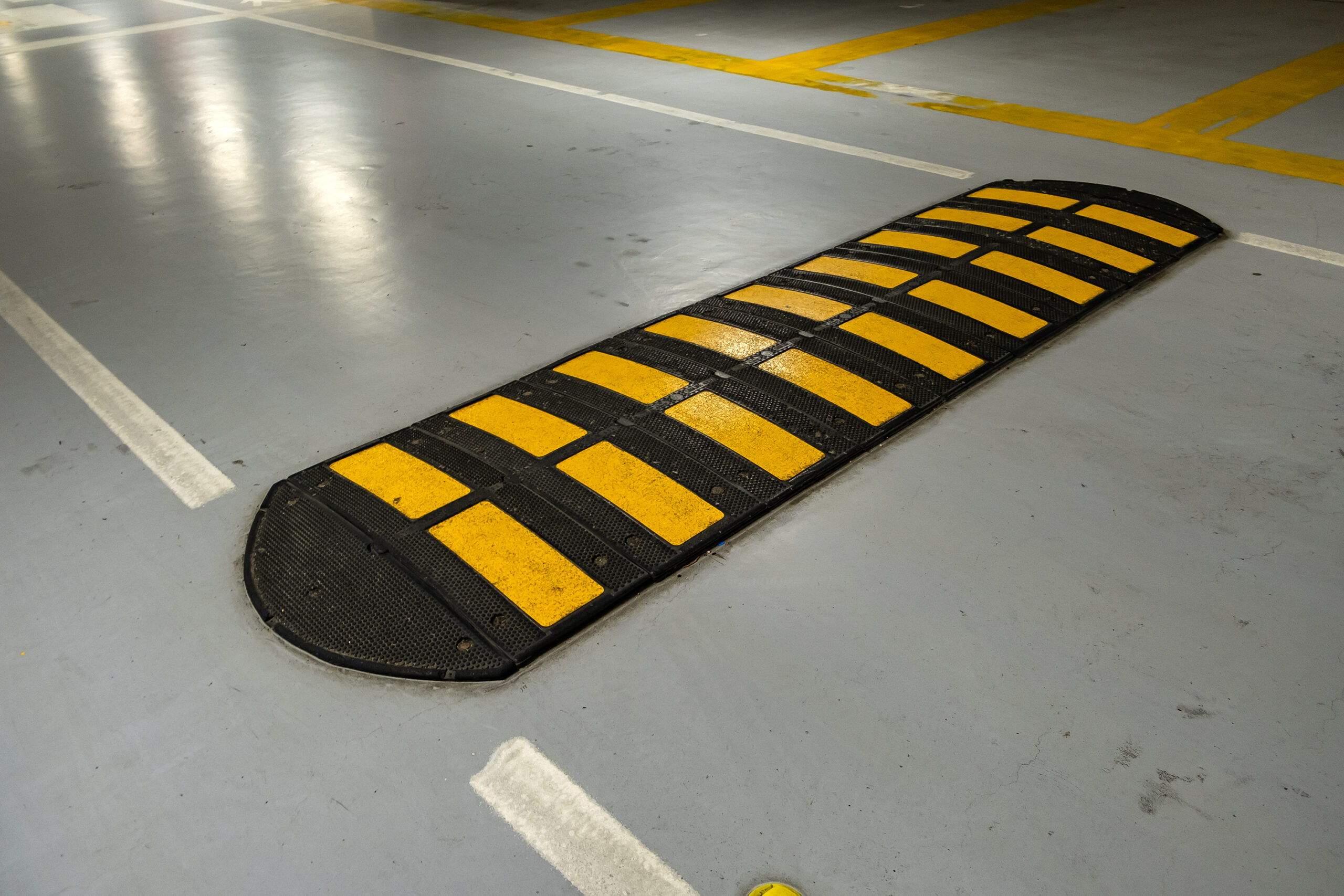
Rubber speed bumps: These are very popular due to their flexibility and durability. They are easy to install and can be used temporarily or permanently. They are typically used in residential areas, parking lots, or near schools.
Concrete speed bumps: These bumps are more durable and are usually used in high-traffic areas, such as national roads or near busy intersections. They can withstand extreme weather conditions and the weight of heavy vehicles.
Mobile speed bumps: These are used temporarily, usually for special events or in areas where construction work is ongoing. They can be easily installed and removed, making them ideal for adapting traffic to temporary conditions.
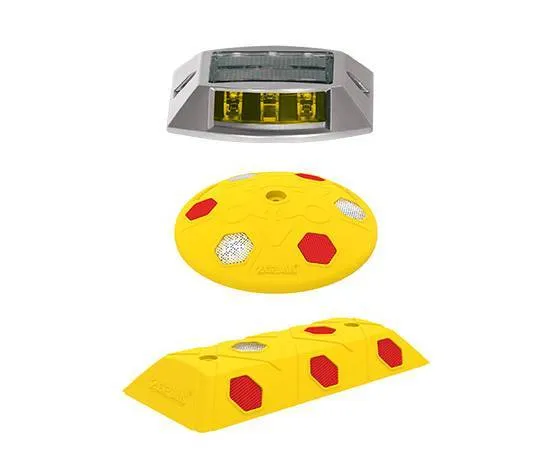
Best-selling Speed Bumps
Benefits of speed bumps
Speed bumps bring a number of benefits to communities, both in terms of safety and comfort:
Reduction of road accidents: By limiting vehicle speed, speed bumps contribute to reducing the number of accidents. Lower speed allows drivers to react more quickly to obstacles and traffic conditions, thus protecting both passengers and pedestrians.
Protection of pedestrians: Especially in heavily trafficked areas, such as those near schools or parks, speed bumps ensure a safer environment for pedestrians. This encourages people to walk, which has a positive impact on public health.
Improvement of driver behavior: Speed bumps encourage drivers to adhere to speed limits and be more attentive while driving. This leads to more responsible road behavior and a more pleasant driving experience for all road users.
Impact on communities
Speed bumps not only improve road safety but also have a positive impact on communities:
Improvement of quality of life: A safer community is a happier community. Residents feel more comfortable going outside, walking, and participating in community activities when they know the road is safe.
Increase in property values: Areas that have safety measures, such as speed bumps, can attract more buyers and renters. People are willing to pay more to live in an area perceived as safe.
Promotion of active transportation: Speed bumps encourage walking and cycling, contributing to reduced road traffic and environmental protection. This can lead to a healthier and more active community.
Conclusion
Speed bumps are a simple yet highly effective solution for improving road safety and community comfort. They reduce the number of accidents, protect pedestrians, and contribute to more responsible driver behavior. Moreover, their positive impact on quality of life and property values makes speed bumps a smart choice for any urban community. Investing in such solutions is not just a safety measure but also an important step towards building safer and more pleasant cities for all citizens.