


Speed bumps – an effective solution for road safety and accident reduction
In a world where urban traffic is becoming increasingly congested and road accidents remain a major concern, measures to enhance road safety are essential. One of the most commonly used and effective traffic calming measures is the speed bump, also known by the popular name "speed reduction hump." These devices are designed to slow down vehicles and force drivers to adhere to imposed speed limits, especially in areas where safety is a priority.
1. What are speed bumps and how do they work?
Speed bumps are physical barriers placed on the roadway to slow down traffic. They can be made from a variety of materials, such as rubber, asphalt, or plastic, and are strategically placed in areas where vehicle speed reduction is necessary.
They are often installed near schools, parks, hospitals, or in residential areas where pedestrian and child safety is paramount. Speed bumps force drivers to slow down to avoid discomfort or vehicle damage, thus creating a safe zone for all road users.
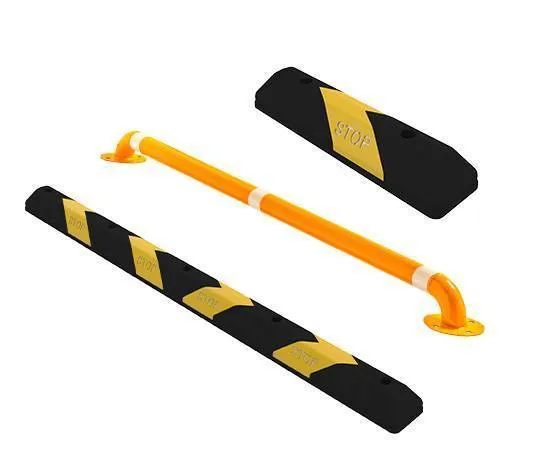
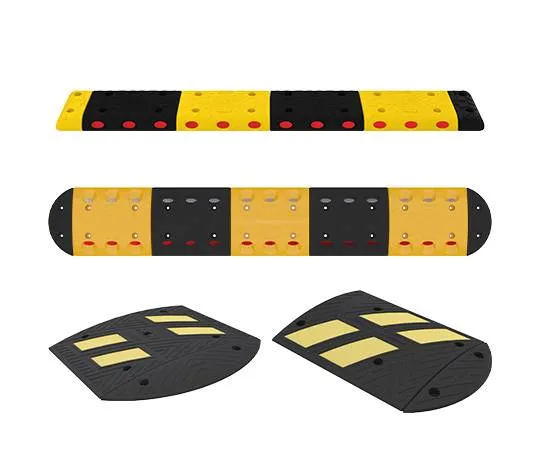
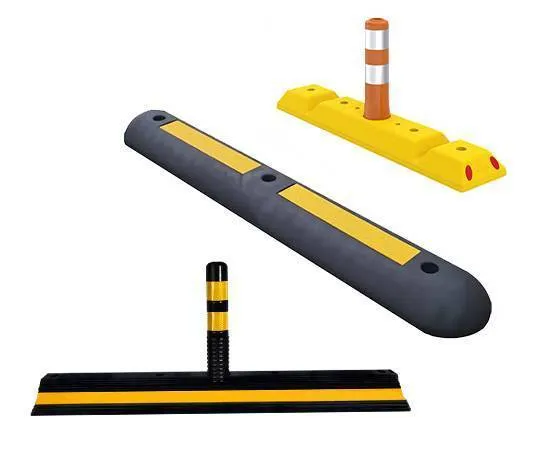
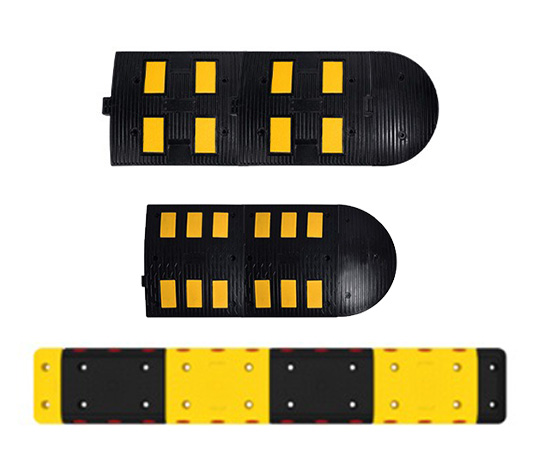
Best-selling Speed Bump Products
2. Types of speed bumps
There are several types of speed bumps on the market, each adapted for different needs and road contexts:
Rubber speed bumps: These are the most commonly used in residential areas or parking lots. They are flexible, easy to install, and weather-resistant. The rubber material provides a durable solution and can be easily replaced or moved as needed.
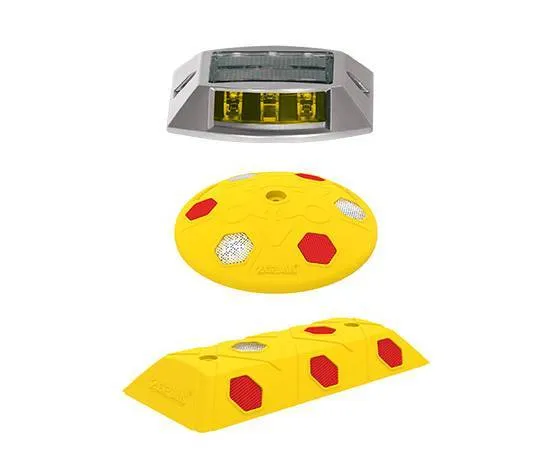
Plastic speed bumps: Although less durable than rubber ones, plastic speed bumps are an economical solution for temporary installations or in areas with low traffic. They are also available in contrasting colors to enhance visibility at night.
Asphalt humps: These are poured directly into the road structure and are used primarily on heavily trafficked arteries. They are extremely durable but more expensive and difficult to install. They are usually used on public roads or in high-risk accident areas.
Modular speed barriers: These are constructed from multiple segments that can be configured according to the road width or specific traffic needs. They are a flexible solution for public and commercial spaces where traffic fluctuates and a quick speed reduction solution is required.
3. Benefits of installing speed bumps
The main purpose of speed bumps is to reduce vehicle speed, but the benefits of these devices extend much further:
Increased pedestrian safety: In congested areas or near schools, speed bumps significantly reduce the risk of accidents by forcing drivers to travel at low speeds. This way, pedestrians and children can cross safely.
Reduction in the number of accidents: By reducing travel speed, the risk of collisions is diminished, and any accidents that do occur generally have less severe consequences.
Improvement of living conditions in residential areas: In residential neighborhoods, speed bumps help maintain a quiet environment, reducing noise pollution and dangers posed by fast-moving vehicles.
Traffic control in parking lots: In busy parking areas, speed bumps help manage vehicle flow, preventing congestion and incidents.
4. Where should speed bumps be installed?
Although speed bumps are essential in certain areas, they should not be installed randomly. It is important to place them in locations where speed reduction can have a positive impact on road safety. Some of the most common locations for installing speed bumps include:
School zones: To protect students, especially during peak hours when traffic is heavy.
Parks and playgrounds: In these areas, children are often unpredictable, and reduced speed is crucial for preventing accidents.
Residential areas: Here, low speed helps protect residents and maintain neighborhood tranquility.
Public and private parking lots: In parking spaces where traffic is heavy and pedestrians are present, speed bumps can prevent collisions and other incidents.
Conclusion
Speed bumps are an effective and affordable solution for improving road safety and reducing accidents. Their strategic installation in high-risk areas can make a significant difference in preventing collisions and protecting pedestrians. Whether used near schools, in parking lots, or on residential roads, these devices remain an essential element in traffic management and ensuring a safer circulation environment.