

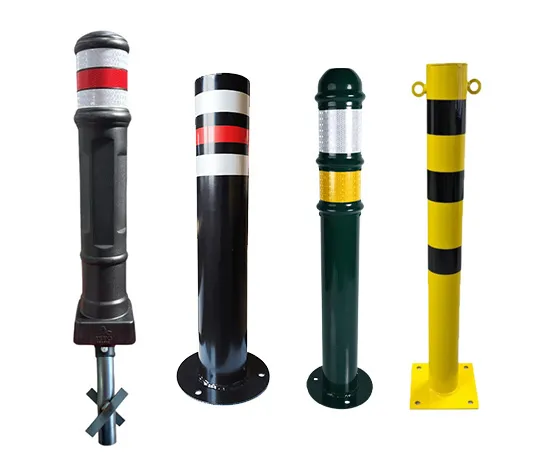
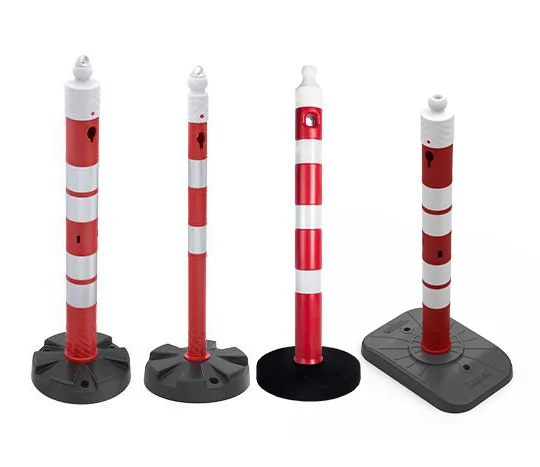
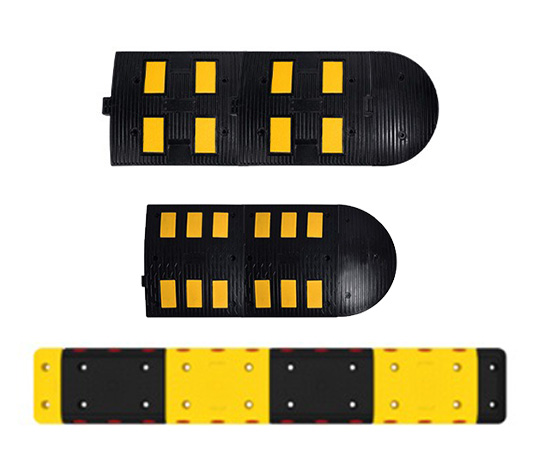
In increasingly congested traffic with often hurried drivers, road safety has become a major priority. One of the most effective devices used to control vehicle speed and prevent accidents is the speed bump. These devices, also known as "speed bumps," play a crucial role in reducing vehicle speeds, especially in residential areas, schools, and parking lots. In this article, we will explore the benefits, types, and uses of speed bumps in modern road infrastructure.
What are speed bumps?
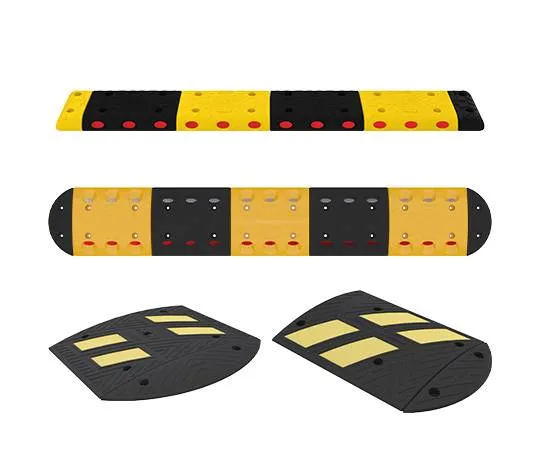
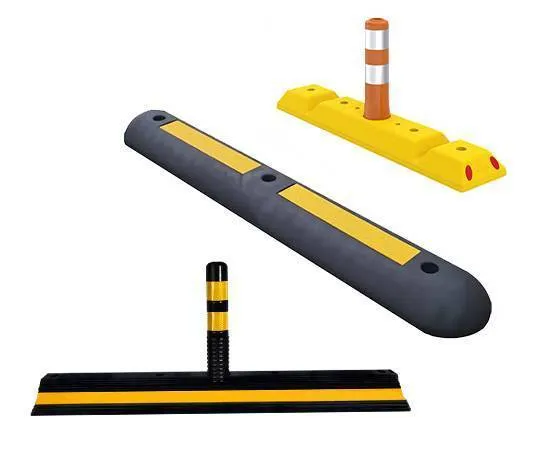
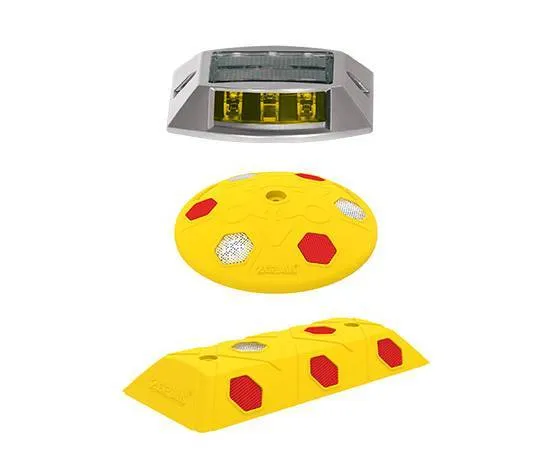
Speed bumps are structures placed on the road surface, designed to force drivers to reduce speed to avoid vehicle damage and ensure a comfortable ride. They are made from durable materials such as rubber, plastic, or concrete, and can come in various sizes and shapes, depending on their intended use.
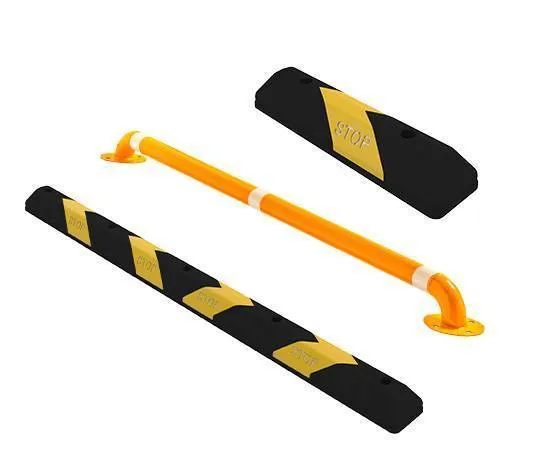
They are typically placed in locations where maintaining a low speed is crucial, such as near schools, parks, hospitals, or pedestrian areas. They are also very effective in parking lots or on roads in residential neighborhoods, where pedestrian safety is paramount.
Best-selling Speed Bumps
Types of Speed Bumps
There are several types of speed bumps, each with different specifications and uses. Among the most common are:
Rubber Speed Bumps: These are the most popular due to their ease of installation and maintenance. They are flexible and can be easily disassembled or moved, making them ideal for temporary use in places like construction sites or public events.
Plastic Speed Bumps: These are easy to install and have high visibility due to the bright colors they are produced in. They are a cost-effective and practical solution for low-traffic areas.
Concrete or Asphalt Speed Bumps: These are permanent solutions, primarily used on main roads or highways. They are very durable but require more complex installation and regular maintenance to prevent deterioration.
Benefits of Using Speed Bumps
Speed Reduction and Accident Prevention: The main benefit of speed bumps is their ability to force drivers to reduce speed. This is particularly important in high-risk accident areas, such as busy intersections, pedestrian crossings, and residential zones.
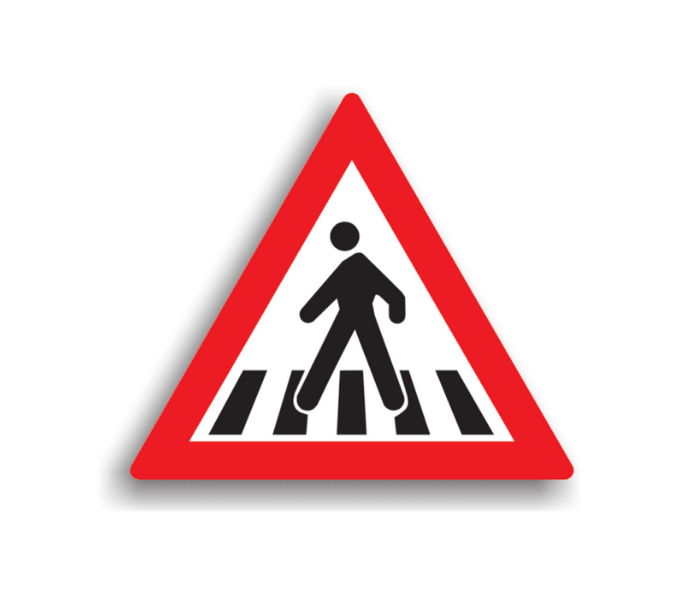
Pedestrian Protection: In places where pedestrian traffic is heavy, such as near schools or parks, speed bumps provide additional protection for pedestrians, forcing drivers to be attentive and drive cautiously.
Improving Quality of Life in Residential Areas: Speed bumps help reduce noise pollution caused by fast-moving vehicles and improve the overall safety of residents in neighborhoods.
Easy Installation and Maintenance: For rubber or plastic speed bumps, installation is quick and does not require complex construction work. Additionally, they are weather-resistant and can be easily maintained.
Practical Applications of Speed Bumps
Speed bumps are used in a variety of contexts to ensure road safety. In cities, they are primarily placed in crowded areas and near educational institutions. In rural areas, they are often used to reduce speed near pedestrian crossings or in narrow road zones.
In the parking lots of large shopping centers or office buildings, speed bumps are essential to prevent accidents involving both drivers and pedestrians. Additionally, within industrial areas, they are used to manage heavy vehicle traffic and reduce the risk of accidents.
Conclusion
Speed bumps are an essential element of road infrastructure, contributing to the safety of road users and protecting pedestrian lives. Through their strategic use, it can be ensured that drivers adhere to imposed speed limits, thereby reducing the risk of accidents and improving the quality of life in communities. As traffic continues to grow, adopting preventive measures, such as speed bumps, becomes increasingly important for our safety.