





Speed bumps: A solution for reducing accidents and protecting infrastructure
Speed bumps, also known as "artificial bumps," play a crucial role in managing road traffic and preventing accidents. They are a practical solution for reducing vehicle speed in areas where pedestrian traffic is high or where road infrastructure needs protection. Although these elements are often met with reluctance by drivers, they have evident benefits for road safety as well as for the durability of roads. In this article, we will explore various aspects of using speed bumps, from their effects on safety to their contribution to maintaining road infrastructure.
The effect of speed bumps on driver behavior
The main purpose of speed bumps is to force drivers to reduce speed in high-risk accident areas. These areas typically include dangerous intersections, roads near schools, hospitals, and parks, as well as residential areas where pedestrian traffic is high. Speed bumps reduce the average speed of traffic, making drivers more aware of their surroundings and potential hazards in traffic.
Studies have shown that in areas with speed bumps, the number of accidents decreases significantly. This is because, at lower speeds, drivers have more time to react in unforeseen situations, reducing the risk of collisions. Additionally, pedestrians are much better protected, having more time to cross safely, and drivers are more attentive to their presence on the road.
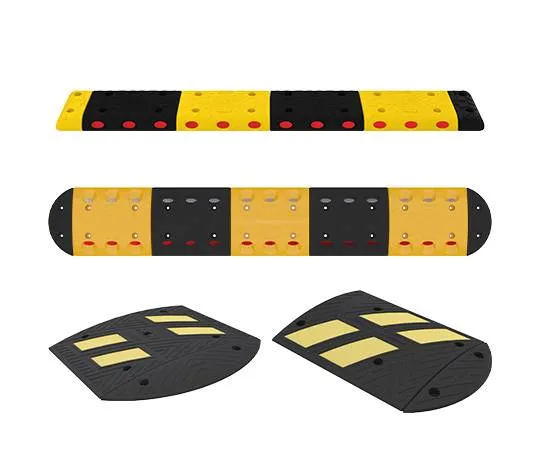
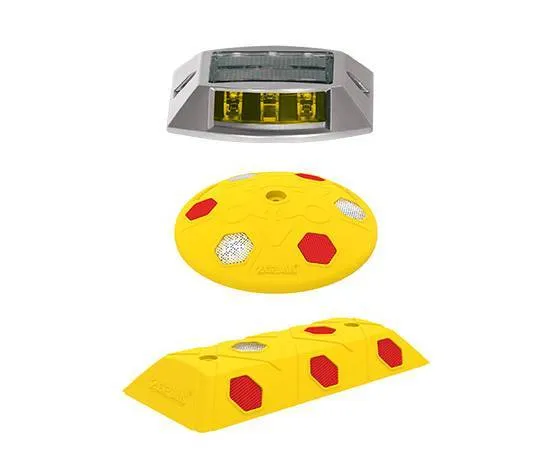
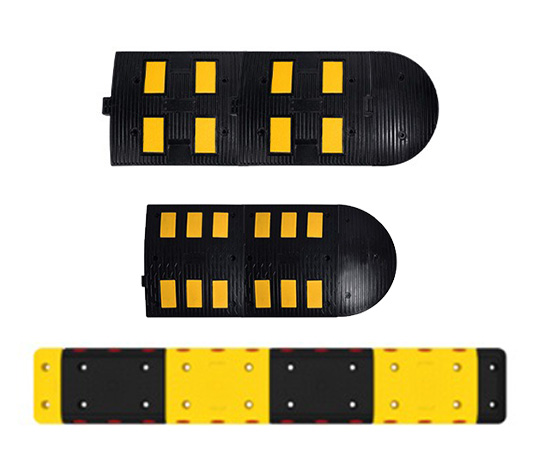
Best-selling Speed Bumps
Protecting road infrastructure
Speed bumps not only serve to increase road safety but also to protect road infrastructure. Vehicles traveling at high speeds on roads can cause significant damage to their surfaces, leading to cracks, potholes, and other deterioration. This is especially true in areas where heavy traffic is constantly present.
By reducing speed, the impact of vehicles on the road is diminished, which means that roads will last longer before needing repairs. Thus, speed bumps also help reduce long-term maintenance costs for road infrastructure.
Types of speed bumps and their applicability
There are several types of speed bumps, each with specific characteristics and uses depending on the needs of the area where they are installed:
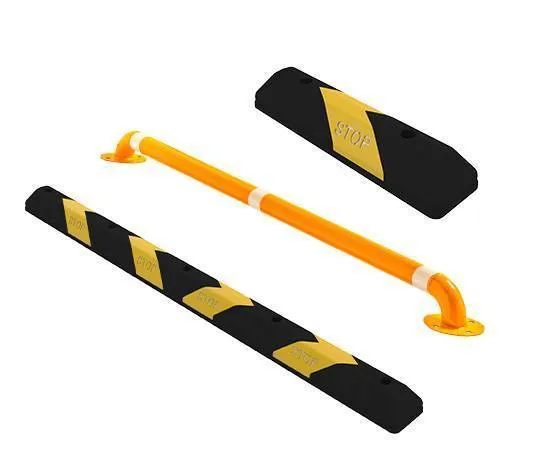
Rubber speed bumps – These are the most commonly encountered and are used on city roads, especially near schools and in residential areas. They are relatively easy to install and can be removed or relocated as needed. Their durability makes them an effective option for speed control in urban environments.
Temporary speed bumps – Often used in areas where construction work is taking place or on temporarily closed roads, these provide a flexible solution for managing speed temporarily. They are usually made of rubber or plastic materials and can be installed and removed quickly.
Infrastructure-integrated speed bumps – These are permanent bumps made of asphalt or concrete, installed on public roads as part of their initial construction. They are used on heavily trafficked roads or highways where a constant reduction in speed is necessary.
Speed bumps and their impact on driver comfort
Although speed bumps are essential for road safety, they can affect driver comfort. Many drivers view speed bumps as an inconvenience, especially when they are not properly signaled or when they are placed excessively along a route.
It is important for speed bumps to be installed strategically in areas where speed reduction is truly necessary. Proper signaling and their visibility are also key factors in ensuring that drivers notice them in time and are not caught off guard, which could lead to sudden braking and discomfort.
Conclusion
Speed bumps are an essential tool in managing road safety and protecting infrastructure. They contribute to reducing accidents, protecting pedestrians, and extending the lifespan of roads. Although they may affect driver comfort, the long-term benefits are significant, both in terms of safety and financial resource savings for infrastructure maintenance. Their proper implementation, along with clear signaling, will help create a safer road environment for all traffic participants.