




Speed bumps: An essential tool in managing urban traffic
In a world where urbanization and mobility are becoming increasingly complex, effective traffic management is essential for the safety and comfort of citizens. Speed bumps are one of the most commonly used solutions to control vehicle speed on public roads, and their impact on road safety and urban quality of life is significant. In this article, we will explore the importance of speed bumps, the types available, and how they contribute to a safer urban environment.
The importance of speed bumps
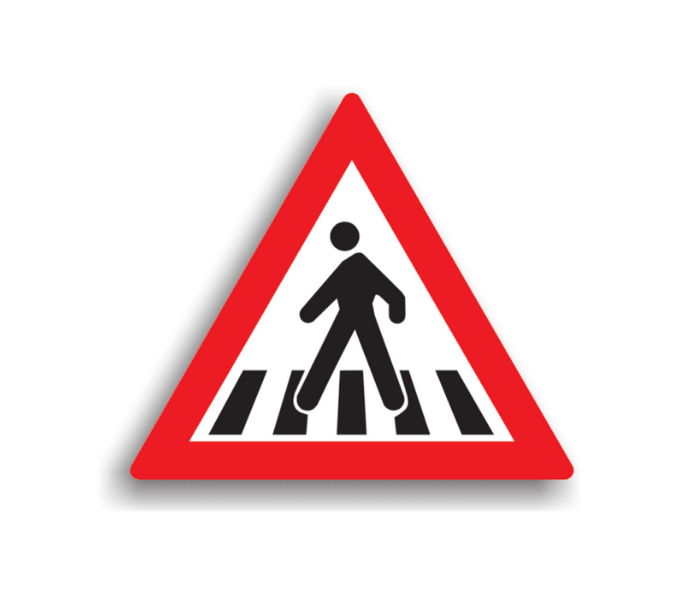
Speed bumps are designed to reduce vehicle speed in certain areas, thereby helping to prevent road accidents. They are frequently used near schools, parks, residential neighborhoods, and other areas with high pedestrian traffic. By limiting speed, speed bumps help create a safer environment for all road users.
Additionally, speed bumps improve driver behavior, encouraging them to be more attentive and responsible. This is essential in areas where children or elderly individuals are more susceptible to accidents.
Types of speed bumps
There are various types of speed bumps, each with specific characteristics adapted to different traffic conditions:
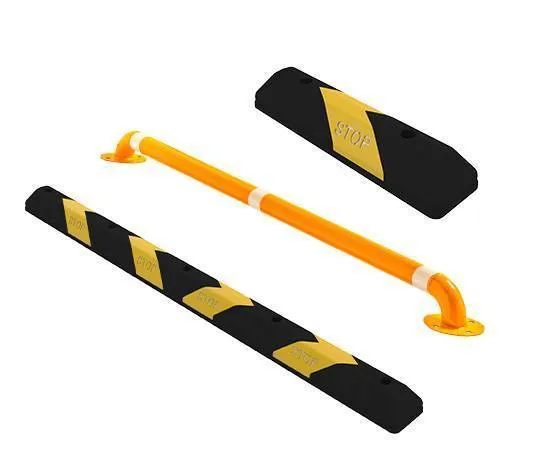
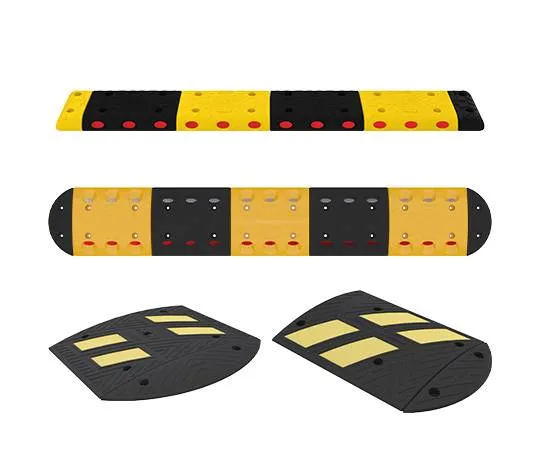
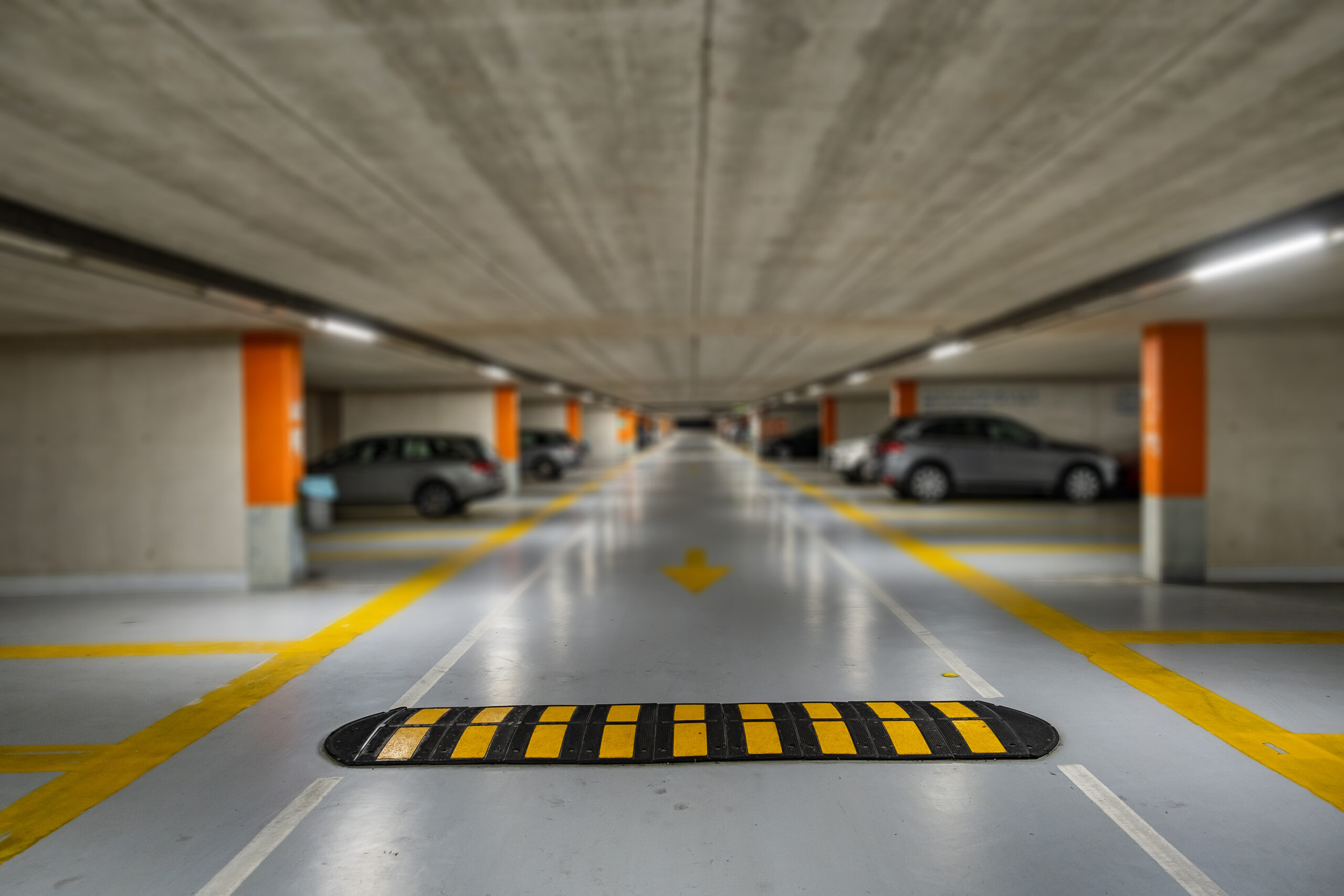
Rubber speed bumps: These are very versatile and easy to install. They are typically used in residential areas, parking lots, or near schools. Rubber provides an elastic material, which reduces the impact on vehicles, as well as the risk of damage to them.
Concrete speed bumps: These speed bumps are more robust and are often used in areas with heavy traffic. They are resistant to extreme weather conditions and the weight of heavy vehicles, making them ideal for national roads or near busy intersections.
Smart speed bumps: These innovative solutions use modern technology to monitor vehicle speed and provide feedback to drivers. For example, some speed bumps can be equipped with sensors that detect speed and activate warning lights to alert drivers.
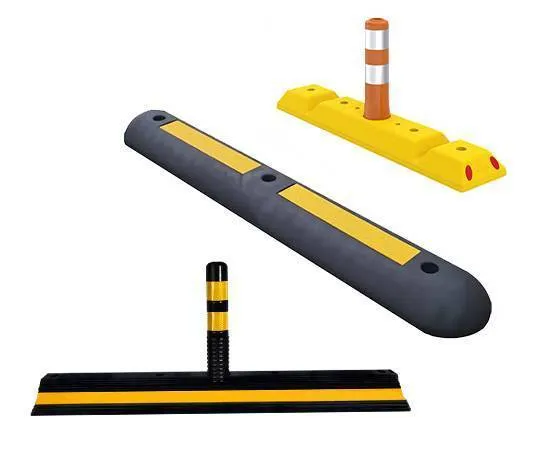
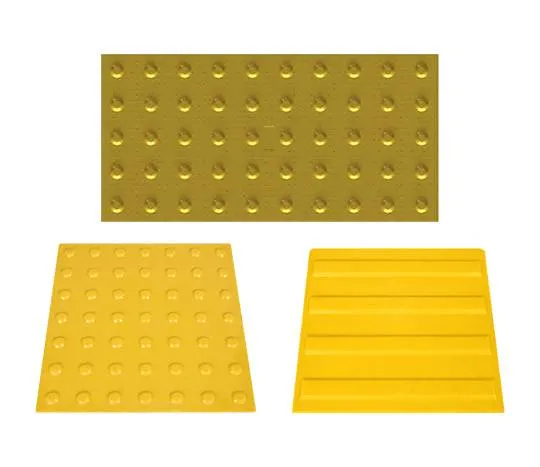
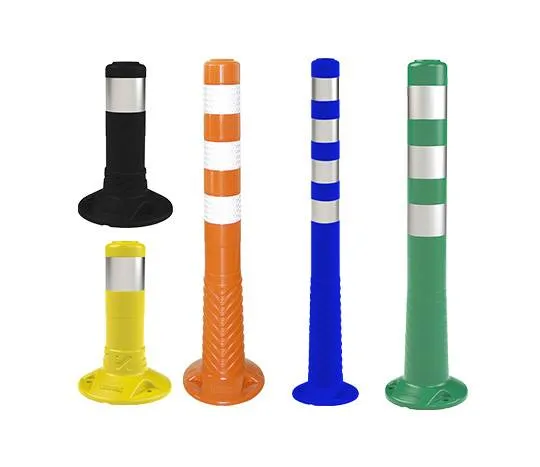
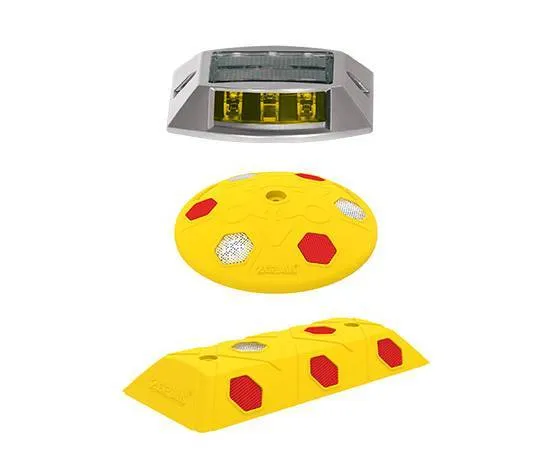
Best-selling Speed Bumps
Impact on communities
The implementation of speed bumps has a profound impact on communities, contributing to the creation of a safer and more pleasant urban environment:
Reduction of accidents: Studies show that areas equipped with speed bumps have a significantly lower number of road accidents. This translates into a reduction in the number of injuries and fatalities, which is a priority for any community.
Improvement of quality of life: Speed bumps contribute to creating a more pedestrian-friendly urban environment. Residents feel more comfortable walking, biking, or participating in community activities, knowing that the road is safe.
Increase in property values: A community that prioritizes road safety can attract more buyers and renters. An area perceived as safe tends to have higher property prices, benefiting both homeowners and real estate developers.
Conclusion
Speed bumps are more than just simple obstacles on the road; they represent an essential tool for traffic management and ensuring road safety. By reducing vehicle speed, these solutions help prevent accidents, protect pedestrians, and improve the quality of life in urban communities. It is imperative that cities and local authorities invest in the necessary infrastructure to implement these measures, thereby ensuring a safer and healthier future for all citizens.