
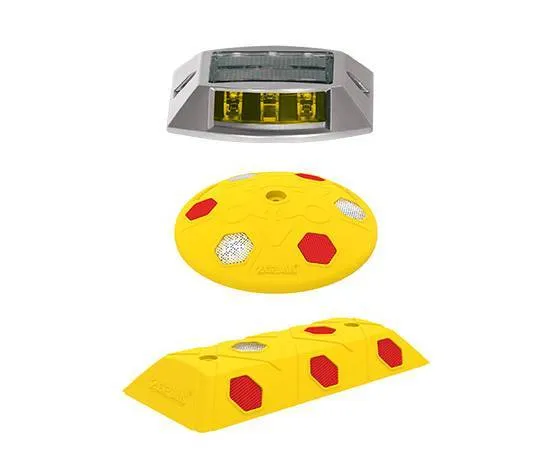
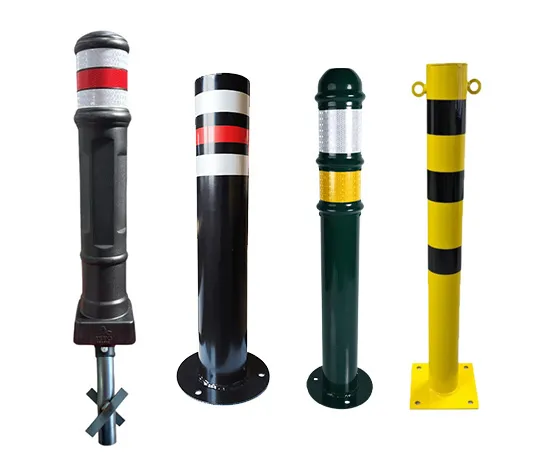
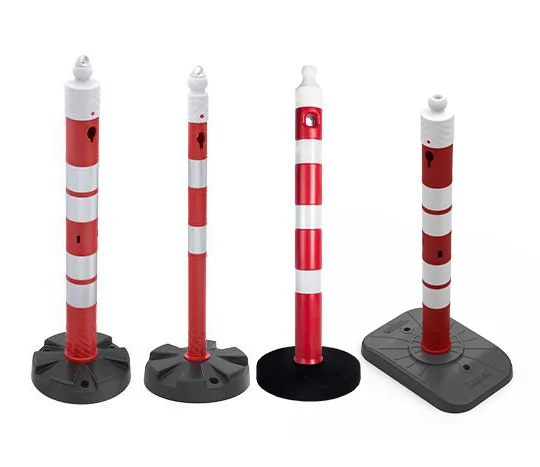
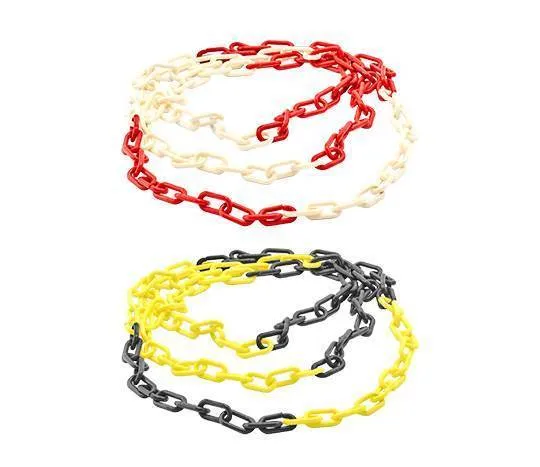
Road markings play a vital role in maintaining traffic safety and organization. Among the most durable and effective solutions available on the market are the two-component road markings, an advanced system that offers increased resistance and improved performance in heavy traffic conditions. In this article, we will explore the benefits and characteristics of two-component road markings, why they are preferred in infrastructure projects, and how they contribute to road safety.
1. What are two-component road markings?
Two-component road markings are made from two main components: a resin and a hardener. These are mixed before application to form a durable layer that is resistant to wear and weather conditions. The two-component system is particularly used on heavily trafficked roads, highways, parking lots, and intersections, where high resistance over time is required.
Due to their chemical composition, two-component markings provide excellent adhesion to the road surface and can withstand constant traffic without deteriorating quickly. Compared to conventional road paints, two-component markings are much more durable and require less maintenance, making them a long-term investment for road infrastructure projects.
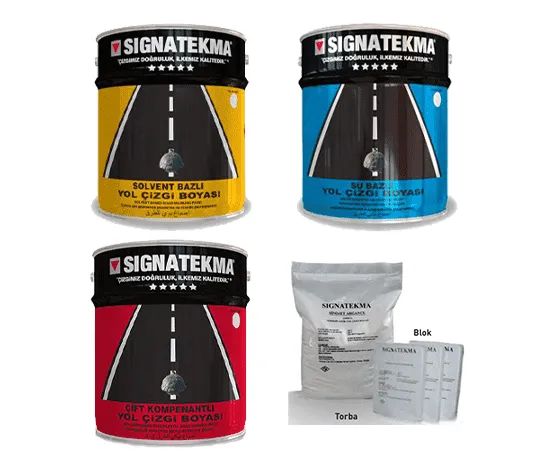
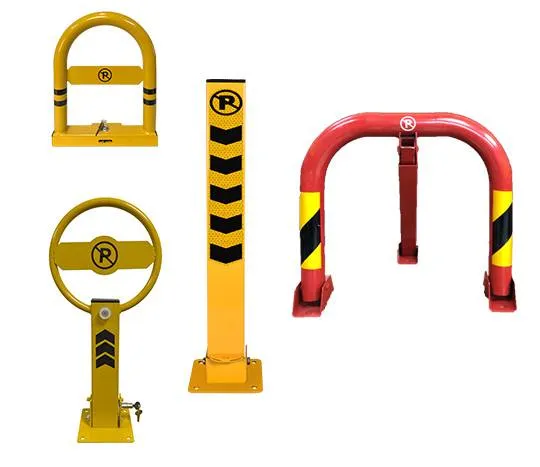
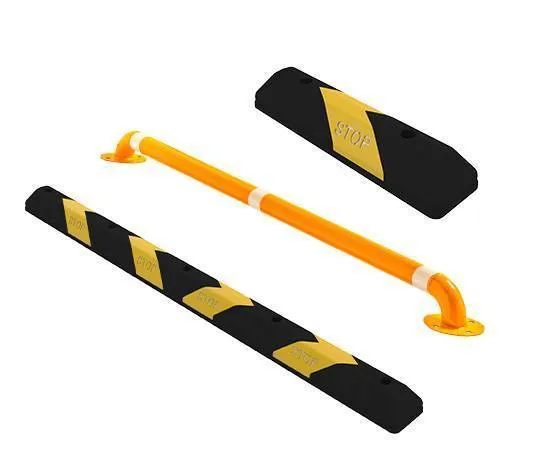
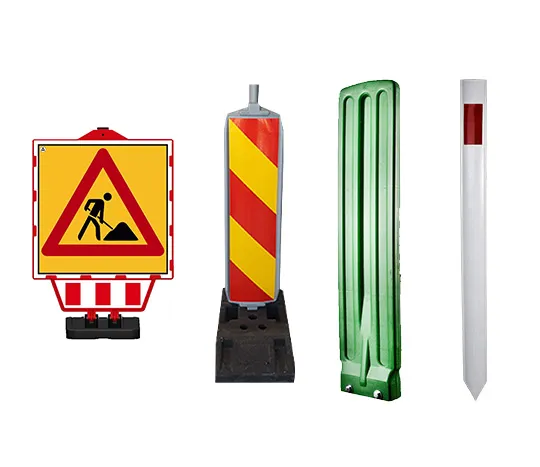
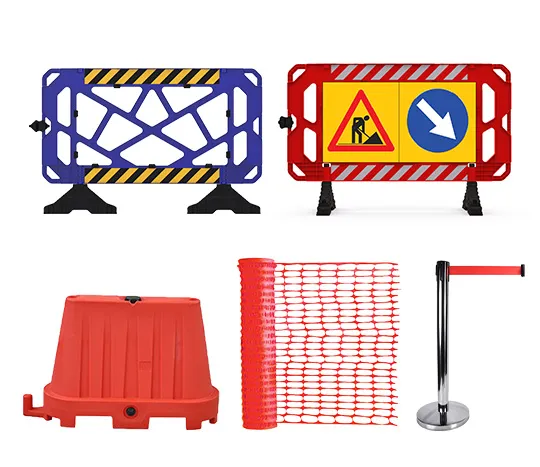
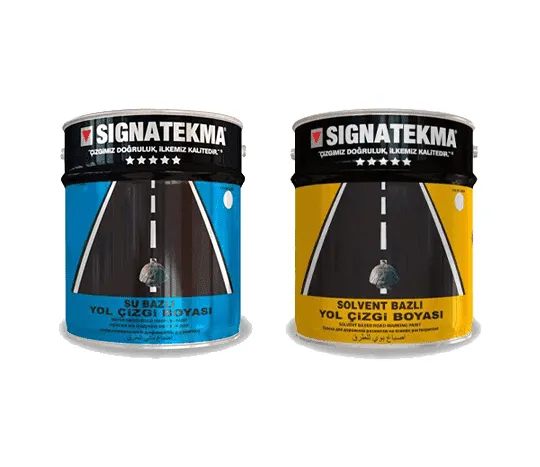
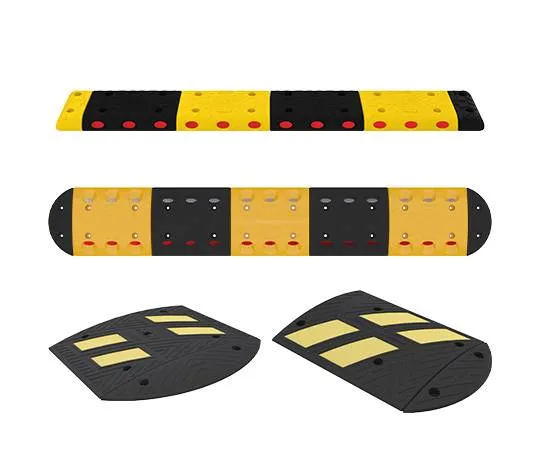
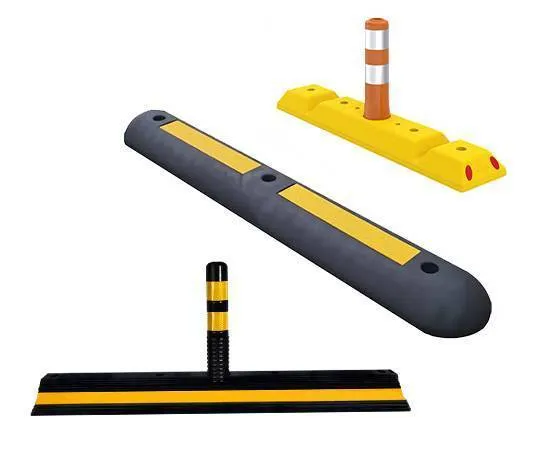
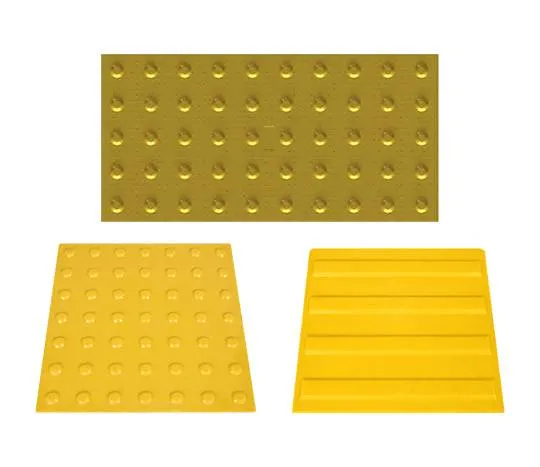
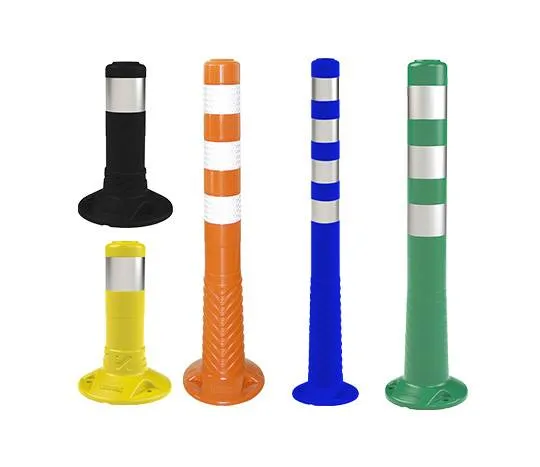
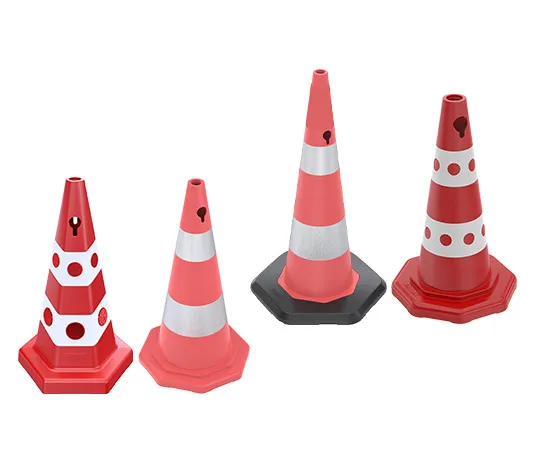
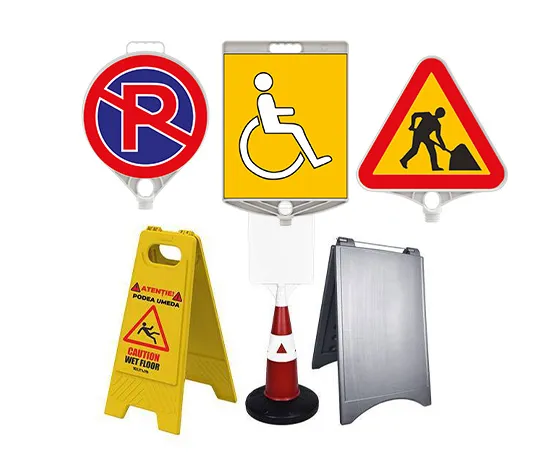
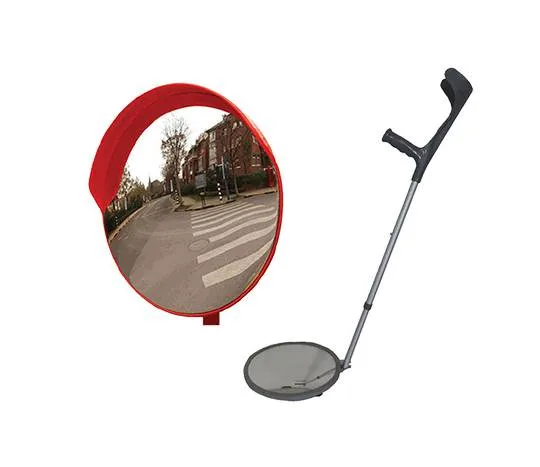
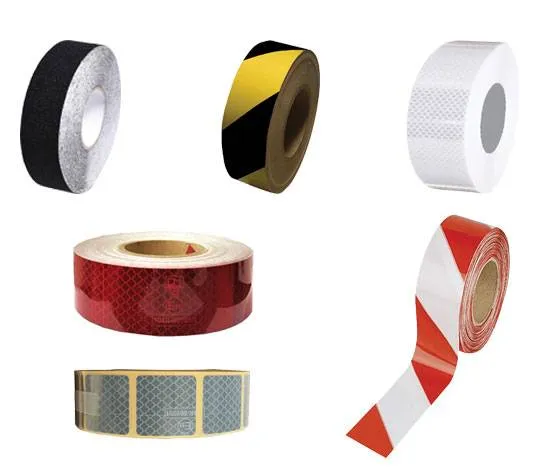
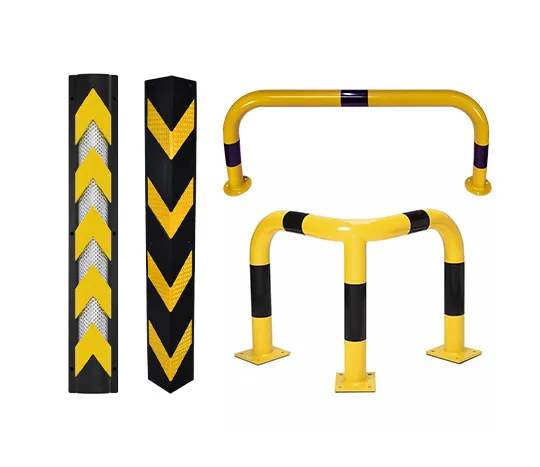
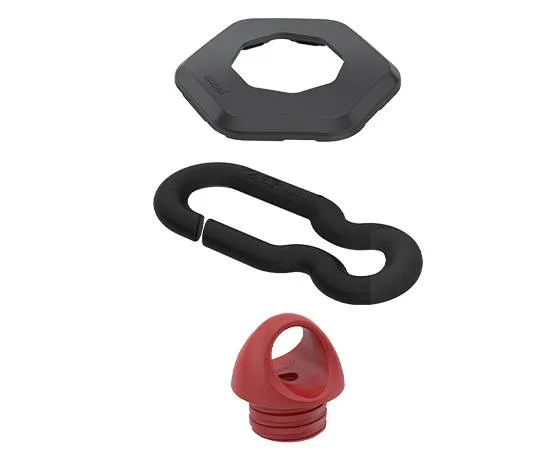
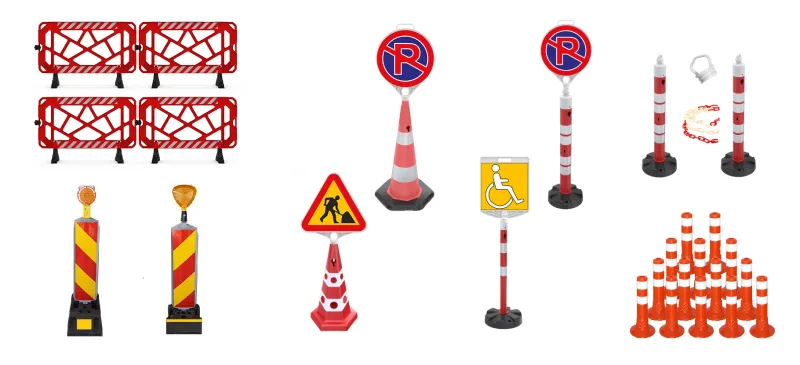
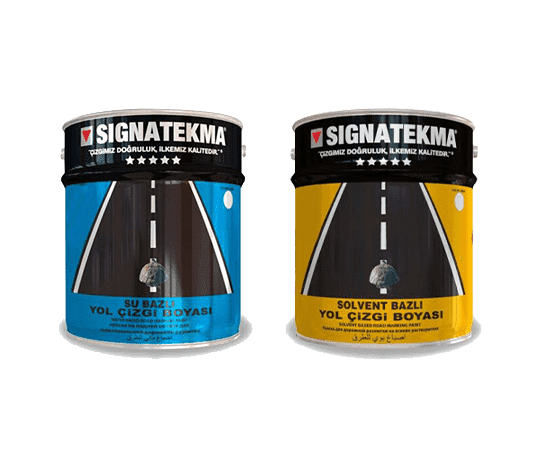
Best-selling Two-Component Road Marking Products
2. Advantages of using two-component markings
Two-component road markings offer a series of advantages that make them preferred in many heavy traffic situations:
Increased durability: Due to their chemical formula, two-component markings are much more resistant to abrasion, wear, and environmental factors than traditional road paints. They maintain their visibility and effectiveness even after prolonged exposure to extreme weather conditions, such as rain, snow, or strong sunlight.
Excellent adhesion: Two-component markings bond strongly to the road surface, providing superior adhesion. This is essential in areas with heavy traffic, where road markings are subjected to constant pressure from vehicles.
Resistance to chemicals: Another advantage of two-component markings is their resistance to chemicals, such as oils, fuels, and other liquids that may come into contact with the road surface. This makes the markings less susceptible to degradation and helps them maintain their properties over time.
Improved visibility: Two-component markings can be equipped with reflective microbeads, ensuring excellent visibility at night or in low visibility conditions. This contributes to road safety, allowing drivers to correctly observe and follow the markings on the roadway.
3. Where are two-component road markings used?
Due to their durability and efficiency, two-component markings are used on a variety of surfaces and roads. The main application areas include:
Highways and roads with heavy traffic: Two-component markings are ideal for highways and main roads, where constant traffic and high speeds require the use of durable materials. These markings ensure excellent visibility and long-term durability, thus reducing the need for frequent maintenance.
Intersections and pedestrian crossings: Areas with heavy vehicle and pedestrian traffic, such as intersections and pedestrian crossings, benefit from the use of two-component road markings, which offer greater wear resistance and a clear contrast between different road elements.
Industrial areas and parking lots: In areas where heavy vehicles or industrial machinery are frequently used, two-component markings are essential to withstand the pressure exerted by their weight.
4. How are two-component road markings applied?
The application process for two-component road markings involves specialized equipment that mixes the resin and hardener at the time of application. These are then evenly distributed on the road surface, where they cure quickly, forming a durable layer. Depending on the project requirements, the markings can be applied manually or with automated equipment, ensuring high precision and uniform coverage.
It is also important that two-component markings are applied on a clean and well-prepared surface to ensure maximum adhesion and durability.