








Road Markings: Aesthetics and Functionality in Urban Infrastructure
Road markings play a crucial role in transportation infrastructure, but they are not just functional; they also have an aesthetic dimension that can influence the perception of a city or community. In this article, we will explore the importance of aesthetics in road markings, how they can enhance the urban environment, and contribute to a pleasant experience for all road users.
Urban Aesthetics and Its Impact
In modern cities, aesthetics play an increasingly important role in urban planning. Road markings, although often perceived only as functional elements, can significantly contribute to the overall appearance of an urban environment. The design of markings can influence how people interact with the space around them, making it friendlier and more pleasant.
For example, a city that uses vibrant colors and attractive patterns for its road markings can create a positive atmosphere. This not only improves the aesthetic appearance of the roads but can also stimulate a sense of community and belonging.
Creating Local Identity
Road markings can also contribute to the creation of a unique local identity. Each city or region can adopt a specific style of markings that reflects the culture, traditions, and values of the community. These markings can include local symbols, representative colors, or even innovative shapes that highlight the distinctive characteristics of the area.
By integrating elements of identity into road markings, cities can create a sense of belonging and pride among residents. This can also encourage tourism, with visitors being attracted to the uniqueness and urban beauty of the city.
Safety and Aesthetics: An Essential Combination
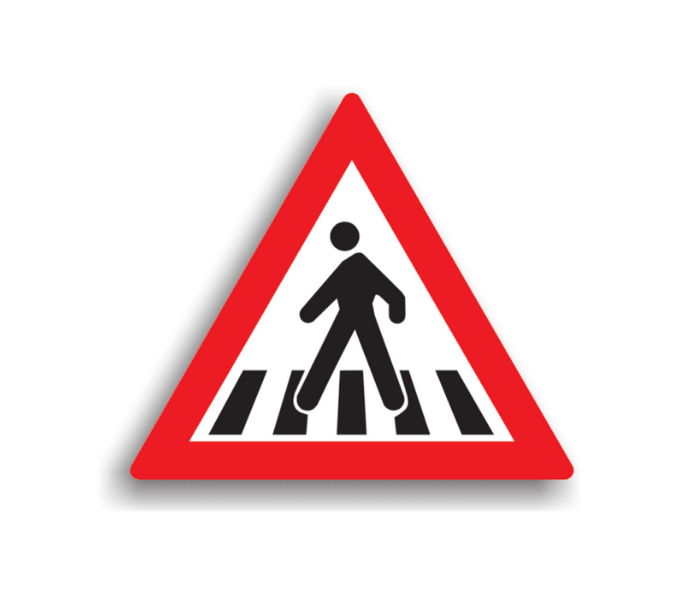
Another important aspect is that aesthetics should not compromise functionality. Road markings must be designed to be not only attractive but also effective in communicating essential information to road users. For example, a pedestrian crossing can be decorated with artistic motifs, but it must remain clearly defined and easily recognizable by drivers.
The use of contrasting colors and smart design can help maintain this balance between aesthetics and functionality. Additionally, modern technology can allow for the customization of road markings, taking into account both aesthetic and practical needs.
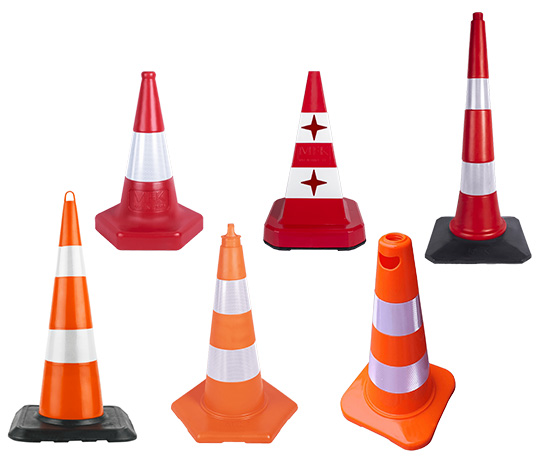
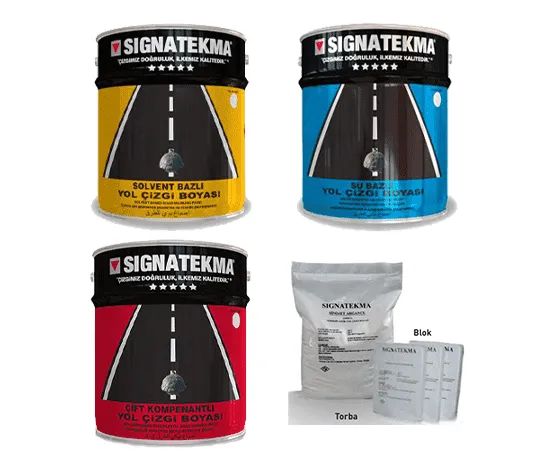
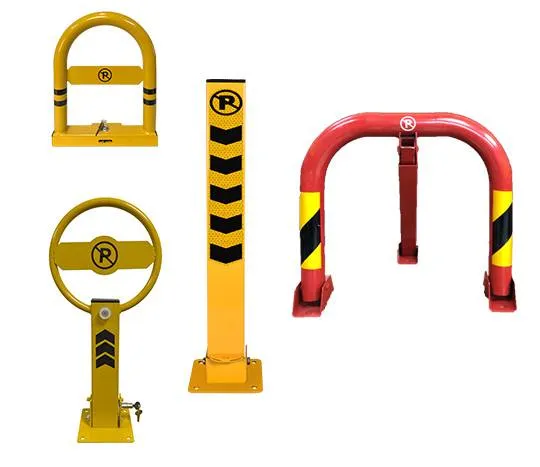
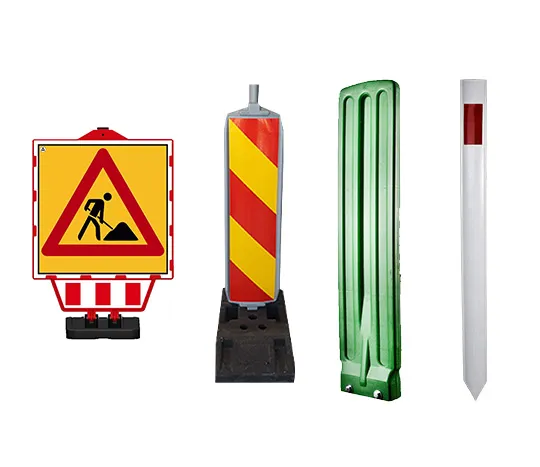
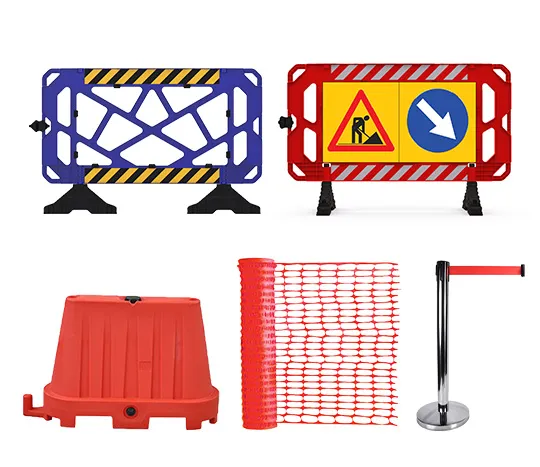
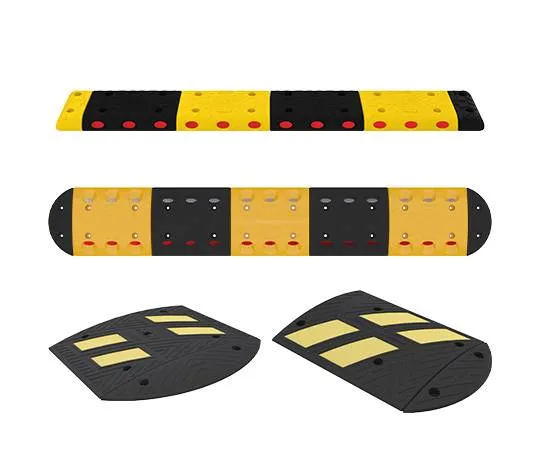
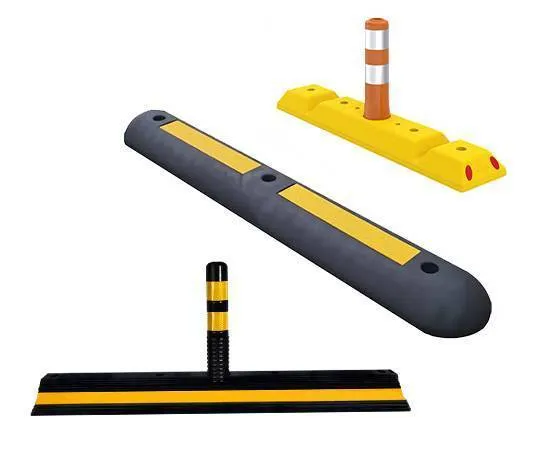
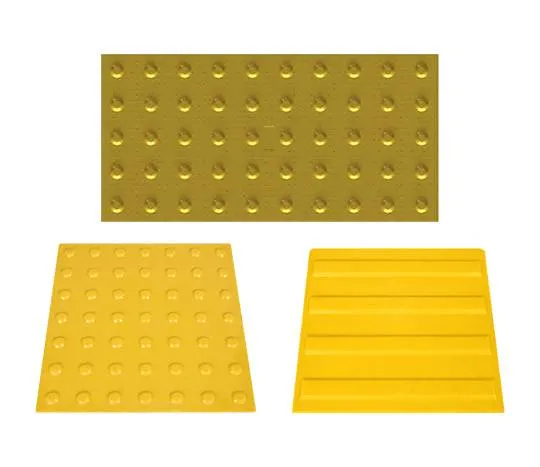
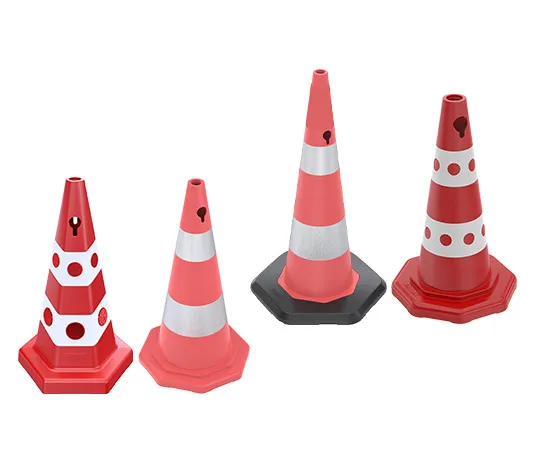
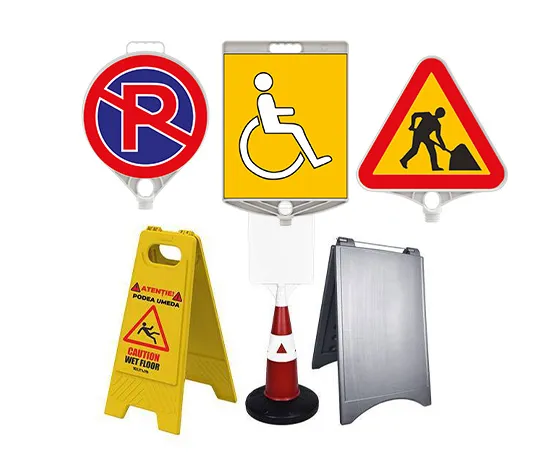
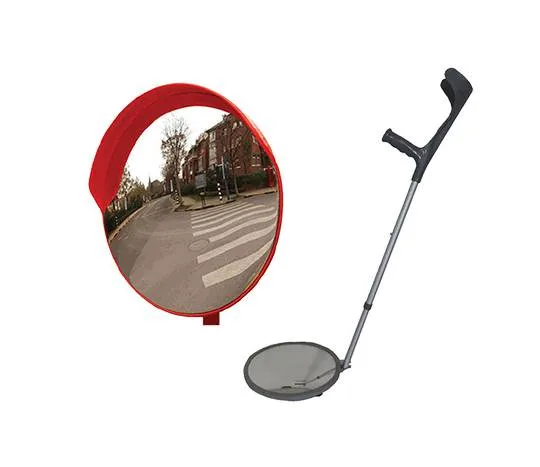
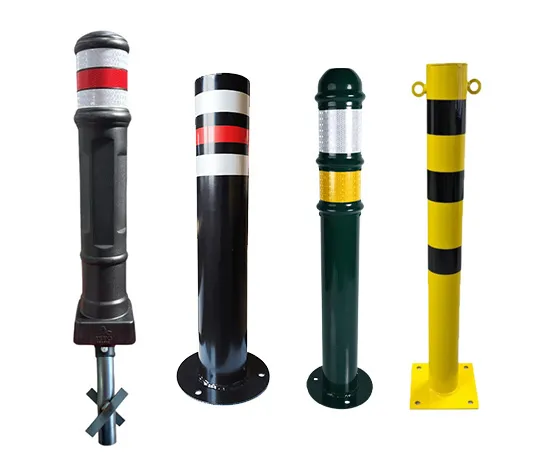
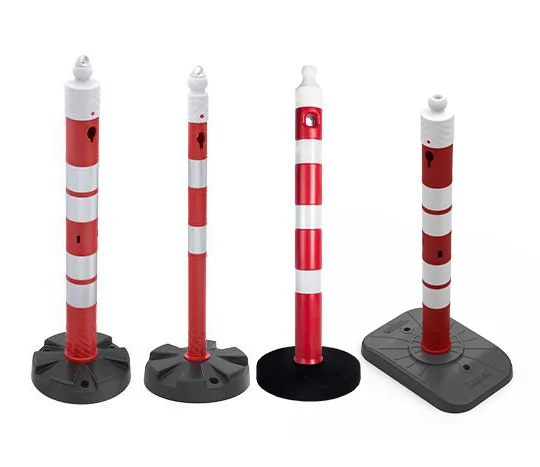
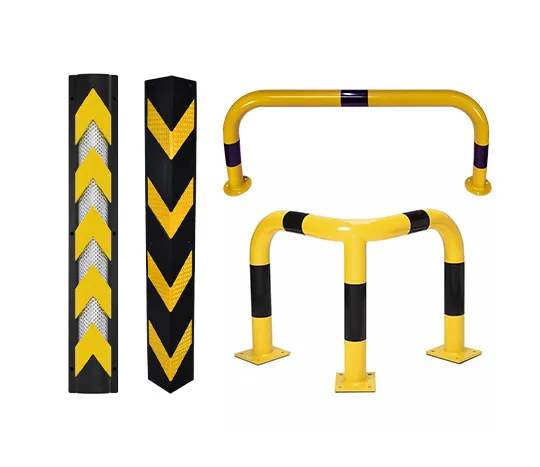
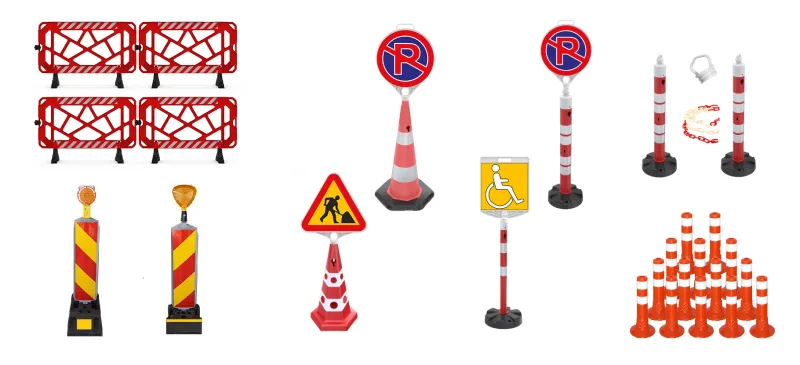
Best-Selling Road Marking Products
Art Projects in Public Spaces
In many cities around the world, road markings have been transformed into works of art. Artistic projects of the "street art" type have been implemented on roads and sidewalks, enhancing not only the aesthetic appearance but also the community's interaction with urban space. These initiatives not only draw attention to safety issues but also stimulate local creativity and citizen engagement.
Such projects can include large murals, funny illustrations, or positive messages that turn roads into an open-air art gallery. This type of approach encourages communities to get involved and contribute to the improvement of public spaces.
Conclusion
In conclusion, road markings are not just a safety tool but also an essential element of urban aesthetics. By combining functionality with attractive design, cities can create a more pleasant and safer environment for all road users. The importance of local identity and community involvement in creating these markings demonstrates that road infrastructure can be a form of art and a symbol of collective values. As cities continue to evolve, it is crucial to pay attention not only to efficiency but also to the aesthetics of road markings, in order to build more harmonious and attractive communities.