







Road markings and pedestrian safety: A challenge for modern cities
Road safety is a topic of utmost importance in any modern city, and one of the essential elements for protecting road users, especially pedestrians, is represented by road markings. These play a crucial role in traffic organization and accident prevention, clearly delineating spaces designated for different categories of road users. In this article, we will explore the importance of road markings for pedestrian safety and how they contribute to reducing risks in crowded urban areas.
The role of pedestrian crossings in accident prevention
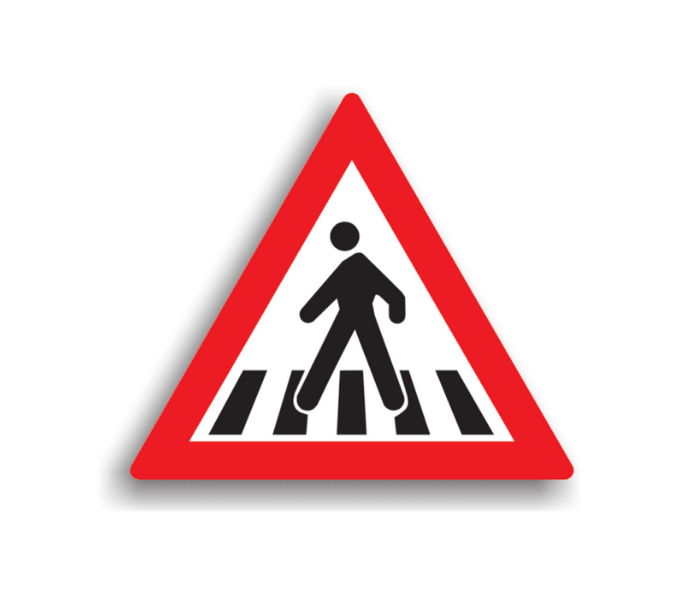
Pedestrian crossings are one of the most well-known and essential types of road markings. They provide a safe space for crossing the road and are particularly important in areas with heavy traffic or near schools, hospitals, and other public institutions. A well-executed and strategically placed road marking significantly reduces the risk of accidents and provides a sense of safety for both pedestrians and drivers.
However, not all pedestrian crossings are equally effective. In the absence of clear visibility or when markings are worn, the danger increases significantly. Therefore, regular maintenance and updating of these markings are essential for road safety. The use of reflective paints or even illuminated pedestrian crossings are modern solutions that help improve visibility, especially at night or in adverse weather conditions.
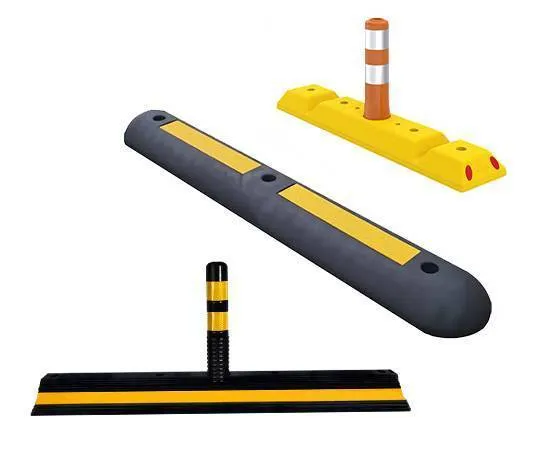
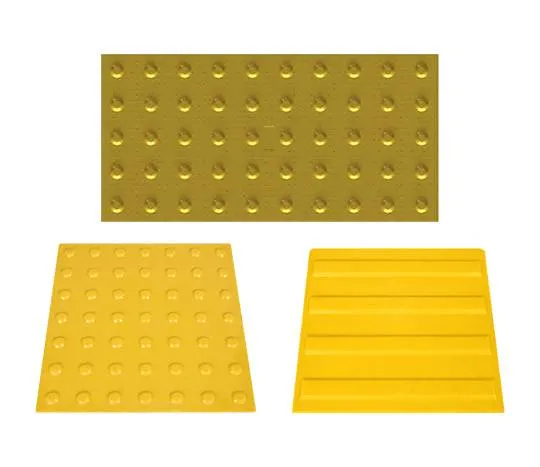
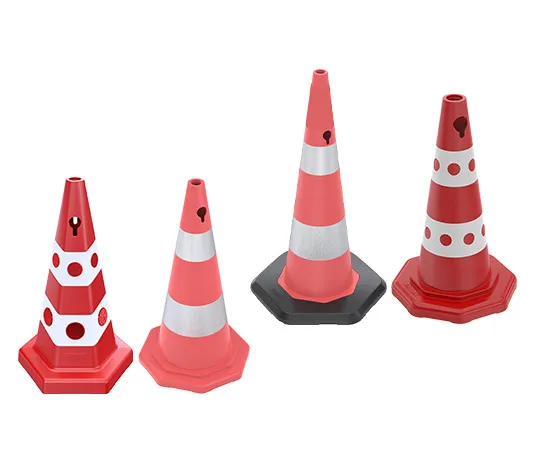
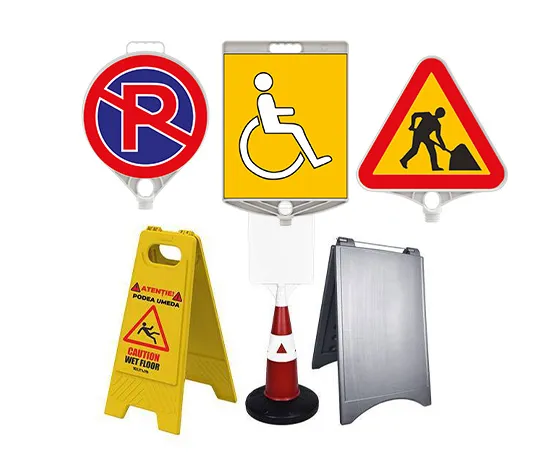
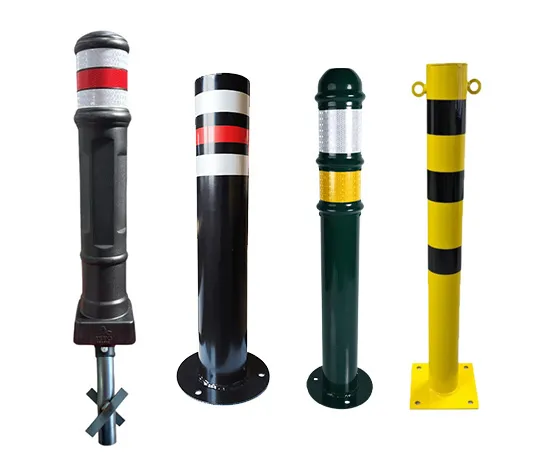
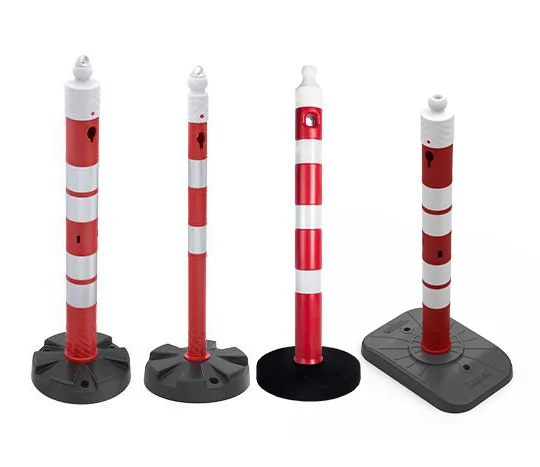
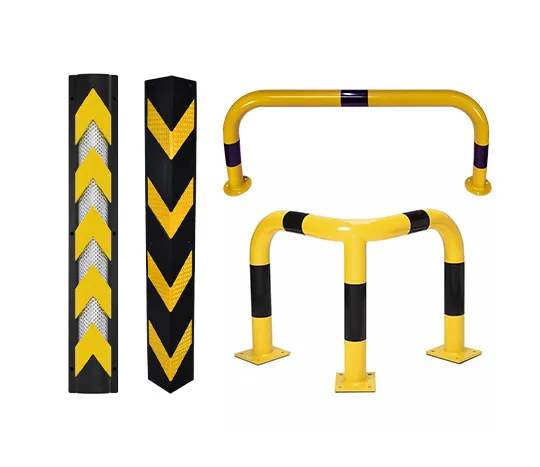
Best-selling Road Marking Products
Innovations in road markings for pedestrian protection
Modern technology has brought innovative solutions in the field of road safety, including regarding road markings. In many cities, 3D pedestrian crossings are now being implemented, creating an optical illusion meant to attract drivers' attention and reduce their speed in dangerous areas. These markings are a creative and effective solution, having a positive impact on driver behavior without the need for additional signs or traffic lights.
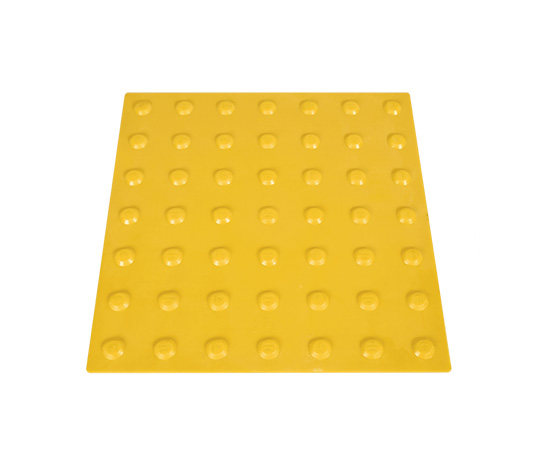
Additionally, tactile markings, which help visually impaired individuals cross safely, represent another important step towards pedestrian safety. These markings are made with special surfaces that can be felt underfoot or with a cane, providing clear orientation for blind or visually impaired individuals.
Traffic lights and the integration of road markings
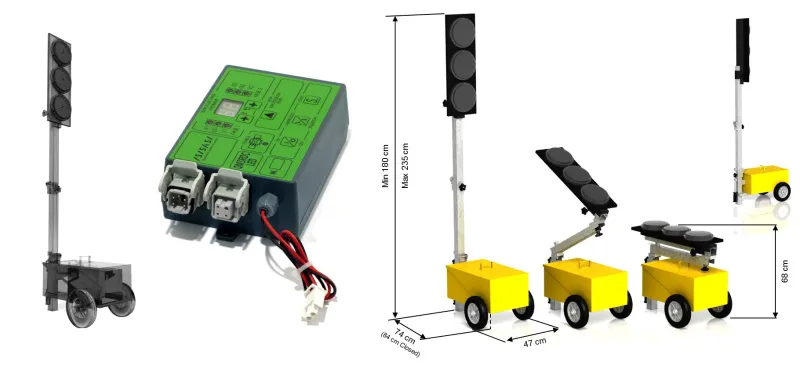
In addition to visual markings on the asphalt, traffic lights play a complementary essential role in pedestrian safety. Busy intersections or those in densely populated urban areas require rigorous traffic management. Combining pedestrian-specific traffic lights with clear and visible markings is essential for safe crossing.
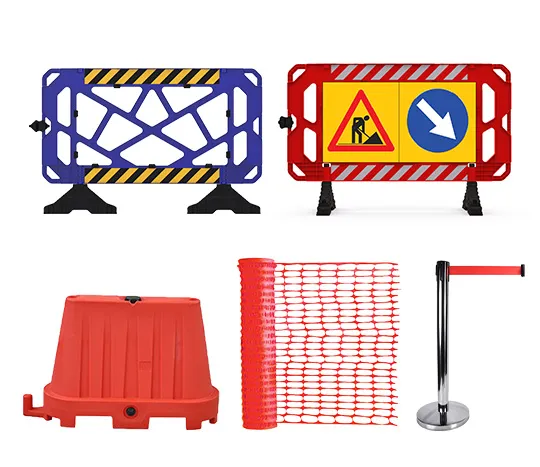
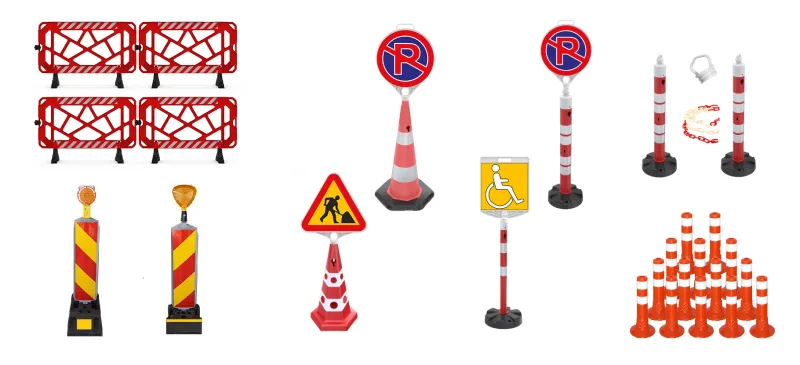
In many cities, to discourage illegal street crossings, markings are combined with additional safety elements, such as protective barriers. These direct pedestrians to safe crossing points and thus reduce the risk of accidents.
Road markings for low traffic areas
Another important aspect of pedestrian safety is represented by low traffic areas, such as residential neighborhoods, parks, or pedestrian zones. In these spaces, road markings are essential for clearly delineating areas designated for vehicles and those intended for pedestrians or cyclists. Markings are used to reduce vehicle speed and create a safe and friendly environment for residents.
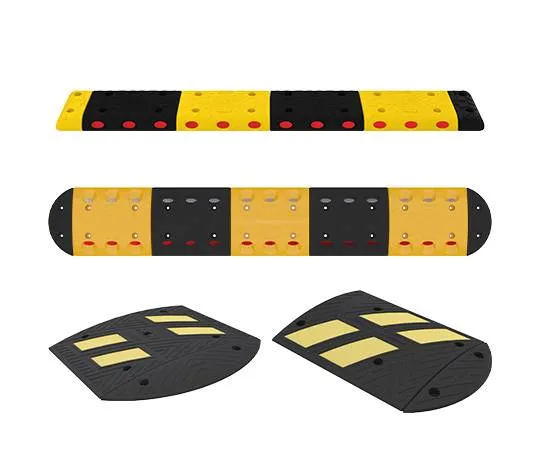
More and more cities are implementing traffic calming measures, such as roundabouts or raising pedestrian crossings to sidewalk level, to force drivers to slow down. These measures not only improve pedestrian safety but also contribute to creating a more pleasant and safer urban space.
Conclusion
Road markings are much more than simple lines drawn on asphalt; they are a vital element for the safety of all road users, especially pedestrians. A well-designed and maintained road infrastructure can save lives by reducing the risk of accidents and creating a safer and better-organized environment. Modern cities must invest in innovative and sustainable solutions to protect pedestrians and ensure smooth and safe traffic.