





Car Stops: Their Role in Proper Management of Parking Spaces and Vehicle Protection
In an increasingly crowded world, where every parking space counts, car stops have become an indispensable necessity in both public and private areas. These seemingly simple devices provide effective solutions for the problems that can arise in managing parking spaces and protecting vehicles. In this article, we will explore how car stops influence the organization of parking lots, prevent vehicle damage, and the overall efficiency of these spaces.
The Importance of Parking Organization
One of the main advantages offered by car stops is their ability to organize parking lots efficiently. Often, drivers are not attentive to the correct distances between vehicles or the space needed for pedestrian access, resulting in irregular parking. Car stops provide a physical barrier that guides drivers to park their vehicles correctly, thus preventing situations where cars block sidewalks, exits, or other vehicles.
These devices are essential especially in large parking areas, such as those of shopping centers or office buildings, where a large number of vehicles must be managed efficiently. With properly placed car stops, the flow of vehicles becomes smoother, and parking spaces are utilized to their maximum capacity, without the risk of creating disorder.
Vehicle Protection
Another essential function of car stops is vehicle protection. In the absence of these stops, drivers might park too close to curbs, walls, or other cars, increasing the risk of scratches and minor dents. By limiting vehicle movement, car stops ensure that each car remains within the allocated perimeter, thus preventing unintended damage that can occur in crowded parking lots.
Additionally, car stops can also protect the infrastructure of parking areas. For example, the walls or fences of underground parking lots or garages are frequently exposed to impacts from vehicles. By installing car stops, these structures are protected, and maintenance or repair costs are significantly reduced.
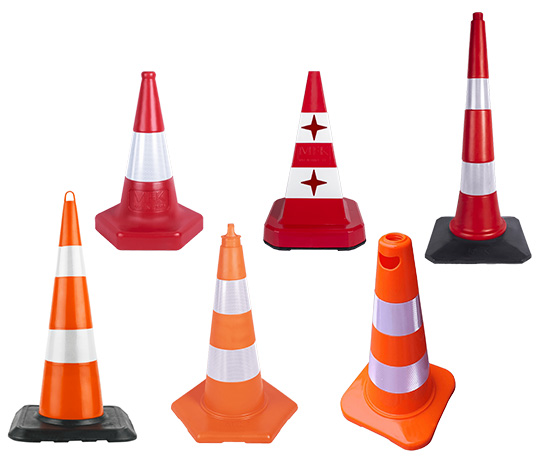
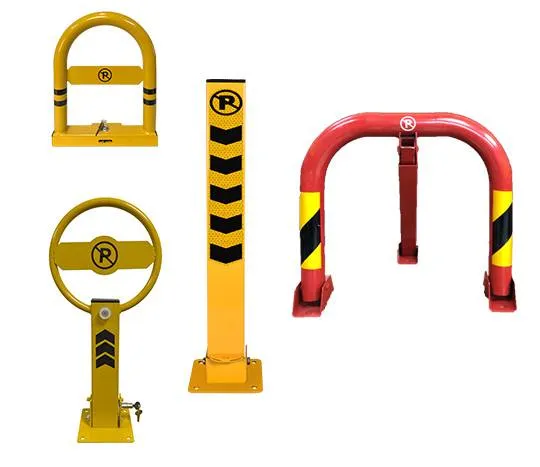
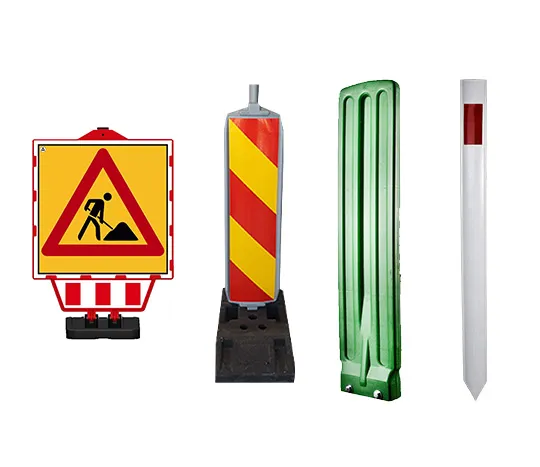
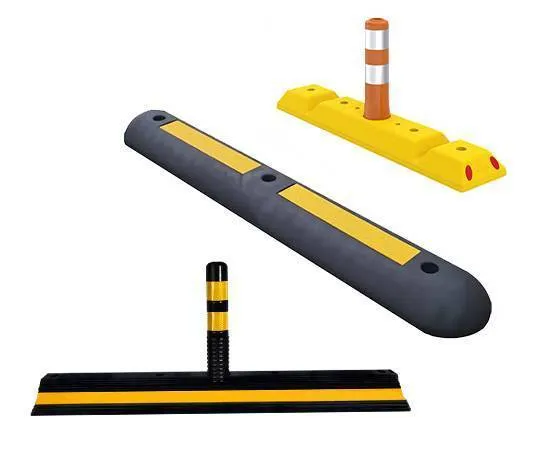
Best-Selling Car Stops
Pedestrian Safety
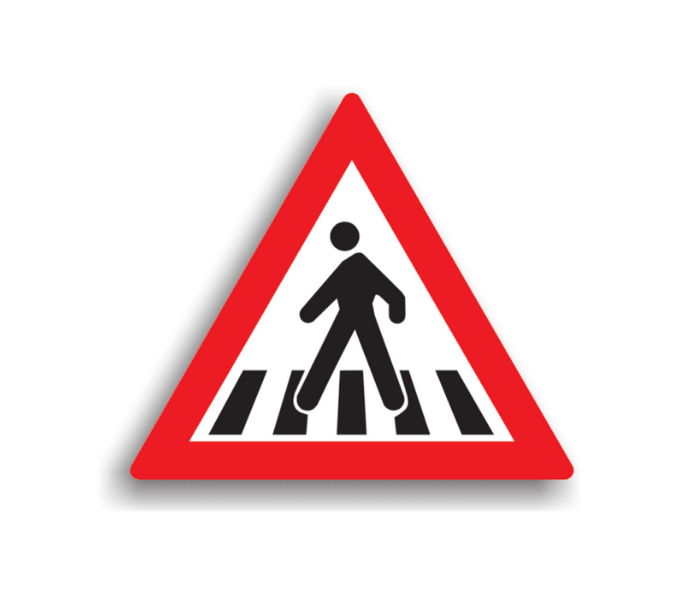
In addition to vehicle protection, car stops also play an important role in pedestrian safety. In many parking lots, pedestrian crossing areas are located near parking spaces. Without a clear delineation between vehicle spaces and pedestrian areas, the risk of accidents increases. Car stops help maintain a safe space for pedestrians, ensuring that cars do not exceed the established limits.
This aspect is especially essential in parking lots of shopping centers or public buildings, where the number of pedestrians and vehicles moving at the same time is high. A correct and visible delineation of spaces contributes to reducing the risk of incidents.
Materials and Durability
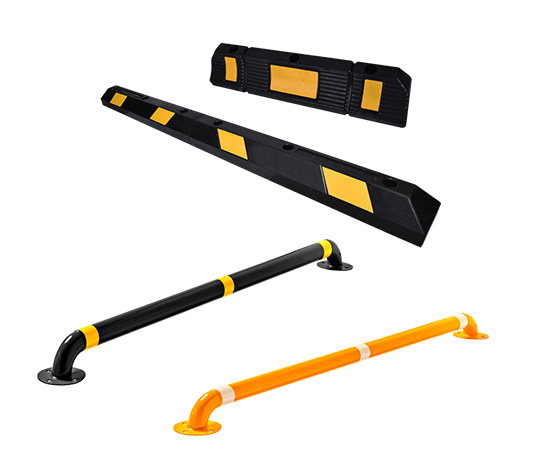
Car stops are made from a variety of materials, each with its own advantages. The most common are those made from recycled rubber, concrete, or metal. Each type of stop has specific characteristics, being chosen based on the needs of each parking space.
- Rubber stops are flexible and absorb impact better, making them ideal for residential parking lots. They are easy to install and do not require complex maintenance.
- Concrete stops are much more robust and are preferred in commercial or industrial parking lots, where they are exposed to heavy traffic and large vehicles.
- Metal stops are a durable option, providing additional protection against wear and being very resistant over time.
Visibility and Efficiency
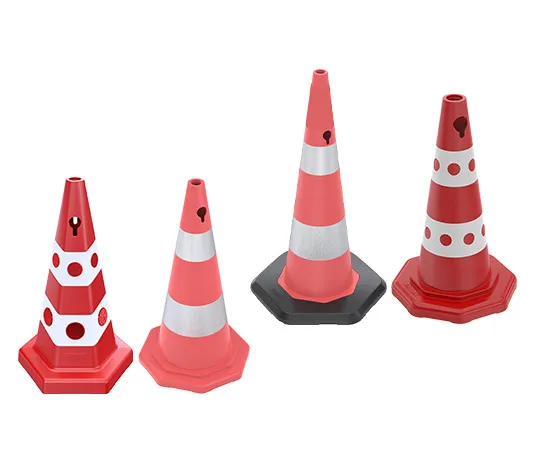
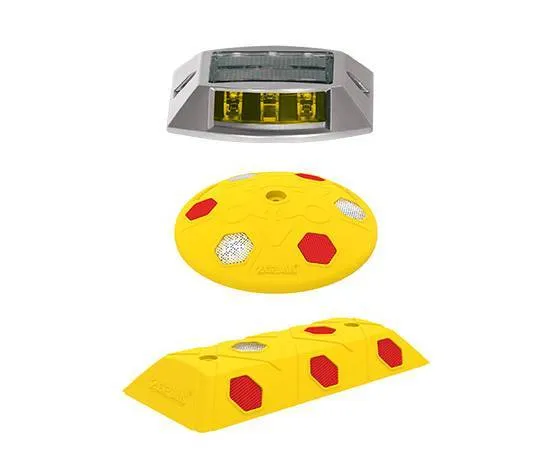
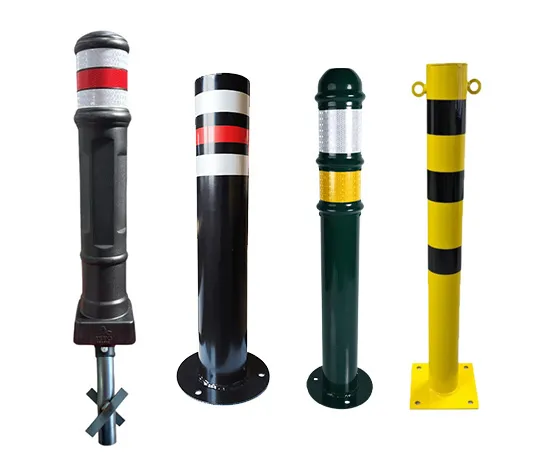
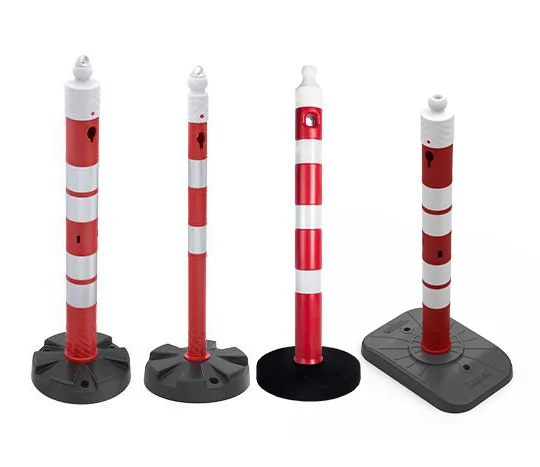
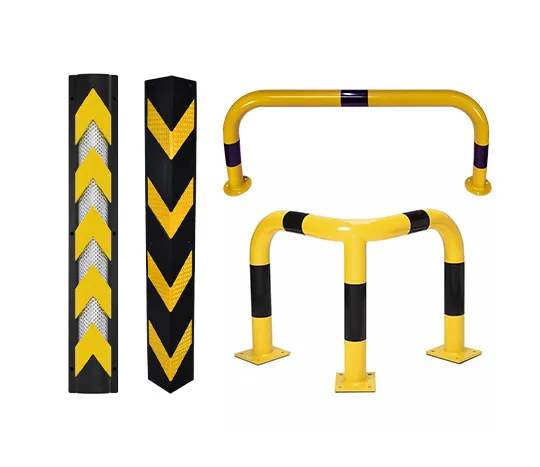
A key aspect in the use of car stops is their visibility. In many situations, drivers may not notice the stops if they are not sufficiently visible, especially at night or in low light conditions. For this reason, modern stops are often equipped with reflective strips or painted in contrasting colors, such as yellow or red, to be easily noticed.
This not only improves overall safety but also contributes to a better experience for parking users, reducing the risk of incidents and ensuring a more organized environment.
Conclusion
Car stops are an essential component of any parking lot, whether we are talking about public or private spaces. They contribute to the efficient organization of parking areas, protect vehicles and infrastructure, and ensure pedestrian safety. The correct choice of materials and the appropriate design for each type of parking is essential to maximize the long-term benefits of these devices.