











Car Stops: Vehicle Safety and Infrastructure Protection
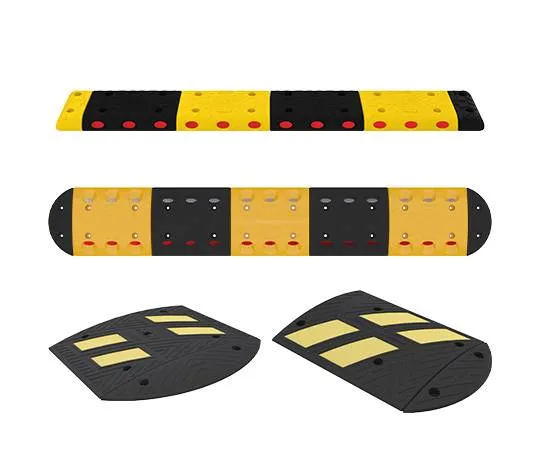
As parking lots become increasingly crowded and urban spaces more limited, car stops play a crucial role in ensuring safe and efficient parking. Car stops not only prevent minor accidents between vehicles but also protect the infrastructure by clearly delineating parking spaces. In this article, we will analyze the importance and functionality of car stops, how they contribute to increasing safety and efficiency in parking areas, and how they influence user experience.
Space Delimitation and Parking Control
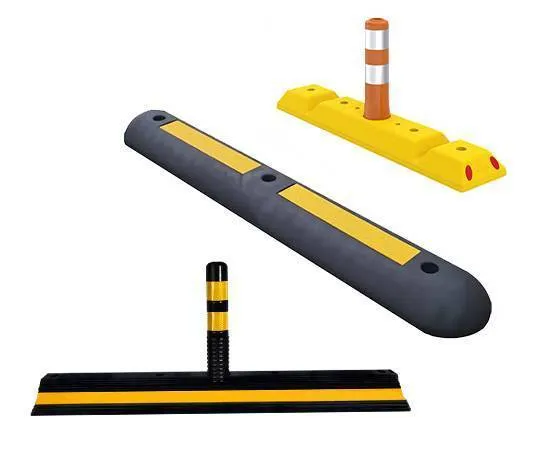
One of the most obvious advantages of car stops is their ability to clearly delineate parking spaces. In large or crowded parking lots, the lack of clear delimitation can lead to improper parking, vehicles parked too close to each other, or even accidents. Car stops provide a physical barrier that prevents the vehicle from exceeding the boundaries of the parking space.
Additionally, they are strategically placed to prevent vehicles from hitting walls, curbs, or other parked cars in front or behind. Thus, car stops offer protection to both vehicles and infrastructure, preventing unintentional damage.
Protecting Public and Private Infrastructure
In underground parking lots or areas where cars are parked close to buildings or other sensitive structures, car stops effectively protect both vehicles and the surrounding infrastructure. Without these stops, drivers may get too close to walls or other obstacles, causing damage to both the vehicle and the respective structure.
For example, in underground garages or parking lots in shopping centers, car stops are installed to prevent drivers from hitting walls or exceeding established limits. Additionally, they protect ventilation equipment, cables, or other systems at floor level that could be accidentally damaged.
Preventing Minor Accidents
Car stops are essential in preventing minor accidents that can occur during parking. In many cases, drivers underestimate the distance between their vehicle and the one parked in front or behind, which can lead to minor collisions. Although these accidents are usually not serious, they can cause scratches, dents, or even more significant damage if the impact is strong enough.
By installing car stops, drivers have a clear indication of when to stop, thus preventing possible collisions. These stops help maintain a safe space between vehicles, reducing the risk of damage while simultaneously increasing the comfort and safety of parking.
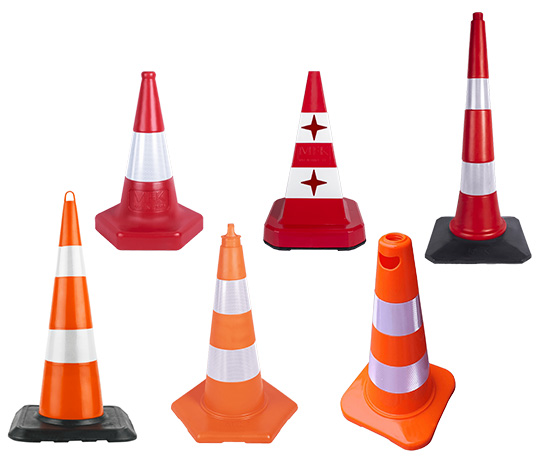
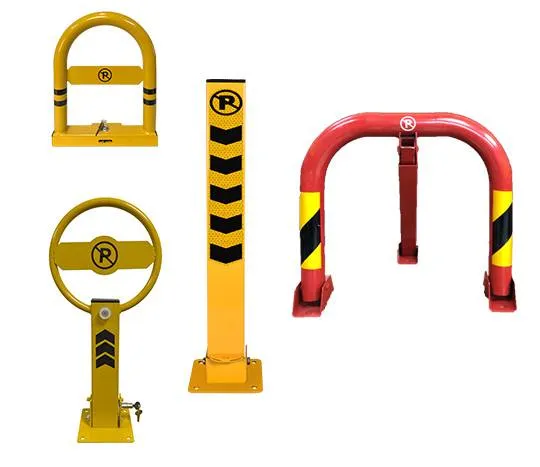
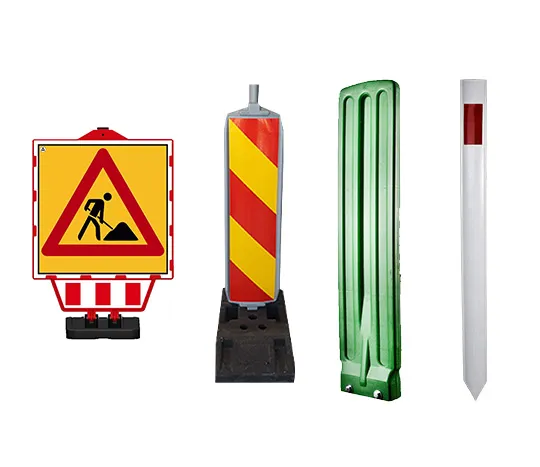
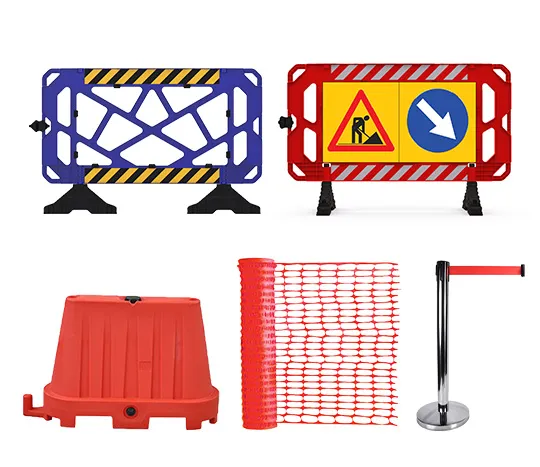
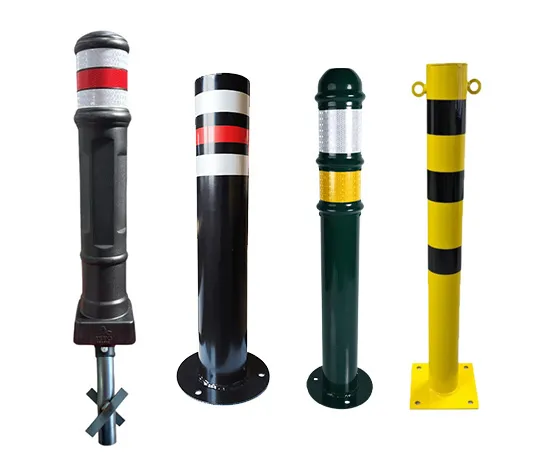
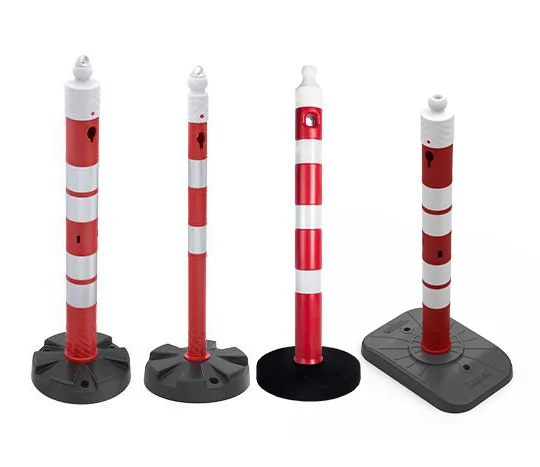
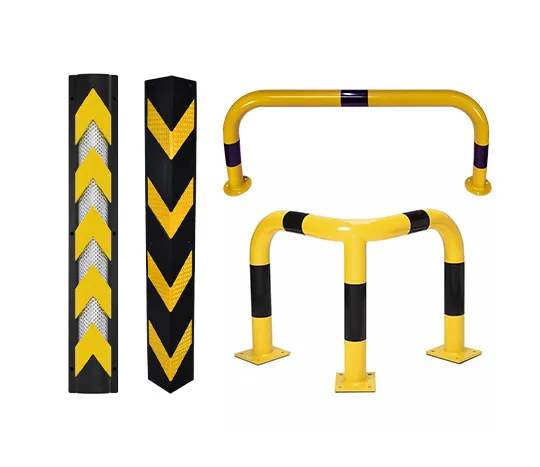
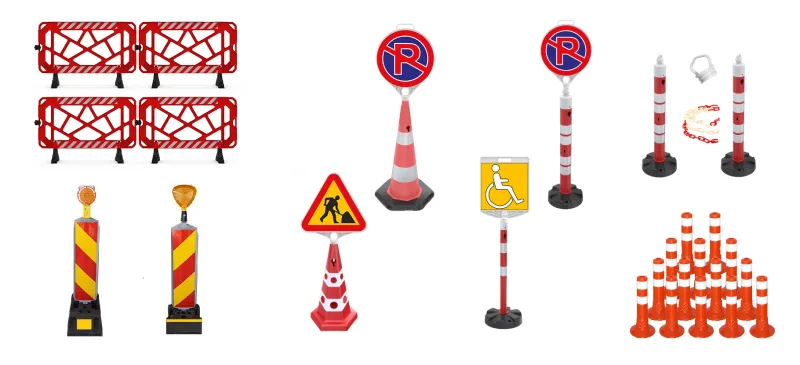
Best-Selling Car Stop Products
Economic and Maintenance Benefits
Car stops not only enhance safety in parking lots but also have a significant economic impact. Each minor accident caused by the lack of stops can lead to additional costs for vehicle or infrastructure repairs. Over time, these costs can become significant, especially in public or commercial buildings where the number of vehicles is high.
Moreover, car stops are relatively inexpensive and easy to install, making them an ideal solution for both public and private parking lots. Their installation reduces the need for frequent repairs to infrastructure and minimizes damage to vehicles, thus saving money for both vehicle owners and building managers.
A Sustainable and Eco-Friendly Solution
Many car stops are made from durable and environmentally friendly materials, such as recycled rubber. These materials not only provide enhanced resistance to wear and weather but also contribute to environmental protection efforts. Choosing stops made from recycled materials is a small yet significant step towards more sustainable management of urban spaces and parking lots.
Recycled rubber stops, for example, are impact-resistant and weatherproof, having a long lifespan, making them an ideal solution for parking areas. They are also flexible and can be adapted to various types of surfaces, whether asphalt, concrete, or paving.
Conclusion
Car stops play an essential role in ensuring safety and protection in parking lots, providing a simple and effective solution for delineating spaces, preventing accidents, and protecting infrastructure. Additionally, they are a sustainable solution with minimal environmental impact, contributing to reduced maintenance and repair costs for both vehicles and buildings. Investing in car stops is not only a safety measure but also an economic and ecological responsibility.