













Car Stops: The Ideal Solution for Eco-Friendly and Sustainable Parking
In recent years, as environmental concerns have grown, more and more sectors have begun to seek eco-friendly and sustainable solutions. In this context, even parking lots have come under the attention of those promoting environmental protection. Although it may seem like a minor detail at first glance, car stops can play a significant role in creating greener and more environmentally friendly parking spaces.
Recycled Material Stops: Environmental Impact
A growing trend is the use of stops made from recycled materials, such as reclaimed rubber. These products not only fulfill the classic functions of car stops – preventing collisions with walls, curbs, or other vehicles – but also bring important benefits to the environment. By using recycled materials, the amount of waste sent to landfills is reduced, thus contributing to a decrease in the negative impact on the environment.
Another advantage is the durability of these stops made from recycled rubber. Unlike those made from concrete or metal, rubber stops are much more resistant to shocks and do not require frequent repairs or replacements, which reduces resource consumption in the long run.
“Green” Parking Lots and Car Stops
Car stops play an important role in modern parking lots, especially those that try to integrate natural elements into their design. Green parking lots, which include vegetation and permeable surfaces to reduce the heat island effect and promote water infiltration into the soil, need well-thought-out solutions to prevent damage caused by vehicles.
By installing stops in strategic areas, parking lots can be organized in such a way as to protect not only vehicles but also green spaces. In many cases, stops are placed at the edge of parking spaces to prevent cars from driving onto the lawns or gardens surrounding the parking lot. Thus, these green areas are protected from accidental destruction.
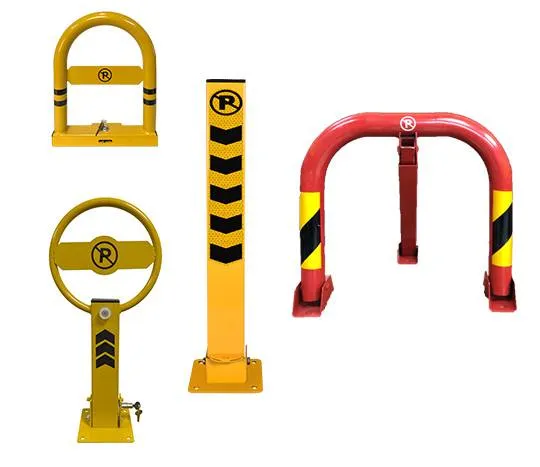
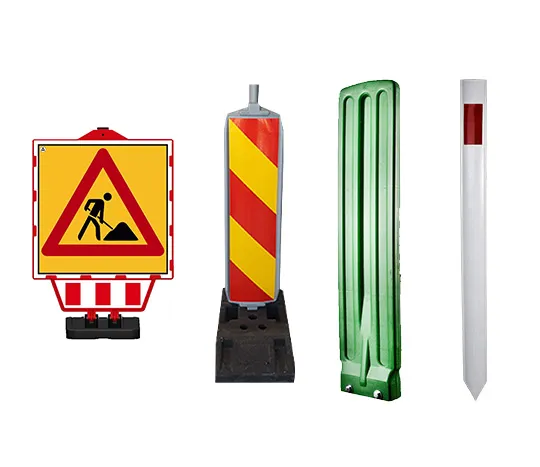
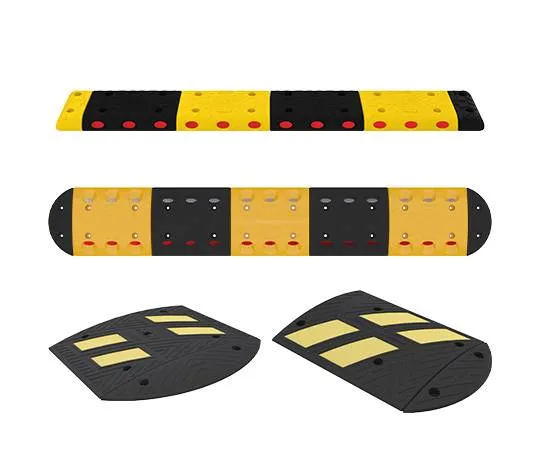
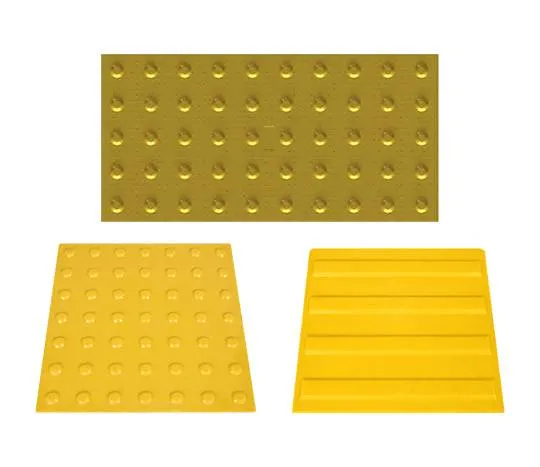
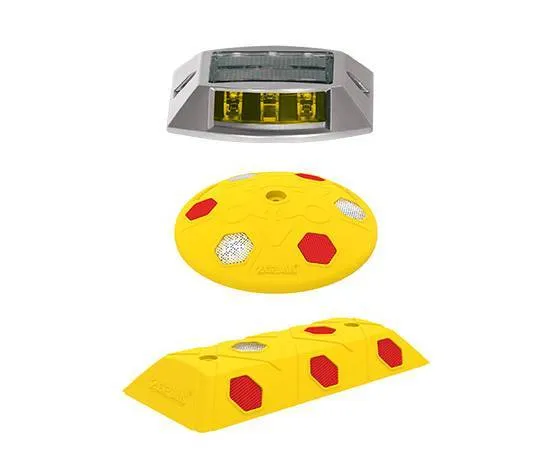
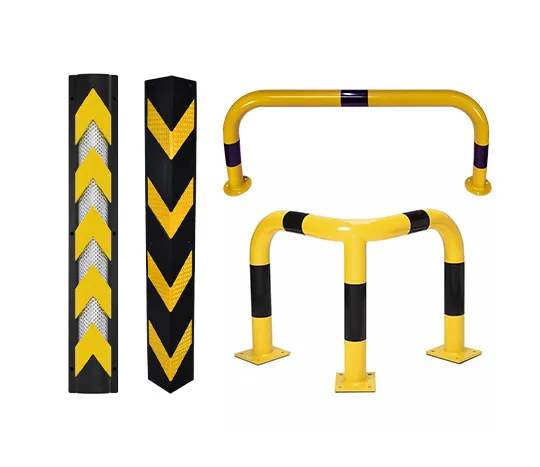
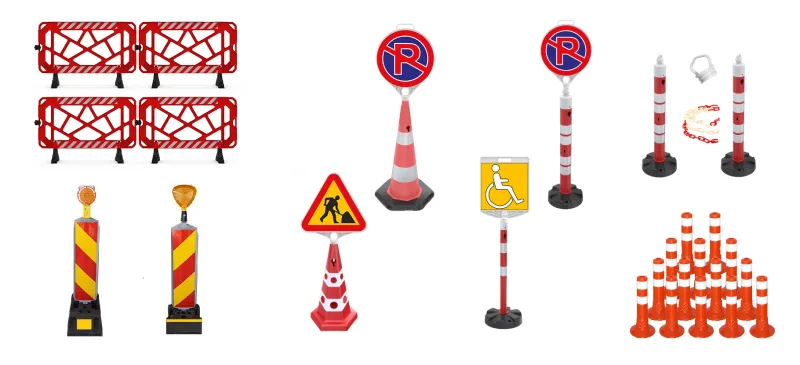
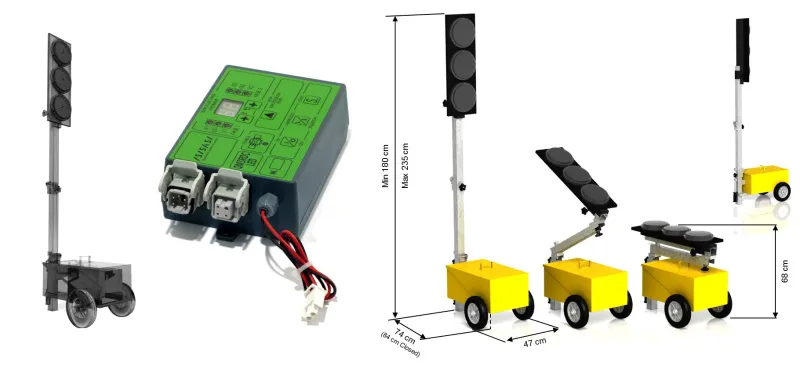
Best-Selling Car Stop Products
Reducing Energy Consumption
In underground parking lots or large garages, where ventilation and lighting systems are essential, car stops can indirectly contribute to reducing energy consumption. How? By efficiently organizing parking spaces and preventing collisions, stops allow vehicles to be parked correctly and save space. This means that more parking spaces can be arranged in a smaller area, thus reducing the need for parking expansions and consequently resource consumption.
Moreover, well-placed car stops contribute to a more organized flow of vehicles, meaning that drivers spend less time searching for a parking space. This leads to a reduction in engine running time and, consequently, a decrease in exhaust emissions.
Improving Safety and Reducing Noise Pollution
Car stops also contribute to reducing noise pollution, another often-overlooked environmental factor. In crowded parking areas, where drivers frequently park their cars without paying attention to the surrounding spaces, numerous minor incidents occur – collisions with walls, other cars, or curbs. These minor accidents can not only cause damage to vehicles but also create unnecessary noise.
By preventing these incidents with the help of stops, the overall noise level in a parking lot can be significantly reduced. This is good news not only for drivers but also for residents in adjacent areas or for those using parking lots next to office or commercial buildings.
Choosing Sustainable Solutions
When selecting car stops for a parking lot, it is important to consider the durability of the products. High-quality stops made from wear-resistant materials and extreme weather conditions not only reduce long-term maintenance costs but also contribute to reducing the carbon footprint by decreasing the frequency of replacements.
For example, car stops made from recycled rubber are not only eco-friendly but also extremely durable, lasting for years without requiring major repairs. This means that, in the long run, costs are lower and the environmental impact is reduced.
Conclusion
Car stops are more than just barriers for vehicles. In the current context, where environmental care becomes a priority, these devices can be integrated into eco-friendly parking lots to provide sustainable, safe, and efficient solutions. From the use of recycled materials to their contribution to reducing noise pollution and carbon emissions, car stops are an important part of the future of sustainable parking.