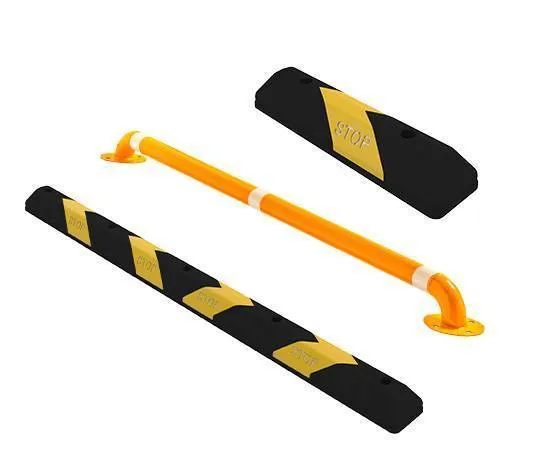
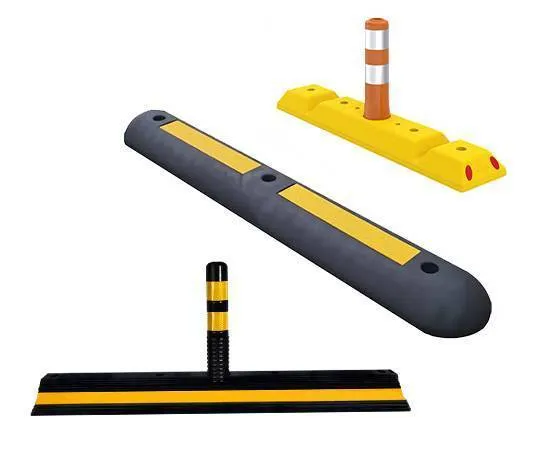


In managing parking spaces, car stops play a crucial role in preventing accidents and maintaining order. Although there is a variety of materials from which stops are made, iron remains a traditional choice due to its robustness and longevity. In this article, we will explore the advantages of iron car stops and how they differ from other types, such as those made of plastic or rubber.
Why Choose Iron Car Stops?
Iron is a material known for its exceptional impact resistance and long-term durability. This makes iron stops ideal for areas with heavy traffic where protection is essential.
The main advantages of iron stops include:
Superior Impact Resistance: Unlike plastic or rubber, iron can withstand extremely high impacts without deforming or deteriorating. This makes them ideal for parking lots where large vehicles, such as trucks, are common.
Durability in Extreme Conditions: Iron is extremely durable against harsh weather conditions, such as snow, ice, and extreme temperatures. Unlike plastic, which can crack or deform at very high or very low temperatures, iron maintains its structural integrity.
Enhanced Protection: Iron stops provide maximum protection for both vehicles and infrastructure. For example, in situations where a vehicle does not brake in time, the iron stop can prevent major damage.
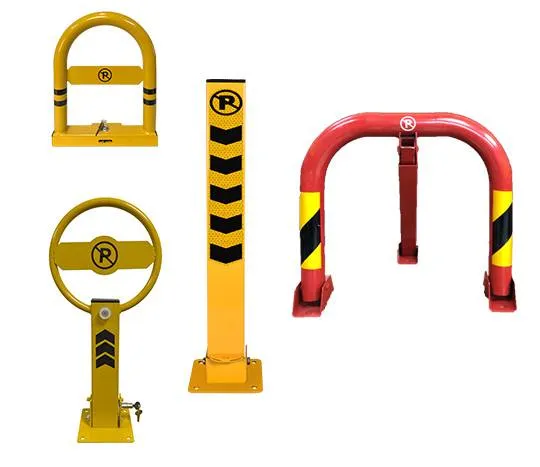
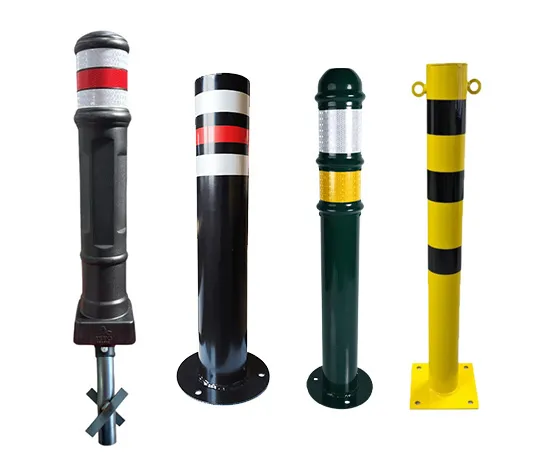
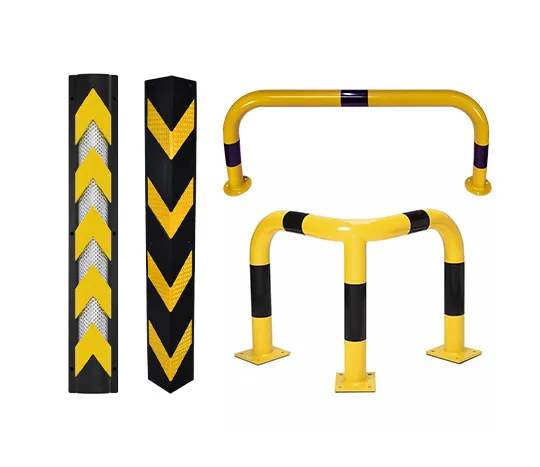
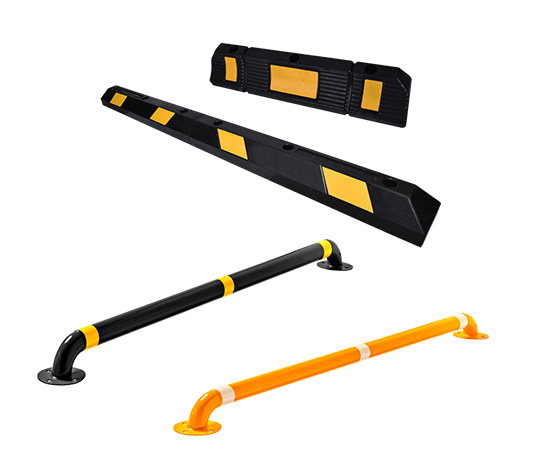
Best-Selling Iron Car Stops
Comparison with Plastic and Rubber Stops
Plastic and rubber stops are undoubtedly popular due to their flexibility and ease of installation. However, they do not offer the same level of protection and durability as iron.
Plastic: It is a lightweight, flexible, and economical material. Plastic stops are easy to install and maintain, but they are not as resistant to strong impacts. They are also less durable in extreme conditions, being prone to cracking and fading over time.
Rubber: Rubber stops are excellent for shock absorption and are more tire-friendly. However, they do not provide the same robust protection as iron and may suffer from deformation over time, especially in variable temperature conditions.
Specific Uses of Iron Stops
Due to their characteristics, iron stops are most commonly used in industrial areas, truck parking lots, and other locations where large vehicles are common. They are also preferred in underground parking lots and other spaces where maximum security is desired.
Industrial Parking Lots: In industrial areas, iron stops are essential for protecting buildings and equipment from heavy vehicles.
Underground Parking Lots: In underground parking lots, where space is limited and infrastructure protection is essential, iron stops provide robust protection.
High Traffic Areas: In locations with heavy traffic, iron can withstand constant wear much better than other materials, ensuring long-term functionality.
Installation and Maintenance
Installing iron stops usually requires a professional team, as they are heavier and require secure fastening in concrete or asphalt. However, once installed, they require very little maintenance, unlike stops made from other materials that may require periodic replacements.
Minimal Maintenance:
- Iron stops should be periodically checked for signs of rust, especially in damp areas. However, modern anti-corrosion treatments minimize these risks.