


Car Stops – Essential Equipment for a Well-Organized Parking Lot
In the context of rapid urbanization and the increasing number of vehicles in cities, well-organized and safe parking lots have become a pressing necessity. An essential element in this equation is car stops, devices that ensure the control of vehicle positioning in parking spaces, preventing accidents and contributing to the creation of a safe environment for both drivers and pedestrians.
Why are car stops necessary?
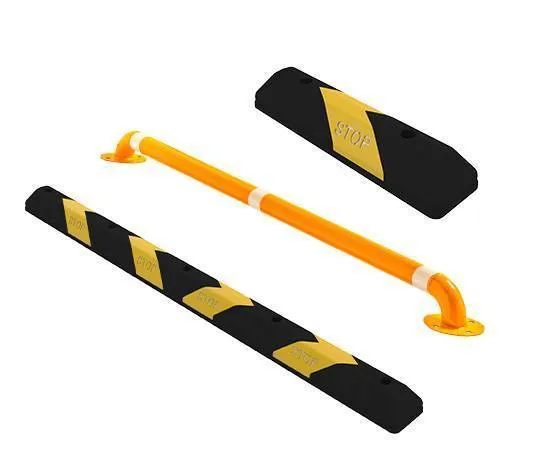
Car stops are designed to stop vehicles before they reach a dangerous physical limit, such as a wall, a sidewalk, or another vehicle. In the absence of these stops, the risk of minor but costly accidents increases significantly. They provide drivers with a visual and tactile guide to know where to stop, helping to avoid collisions and protect the parking infrastructure.
Additionally, car stops are extremely useful in parking lots with fixed spaces or in overcrowded parking areas, where space must be used efficiently. By precisely delineating each parking space, they help maximize parking capacity and maintain order.
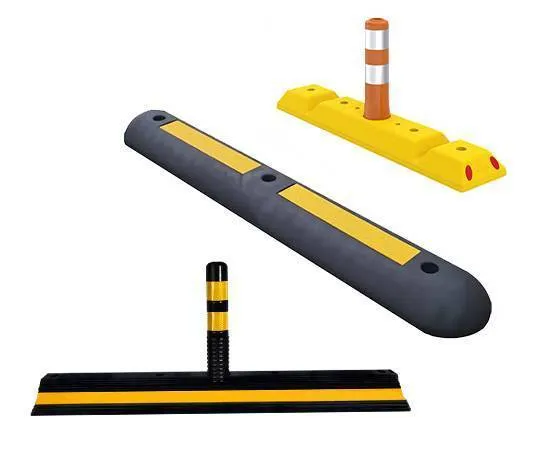
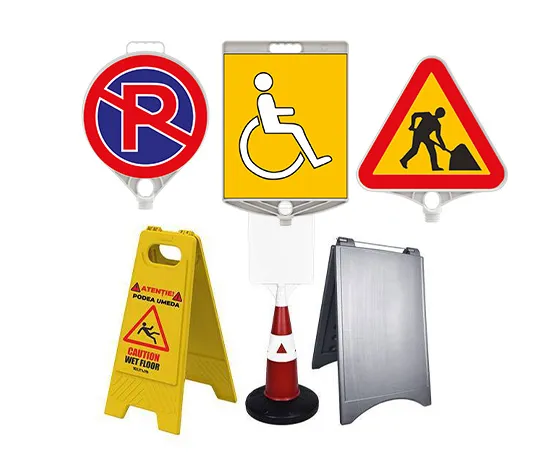
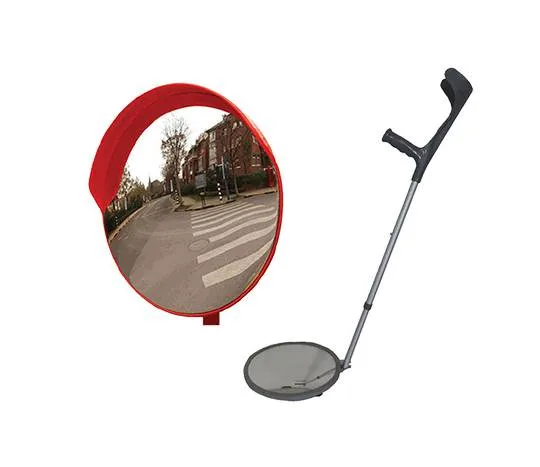
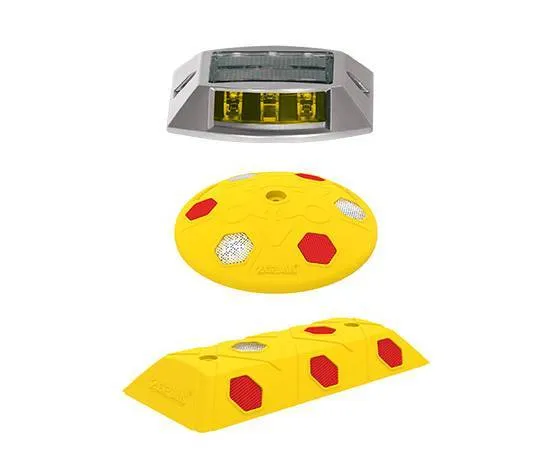
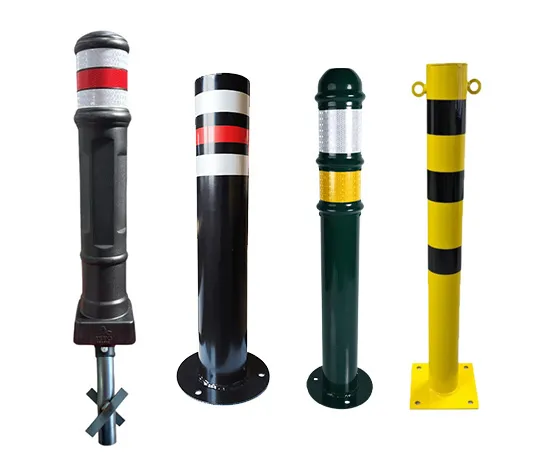
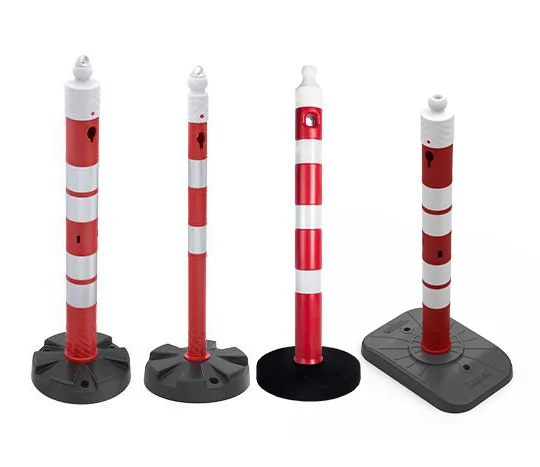
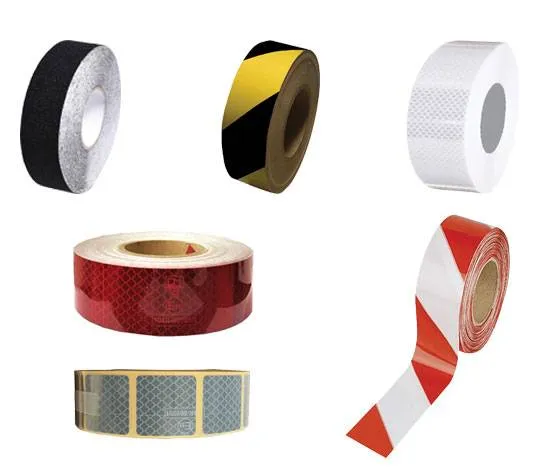
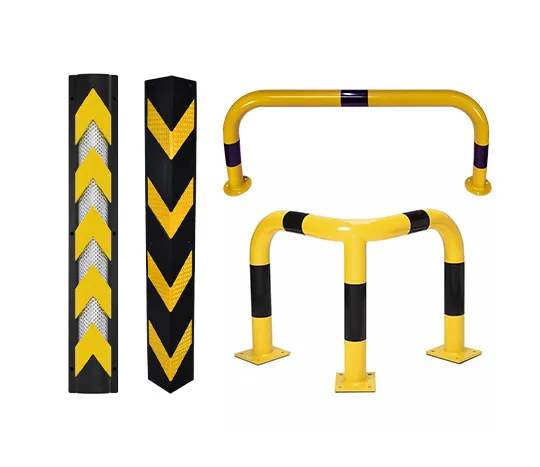
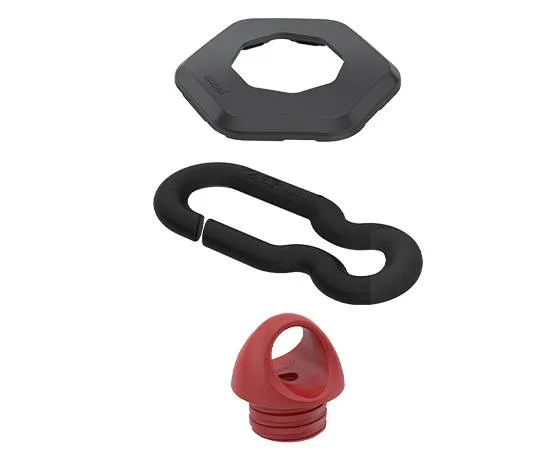
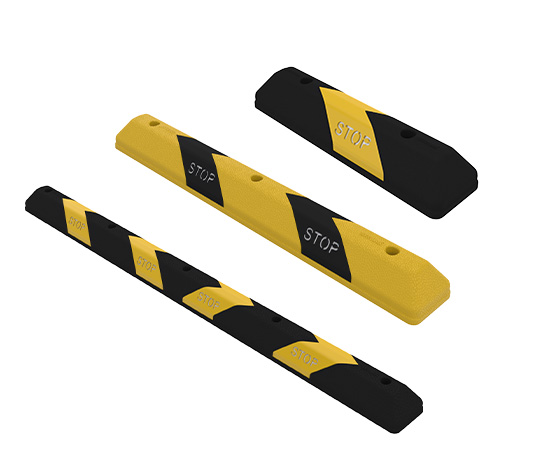
Best-Selling Car Stop Products
Materials Used in Manufacturing Car Stops
Car stops are made from a variety of materials, including rubber, durable plastic, and concrete. Each material has its advantages. For example, rubber stops are flexible and have a long lifespan. They absorb shocks and do not damage vehicles in the event of a light collision. Plastic stops are also lightweight and easy to install, but they also have good weather resistance, making them ideal for outdoor parking use.
On the other hand, concrete stops are more durable and are often used in large or industrial parking lots, where impact resistance is a priority. They are ideal solutions for protecting nearby structures and preventing major collisions.
The Advantages of Car Stops for Parking Safety
One of the main advantages of car stops is the increased safety. These devices ensure that cars are parked correctly and do not exceed the allocated limits of each parking space. Thus, the risk of accidents in parking lots is significantly reduced, and nearby vehicles are protected.
Additionally, car stops contribute to pedestrian safety. In many parking lots, pedestrians share the same space with vehicles, and stops help prevent accidents that can occur in such situations. They ensure precise control of vehicles and maintain appropriate distances between parking spaces and pedestrian access paths.
Ease of Installation and Maintenance
Another important feature of car stops is the ease of installation. They can be quickly mounted on any surface, whether it is asphalt, concrete, or pavers. Additionally, they are designed to withstand harsh weather conditions, such as rain, snow, or extreme temperatures.
The maintenance of car stops is also minimal. Most materials used are wear-resistant and do not require frequent replacements. If a stop is damaged due to a strong impact, its replacement is quick and relatively inexpensive, without affecting the overall operation of the parking lot.
Adaptable Solutions for Different Types of Parking Lots
Car stops are available in a variety of sizes and shapes, making them extremely adaptable for various types of parking lots, whether commercial, residential, or industrial. From underground parking to outdoor parking, these devices can be customized according to the specific needs of each space.
In underground parking lots, car stops are particularly important to avoid collisions with walls or other structures. In outdoor parking lots, they help maintain a smooth flow of vehicles and the efficient use of available space.
Conclusion
Car stops represent a minimal investment but have a major impact on the safety and organization of parking lots. They not only prevent accidents and damages but also contribute to optimizing parking spaces. In the context of urbanization and the increasing number of vehicles, these solutions are becoming increasingly necessary, ensuring a safe and well-organized environment in parking lots of all types.