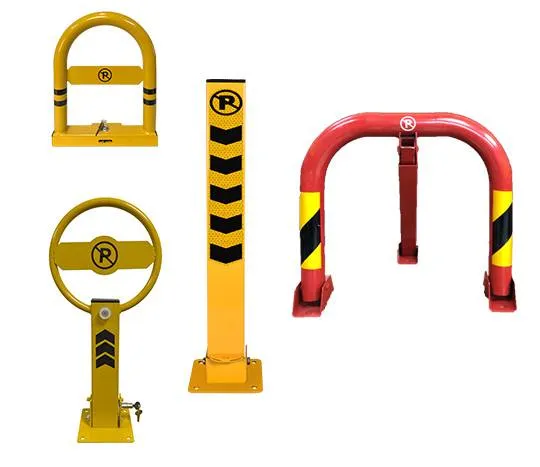




Car stops are essential for managing and securing parking spaces, preventing accidental collisions and ensuring the correct alignment of vehicles. In recent years, plastic car stops have gained popularity due to their distinct advantages over rubber or metal ones. This article explores the features, benefits, and uses of these stops, highlighting why they are an excellent choice for various types of parking lots.
What Are Plastic Car Stops?
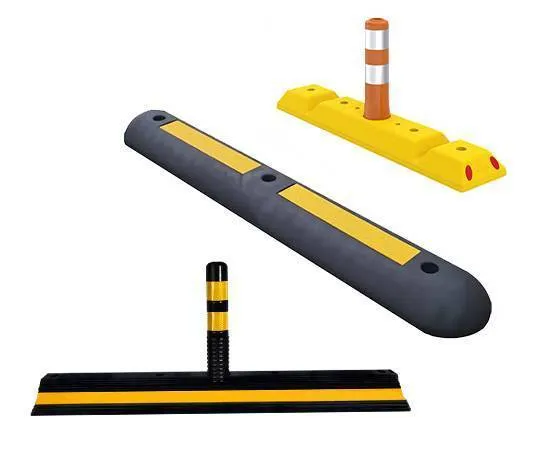
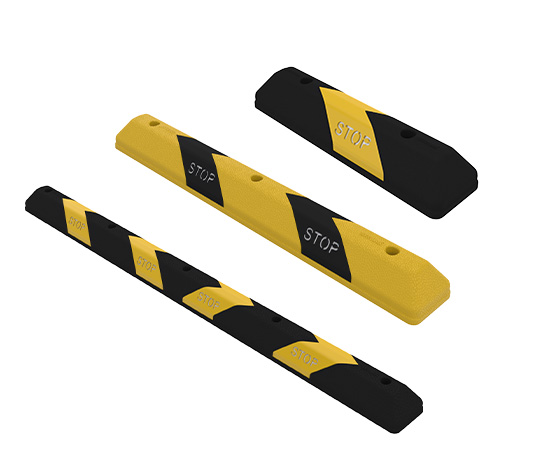
Plastic car stops are limiting devices placed on the parking surface, designed to stop vehicle wheels and prevent exceeding the designated space. They are made from high-quality plastic materials, such as high-density polyethylene (HDPE) or polypropylene, which provide a unique combination of durability and flexibility.
Best-Selling Plastic Car Stop Products
Advantages of Plastic Car Stops
Durability and Weather Resistance:
- Corrosion Resistance: Unlike metal stops, plastic ones are not susceptible to rust or corrosion, making them ideal for use in outdoor environments where they are exposed to rain, snow, and moisture.
- Chemical Resistance: Plastic stops are resistant to oils, fuels, and other chemicals that may be present in parking lots, ensuring a long lifespan without significant degradation.
Flexibility and Shock Absorption:
- Impact Absorption: The plastic material is flexible enough to absorb the impact of vehicle wheels, minimizing the risk of damage to both the stop and the vehicle.
- Preventing Vehicle Damage: Plastic stops are designed to be robust enough to stop the vehicle but gentle enough to prevent scratches or dents on the car's bumper.
Lightweight and Easy Installation:
- Easy to Handle: Being lighter than concrete or metal stops, plastic ones are easier to transport and install. This reduces costs and the time required for installation.
- Secure Fixing: Plastic stops come with pre-drilled holes for anchoring in asphalt or concrete, ensuring a solid and stable attachment.
Increased Visibility:
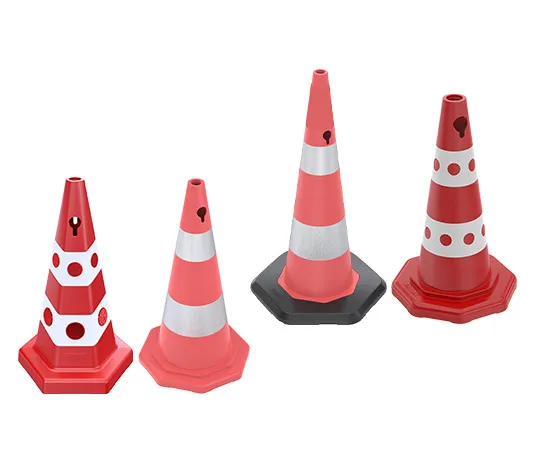
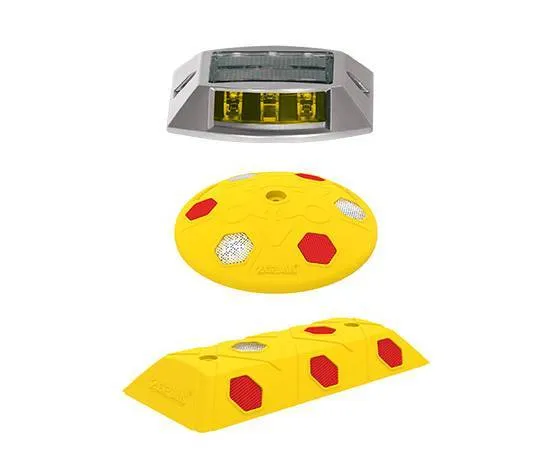
- Vibrant Colors: Plastic stops are often available in vibrant colors, such as yellow, black, or red, making them easily noticeable by drivers, even in low-light conditions.
- Reflective Elements: Many plastic stops are equipped with reflective elements to enhance visibility at night, thus increasing safety in parking areas.
Uses of Plastic Car Stops
Plastic car stops are versatile and can be used in various parking environments, including:
Commercial and Residential Parking:
- Shopping Centers: In the busy parking lots of shopping centers, plastic stops help efficiently organize space and prevent accidents, ensuring that vehicles are parked correctly.
- Residential Complexes: In residential parking areas, plastic stops protect both vehicles and adjacent structures, such as walls or fences.
Airport and Train Station Parking:
- High Traffic Areas: In high traffic areas, such as airports or train stations, plastic stops help manage vehicle flow and prevent collisions in parking spaces.
Temporary Parking or Special Events:
- Mobility and Ease of Installation: Due to their lightweight and ease of installation, plastic stops are ideal for use in temporary parking or at special events, where they can be quickly installed and removed.