




The Role of Barriers in Access Management in Industrial Areas
Industrial areas are essential spaces for economic activity, and managing access to these areas is crucial for the safety of workers as well as for the protection of equipment and materials. Barriers, as an access control solution, have become an indispensable component in the infrastructure of modern industrial zones. In this article, we will analyze the importance of barriers in such locations, their functions, and how they contribute to the efficiency and security of industrial spaces.
Functions of barriers in industrial areas
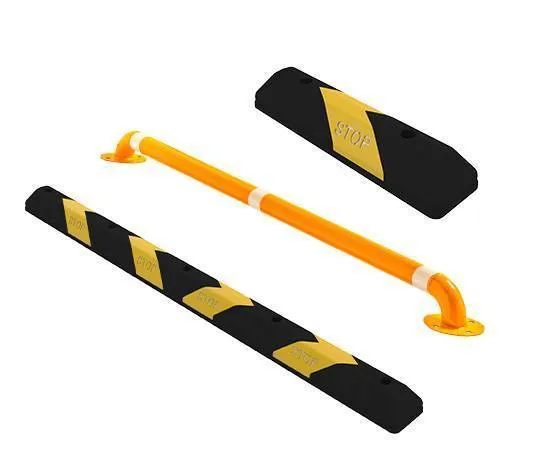
Vehicle access control: Barriers are frequently used at the entrances and exits of industrial areas to control vehicle access. They help prevent unauthorized access and monitor the flow of vehicles transporting goods or hazardous materials.
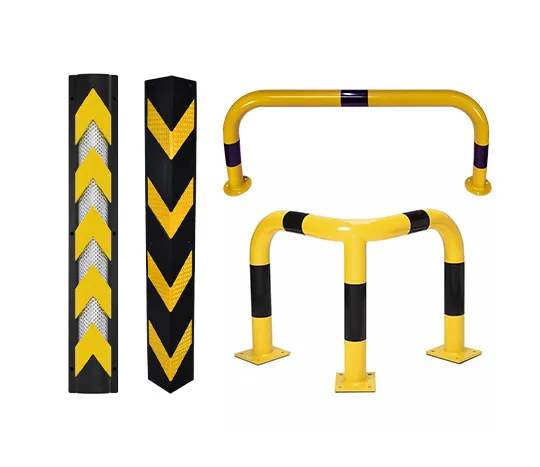
Security of storage areas: Industrial areas are often used for storing valuable materials or expensive equipment. Barriers installed around warehouses provide a first level of security, preventing unauthorized access and protecting these assets from theft or vandalism.
Management of personnel flow: Besides vehicle control, barriers can also be used to manage personnel access. In certain cases, they are equipped with card access systems or other advanced technologies, allowing access only to authorized personnel in specific areas of industrial units.
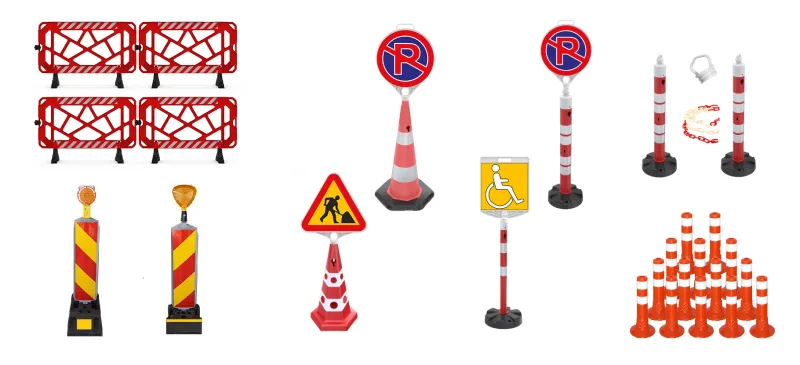
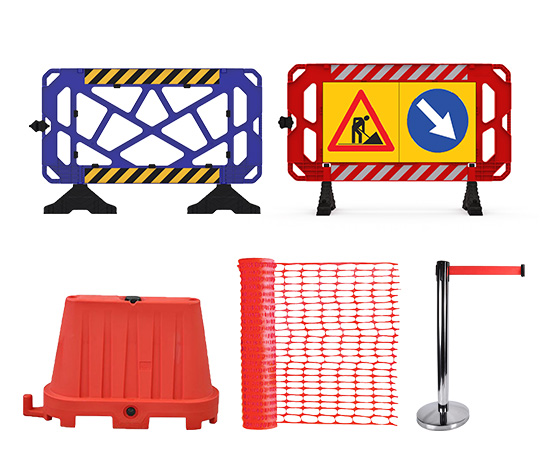
Best Selling Barrier Products


Types of barriers used in industrial environments
There are different types of barriers that are used in industrial areas, each designed to meet specific needs:
Automatic barriers: Automatic barriers are an efficient solution for industrial areas that require a constant flow of vehicles or people. They are usually controlled by automated systems, such as card readers, remote controls, or vehicle detectors, allowing for quick and easy access.
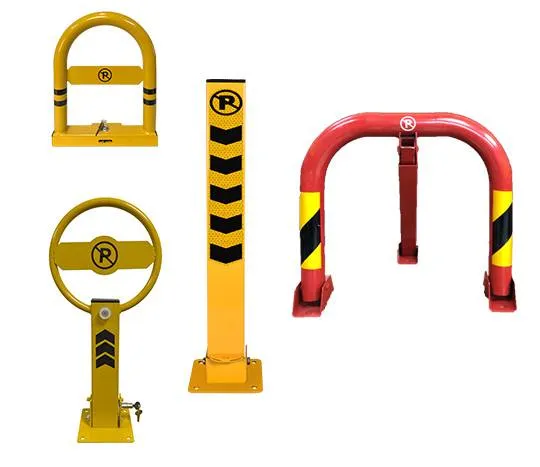
Manual barriers: In smaller industrial areas or locations where traffic flow is low, manual barriers can represent a practical solution. They are usually more economical and do not require complex maintenance, but still provide a good level of security.
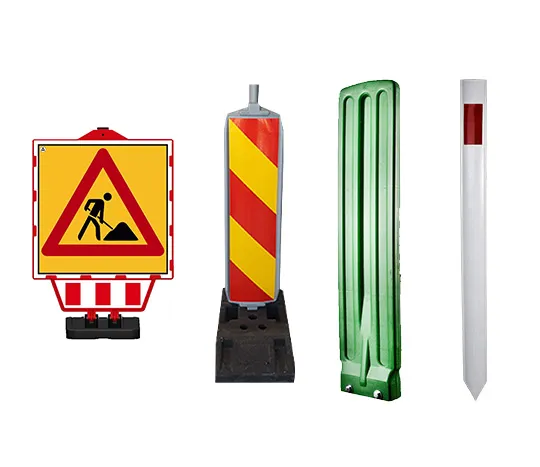
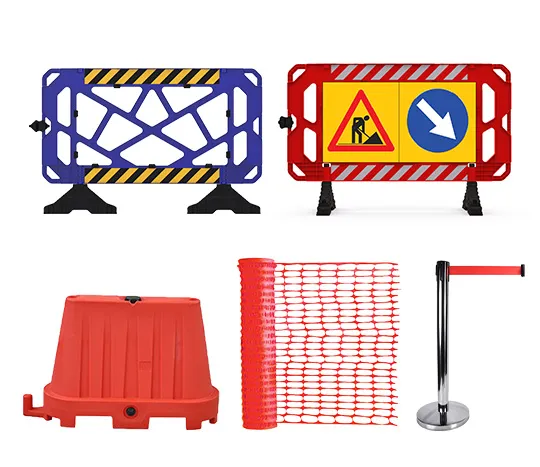
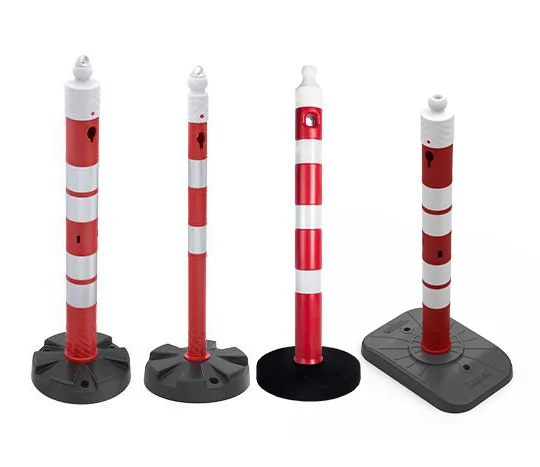
Mobile barriers: Mobile barriers are ideal for situations where access needs to be temporarily blocked or in cases of events that require flexible space management. These barriers can be easily moved, providing an adaptable solution based on needs.
Advantages of using barriers in industrial areas
Increased security: The use of barriers in industrial areas helps improve overall security. They deter attempts at unauthorized access and contribute to the protection of workers, materials, and equipment.
Effective monitoring: Modern barriers can be integrated with video monitoring systems and other security solutions, providing continuous surveillance of access areas. This allows for the rapid identification of any potential security incidents and immediate intervention.
Better traffic organization: Industrial areas can quickly become congested, especially during deliveries or the transport of heavy materials. Barriers help efficiently organize traffic, ensuring an orderly flow of vehicles and reducing the risk of accidents or blockages.
Barriers and environmental protection
In addition to their primary security function, barriers can also play an important role in protecting the surrounding environment. In certain industrial areas, barriers are used to delineate and protect natural spaces near production units, preventing accidental pollution or environmental degradation.
Contamination prevention: Barriers installed around industrial areas that handle chemicals or hazardous waste help prevent the spread of these materials into the surrounding environment.
Isolation of green spaces: In many cases, industrial areas are located near natural parks or other protected green spaces. Barriers help isolate these areas, protecting local fauna and flora from the impact of industrial activities.
Conclusion
Barriers play a crucial role in access management and security in industrial areas. From protecting storage spaces and managing traffic to their contribution to environmental protection, they represent an essential solution for ensuring a safe and efficient working environment. In the future, as technology continues to advance, industrial barriers will become even more sophisticated, integrating automated and intelligent solutions to meet the complex needs of modern industry.