








The Role of Road Markings in Road Safety and Traffic Management
Road markings are one of the most important elements of infrastructure in road safety and traffic management. Although at first glance they may seem like simple lines drawn on asphalt, their importance is much greater, playing a crucial role in preventing accidents, facilitating traffic flow, and maintaining an orderly road environment. In this article, we will explore the various functions and benefits of road markings and how they contribute to safer and more efficient traffic.
Main Functions of Road Markings
Clear delimitation of roads: Markings are essential for clearly delineating the different parts of the road, whether we are talking about traffic lanes for vehicles, lanes designated for cyclists, or pedestrian areas. This clear visual delimitation is vital for preventing accidents, as it helps drivers keep their vehicles on track and maintain safe distances.
Traffic flow management: Road markings are essential in the efficient management of traffic. In congested urban areas, where traffic is heavy, specially dedicated lanes, such as those for public transport or turning lanes, help reduce congestion and facilitate the movement of vehicles.
Warning systems: Certain road markings are specifically designed to alert drivers when they accidentally leave their lane. These markings, known as "rumble strips" or "vibrating strips," create a vibration and a noticeable noise in the vehicle, thereby warning the driver to correct their path and avoid potential accidents.
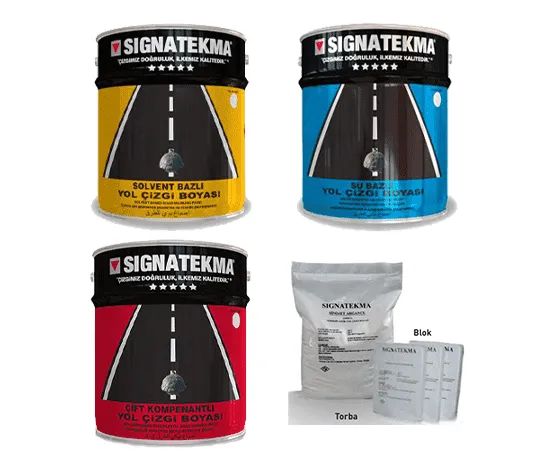
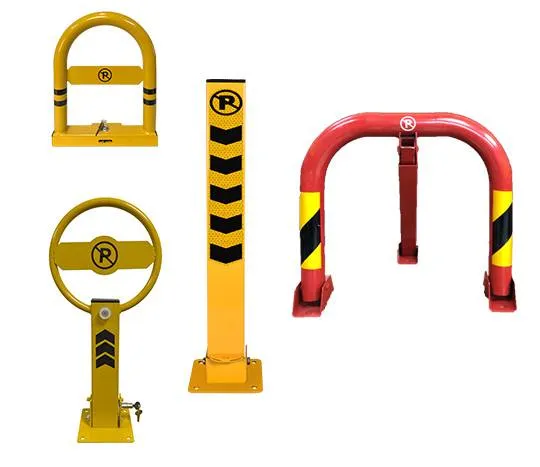
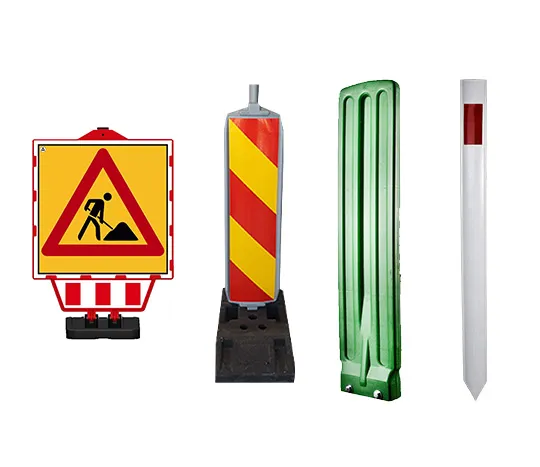
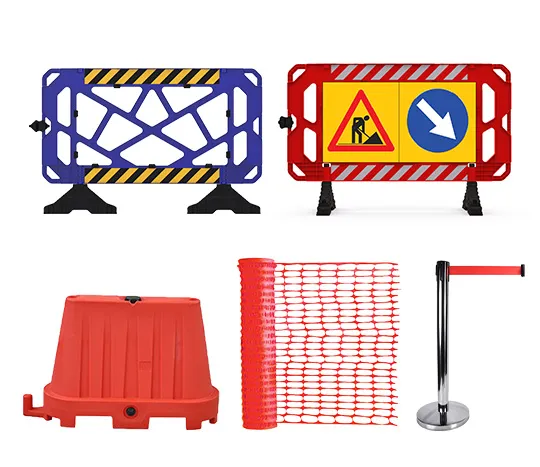
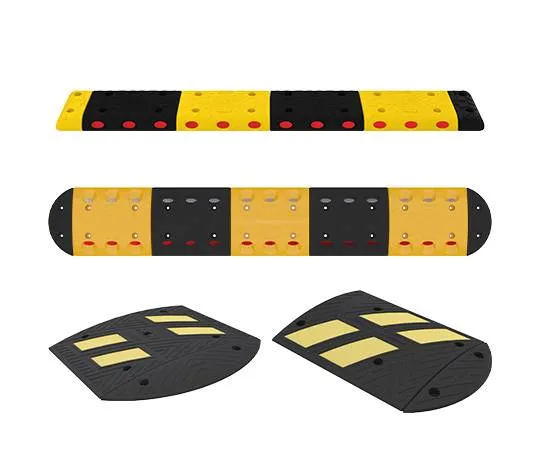
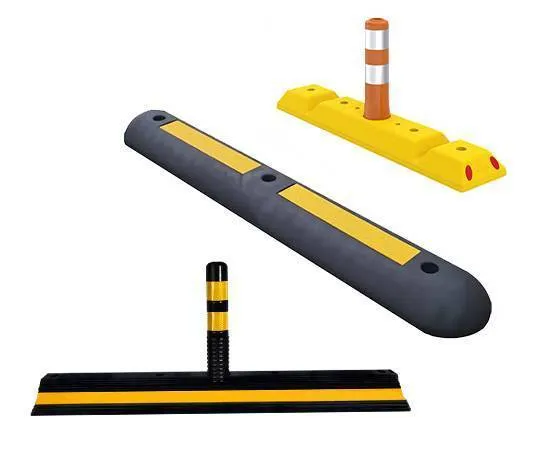
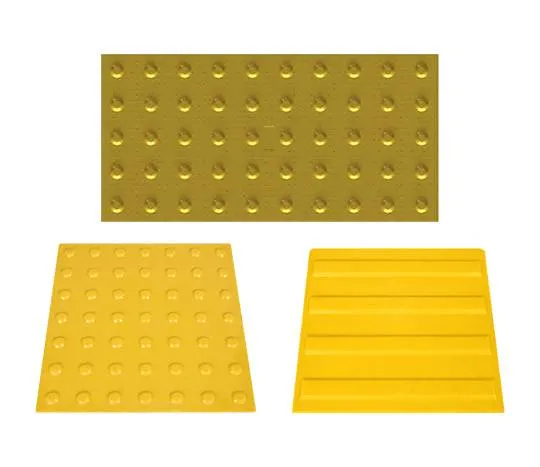
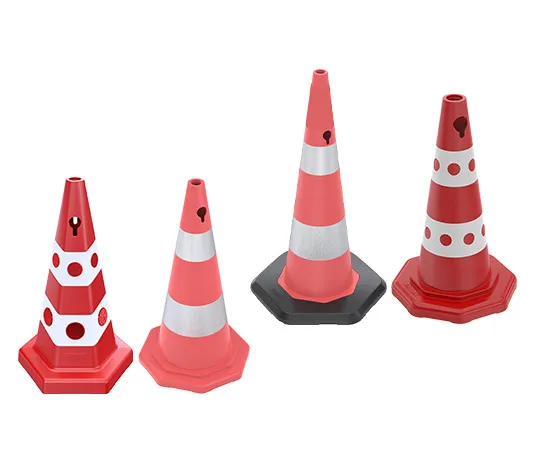
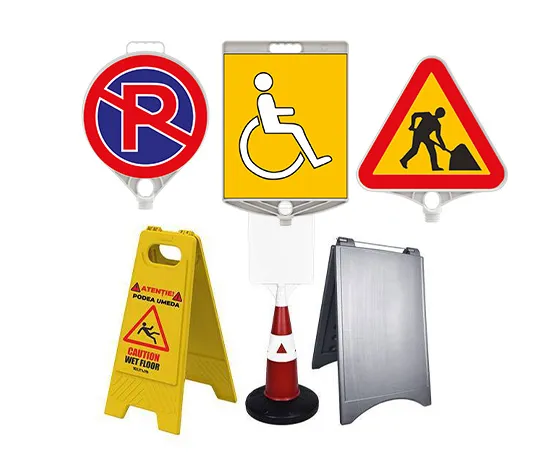
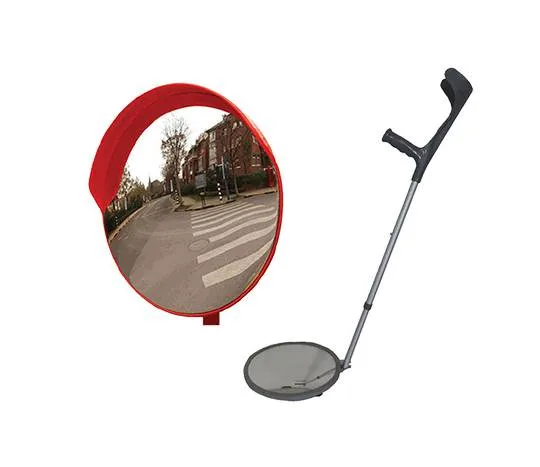
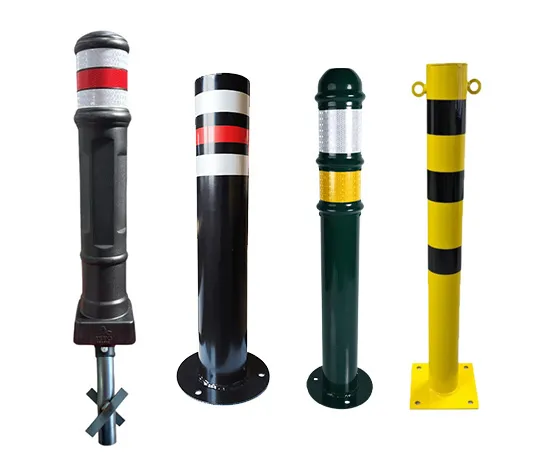
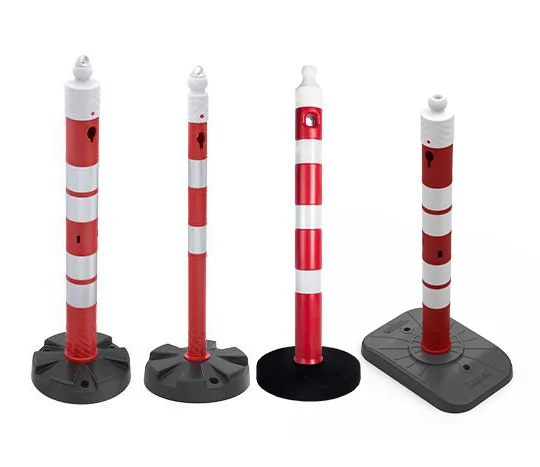
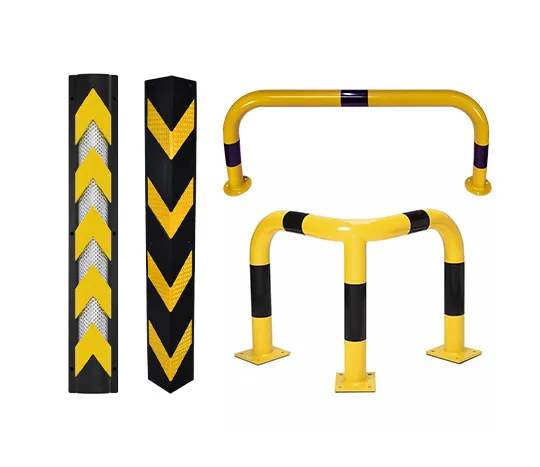
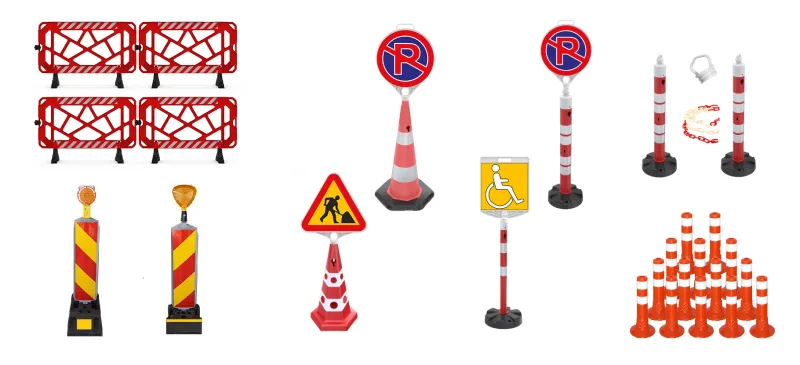
Best Selling Marking Products
Types of Markings and Their Specific Use
There are several types of road markings, each having a specific function within the road infrastructure. Among the most common types of markings are:
Continuous or broken white lines: These are the most common markings found on roads and serve to delineate traffic lanes. A continuous white line prohibits crossing into another lane, while a broken line allows lane changes when safety conditions are met.
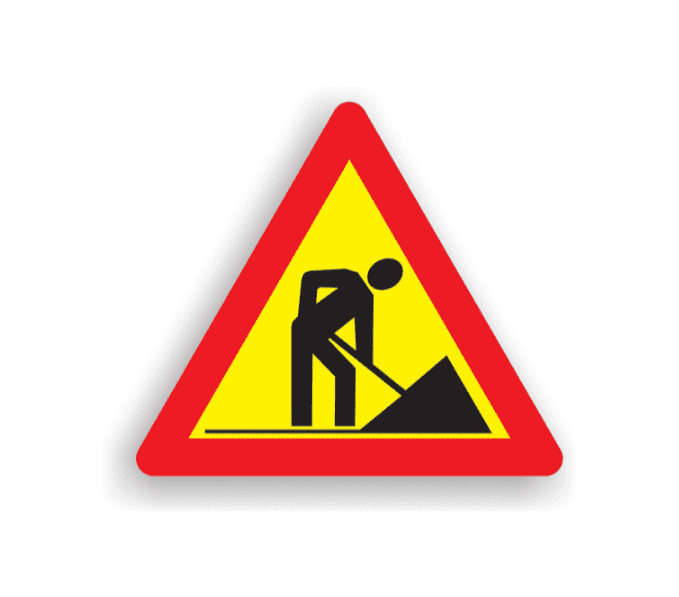
Yellow markings: These markings are often used in temporary road work zones or to indicate temporary traffic restrictions. They can also delineate roads or areas that require increased attention from drivers, such as hazardous intersections or areas with reduced visibility.
Public transport and bicycle lanes: In modern cities, dedicated lanes for public transport (such as buses and trams) and lanes for cyclists are essential for encouraging the use of alternative transportation and reducing pollution and heavy traffic.
The Importance of Maintaining Road Markings
One of the biggest challenges facing road infrastructure is the proper maintenance of road markings. Over time, exposure to weather conditions, heavy traffic, and maintenance work can lead to the degradation of road markings, making them less visible and, consequently, less effective.
Visibility in difficult weather conditions: Road markings must be clearly visible in all weather conditions, including rain, fog, or nighttime. Therefore, it is important that regular maintenance includes the application of reflective paint or special markings that enhance their visibility in unfavorable conditions.
Accident prevention: A faded or unclear road marking can cause confusion among drivers, which can lead to accidents. Therefore, road authorities must ensure that road markings are always in optimal condition and well-maintained.
Innovations in Road Marking Technology
The technology of road markings has evolved significantly in recent years. A number of innovations have been implemented to increase their safety and efficiency.
Reflective road markings: These are special markings that contain reflective materials to increase visibility at night. Reflectivity is essential for drivers operating in low visibility conditions, thereby reducing the risk of accidents.
Illuminated markings: In some countries, illuminated markings integrated directly into the road infrastructure have begun to be tested. These markings emit light at night, guiding drivers in a much more efficient manner than traditional markings.
Smart markings: Another innovation is represented by "smart" markings, which are connected to traffic monitoring systems and can communicate in real-time with autonomous vehicles or smart road infrastructure. These markings can provide vital information about road conditions and can adjust traffic flow according to current needs.
Conclusion
Road markings are an essential element of transportation infrastructure, playing a crucial role in traffic safety and efficiency. Whether it is traditional markings, dedicated public transport lanes, or innovative ones, proper maintenance and the use of modern technologies are essential to ensure a safe and well-organized road environment. As cities become increasingly congested, investments in road markings and innovative traffic management solutions will continue to be a priority.