






The Role of Traffic Cones in Enhancing Driver Education and Skill Practice
Traffic cones, although primarily known for their role in traffic management and road safety, have another significant yet less obvious use: they are an indispensable tool in driver education. In driving schools and training centers for drivers, traffic cones are used daily to simulate real traffic conditions and to practice driving skills in a controlled environment.
Traffic Cones and Practical Driving Tests
One of the most important tests in obtaining a driver's license is the practical exam. During this test, traffic cones are used to mark various routes and obstacles, such as parallel parking, three-point turns, or slaloms between obstacles. Through these, driving instructors can create scenarios similar to the challenges drivers face in real life, without endangering other vehicles or pedestrians.
This practice not only helps students develop coordination and attention but also teaches them to anticipate the maneuvers needed in different traffic situations. The ability to maneuver among cones thus becomes an important indicator of the level of control over the vehicle and the capacity to adhere to traffic rules.
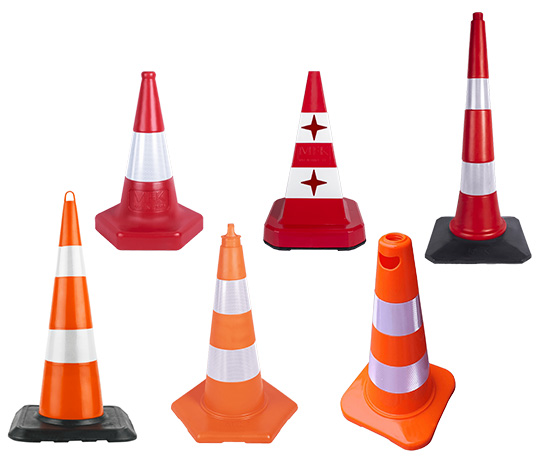
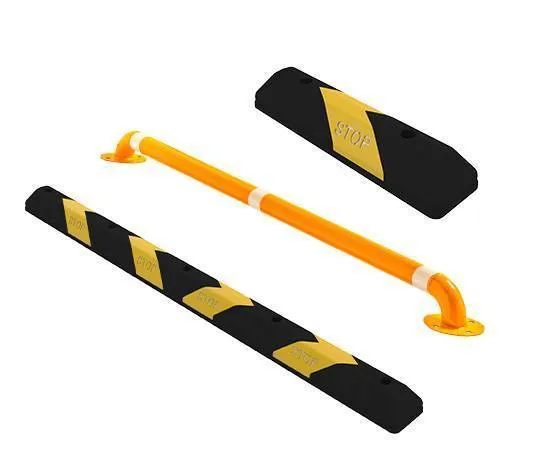
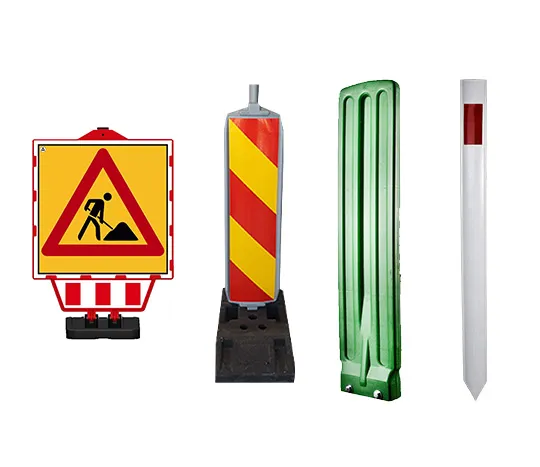
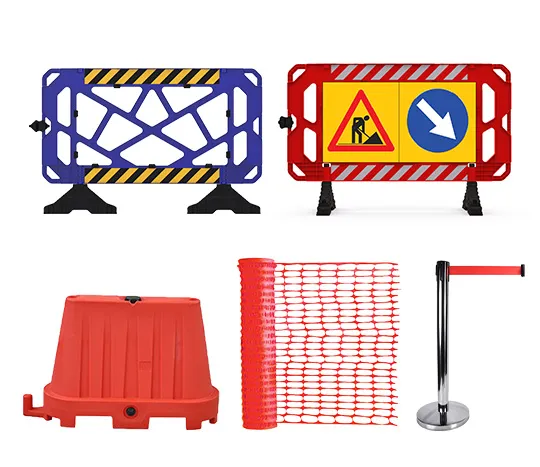
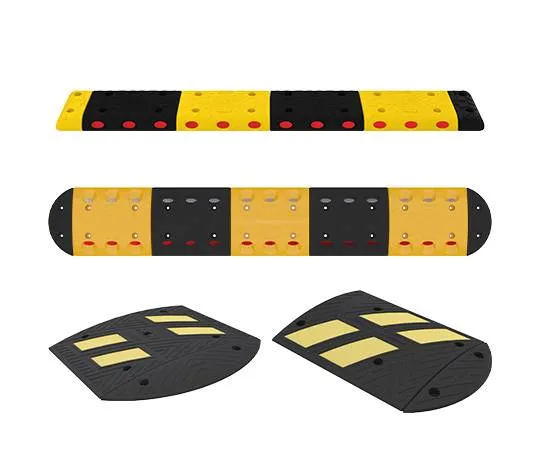
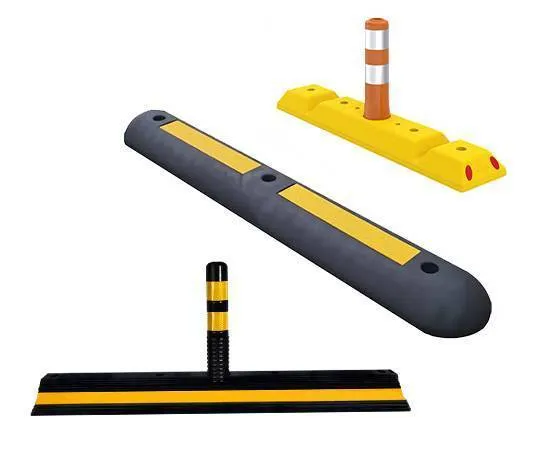
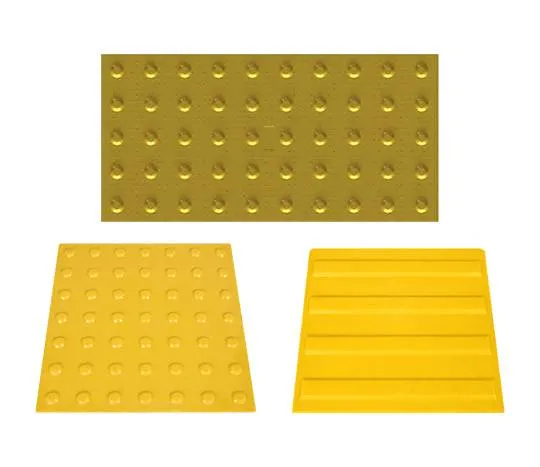
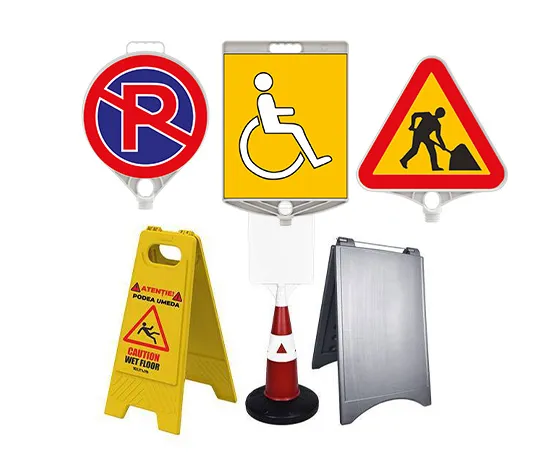
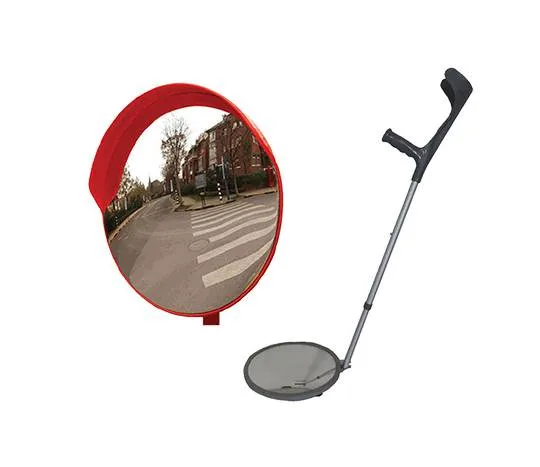
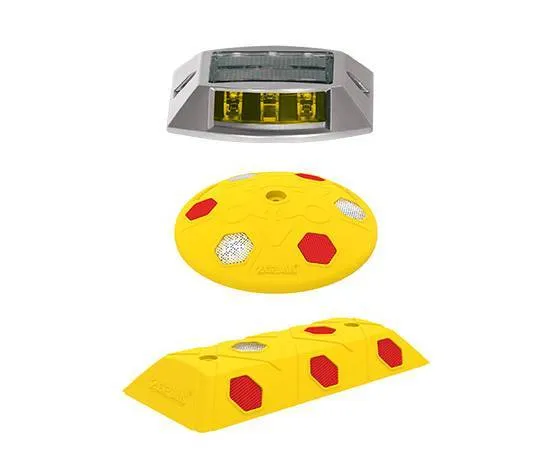
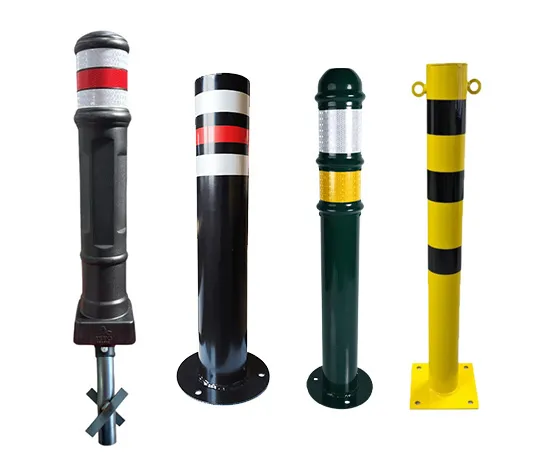
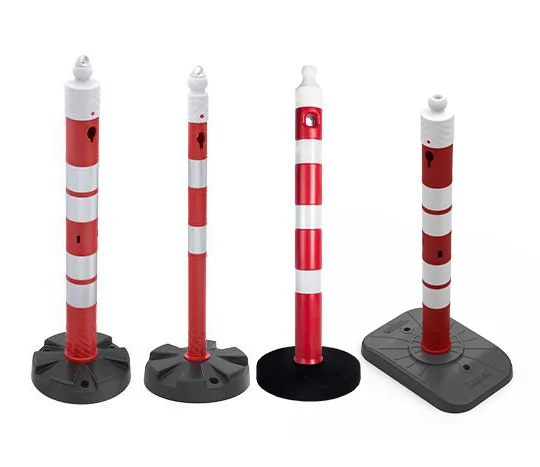
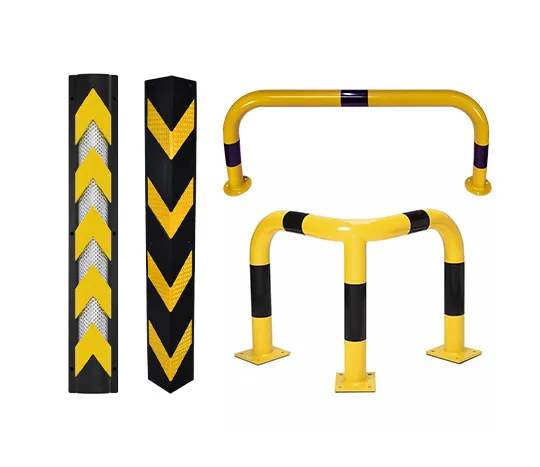
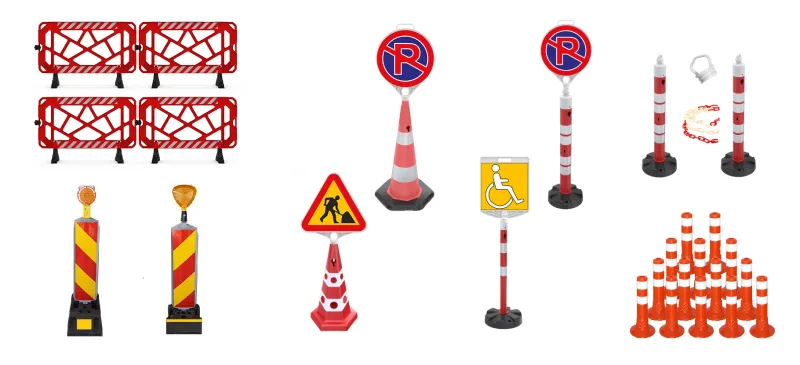
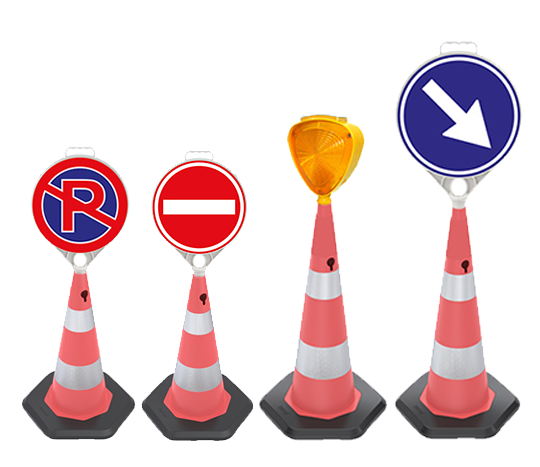
Best-Selling Traffic Cone Products
The Importance of Cones in Defensive Driving Training
Defensive driving is another area where traffic cones play a crucial role. Defensive driving courses are aimed at preparing drivers for emergency situations, such as avoiding an accident, emergency braking, or managing tight turns at high speeds. In these courses, cones are used to simulate critical situations and to create routes that require quick and precise maneuvers.
For example, a typical defensive driving training may include a slalom between cones, where drivers must learn how to maintain control over the vehicle under stress or in tight spaces. Practicing these maneuvers in the safety of a closed circuit allows drivers to become more confident and develop the reflexes necessary to avoid accidents in real situations.
The Role of Cones in Preparing for Driving in Difficult Conditions
Another important aspect of driver education is preparation for driving in adverse weather conditions or on slippery surfaces. In this context, traffic cones are used to simulate the maneuvers a driver must make on snow, ice, or wet roads. Slippery terrain driving courses use cones to mark routes and to assess drivers' ability to brake, turn, and accelerate without losing control of the vehicle.
These exercises are extremely useful, especially in regions where winters are harsh or where rain and ice are frequent. Drivers who regularly practice these maneuvers can become much better prepared to face the challenges posed by severe weather.
Traffic Cones and Training for Professional Drivers
In addition to regular drivers, traffic cones also play an essential role in the training of professional drivers. In the transportation industry, truck, bus, or other large vehicle drivers are trained to maneuver vehicles in tight spaces, make complex turns, and park under difficult conditions.
For such training, traffic cones are used to create complex routes that mimic parking lots or maneuvering yards in the real environment. The ability to avoid cones in such a route demonstrates the level of precision and control necessary to operate large vehicles safely.
Conclusion
In conclusion, traffic cones are much more than just a simple traffic directing tool. They are an essential component in the education and training of drivers, playing an important role in developing driving skills. From driving tests to defensive driving courses and training for professional drivers, traffic cones contribute to creating a safe and controlled environment where drivers can practice and improve the techniques necessary for safe driving.