







The essential role of traffic cones in traffic management and road safety
Traffic cones are among the most commonly encountered signaling elements on public roads, parking lots, and construction sites. However, although we see them frequently, few of us realize their real importance in maintaining safety and order in traffic. These simple yet highly effective devices play a crucial role in directing traffic, preventing accidents, and protecting workers on construction sites.
1. Materials and design tailored for maximum visibility
One of the most important aspects of traffic cones is the material they are made from. Most modern traffic cones are made from durable plastic, such as PVC, which provides a combination of flexibility and strength. This allows them to withstand light impacts without being damaged, which is essential in heavy traffic conditions.
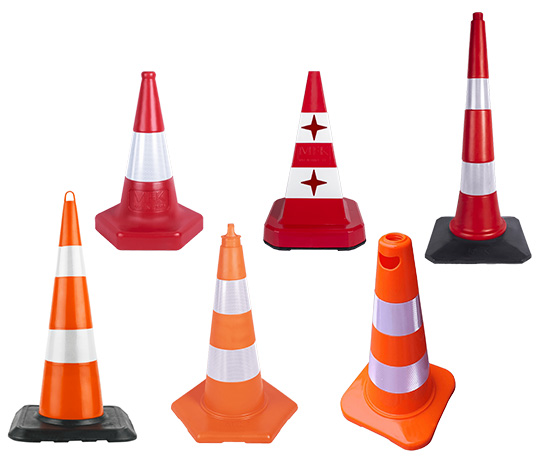
Additionally, bright colors – usually orange or yellow – and the reflective bands applied to the cones ensure excellent visibility both during the day and at night. This is a crucial feature for road safety, as cones must be easily visible even in adverse weather conditions or in low-light areas.
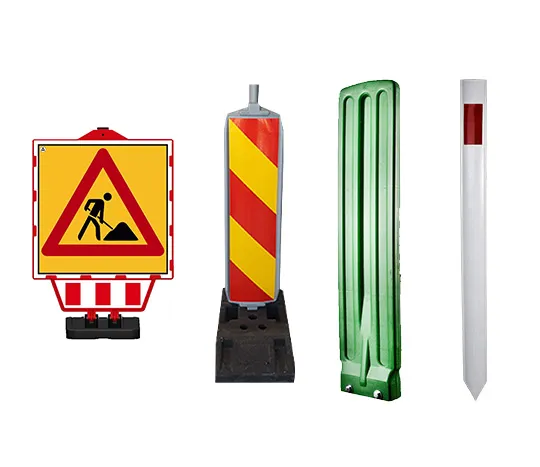
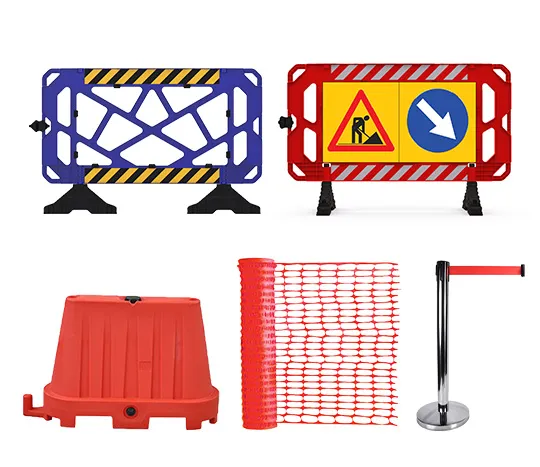
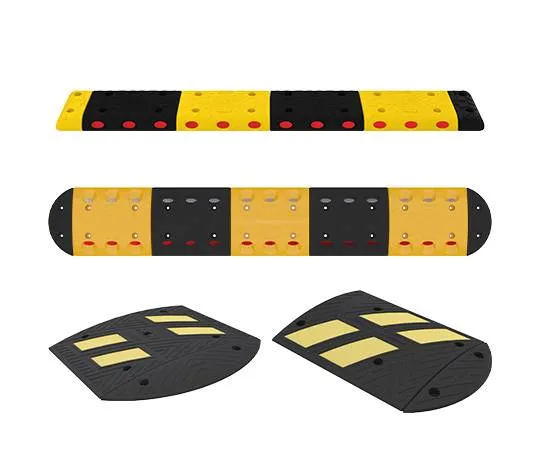
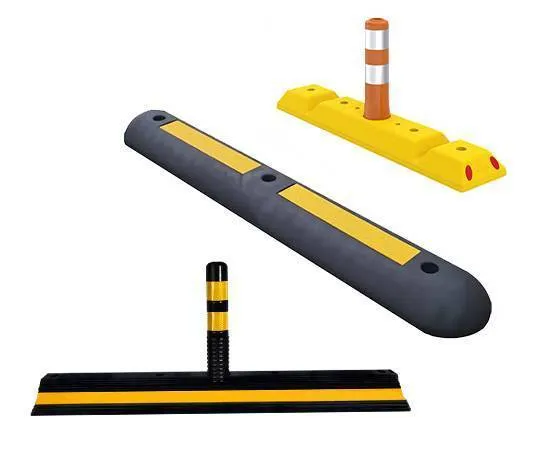
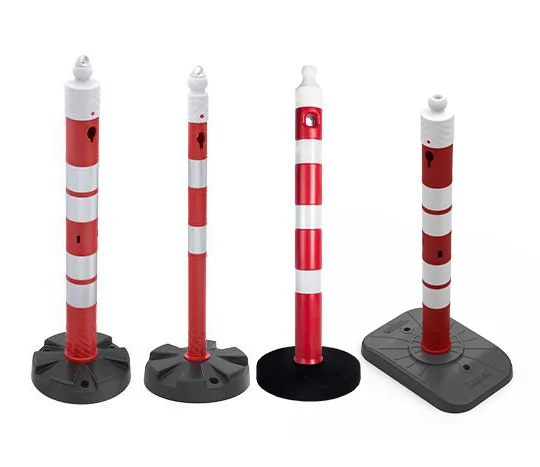
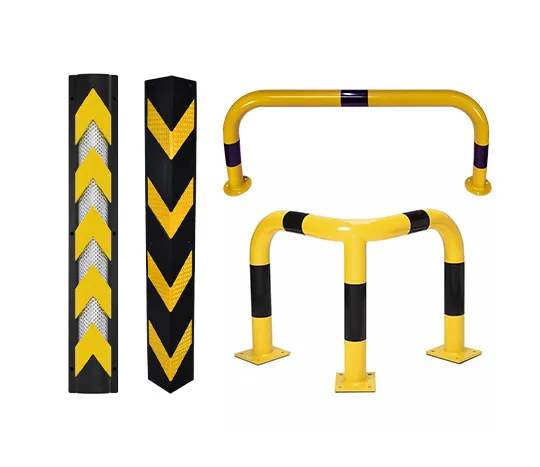
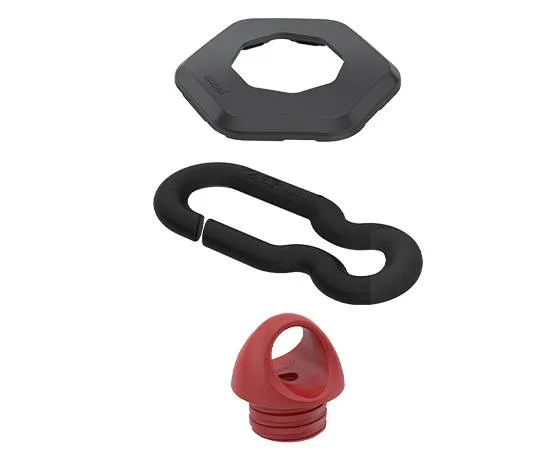
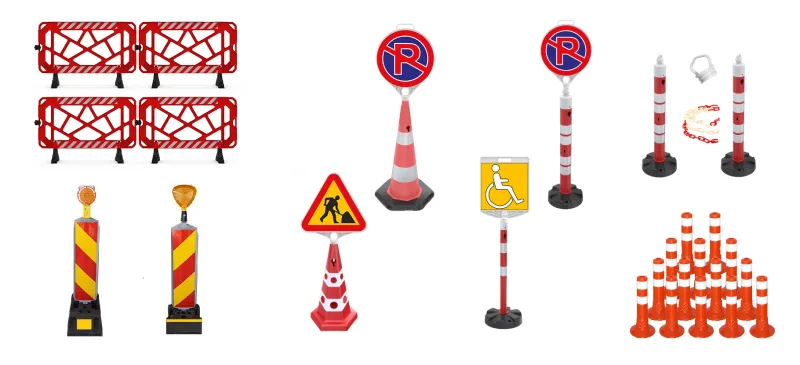
Best-selling Traffic Cone Products
2. Diverse uses of traffic cones
Traffic cones have a wide range of applications, being used in various contexts to guide and warn drivers:
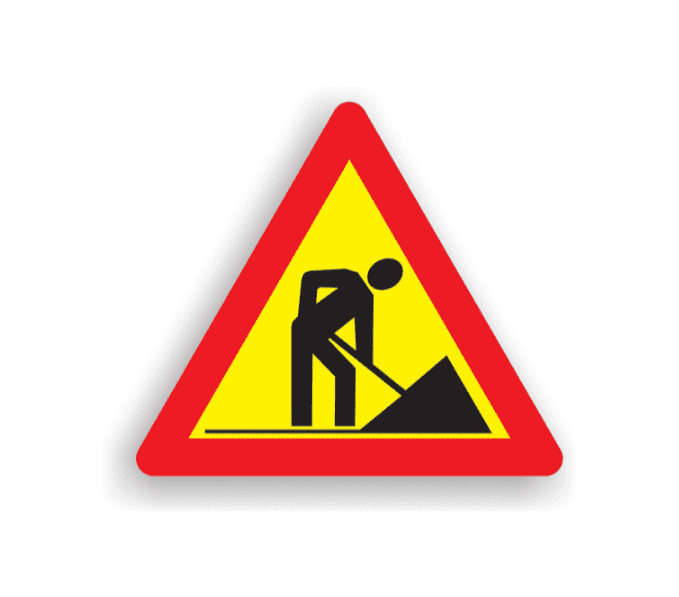
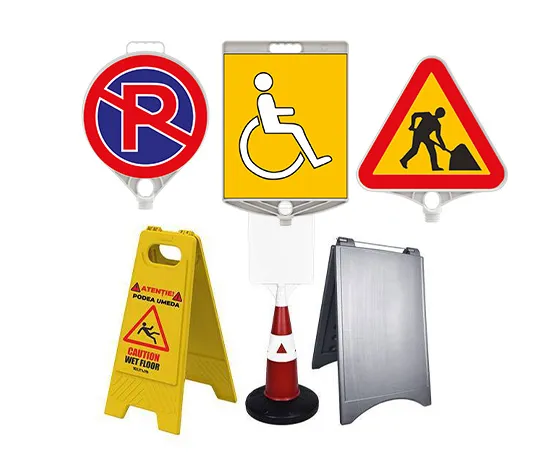
Signaling work zones: They are frequently used to delineate construction or repair areas on roads. They inform drivers about the presence of work and safely guide them around it.
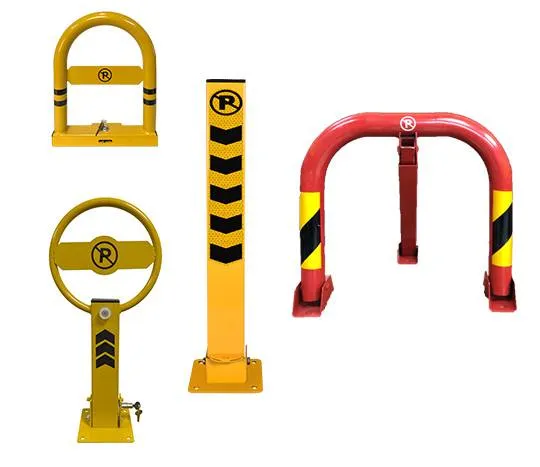
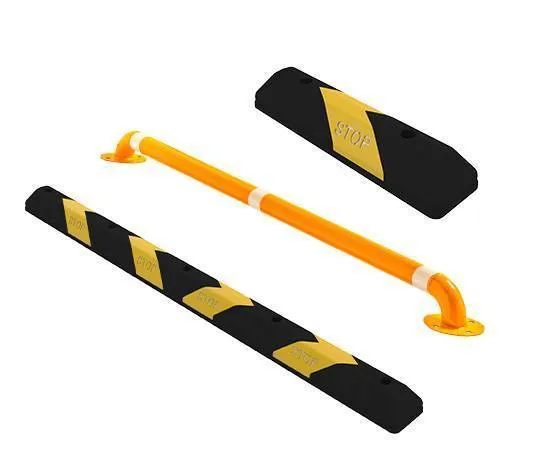
Parking management: In crowded parking lots, traffic cones help organize the flow of cars and delineate temporary or reserved parking spaces.
Crowd control at events: At large events, such as concerts or sporting events, cones are used to direct pedestrians and vehicles, ensuring a constant and organized flow of traffic.
3. Smart traffic cones: the future of traffic management
Technology has begun to transform even traffic cones. Smart traffic cones, equipped with sensors or solar-powered flashing lights, are becoming increasingly popular on modern roads. These innovations help enhance safety by providing additional visibility and by communicating directly with automated vehicles, which can detect the cones and adjust their route accordingly.
These smart solutions are especially used on high-traffic roads and in situations where drivers need to be quickly informed about changes in traffic. For example, in work zones or in case of accidents, smart cones can send signals to vehicles to warn them about obstacles or route changes.
4. The importance of maintenance and proper placement of cones
In addition to their obvious benefits, it is essential for traffic cones to be properly placed and regularly maintained. A damaged or incorrectly positioned cone can create confusion and increase the risk of accidents. Therefore, companies involved in traffic management must pay close attention to the quality and condition of the cones they use.
Conclusion
Traffic cones are much more than simple colored plastic objects placed on roads. They play a vital role in ensuring traffic safety, guiding drivers, and protecting workers on construction sites. As technology advances, we can anticipate an increase in the use of smart traffic cones, which will bring even more benefits in the efficient management of traffic. In this context, investing in quality, visible, and durable cones remains essential for any company operating in the field of road traffic.