



The role of speed bumps in improving safety on roads in residential areas
Speed bumps have become an essential solution for traffic management in residential areas, where the safety of pedestrians and residents is a priority. In these spaces, excessive vehicle speed can lead to serious accidents, often involving children, elderly people, or inattentive pedestrians. In this article, we will explore the importance of installing speed bumps in residential neighborhoods and their impact on quality of life and public safety.
The necessity of speed bumps in neighborhoods
Traffic in residential areas is not as intense as that on main arteries, but the risks of accidents are high due to the presence of pedestrians and the lack of infrastructure to completely separate vehicles from them. In many neighborhoods, sidewalks are narrow, pedestrian crossings are rare, and children often play near the roads. Under these conditions, a driver traveling at high speed has very little reaction time if a pedestrian appears on the road.
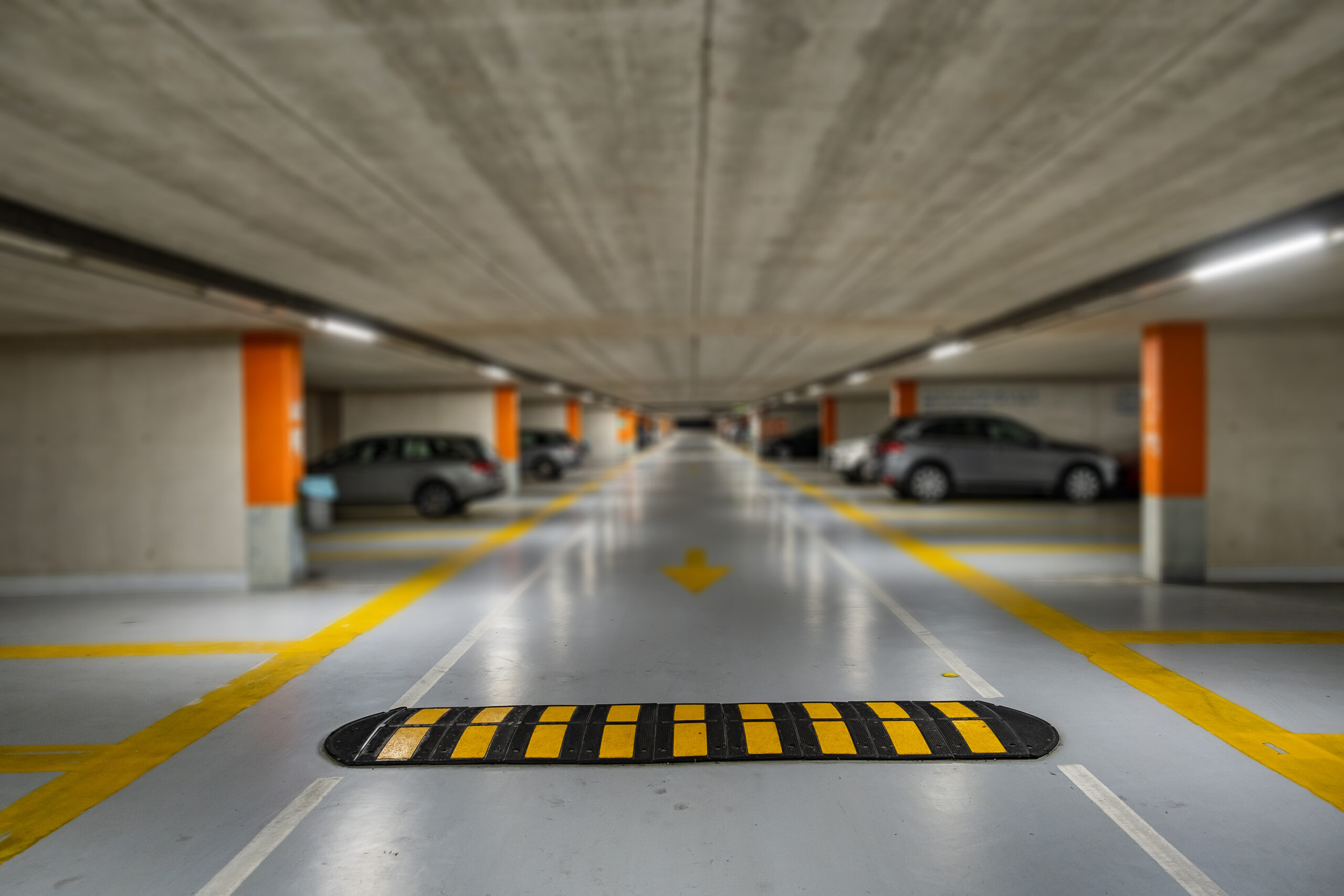
Speed bumps are installed to slow down vehicles and reduce the risks of accidents in such areas. These traffic calming devices are strategically placed near schools, kindergartens, parks, and other places frequented by vulnerable pedestrians. By reducing speed, drivers have more time to notice pedestrians and brake safely.
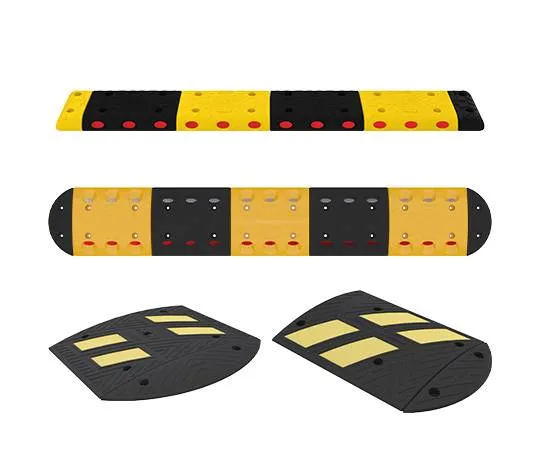
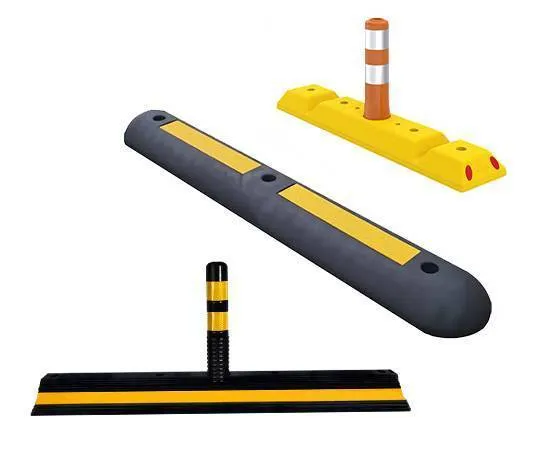
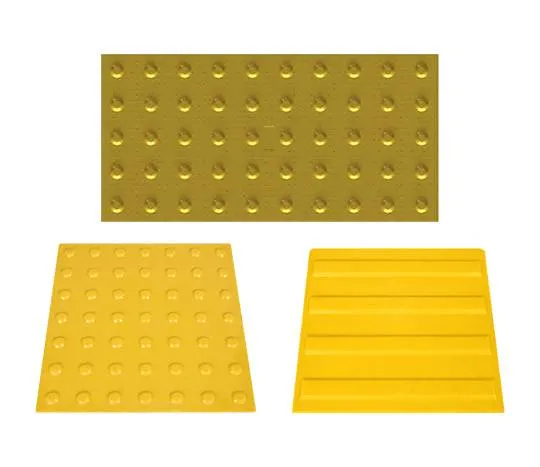
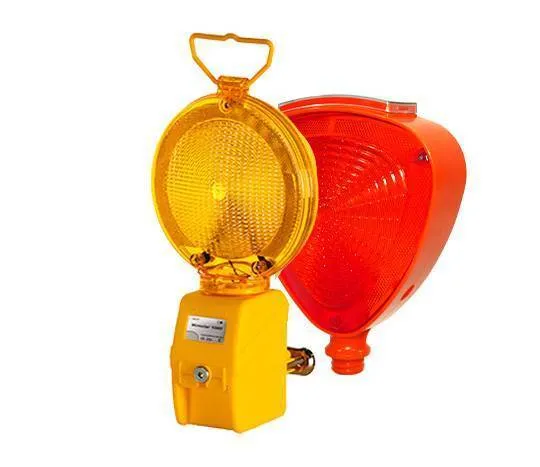
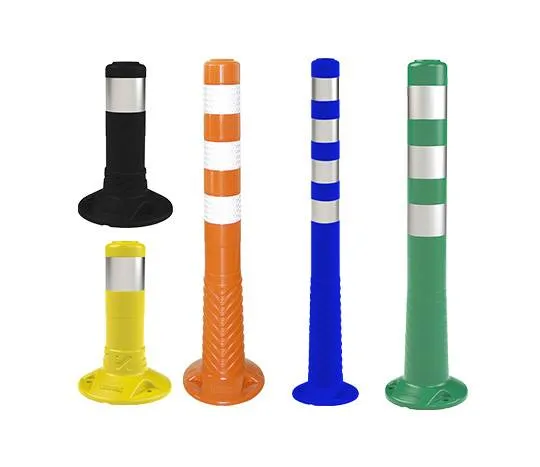
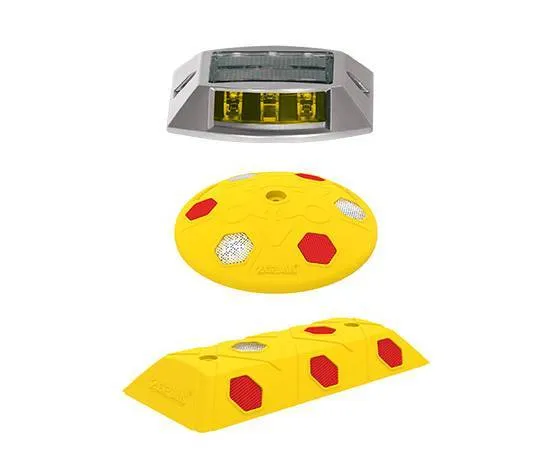
Best-selling Speed Bumps
The benefits of speed bumps for communities
One of the main advantages of installing speed bumps in residential neighborhoods is the improvement of pedestrian safety. Often, residents in such areas request authorities to install such devices to prevent accidents and ensure a safer living environment. A study conducted by the World Health Organization shows that reducing speed from 50 km/h to 30 km/h reduces the risk of death in case of an accident by up to 80%.
Additionally, speed bumps contribute to creating a quieter environment. Vehicles traveling at high speeds not only endanger the lives of pedestrians but also produce a lot of noise. The noise generated by engines, brakes, and sudden accelerations can affect the quality of life of residents. By reducing speed, noise is diminished, and residents can enjoy a more pleasant and less stressful environment.
Types of speed bumps used in residential areas
There are several types of speed bumps that can be installed depending on the specifics of the area. Among the most common are:
- Classic speed bumps - These are the most commonly encountered and consist of raised sections installed on the roadway, forcing vehicles to slow down significantly.
- Vibrating strips - These are devices mounted on the road surface that generate vibrations and noise when crossed by vehicles, alerting drivers to reduce speed.
- Continuous raised areas - These are raised platforms that cover the entire width of the road and are used at intersections in residential areas, reducing vehicle speed at pedestrian crossings.
All these types of speed bumps have a common goal – to reduce vehicle speed and enhance pedestrian safety.
Challenges and solutions
Although speed bumps bring multiple benefits, there are also criticisms regarding their use. Some drivers believe that they damage vehicles or hinder traffic, especially when too many are installed on a particular street. Additionally, in some cases, they can increase the response time of emergency vehicles.
However, solutions to these problems include using less aggressive speed bumps, such as vibrating strips, or installing speed bumps only at the most critical points regarding pedestrian safety. Collaboration between local authorities and communities is essential to identify places where speed bumps are truly necessary and to ensure effective implementation.
Conclusion
Speed bumps represent an effective and necessary solution for increasing safety in residential areas. By reducing vehicle speed, they protect vulnerable pedestrians, improve quality of life by diminishing noise, and contribute to creating a safer environment for all residents. Although there are challenges related to their use, with proper planning and active community involvement, speed bumps can bring significant long-term benefits.