











The Role of Road Sign Poles in Creating Smart Cities
In the modern era, the concept of "smart cities" is becoming increasingly popular. Smart cities utilize technology and efficient infrastructure to improve the lives of citizens, and a key aspect of this process is traffic management. An essential element of smart road infrastructure is represented by road sign poles. Although at first glance they may seem like mere supports for signs, in smart cities, these poles play a much more complex and sophisticated role.
Basic Infrastructure for Road Safety
Road sign poles have always been essential for traffic safety. Without them, signs could not be placed in visible and accessible locations for drivers and pedestrians. In modern cities, however, road sign poles are more than just simple metal structures. They must be durable, weather-resistant, and ensure maximum visibility under any conditions.
However, in a smart city, their basic function is not limited to supporting signs. In many places, these poles are designed to meet multiple requirements, from mounting surveillance cameras to integrating sensors that monitor traffic and environmental conditions.
Integration of IoT Technology
One of the main trends in smart cities is the use of the Internet of Things (IoT). In this context, road sign poles can be equipped with sensors that collect real-time data about traffic, weather conditions, or air quality. This information is then transmitted to authorities or traffic management systems, allowing them to respond quickly and effectively to various issues.
For example, poles can be equipped with sensors that detect vehicle flow and send data to smart traffic lights. These traffic lights can adjust waiting times based on traffic volume, thus reducing congestion and improving traffic flow in the city.
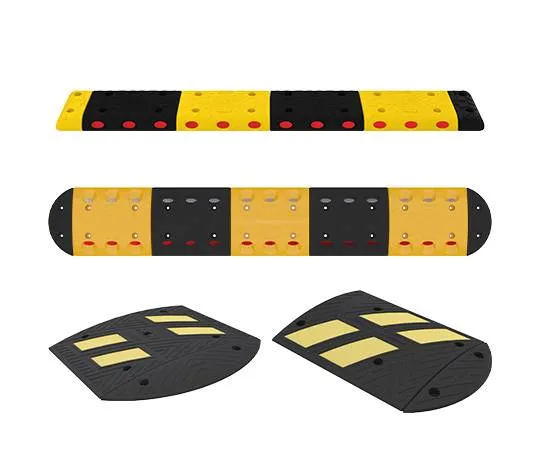
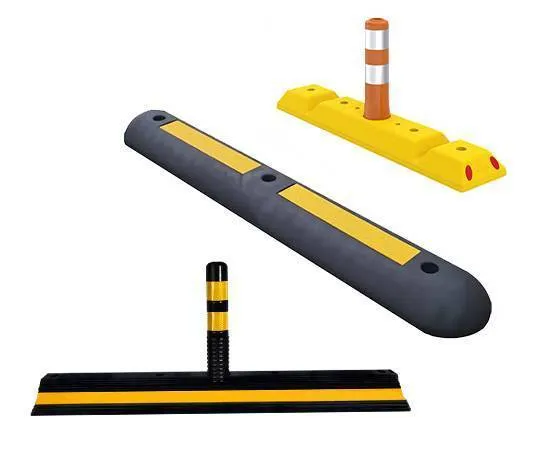
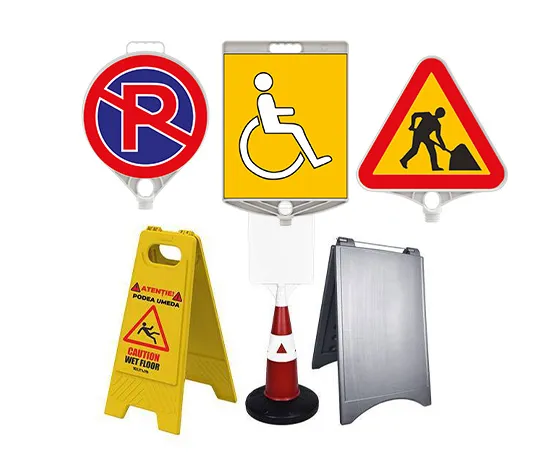
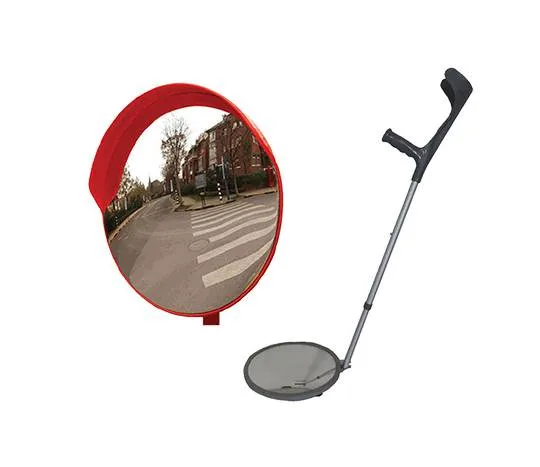
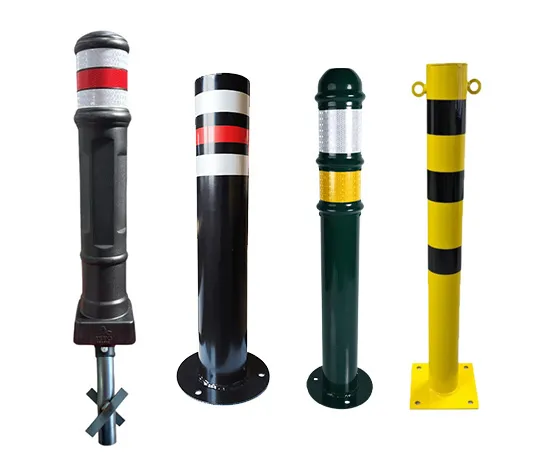
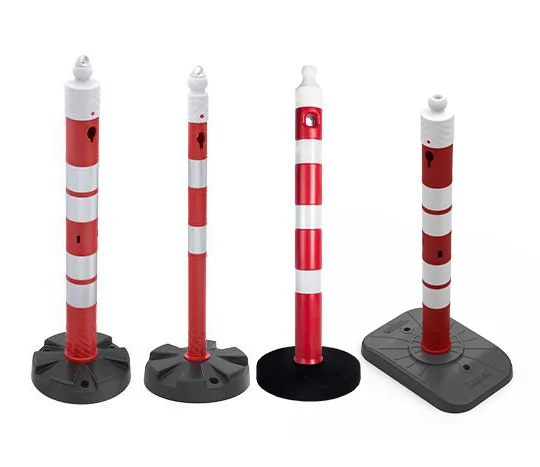
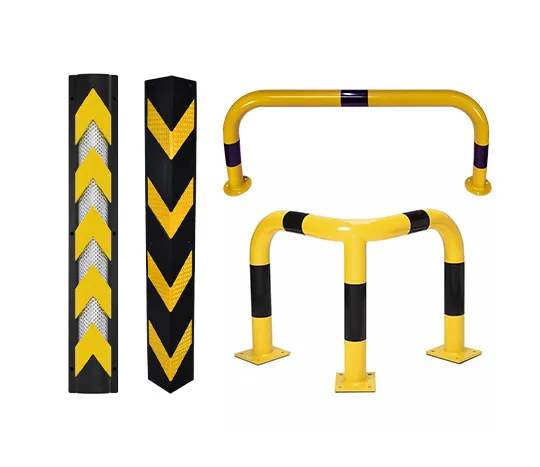
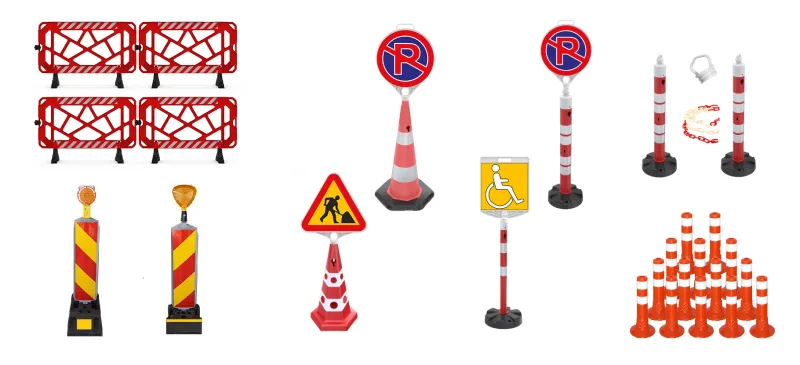
Best Selling Road Sign Pole Products
Photovoltaic Poles and Sustainability
Another important aspect in smart cities is sustainability. Instead of being just passive structures, road sign poles can be equipped with photovoltaic panels that generate electricity from sunlight. This energy can power street lighting or even local communication networks.
By using solar panels integrated on poles, smart cities can reduce their carbon footprint and contribute to environmental protection. Additionally, photovoltaic poles can be an ideal solution for isolated or rural areas where access to the electrical grid is limited.
Contributing to Road Safety with LED Lights
Another important innovation in the design of road sign poles is the use of LED technology. These poles can be equipped with integrated LED lights, making the signs much more visible, especially at night or in low visibility conditions, such as fog or heavy rain.
Moreover, the light produced by LEDs can be adjusted according to needs. For example, at night, the light intensity can automatically increase to ensure optimal visibility, while during the day, it can be reduced to save energy.
Modular Design and Flexibility
Smart cities are dynamic and constantly changing. Therefore, the infrastructure must be flexible and adaptable to the changing needs of the community. In this sense, road sign poles in smart cities are often designed with a modular design.
These modular poles allow for the rapid integration of new functionalities, such as mounting surveillance cameras, noise detection sensors, or even wireless communication devices. If a new technology emerges, these poles can be easily updated without requiring complete replacement.
Conclusion
Road sign poles are no longer just supports for signs, but vital elements in a smart city, capable of significantly improving traffic management and road safety. The integration of modern technologies, such as IoT and LED, transforms these poles into an important tool for sustainable and efficient cities. As cities continue to evolve, road sign poles will play an even more crucial role in ensuring a safe and well-organized urban environment.