





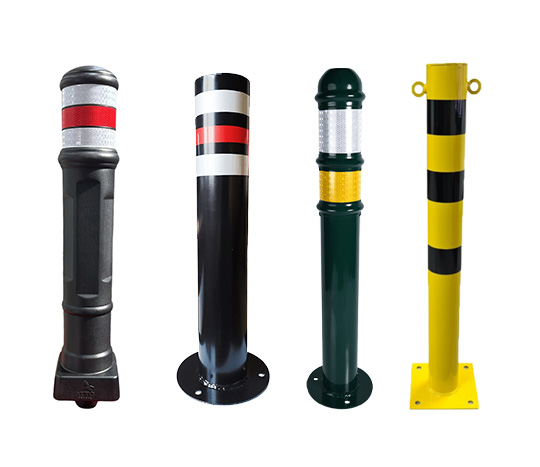
The Role of Metal Poles in the Development of Sustainable Urban Infrastructure
In a world where urban development is rapidly expanding, the need for solid and durable infrastructure becomes essential. One of the key elements in the construction of transport infrastructure and road safety is metal poles, which play a vital role in traffic organization and public protection. From supporting road signs to delineating hazardous areas or managing vehicle flow, metal poles are fundamental in ensuring an efficient and safe infrastructure.
The Durability of Metal Poles: The Ideal Solution for Extreme Conditions
One of the main characteristics that makes metal poles extremely valuable in urban infrastructure is their durability. Metal is a resilient material capable of withstanding extreme weather conditions, such as strong winds, heavy rains, or large temperature fluctuations. This aspect makes them an ideal solution for long-term use, without the need for frequent maintenance or replacement interventions.
Additionally, metal poles are resistant to corrosion, especially if they are properly treated with protective coatings against rust, such as galvanization. This ensures a longer lifespan and optimal performance, even in environments with high humidity or in areas constantly exposed to natural elements.
Design Versatility and Functionality
Metal poles are not only durable solutions but also extremely versatile in terms of design. They can be adapted for a variety of purposes and locations, from main roads to public spaces or industrial areas. They can have variable shapes and sizes, depending on the specific needs of the project, offering great flexibility in their integration into various types of infrastructure.
Their extensive functionality is another reason why they are preferred in urban environments. These poles can support road signs, traffic lights, surveillance cameras, information panels, or even public lighting systems. This multifunctionality makes metal poles an economical and efficient choice, as they can fulfill multiple roles simultaneously.
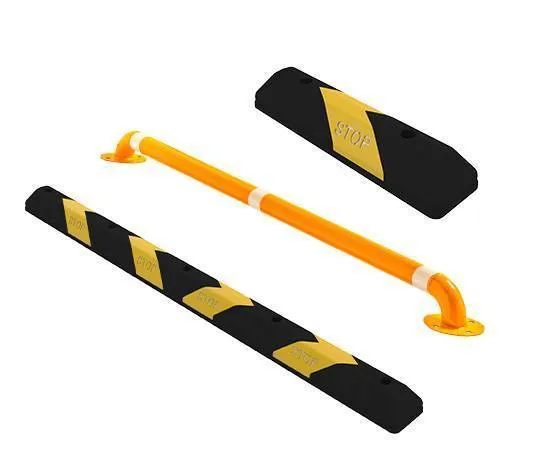
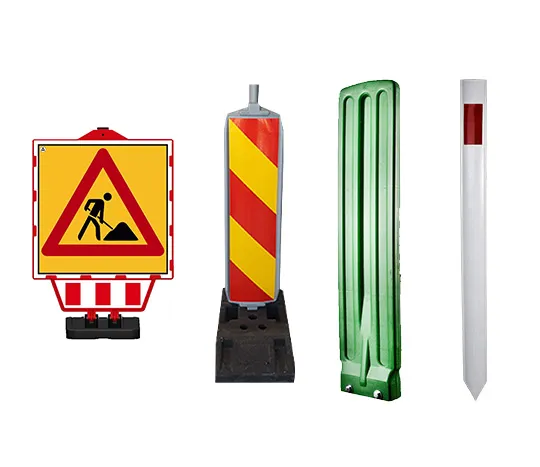
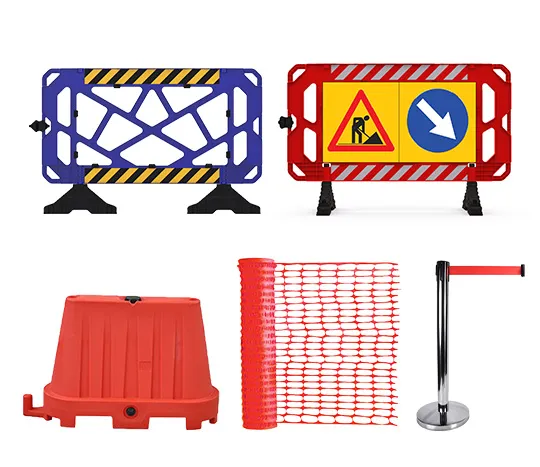
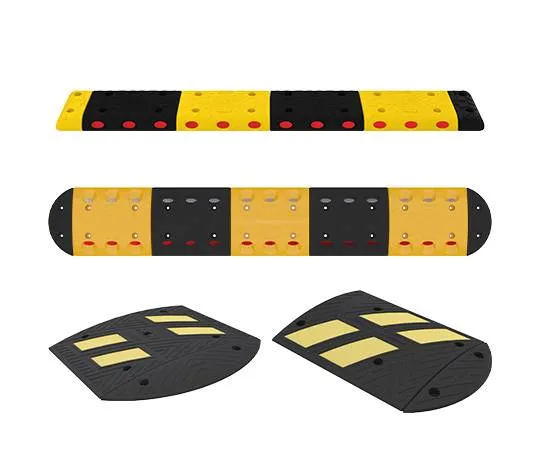
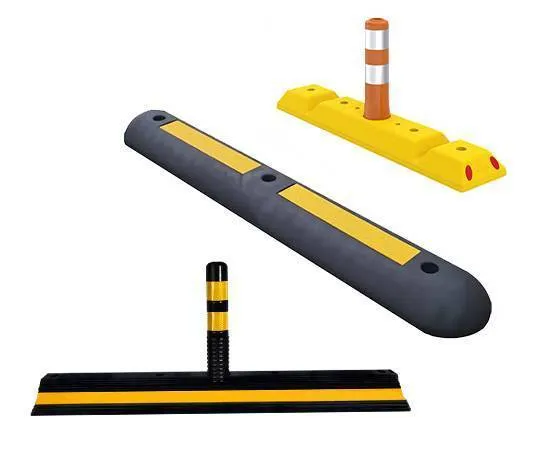
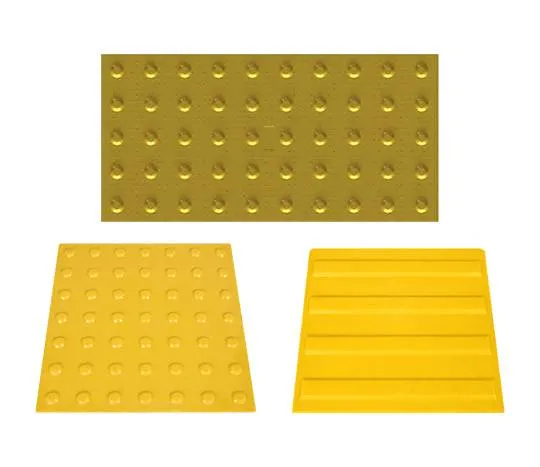
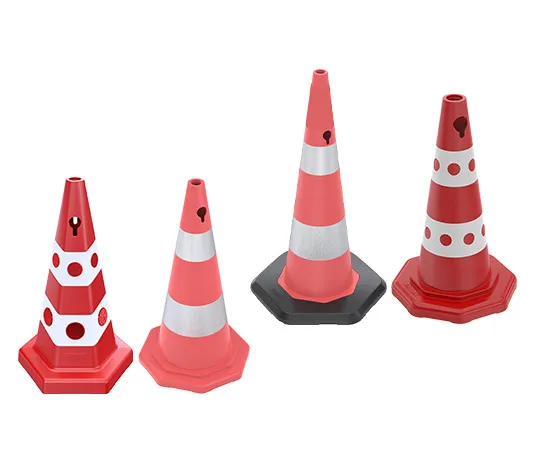
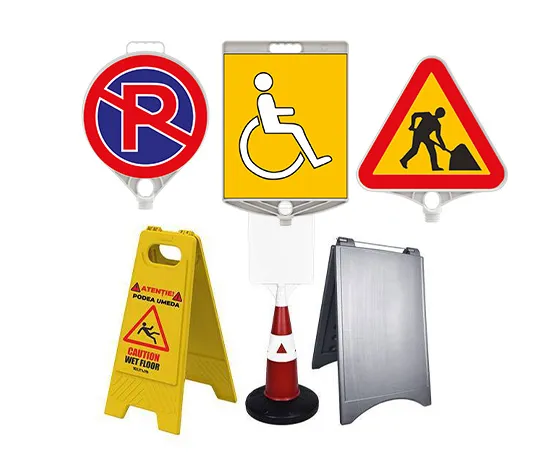
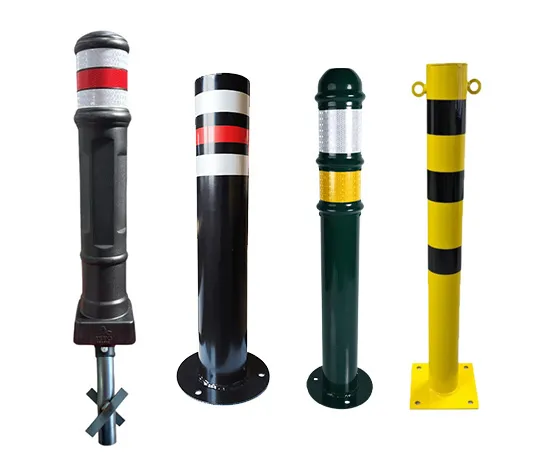
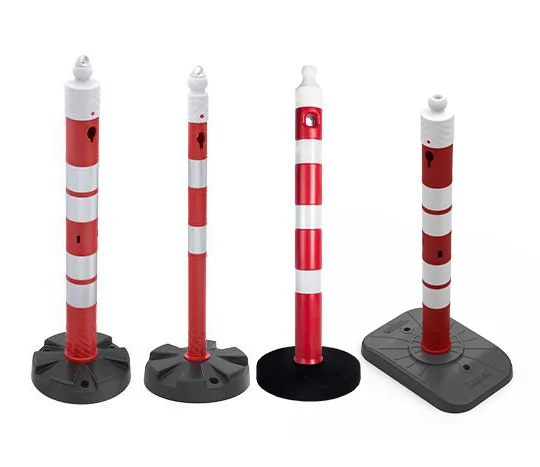
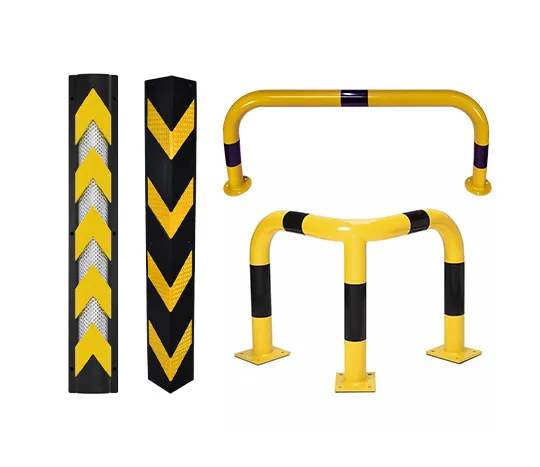
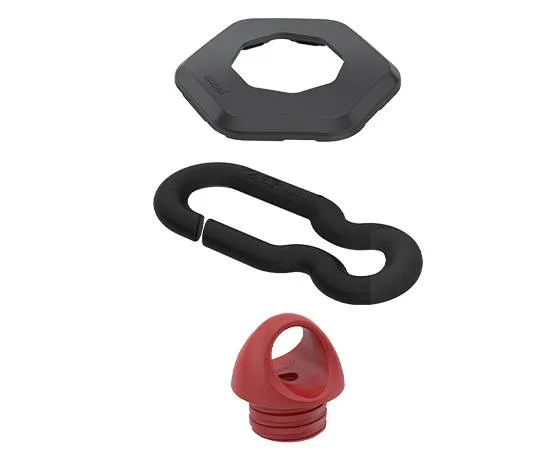
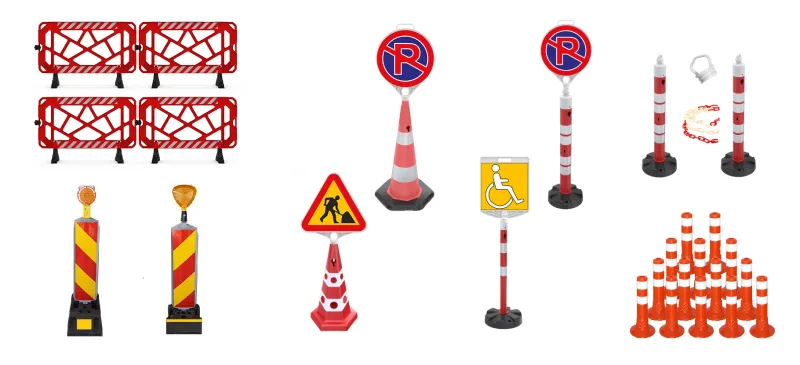
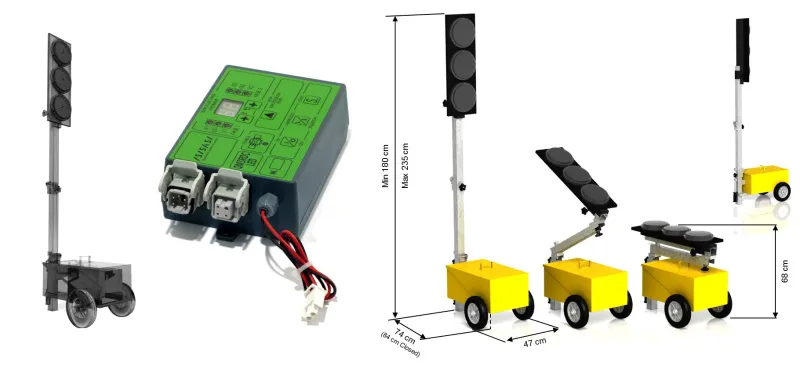
Best-Selling Metal Poles Products
Road Safety and Metal Poles
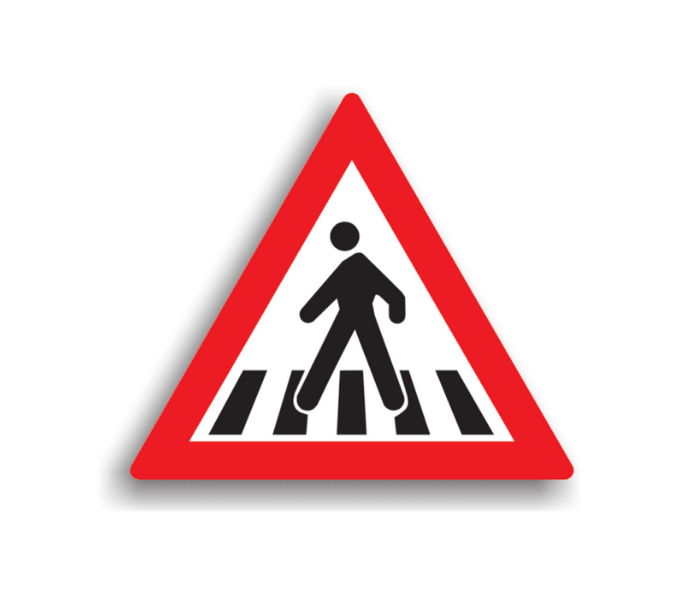
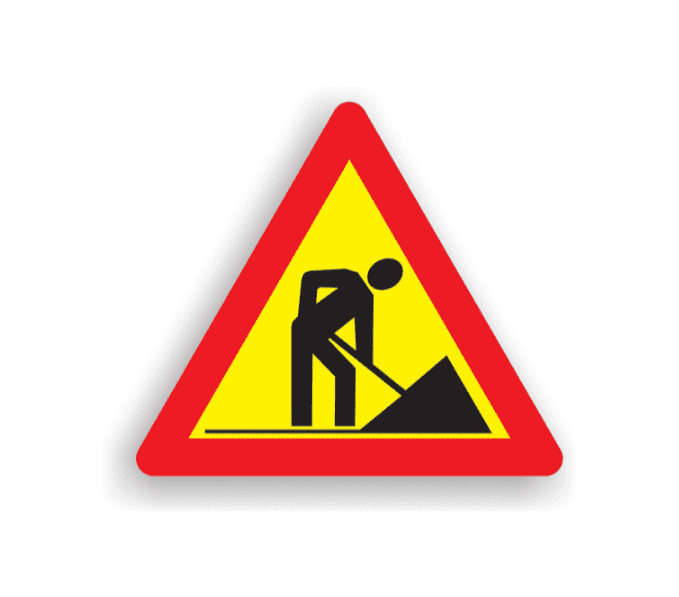
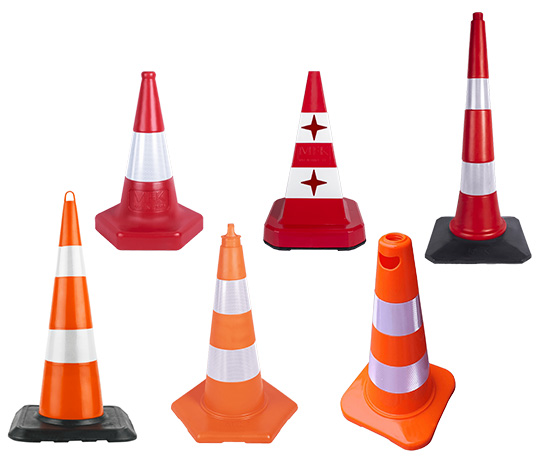
In the road environment, safety is a priority, and metal poles significantly contribute to maintaining safe and well-organized traffic. The correct placement of poles along roads and intersections helps prevent accidents by providing visible and accurate information to drivers. Furthermore, metal poles can be used to delineate hazardous areas or to signal temporary construction works, thereby reducing the risk of incidents.
Moreover, metal poles are also used to mount various traffic monitoring devices, such as radars or video cameras, which serve to deter dangerous behavior and record traffic rule violations. Thus, they indirectly contribute to increasing safety levels on public roads.
Sustainability in Modern Infrastructure
Currently, sustainability is a topic of great interest in any urban development project. Metal poles represent a sustainable solution from multiple perspectives. Firstly, metal can be completely recycled, which helps reduce waste and conserve natural resources. When a metal pole reaches the end of its life cycle, it can be melted down and reused in the manufacture of new metal products.
Additionally, the production process of metal poles has evolved significantly, reducing energy consumption and carbon emissions associated with metal processing. This improvement makes the use of metal poles more environmentally friendly, perfectly integrating into the sustainable development philosophy promoted by major smart cities.
Conclusion
Metal poles are an essential element in road and urban infrastructure, providing durability, versatility, and functionality. Their role extends beyond just supporting road signs; it includes ensuring safety and managing traffic while contributing to the sustainability of construction projects. In a world where cities are becoming increasingly crowded and complex, metal poles continue to play a crucial role in maintaining an efficient and safe infrastructure for all road users.