





Traffic Separators: The Ideal Solution for Safety and Traffic Efficiency
Traffic separators are an essential component in managing road traffic, contributing to increased safety and organization on public roads. These infrastructure elements are used to separate lanes of traffic moving in opposite directions, preventing head-on collisions and reducing the risk of accidents. Traffic separators are versatile and effective solutions, used on both busy roads and in low-traffic areas, ensuring smooth and safe circulation for all road users.
What are traffic separators?
Traffic separators are physical devices placed on roads, designed to separate traffic moving in opposite directions or to guide vehicles in a specific direction. They are typically made from durable materials such as concrete, plastic, or rubber, and are equipped with reflective elements to be visible at night or in adverse weather conditions. Depending on the needs of the road infrastructure, traffic separators can be permanent or temporary.
The most common types of separators include:
Concrete separators: These are used on highways and main roads, providing a solid barrier between traffic directions and thus preventing the accidental crossing of vehicles into oncoming traffic.
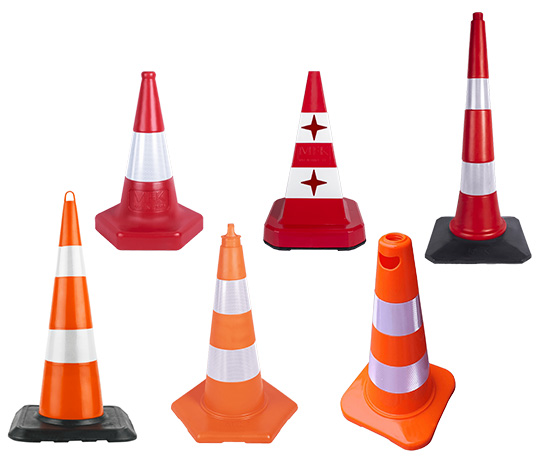
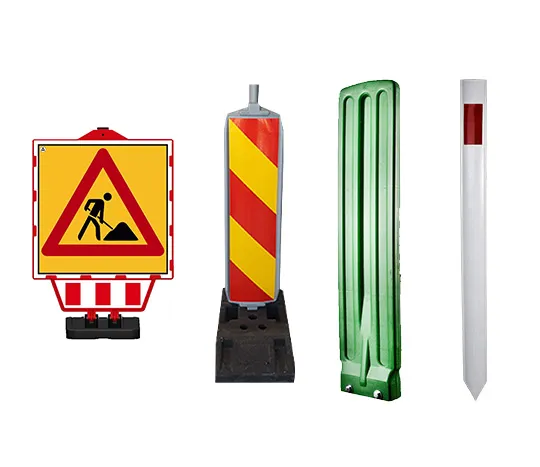
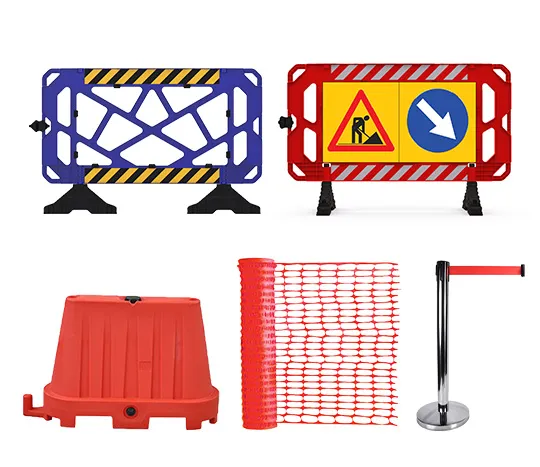
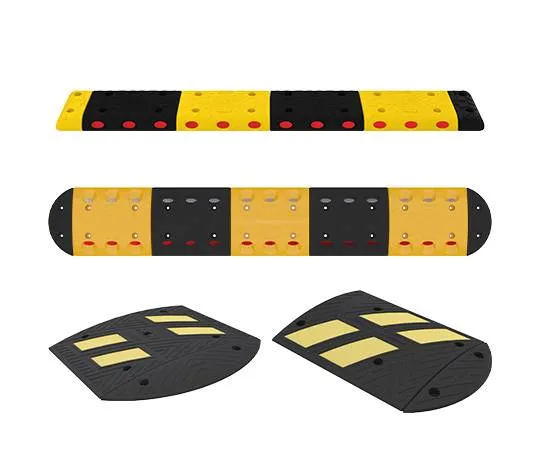
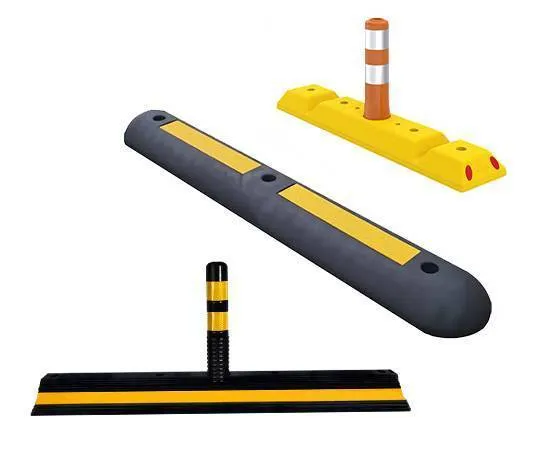
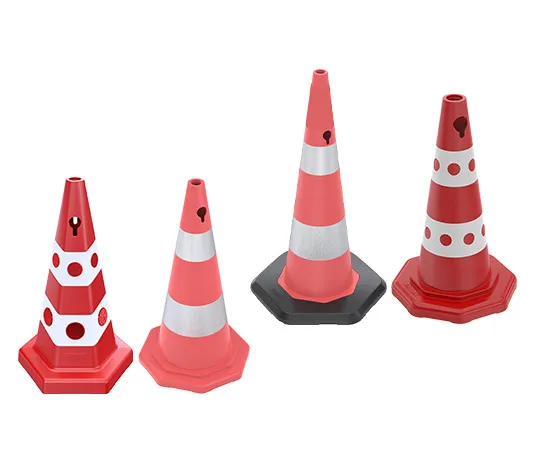
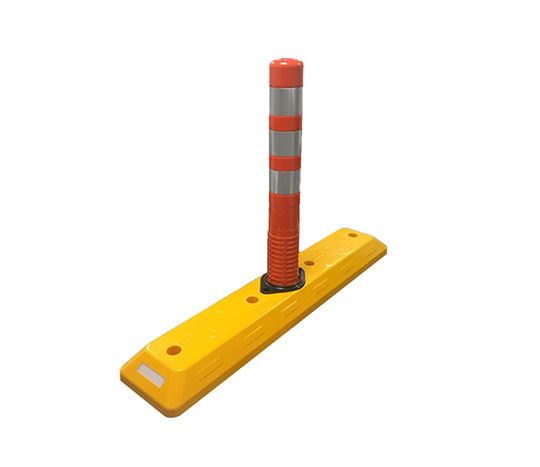
Plastic or rubber separators: These are lighter and easy to install, often used in low-traffic areas or in temporary situations, such as construction work or public events.
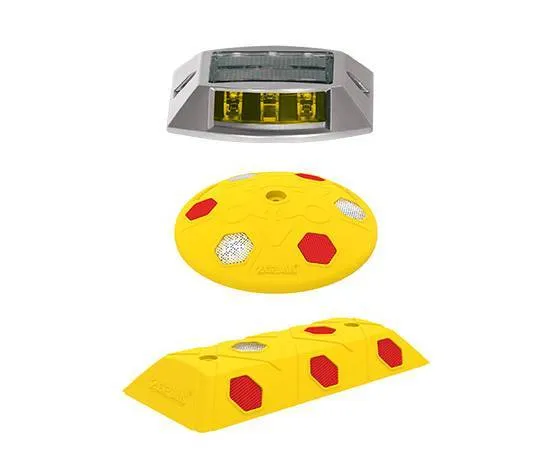
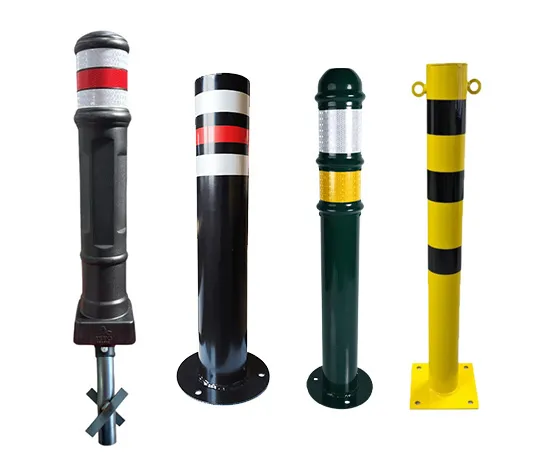
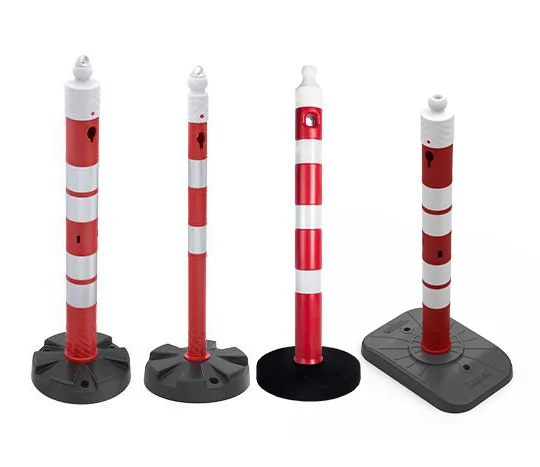
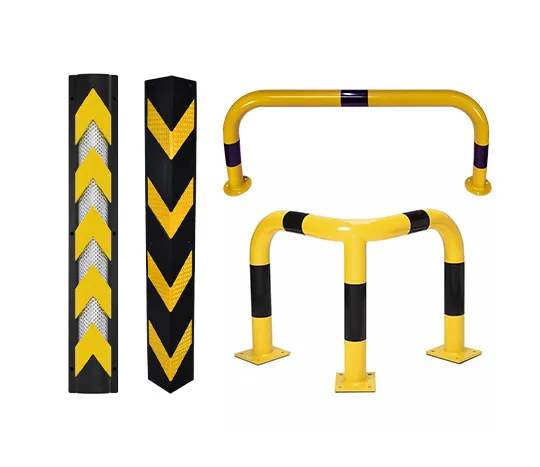
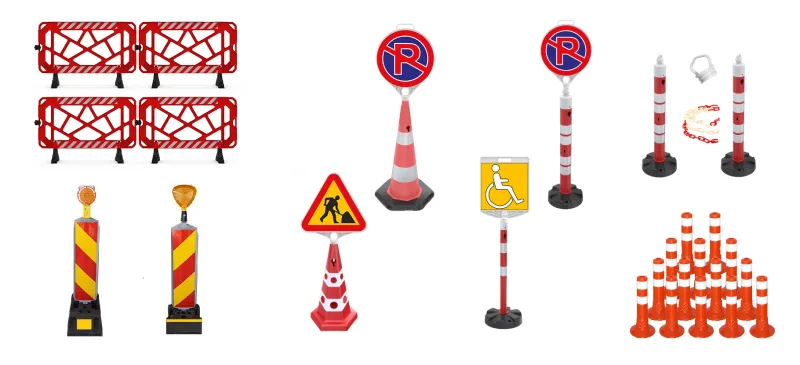
Best-Selling Traffic Separator Products
Advantages of Using Traffic Separators
Prevention of head-on collisions: One of the most important functions of traffic separators is the prevention of head-on collisions, which are often the most severe types of road accidents. By clearly separating traffic directions, these devices significantly reduce the risk of vehicles entering oncoming traffic.
Traffic guidance: Traffic separators help organize traffic and keep vehicles in the correct direction. Especially on multi-lane roads or in complex intersections, they ensure that drivers follow the established route and that traffic flows smoothly and safely.
Increased visibility: Traffic separators are usually equipped with reflective elements, making them easy to see at night or in low visibility conditions. This is particularly important in hazardous areas, such as sharp curves or busy intersections.
Flexible and durable solution: Depending on the type and material they are made from, traffic separators can be installed permanently or temporarily. Models made from plastic or rubber are easy to move and can be used temporarily, such as during road maintenance, while concrete separators provide a permanent and robust solution for main roads.
Applications of Traffic Separators
Traffic separators have a wide range of applications, being used on various types of roads and in different situations to enhance safety and traffic organization. Some of the most common applications include:
Highways and main roads: On roads with heavy traffic, concrete traffic separators are essential for preventing head-on collisions and maintaining a constant flow of vehicles. They are placed between opposing traffic lanes, providing a solid barrier between directions of travel.
Construction zones: During maintenance or construction work on roads, temporary traffic separators are used to redirect traffic and delineate work areas. They contribute to the safety of workers and maintain orderly traffic in affected areas.
Complex intersections: In large or complex intersections, traffic separators are used to guide vehicles in the correct direction and prevent blockages. They help clarify routes for drivers and reduce the risk of accidents.
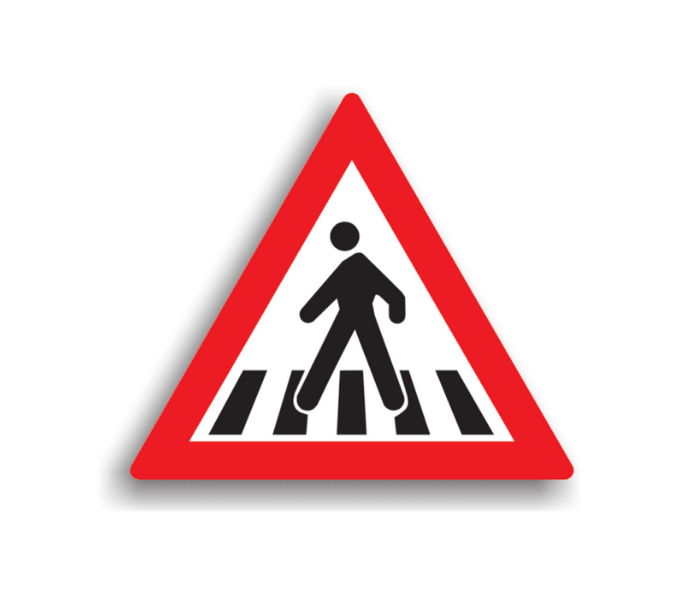
Pedestrian areas: Traffic separators are also used near pedestrian crossings or in areas with high pedestrian traffic, to clearly delineate vehicle zones from those intended for pedestrians, thus ensuring the safety of both parties.
Conclusion
Traffic separators are a crucial element of road infrastructure, significantly contributing to the safety and organization of traffic on public roads. With a variety of applications, from highways to pedestrian areas or construction sites, traffic separators help prevent accidents and maintain smooth and efficient circulation. Whether used temporarily or permanently, these devices are an essential solution for any modern road system, ensuring a safe and well-organized environment for all road users.