





Modern solutions for speed control in urban and rural areas
Speed bumps play an essential role in road safety, both in urban and rural areas. While they are often associated with city roads, where traffic is heavy and varied, their usefulness is not limited to urban congestion. In rural environments, where roads are less traveled but vehicle speeds can be much higher, these solutions become equally important for preventing accidents and protecting lives. This article aims to explore the benefits and uses of speed bumps in various contexts and to highlight the importance of their implementation.
The role of speed bumps in urban areas
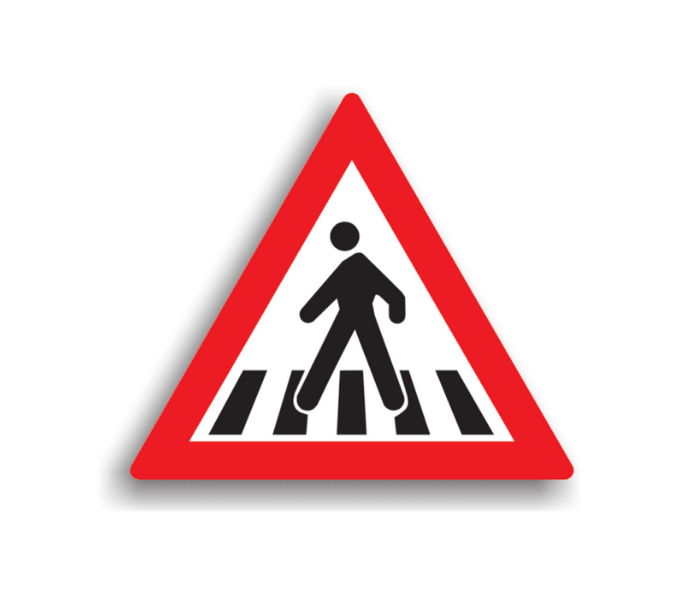
In cities, speed bumps are indispensable for ensuring safe traffic in residential neighborhoods, near schools, parks, and other areas where pedestrians and cyclists are frequently present. In the absence of these measures, vehicles can travel at dangerous speeds, increasing the risk of accidents.
Speed bumps force drivers to significantly slow down, making the streets safer. Additionally, their presence helps reduce noise generated by traffic, thereby improving the quality of life for residents in nearby areas. By creating a quieter and safer environment, speed bumps enhance the comfort level of those who live or work near heavily trafficked roads.
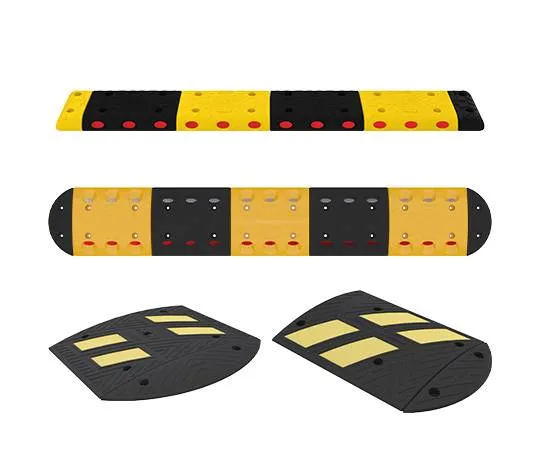
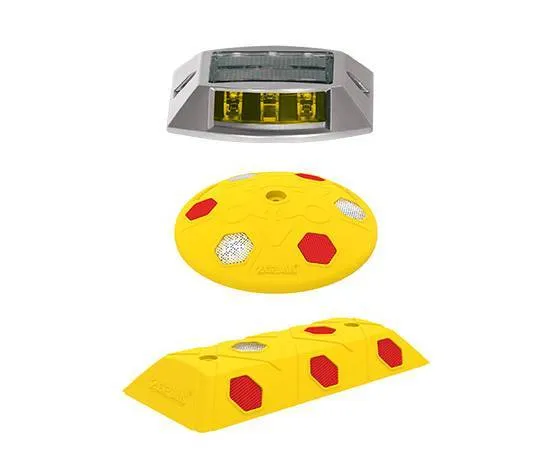
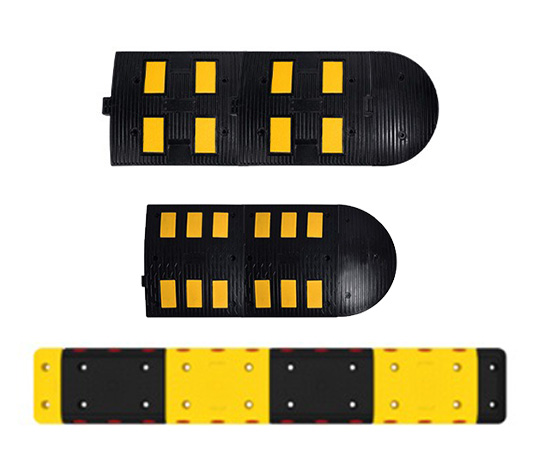
Best-selling Speed Bumps
The use of speed bumps in rural areas
Although most people associate speed bumps with cities, these devices are equally useful on roads in rural areas. In villages or towns crossed by national roads, where speeds can be very high, speed bumps are essential for preventing serious accidents. Often, drivers tend to ignore speed limits when passing through these localities, endangering residents.
In this context, speed bumps play a crucial role in protecting pedestrians, especially children and the elderly who are more vulnerable in traffic. Additionally, they help maintain order around schools or other public institutions located along main roads.
Innovative types of speed bumps
With advancements in technology, various new types of speed bumps have emerged that offer more efficient and less intrusive solutions. Among these are:
Adjustable speed bumps: These bumps can be adjusted to meet different traffic needs. For example, they can be raised higher during peak hours when pedestrian traffic is intense and lowered during periods of reduced traffic.
Speed bumps with sensors: These devices are equipped with sensors that detect vehicle speeds and alert those exceeding the limit. Additionally, they can be connected to road signaling systems to improve visibility and provide additional warnings to drivers.
Temporary speed bumps: These are frequently used on road construction sites or in other temporarily hazardous areas where a temporary speed reduction is necessary. They are easy to install and remove, providing a flexible solution for managing traffic under special conditions.
Impact on the environment and traffic
Although speed bumps are sometimes criticized for potentially causing higher fuel consumption and emissions, their benefits regarding road safety far outweigh these disadvantages. Furthermore, some studies suggest that by reducing the average speed of vehicles, speed bumps can contribute to lower fuel consumption in urban areas.
At the same time, they help to smooth traffic flow, forcing drivers to adopt calmer and more attentive driving behavior. This not only reduces the risk of accidents but also the time spent in traffic jams caused by aggressive driving behavior.
Conclusion
Speed bumps are an essential tool for managing vehicle speeds and ensuring road safety, both in urban and rural environments. The diversity of types of bumps available today offers flexible and effective solutions for any context, contributing to reducing accidents and improving the quality of life in communities. Whether used in busy cities or quiet rural roads, the positive impact of these devices is undeniable.