Traffic Sign Poles: Choose Correctly for Safety and Traffic Efficiency
In the modern world, efficient traffic management and ensuring road safety are essential for preventing accidents and maintaining order on the roads. A key element in this equation is the correct choice of poles for traffic signs. This article explores the various aspects to consider when choosing poles for traffic signs, highlighting the importance of their functionality and durability.
1. Manufacturing Materials
Traffic sign poles can be made from a variety of materials, each with its advantages and disadvantages. The most common materials include:
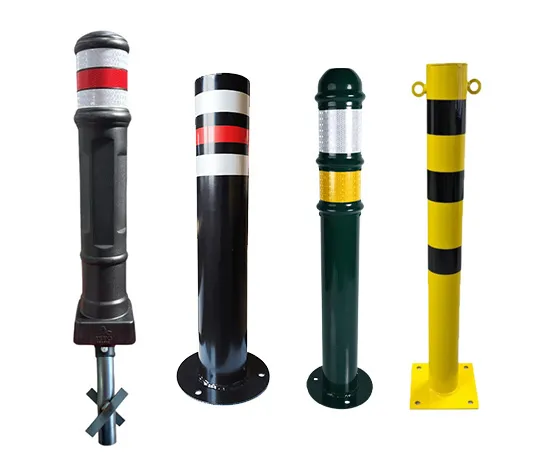
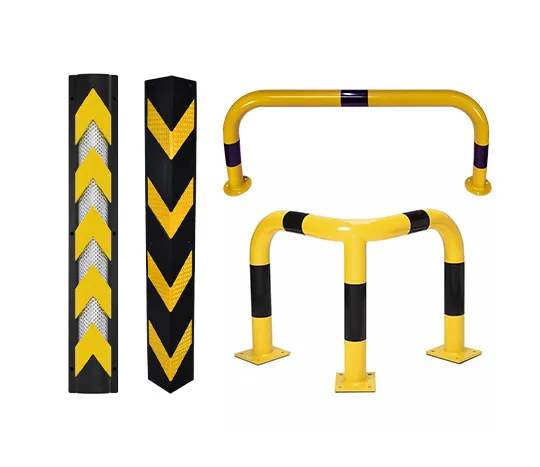
Metal: Usually, steel or aluminum is used for metal poles. These materials are valued for their durability and resistance to severe weather conditions. Metal poles are often coated with a protective layer against corrosion, thus extending their lifespan.
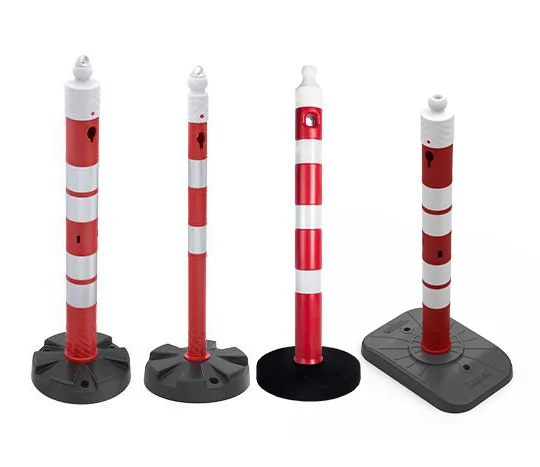
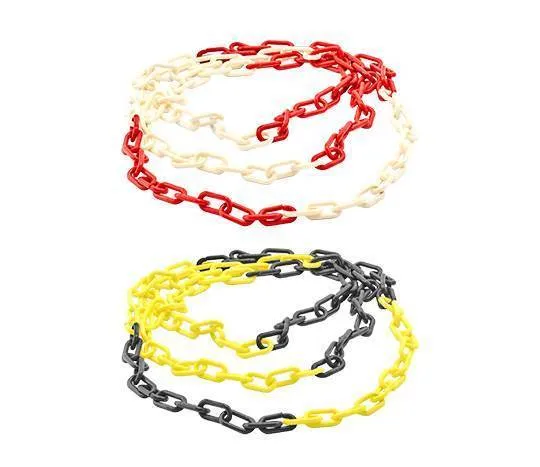
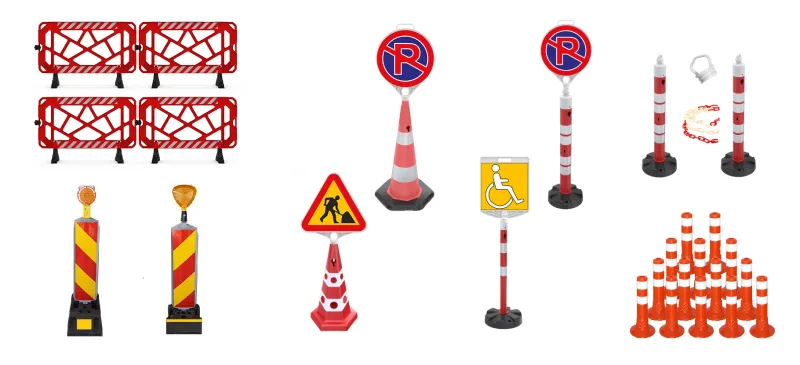
Plastic: Plastic poles are lighter and more economical than metal ones. They are typically used in areas with light traffic or as a temporary solution. Plastic is resistant to corrosion but may be less robust than metal against strong impacts.
Concrete: Although less commonly used for traffic sign poles, concrete poles are extremely durable and resistant to vandalism. This material is ideal for areas at high risk of damage.
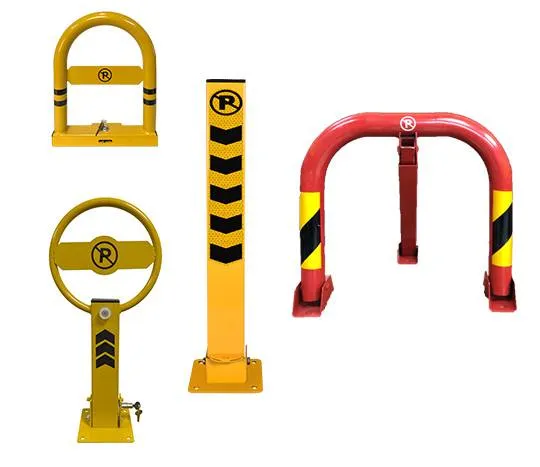
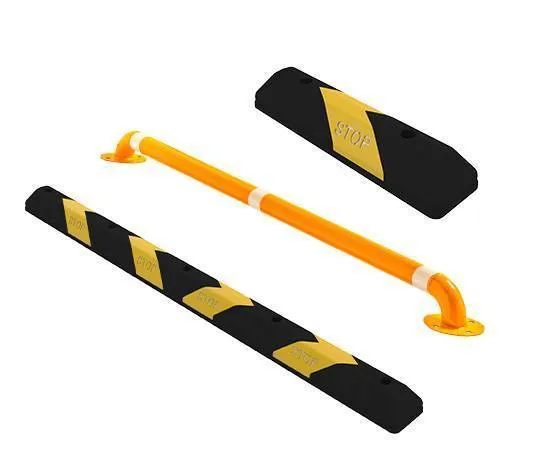
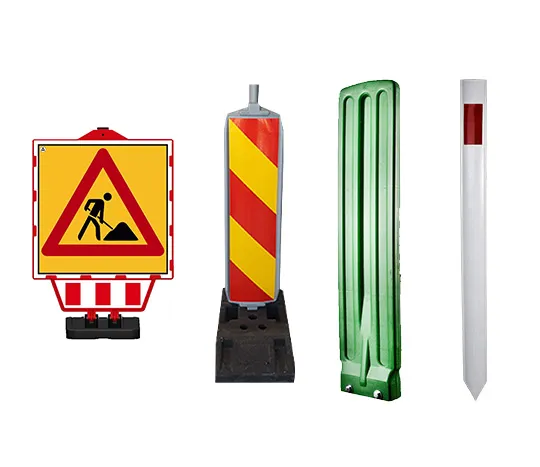
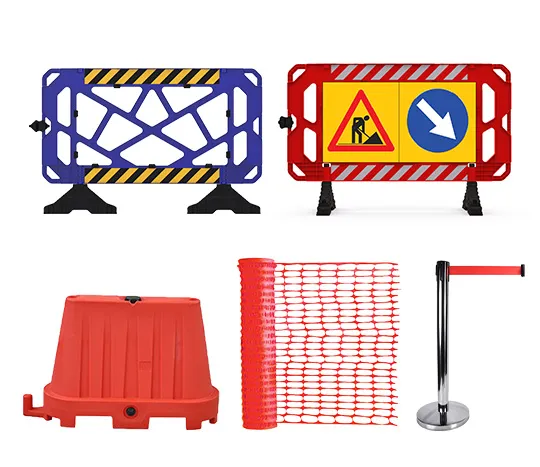
Best-Selling Traffic Sign Poles
2. Design and Aesthetics
Choosing the right design of poles can influence not only functionality but also the aesthetic appearance of the road. Poles should be visible and harmoniously integrate into the urban or rural landscape. Some design options include:
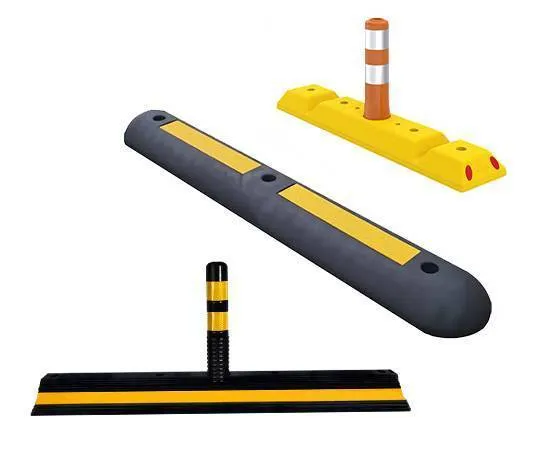
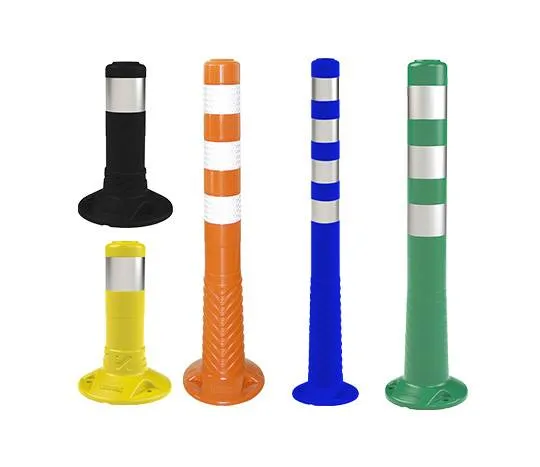
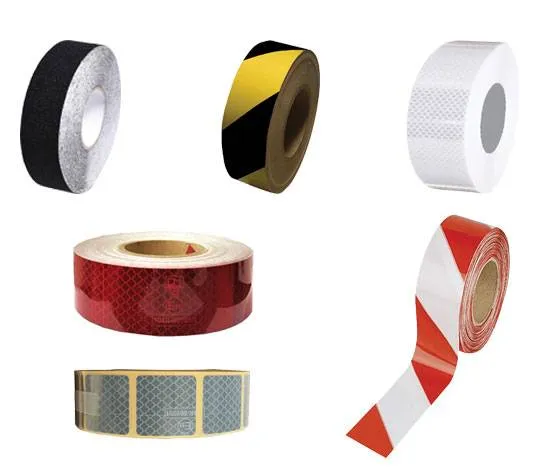
Reflective Poles: These have a reflective layer that enhances visibility at night or in low visibility conditions.
Custom Poles: This type of pole can be customized with different colors and shapes to match local branding or the city's design specifications.
3. Installation and Maintenance
Proper installation of traffic sign poles is crucial for ensuring their long-term functionality. It is important to follow local regulations and safety standards. Additionally, regular maintenance is essential to prevent premature deterioration. Poles should be periodically checked to ensure they are not corroded, damaged, or weakened.
4. Cost and Budget
The cost of poles varies depending on material, design, and size. It is important to consider the available budget and strike a balance between costs and durability. Investing in high-quality poles can reduce maintenance and replacement costs in the long run.
Conclusion
The correct choice of poles for traffic signs is an essential aspect of traffic management and ensuring road safety. By selecting appropriate materials, the right design, and implementing an effective maintenance plan, the efficiency and durability of the traffic signaling system can be significantly improved. It is important to make an informed choice to ensure a safe and well-organized road environment.