

Metal Poles: Functionality, Durability, and Safety in Road Infrastructure
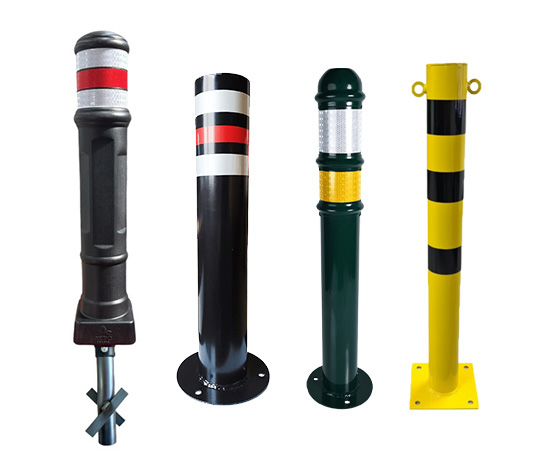
Metal poles are essential components of modern infrastructure, providing a robust and durable solution for various road and urban applications. They are used for signaling, street lighting, traffic zone delineation, and the protection of pedestrians or vehicles, playing a crucial role in ensuring the safety and functionality of roads.
The Importance of Durable Materials in Infrastructure
One of the main advantages of metal poles is their durability. Manufacturing them from steel or aluminum ensures superior resistance to weather, environmental factors, and physical impacts. Unlike other materials, such as wood or concrete, metal poles require less long-term maintenance and are more resistant to corrosion, especially if galvanized or treated with protective coatings.
The strength of metal poles is essential to prevent damage caused by road accidents or extreme weather conditions. They must be strong enough to withstand minor impacts and ensure the safety of all road users.
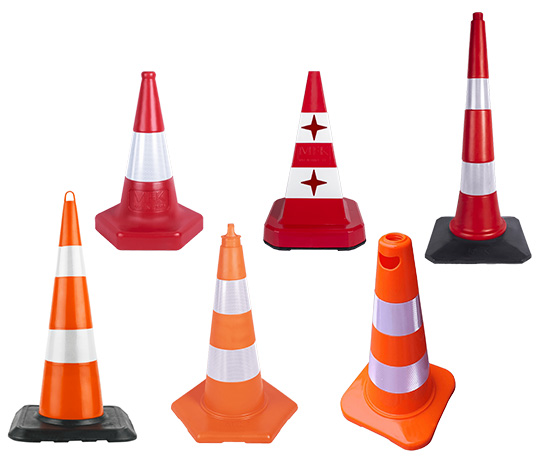
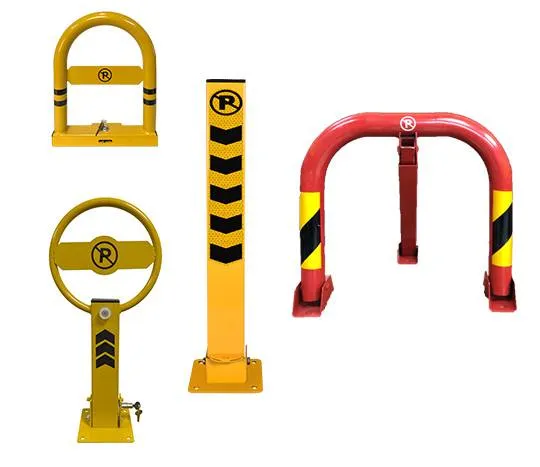
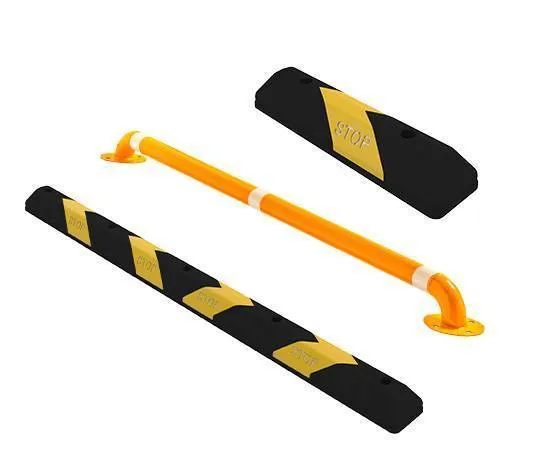
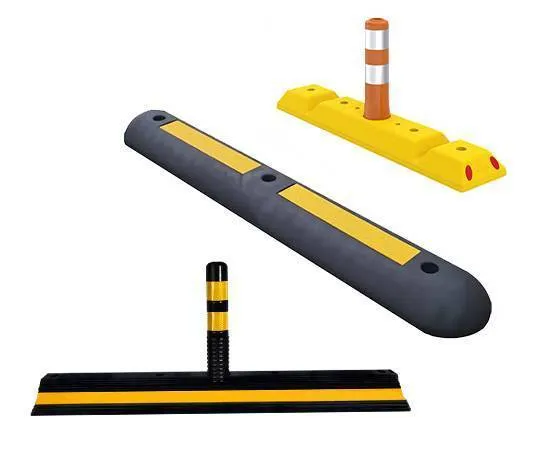
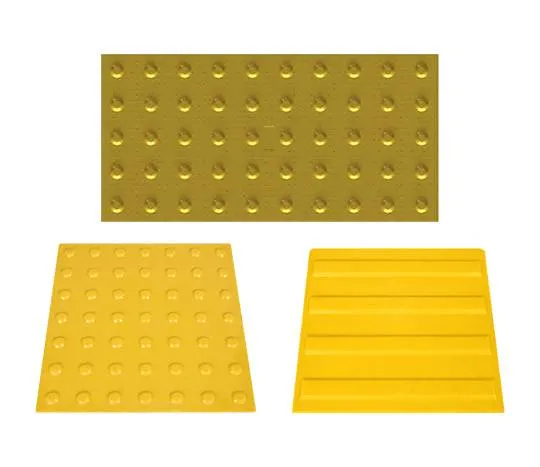
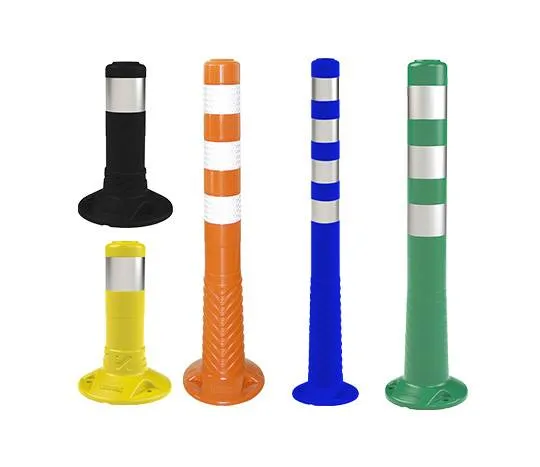
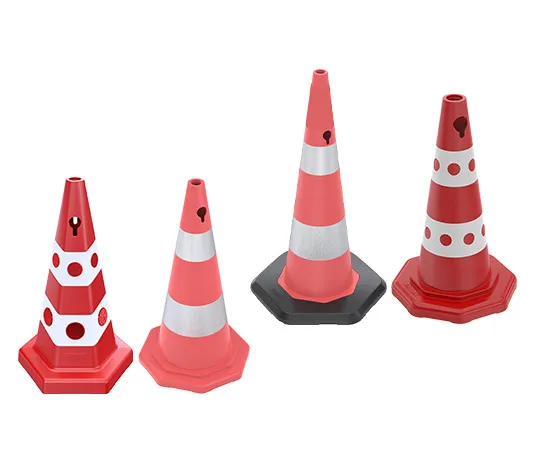
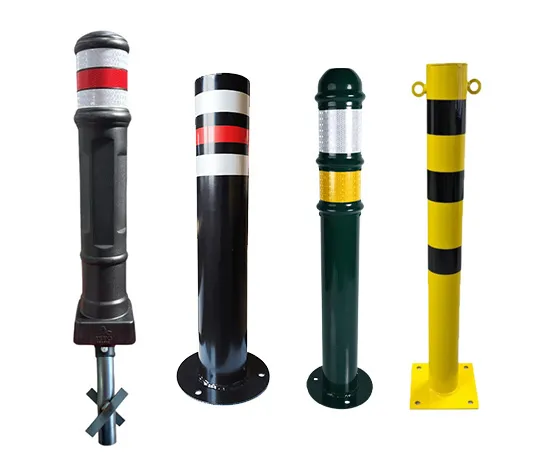
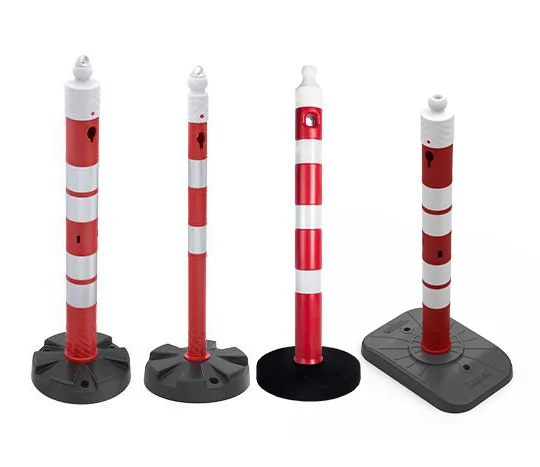
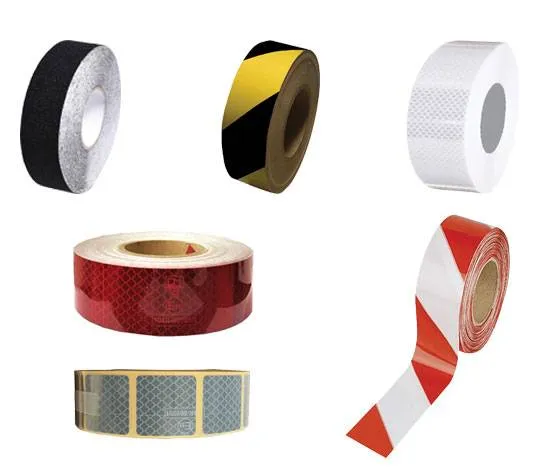
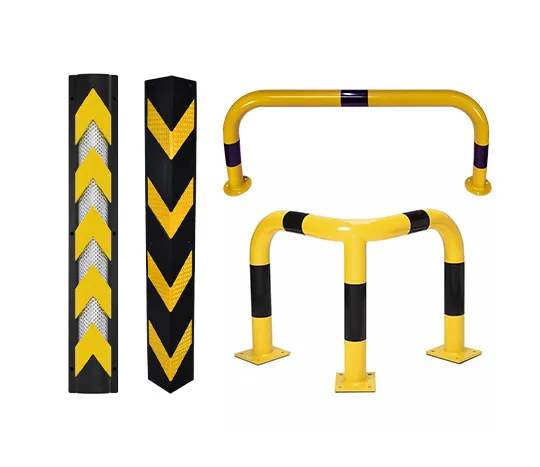
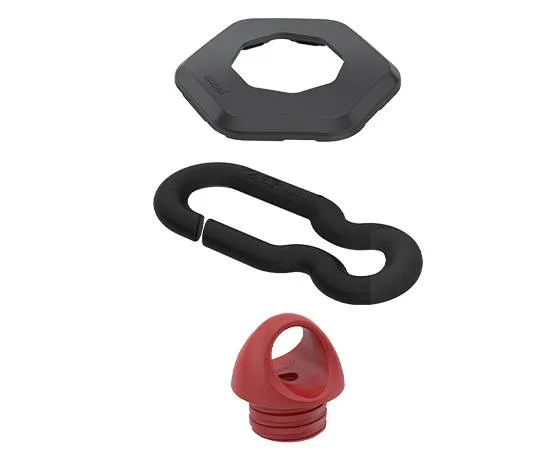
Best-Selling Metal Pole Products
The Versatility of Metal Pole Usage
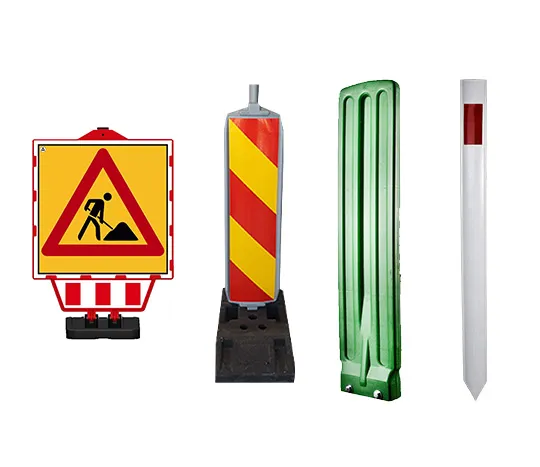
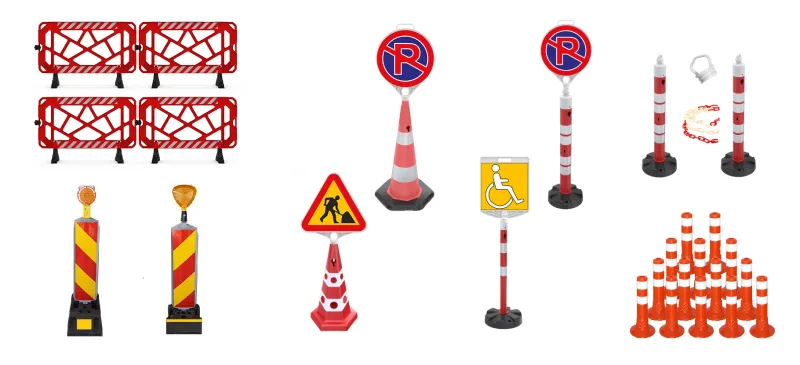
Metal poles are versatile and can be customized according to the specific needs of projects. For example, poles for road signaling are designed to support traffic signs and to be visible from a distance, thus contributing to the efficient organization of traffic flow. At the same time, metal poles for lighting are crucial for ensuring visibility at night, reducing the risk of accidents in high-traffic areas or residential neighborhoods.
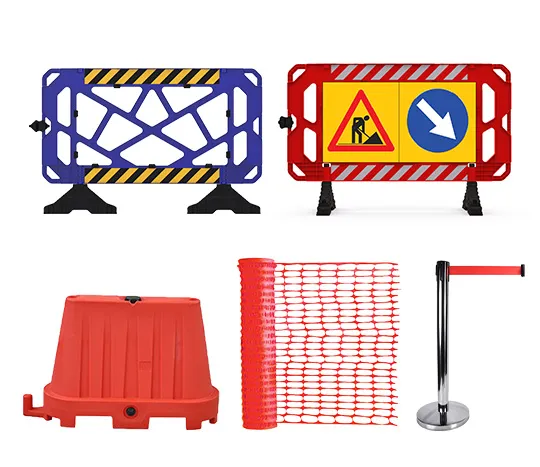
Additionally, these poles can be used to delineate sidewalks from roadways, preventing vehicle access in pedestrian areas and protecting pedestrians. In public or private parking lots, metal poles can be used to restrict unauthorized access or to guide drivers to designated parking spaces.
Ecological and Economic Aspects
From an ecological perspective, the use of metal poles can be a more sustainable solution compared to other materials. Metal can be recycled at the end of the life cycle of the poles, contributing to reducing environmental impact. Furthermore, investing in metal poles can lead to long-term savings due to their strength and longevity, reducing the need for frequent replacement or costly maintenance.
Integrated Modern Technologies
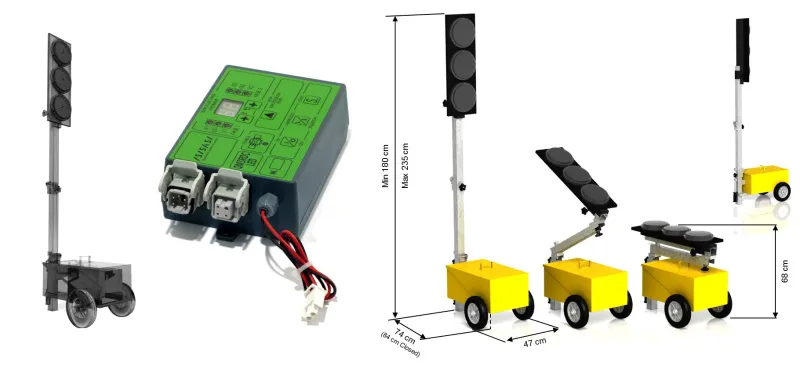
Modern metal poles can be equipped with advanced technologies that enhance safety and functionality. For instance, some poles are equipped with motion sensors to activate lighting only when necessary, saving energy. Others may be fitted with surveillance cameras or charging stations for electric vehicles, thus adapting to the needs of a constantly changing society.
Conclusion
Metal poles represent an efficient and durable solution for multiple applications in road and urban infrastructure. Choosing these poles ensures long-lasting strength, reduced maintenance, and versatility in use, contributing to the safety and functionality of public spaces. Moreover, with new integrated technologies and the possibility of recycling, metal poles are also an ecological and economic choice in the long term.