






Mobile Bollards: the flexible solution for traffic organization
In the context of rapid urban development and the increasing number of vehicles, efficient traffic organization has become a priority. One of the innovative solutions that have emerged in this field is the use of mobile bollards. They not only contribute to road safety but also to the flexibility and adaptability of transport infrastructure.
What are mobile bollards?
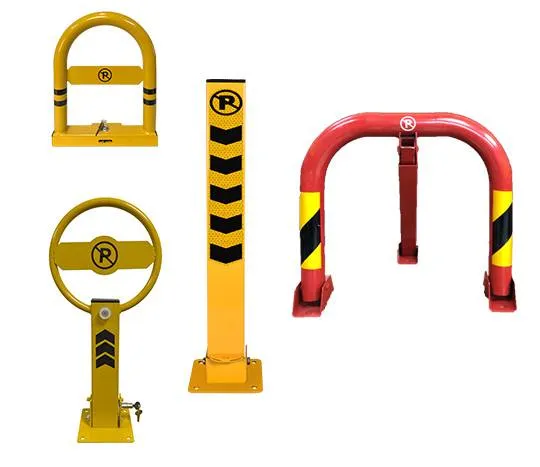
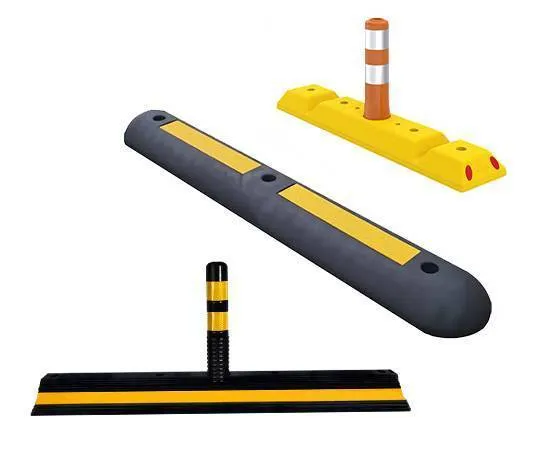
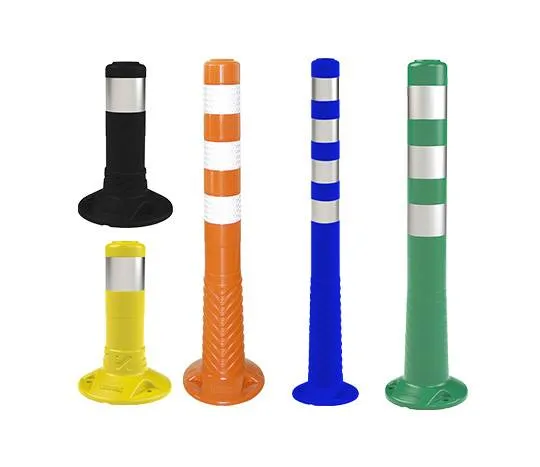
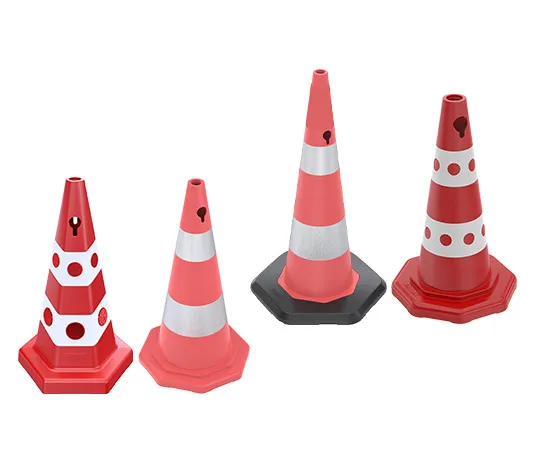
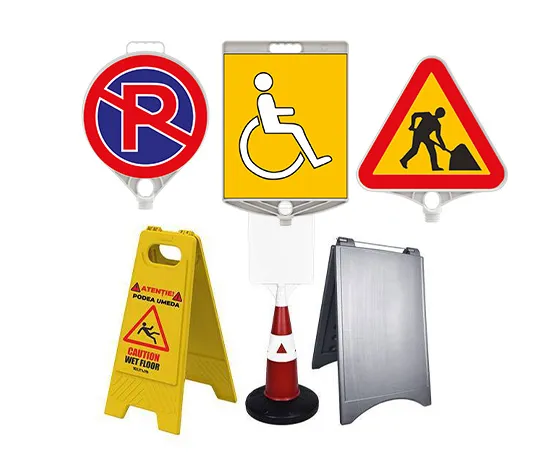
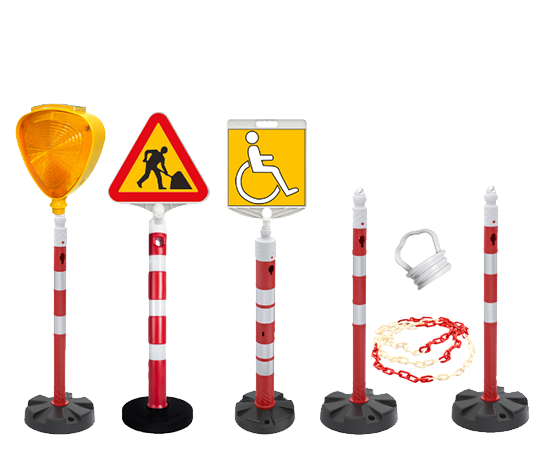
Mobile bollards are support structures for traffic signs or other road equipment that can be easily adjusted or moved according to traffic needs. They are designed to be easy to handle, featuring systems that allow for raising, lowering, or relocating them without the need for specialized equipment. This characteristic makes them ideal for areas where traffic changes frequently or for temporary events.
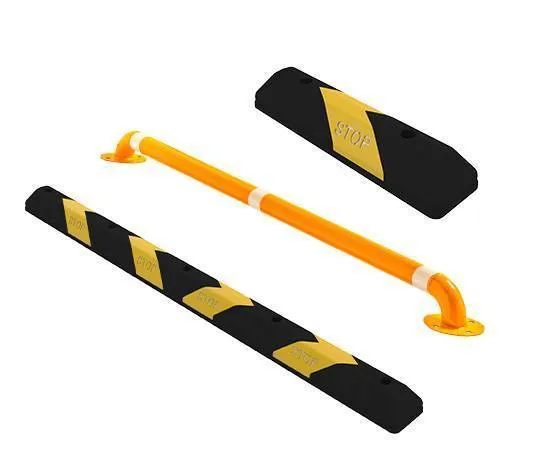
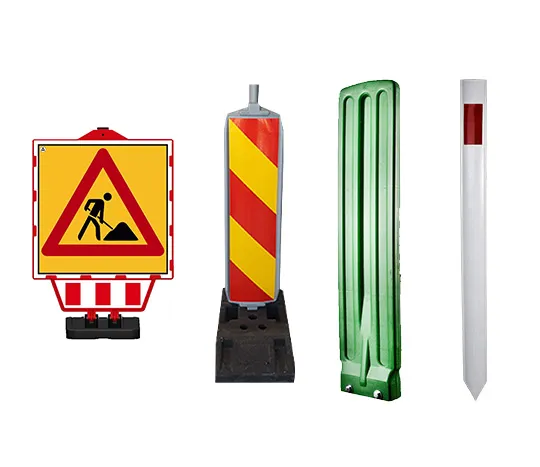
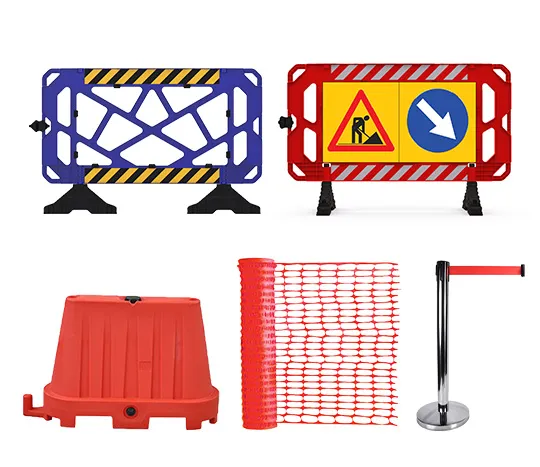
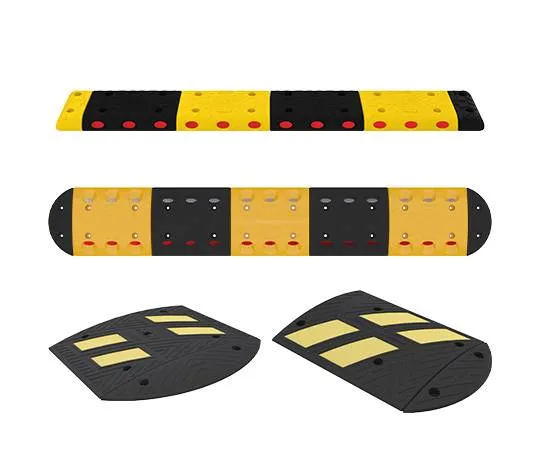
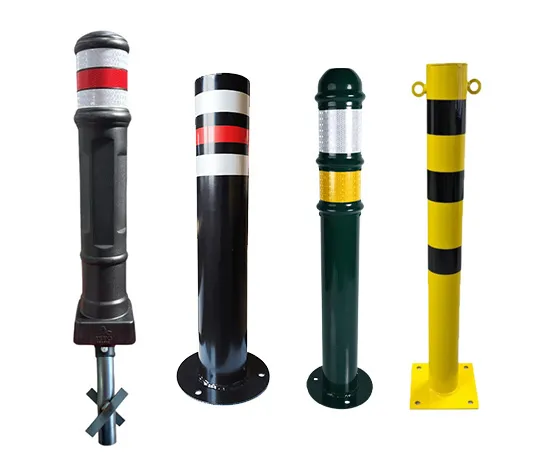
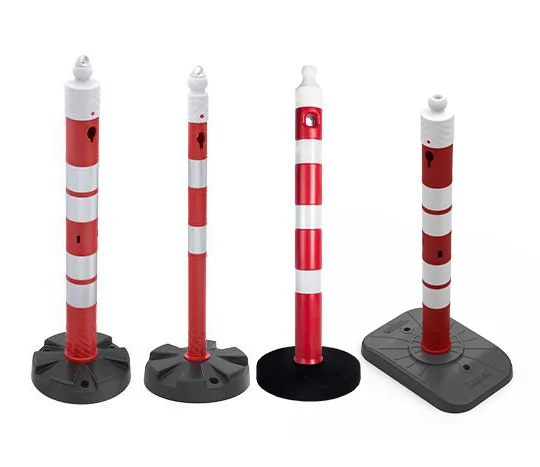
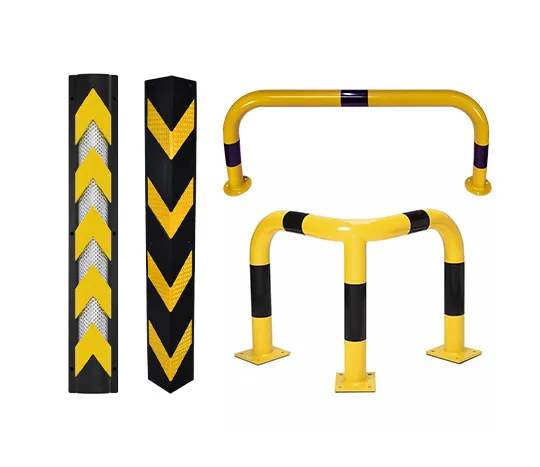
Best-selling Mobile Bollard Products
Advantages of using mobile bollards
Flexibility: One of the greatest advantages of mobile bollards is their flexibility. In the case of special events, such as festivals or construction work, the bollards can be quickly moved to facilitate traffic flow. This allows authorities to rapidly adapt to changes in traffic.
Road safety: Mobile bollards can be used to guide vehicles and pedestrians, ensuring a clear separation between traffic flows. For example, during maintenance work on the road, they can be used to delineate hazardous areas, minimizing accident risks.
Reduced costs: Compared to permanent bollards, mobile bollards are often cheaper to install and maintain. Additionally, the costs associated with moving or adjusting them are lower, as they do not require extensive construction work.
Aesthetics: Mobile bollards can be designed in a variety of styles and colors, thus contributing to the overall appearance of the urban area. They can be customized to match the architectural design of the city or the theme of an event.
Types of mobile bollards
Mobile bollards can be classified into several categories based on their use and design:
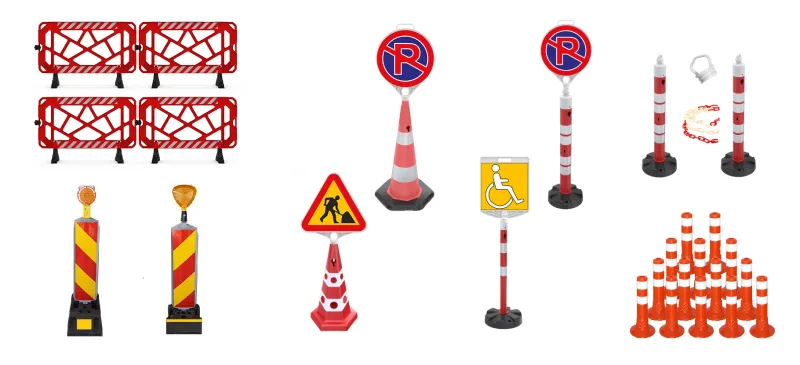
Signage bollards: These are used to support traffic signs and can be adjusted to meet traffic needs. For example, during a festival, the bollards can be used to indicate detour routes.
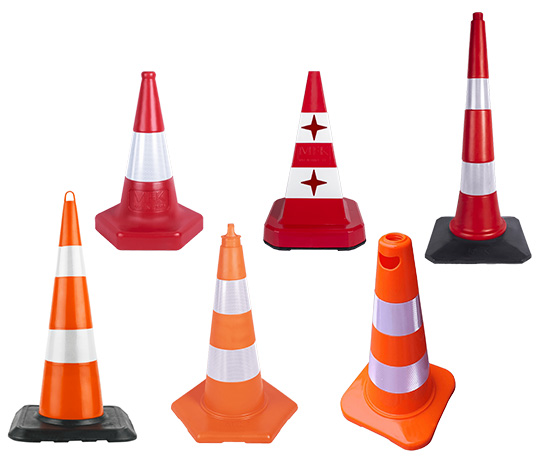
Protective bollards: These are used to delineate hazardous areas, such as construction sites or areas with a high risk of accidents. Mobile protective bollards can be easily moved according to the progress of the work.
Lighting bollards: In some cases, mobile bollards are equipped with lighting systems, providing additional visibility in high-traffic areas. They can be used temporarily to illuminate events or maintenance work.
Innovations in mobile bollard technology
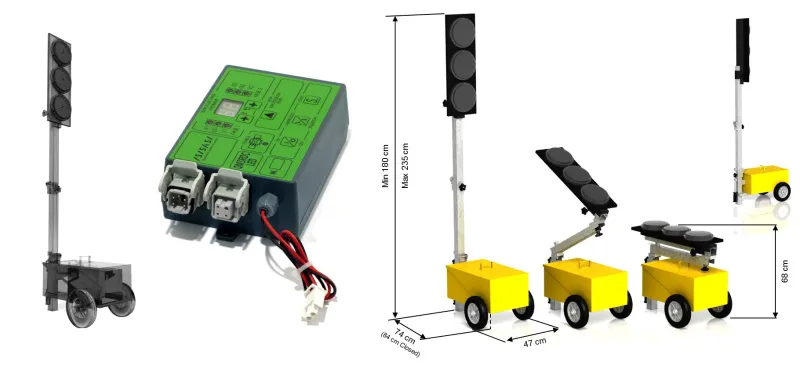
Technological development has led to the creation of more advanced mobile bollards, equipped with sensors and smart technologies. These bollards can communicate real-time information about traffic flow, thus contributing to more efficient traffic management. For example, in the event of an accident, the bollards can automatically adjust the signaling to redirect traffic.
Conclusion
Mobile bollards represent an innovative solution to current challenges in traffic organization. Flexibility, safety, and reduced costs make these bollards an attractive option for modern cities. Investments in mobile bollard technology can contribute to creating a safer and more efficient traffic environment, tailored to the community's needs.