




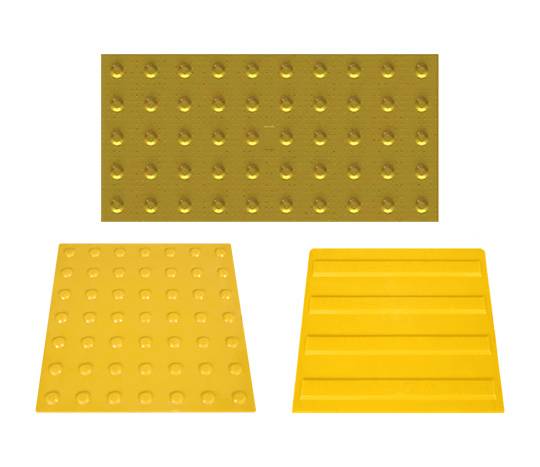
Tactile Surfaces in Public Spaces: How They Contribute to the Safety and Comfort of All Citizens
Tactile surfaces have become an essential part of modern infrastructure, being used not only to assist visually impaired individuals but also to enhance the safety and comfort of all citizens navigating public spaces. These special markings are strategically integrated into sidewalks, public transport stations, buildings, and even commercial areas. In this article, we will explore the impact of tactile surfaces in public spaces and their role in ensuring a safe and accessible urban environment for everyone.
1. Tactile Markings at Intersections: Pedestrian and Traffic Safety
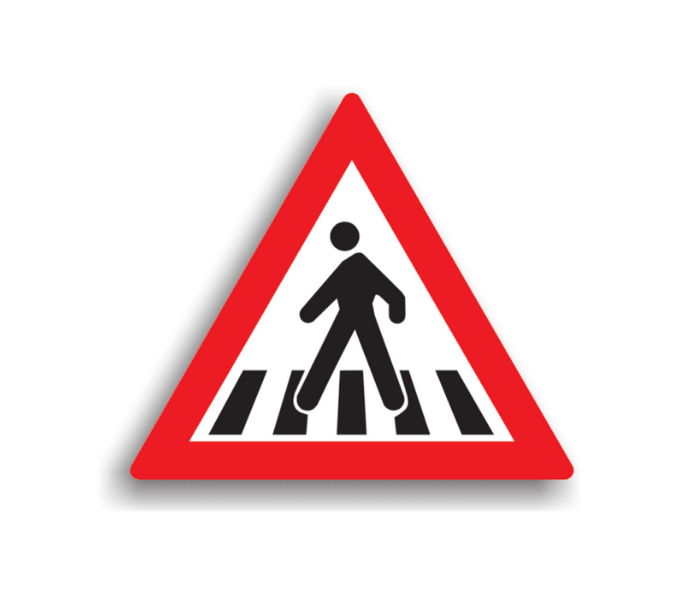
One of the most common places where we encounter tactile surfaces is at pedestrian intersections. In busy intersections of large cities, where pedestrian and vehicular traffic must be managed carefully, tactile markings serve as a guide for individuals with visual impairments, helping them identify the crossing area and stop safely before stepping onto the road.
In addition to these benefits, tactile surfaces also play an important role in preventing accidents for all pedestrians. In areas with heavy traffic or where visibility is reduced, tactile surfaces can alert pedestrians to be cautious of dangerous crossings. Furthermore, these surfaces are often combined with other safety measures, such as audible traffic signals or warning lights.
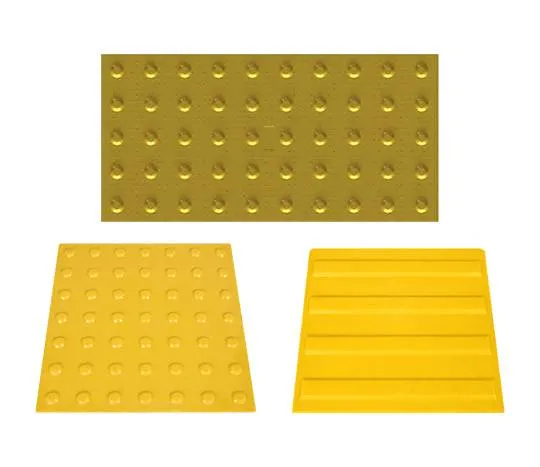
Best-Selling Tactile Surface Products
2. Tactile Surfaces at Public Transport Stations: Guidance and Safety
Subway, bus, or tram stations are other essential areas where tactile surfaces are widely used. Especially at the edge of the platform, these surfaces alert travelers not to exceed the safety limit and to be aware of the approaching vehicle. Tactile surfaces act as a psychological barrier, signaling an imminent danger and helping travelers position themselves correctly while waiting for transport.
In this context, tactile surfaces significantly contribute to accident prevention and the protection of lives in high-traffic areas. In cities with modern infrastructures, the use of these surfaces in public transport stations has become standard practice, and new infrastructure projects typically include such measures from the planning stages.
3. Comfort and Orientation in Commercial Spaces and Pedestrian Areas
Beyond public transport and busy intersections, tactile surfaces can also be found in commercial spaces and extended pedestrian areas. These surfaces are often integrated into malls, shopping centers, and public markets to provide guidance for visually impaired individuals and to ensure an orderly flow of pedestrians.
In large shopping centers, tactile surfaces are not only an accessibility feature but also one of comfort. They help with quick orientation in complex spaces, guiding visitors to exits, restrooms, escalators, or other points of interest. In this way, not only individuals with disabilities benefit from this type of infrastructure, but all those who visit these large and crowded spaces.
4. Tactile Surfaces and Social Responsibility: A Sustainable Investment
In a constantly changing urban landscape, tactile surfaces represent not only an accessibility solution but also a commitment to social inclusion and the sustainability of cities. Cities that prioritize the implementation of these solutions demonstrate a high level of social responsibility, ensuring that all categories of citizens have equal and safe access to public infrastructure.
From an economic perspective, investing in tactile surfaces brings long-term benefits, contributing to accident reduction and increasing citizen satisfaction. Additionally, they prove to be extremely durable and resilient, capable of withstanding daily wear in an intense urban environment.
Conclusion
Tactile surfaces have a major impact on how we move and interact with modern cities. From enhancing safety at intersections and public transport stations to providing increased comfort in shopping centers and pedestrian areas, these solutions are indispensable for an inclusive and safe urban environment. On attotrafic.ro/, you will find tactile surfaces that can be integrated into various types of projects, bringing benefits to all who use public spaces.