





Tactile Surfaces: A Key Component in Designing Smart and Accessible Cities
In the era of digitalization and rapid development of smart cities, urban infrastructure design plays a crucial role in creating an accessible and safe environment for all citizens. An often-overlooked but extremely important component in this context is tactile surfaces. These are essential for providing guidance to visually impaired individuals, but they also play a major role in ensuring safety and comfort for all citizens. In this article, we will analyze how tactile surfaces integrate into the concept of smart cities and contribute to creating an accessible urban environment.
1. Integration of Smart Technologies with Tactile Surfaces
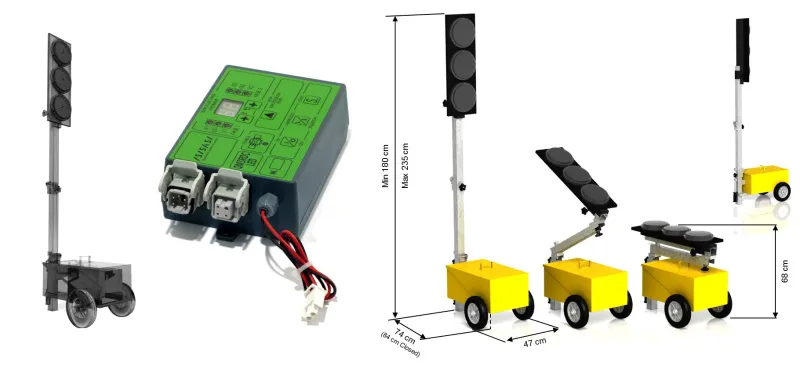
One of the main advantages of smart cities is the use of advanced technologies to enhance the quality of life for citizens. Tactile surfaces, although seemingly simple physical elements, can be integrated with various smart technologies to facilitate navigation and interaction with the surrounding environment. For example, at smart intersections, tactile surfaces can be connected to traffic lights that emit sounds to guide visually impaired individuals. Additionally, smart tactile surfaces can contain sensors that detect the presence of pedestrians and automatically adjust light or sound signals to improve crossing safety.
This interaction between technology and tactile elements brings benefits to all citizens, not just those with special needs, and contributes to creating a safer and more efficient urban environment.
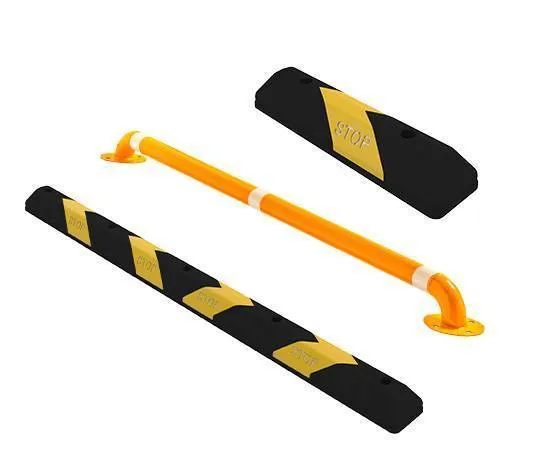
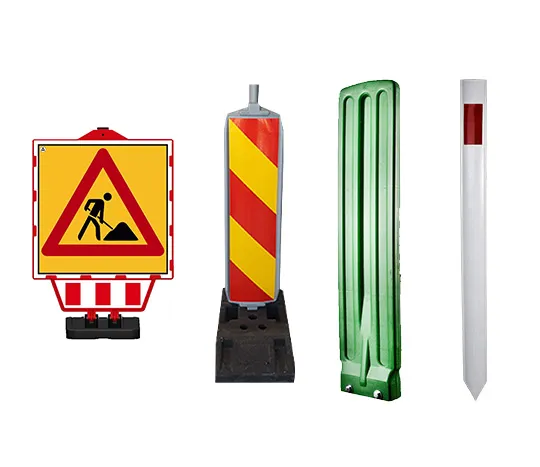
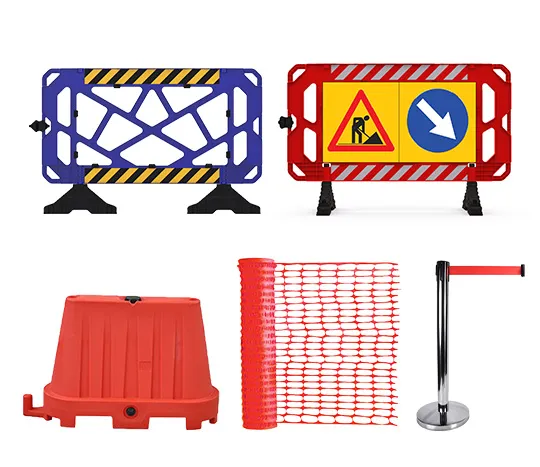
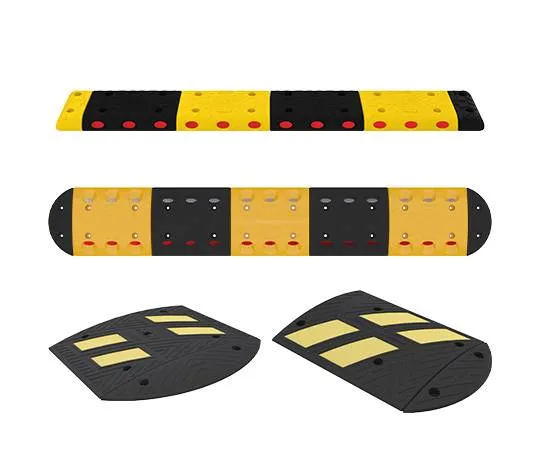
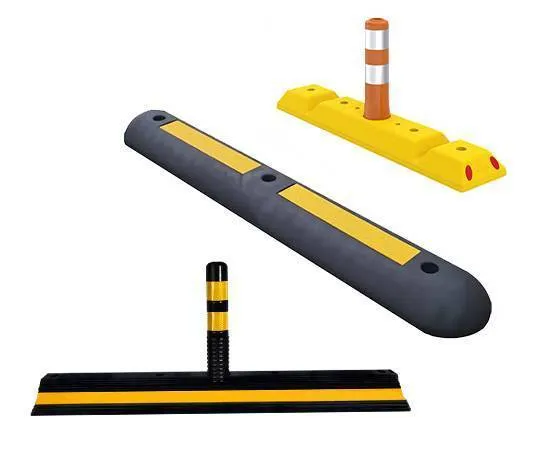
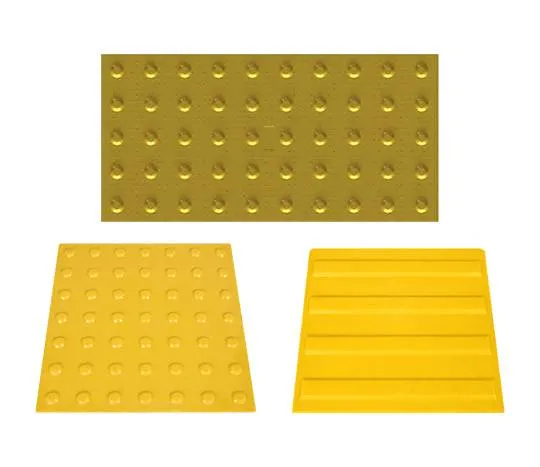
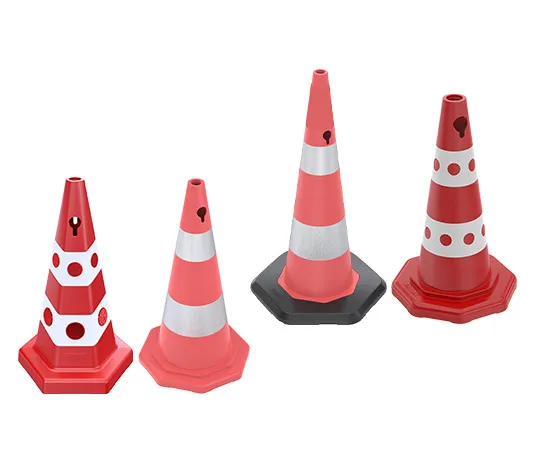
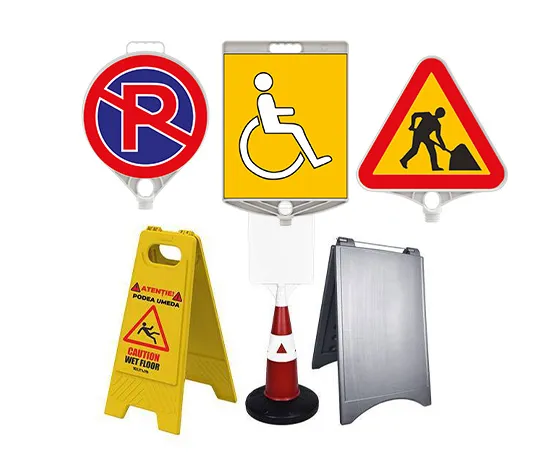
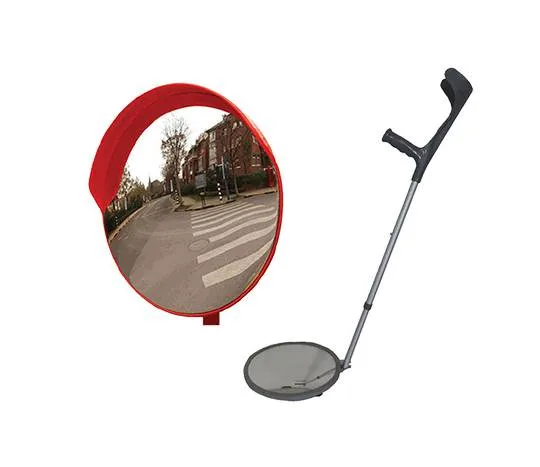
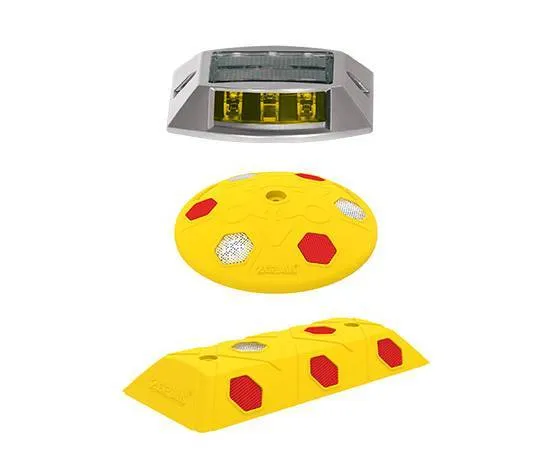
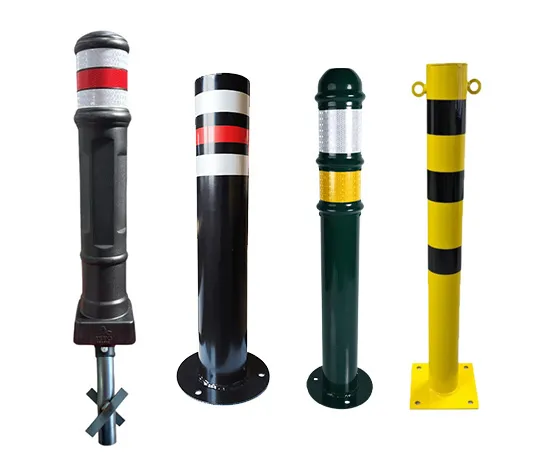
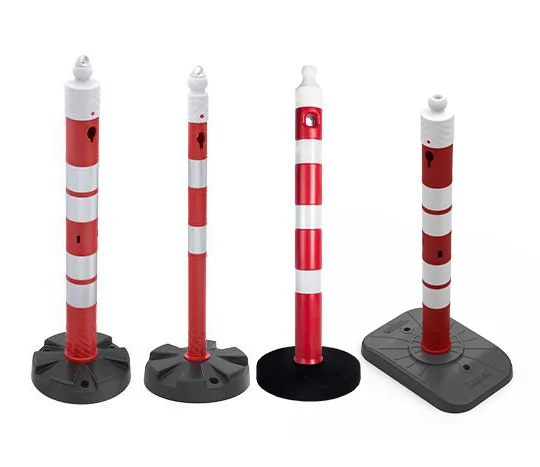
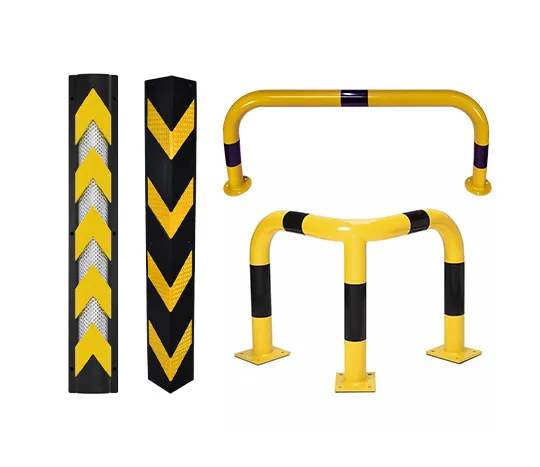
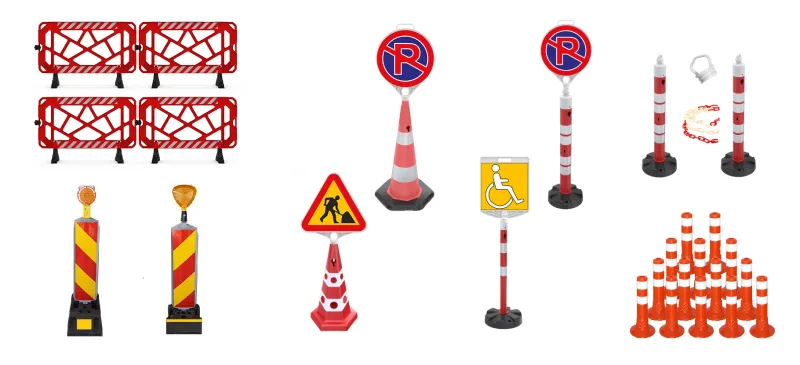
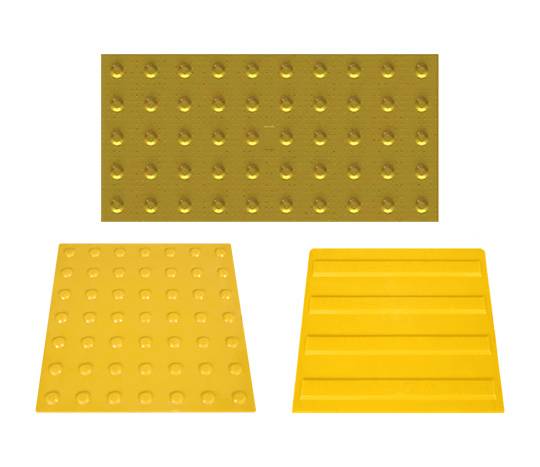
Best-Selling Tactile Surface Products
2. Using Tactile Surfaces in Smart Public Buildings
Not only streets and intersections can benefit from the integration of tactile surfaces in the design of smart cities, but also public buildings, such as hospitals, schools, or administrative buildings. These spaces, which are often frequented by a large number of people, must be accessible to all citizens, regardless of their physical abilities. By using tactile surfaces in access halls, on stairs, near elevators, or in other strategic areas, these buildings become safer and easier to navigate for visually impaired individuals.
Moreover, tactile surfaces can be used in conjunction with GPS-based orientation technologies and mobile applications. By scanning a QR code placed on a tactile surface, citizens can receive audio directions about the building, location, and accessible routes, thus enhancing their level of comfort and independence.
3. Tactile Surfaces and Urban Mobility
Another important aspect of smart cities is improving urban mobility, and tactile surfaces play a central role in this regard. In public transport stations, such as bus, tram, or metro stations, tactile surfaces can be integrated to assist in orienting passengers and creating more efficient pedestrian traffic flows. Warning tactile surfaces, placed at the edge of platforms or at station entrances, provide increased safety for travelers, preventing accidents and facilitating access to public transport vehicles.
Additionally, in road infrastructure projects, tactile surfaces can be used to signal smart pedestrian crossings that adapt traffic signals based on pedestrian flow. This adaptability is essential in large cities, where traffic can be unpredictable and fluctuating throughout the day.
4. Tactile Surfaces as a Sustainability Solution in Modern Cities
Another key element of smart cities is the emphasis on sustainability. Modern tactile surfaces not only improve accessibility and safety but are also made from eco-friendly, durable, and weather-resistant materials. Furthermore, they require minimal maintenance and have a long lifespan, making them an economical and ecological solution.
In the current context of urban population growth and the need for sustainable infrastructure solutions, tactile surfaces represent an essential component in reducing the carbon footprint of cities, being made from recyclable materials and having a minimal environmental impact.
Conclusion
In conclusion, the integration of tactile surfaces in the design of smart and accessible cities represents a crucial step in creating safe, efficient, and inclusive public spaces for all citizens. Whether it is about streets, public buildings, or transport stations, tactile surfaces play a central role in facilitating mobility and improving the quality of life in modern cities. Cities that invest in such solutions demonstrate their commitment to social inclusion and sustainable development. On attotrafic.ro/, you will find a wide range of tactile surfaces that can be integrated into urban projects, contributing to a safer and friendlier environment for all.