

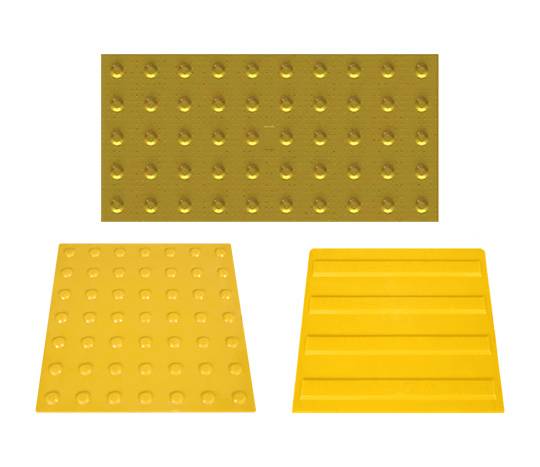
Tactile Surfaces: A Modern Solution for Accessibility and Safety
In a world where mobility and accessibility are becoming increasingly important, tactile surfaces represent an essential solution for improving safety and accessibility in public and private spaces. These surfaces are designed to guide and warn visually impaired individuals, providing them with greater autonomy in movement. In this article, we will explore the role of tactile surfaces in modern infrastructure and how they contribute to creating accessible spaces for everyone.
1. What are tactile surfaces?
Tactile surfaces are specially designed structures to be perceived through the tactile sense of visually impaired individuals. They are installed on sidewalks, at public transport stations, in public buildings, and in other areas where additional guidance is needed. These surfaces have distinct patterns, such as ridges or raised dots, that convey important information about direction, obstacles, or hazards.
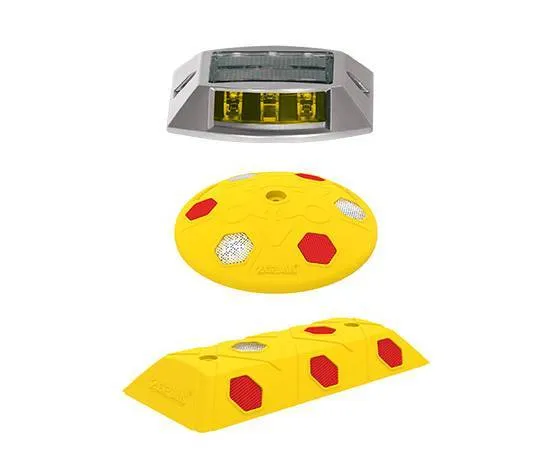
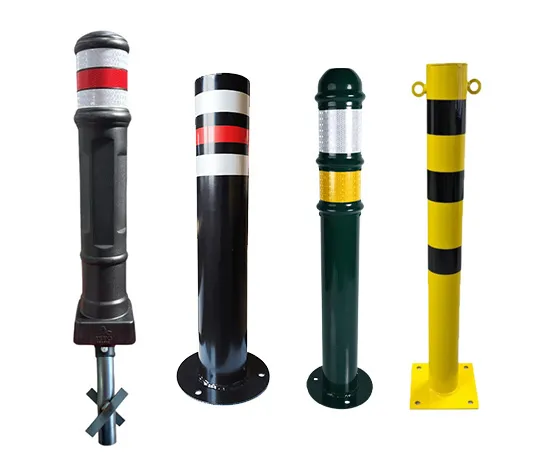
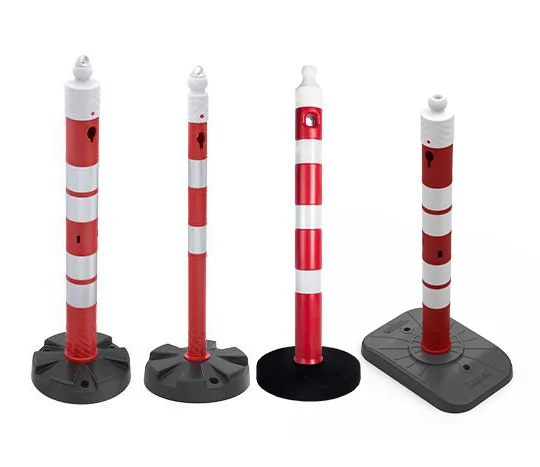
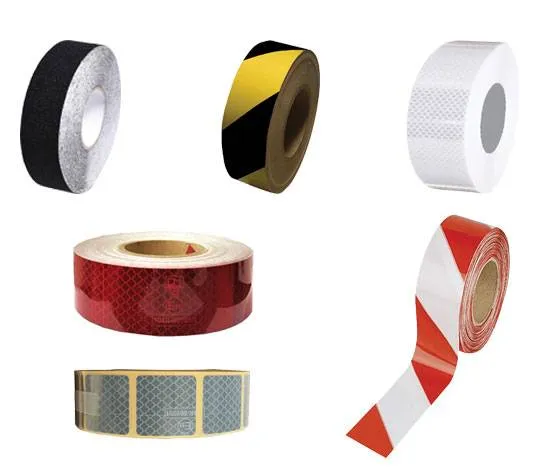
Best Selling Tactile Surface Products
2. Types of tactile surfaces
There are two main types of tactile surfaces: warning surfaces and guiding surfaces.
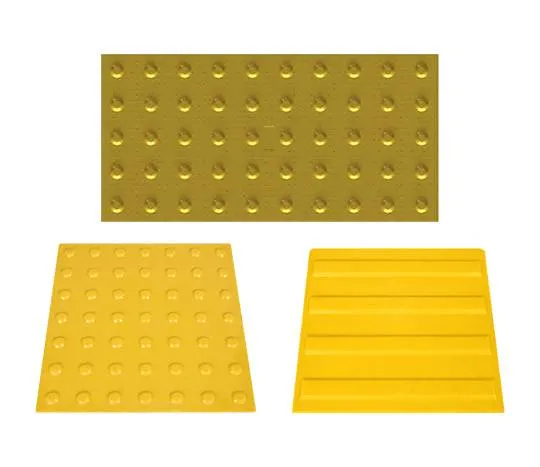
Warning surfaces have patterns in the form of raised dots or circles and are placed near intersections, stairs, and the edges of platforms at train or metro stations. They alert individuals to a change in terrain or an imminent hazard.
Guiding surfaces, on the other hand, consist of parallel raised stripes and are used to indicate the direction of travel. They are placed along sidewalks and in wide spaces, providing a clear direction for movement.
3. The importance of tactile surfaces for accessibility
Accessibility is a fundamental right, and tactile surfaces play a crucial role in ensuring this right. They not only facilitate the movement of visually impaired individuals but also contribute to their integration into society, allowing them to move independently and safely.
Additionally, tactile surfaces are beneficial for other categories of individuals, such as the elderly or those with mobility disabilities, who may need extra assistance in navigating public spaces.
4. Materials used for tactile surfaces
Tactile surfaces are made from a variety of durable and wear-resistant materials, such as rubber, metal, or composite materials. The choice of material depends on where they are installed and the environmental conditions. For example, rubber tactile surfaces are often used indoors or in pedestrian areas, while metal or composite surfaces are preferred for outdoor use due to their resistance to extreme weather conditions.
5. Standards and regulations regarding the installation of tactile surfaces
In many countries, the installation of tactile surfaces is regulated by laws that promote accessibility and safety. In Romania, according to construction regulations, all public spaces must be equipped with accessibility elements for individuals with disabilities, including tactile surfaces in areas with high pedestrian traffic. These regulations contribute to creating a safer and more accessible urban environment for all citizens.
6. Economic and social benefits
The installation of tactile surfaces not only benefits visually impaired individuals but also has a positive impact on the economy and society as a whole. Creating accessible public spaces increases their attractiveness, which can stimulate tourism and local economic development. Moreover, implementing these solutions improves quality of life and fosters a sense of social inclusion.
Conclusion
Tactile surfaces are an essential element in creating accessible and safe spaces for all road users, regardless of their physical abilities. Through proper installation and the use of appropriate materials, tactile surfaces contribute to improving accessibility and ensuring a modern and inclusive road infrastructure. On attotrafic.ro/, you will find a wide range of tactile surfaces that can be adapted to the needs of each public or private space.