





Tactile Surfaces: A Solution for Pedestrian Safety and Accessibility
Tactile surfaces, also known as tactile pavements or tactile markings, play an extremely important role in creating an accessible and safe urban environment for people with disabilities, especially for those with visual impairments. These modern solutions are essential in developing infrastructure that meets accessibility standards and provides safety for all citizens, regardless of their abilities. In this article, we will discuss the importance of tactile surfaces, the types of surfaces available, and their advantages in an urban context.
What are tactile surfaces?
Tactile surfaces are special pavements placed in key areas of cities to guide and warn blind or visually impaired individuals. They are equipped with distinctive textures and patterns that can be easily detected by foot or with the aid of a cane, thus providing vital information about the direction of movement or the presence of obstacles.
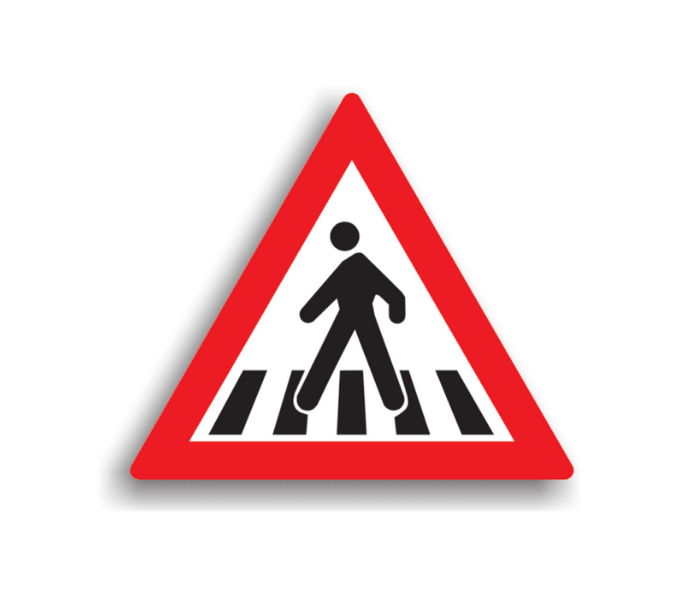
A common example of tactile surfaces can be found near pedestrian crossings, at public transport stations, or on the platforms of subway stations. They alert pedestrians that they are approaching a hazardous area, such as the edge of a sidewalk or platform, thus preventing accidents.
Best-selling Tactile Surface Products
Types of tactile surfaces
There are several types of tactile surfaces, each with a well-defined purpose. Among the most commonly encountered types are:
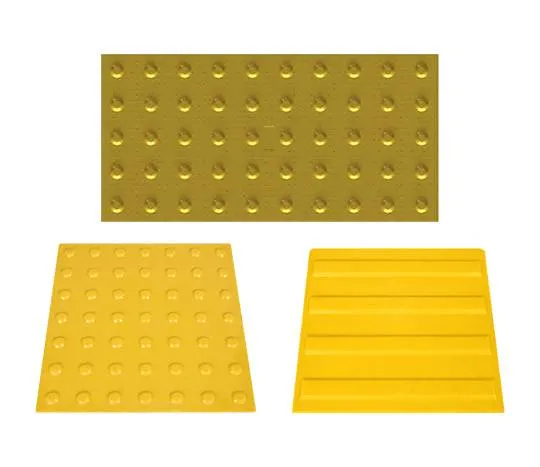
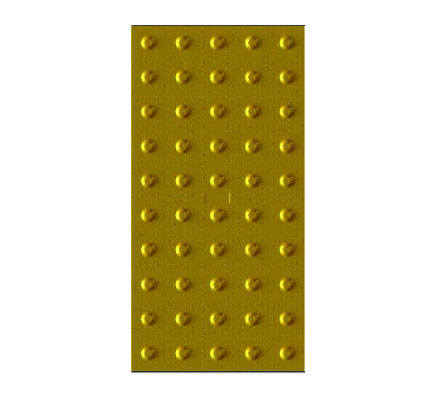
Warning surfaces – These are placed in locations where heightened attention is required from pedestrians, such as at pedestrian crossings, at the edges of platforms, or at the beginning of ramps. The texture of these surfaces is usually in the form of dots or bumps, making them easy to feel with the foot.
Directional surfaces – These are used to guide individuals along safe routes. Typically, their texture consists of parallel lines, indicating the direction of movement. They are very useful in open spaces where it may be difficult for visually impaired individuals to follow a clear path.
Orientation surfaces – These surfaces serve to signal a change in direction or the presence of an intersection, providing the user with the ability to navigate more easily through the city.
Advantages of tactile surfaces in the urban environment
The installation of tactile surfaces in public spaces brings a series of benefits for the entire community, not just for individuals with visual disabilities. These advantages include:
Increased pedestrian safety – Tactile surfaces provide a clear and immediate warning regarding dangers in the surrounding environment, such as the edge of a sidewalk or a busy pedestrian crossing. They can prevent accidents and collisions, providing additional protection.
Improved accessibility – Cities that implement tactile surfaces contribute to creating a more accessible and inclusive environment. Blind or visually impaired individuals can navigate with greater confidence in public spaces, having tactile cues that guide them safely.
Aesthetic integration into the urban landscape – Tactile surfaces are not only functional but also aesthetic. They can be made in various colors and shapes, adapting to the overall design of the city. This makes their use not only practical but also visually pleasing.
Durability and low maintenance – The materials used for tactile surfaces are generally very resistant to wear and adverse weather conditions. This ensures a long lifespan and reduced maintenance costs.
Where should tactile surfaces be placed?
To be effective, tactile surfaces must be strategically placed in locations where visually impaired individuals are at the greatest risk of encountering obstacles or dangers. These locations include:
- Pedestrian crossings – Tactile surfaces can help alert pedestrians that they are approaching a pedestrian crossing or the edge of a sidewalk.
- Public transport stations – At bus, tram, or subway stations, tactile surfaces are essential for indicating the edge of the platform or guiding users to boarding areas.
- Intersections and high-traffic areas – In these areas, tactile surfaces can help prevent accidents by providing clear guidance and warnings.
Conclusion
Tactile surfaces are an indispensable solution for ensuring safety and accessibility in the urban environment. By installing them in key locations, cities can become more friendly and accessible for all citizens, including those with visual disabilities. Additionally, they contribute to creating a modern, safe, and aesthetic urban landscape. The proper use of tactile surfaces is not only a moral obligation but also an important step towards developing more inclusive and functional cities.