




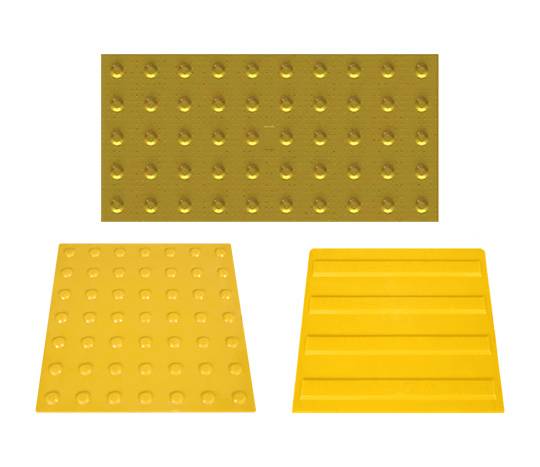
Tactile surfaces and their integration into modern infrastructure: a solution for mobility and safety
In the era of accelerated urbanization and continuous population growth, the need for accessible infrastructure becomes increasingly evident. Tactile surfaces represent an innovative and essential element for the safety and mobility of visually impaired individuals. These tactile warning systems are implemented not only to guide but also to ensure safe navigation in public spaces. In this article, we will explore the ways in which tactile surfaces contribute to creating an accessible and inclusive urban environment.
What are tactile surfaces?
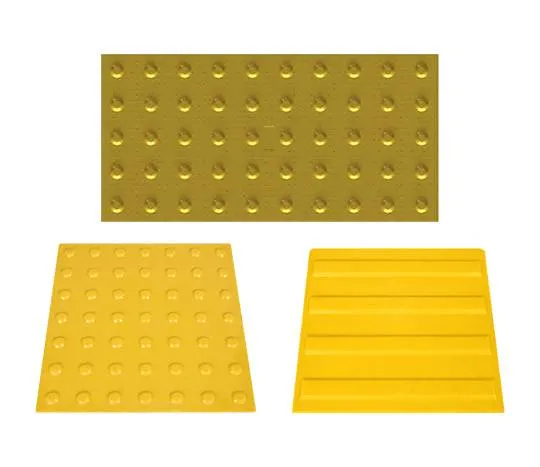
Tactile surfaces are special strips or tiles designed with raised patterns that provide tactile signals to blind or visually impaired individuals. They can be made from various materials, such as rubber, metal, or plastic, and are strategically placed in areas where there are risks or where orientation is needed, such as the edges of sidewalks, pedestrian crossings, public transport stations, or public buildings.
There are two main types of tactile surfaces:
- Warning surfaces: These have raised patterns that alert individuals that they are approaching a dangerous area, such as the edge of a train platform or a pedestrian crossing.
- Guiding surfaces: These help orient individuals through complex spaces, such as train stations, shopping centers, or intersections.
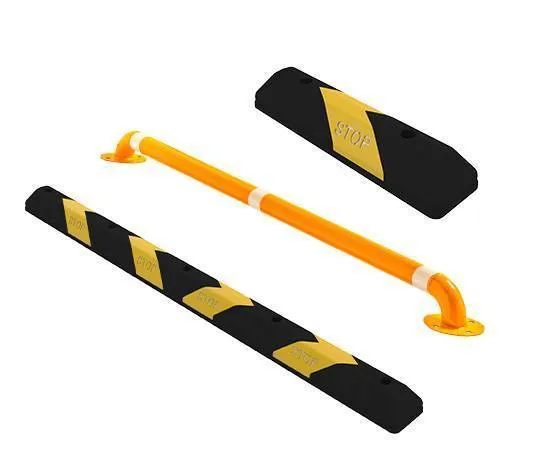
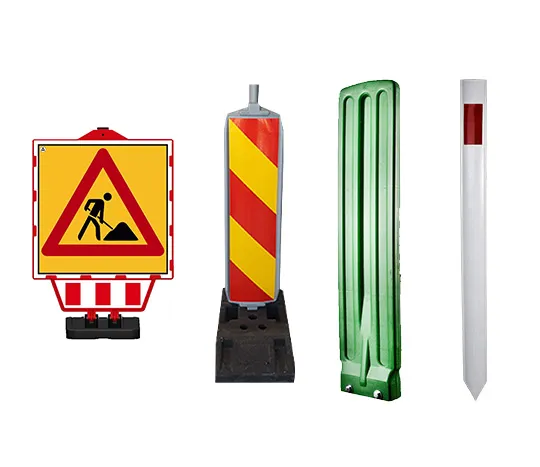
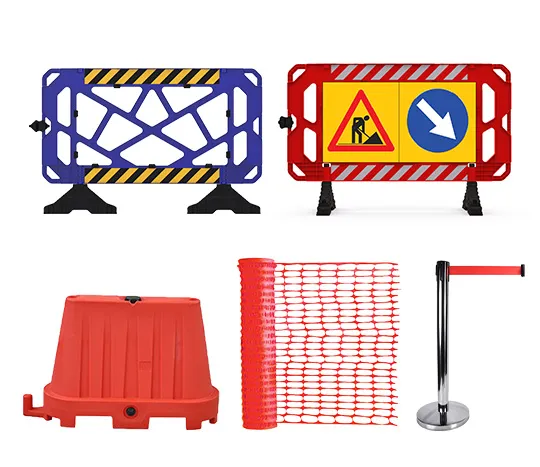
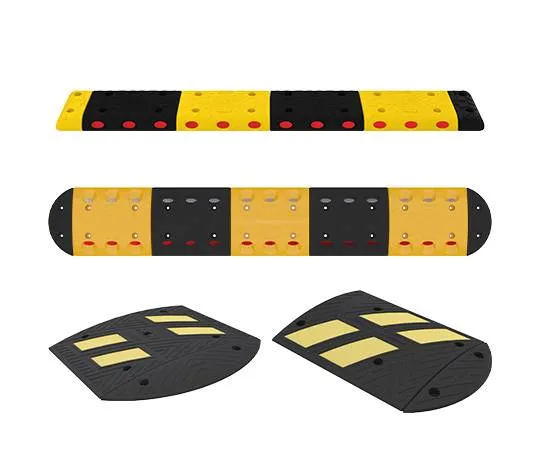
Best-selling Tactile Surface Products
The role of tactile surfaces in increasing accessibility
Accessibility is a fundamental right, and the integration of tactile surfaces in public spaces plays a crucial role in ensuring this right for individuals with visual impairments. In modern cities, where infrastructure can be complicated and crowded, tactile surfaces become an irreplaceable guide for those who need orientation and safety in movement.
For example, a blind person using a white cane can easily feel the tactile surfaces and thus be alerted to an imminent obstacle or guided to a safe area. This provides them with independence and allows them to move safely without constant assistance from others.
Tactile surfaces in public transport
An important area where tactile surfaces have a major impact is public transport. Bus, tram, or subway stations are crowded places and often dangerous for visually impaired individuals. Tactile surfaces, placed at the edge of the platform, warn of the danger of falling onto the tracks, providing an additional safety barrier.
Additionally, at bus stations, these surfaces can guide passengers to boarding and alighting areas, thus ensuring better organization and fluidity of the flow of people.
The impact on urban design
The integration of tactile surfaces into urban design not only improves accessibility but also contributes to creating a friendlier and more inclusive city. These elements do not affect the aesthetics of public spaces; on the contrary, they add an additional level of functionality and security.
In many cities around the world, such as Tokyo, London, or New York, tactile surfaces are already a standard component of public infrastructure. In Romania, more and more cities are adopting this system, recognizing the importance of accessibility for all citizens, regardless of their physical abilities.
Materials and technology
The materials used for tactile surfaces are chosen based on durability, weather resistance, and ease of maintenance. Rubber and plastic are popular options due to their flexibility and low costs, while metal is preferred in areas with heavy traffic or in industrial environments.
Moreover, technology has advanced, and some tactile surfaces are equipped with sensors or light elements that provide an additional level of warning in low visibility conditions.
Conclusion
Tactile surfaces represent an essential step towards creating accessible and inclusive infrastructure for all citizens. They ensure safe and independent mobility for visually impaired individuals and contribute to overall safety in public spaces. Modern cities must focus their efforts on developing infrastructure that enhances the quality of life for all residents, and tactile surfaces are an excellent example of implementing accessible design in everyday life.