
Tactile Surfaces and Their Role in Urban Mobility: A Solution for People and Smart Cities
Urban mobility is an essential element in modern cities, where the flow of people and vehicles must be managed efficiently and safely. An essential aspect of this mobility is accessibility for visually impaired individuals, a challenge that tactile surfaces successfully address. From facilitating navigation in public spaces to integrating into the infrastructure of smart cities, these solutions are crucial for creating a more inclusive urban environment. In this article, we will explore the role of tactile surfaces in urban mobility and how they contribute to the transformation of modern cities.
1. An essential solution for the mobility of pedestrians with disabilities
In large cities, visually impaired individuals often face difficulties in navigating safely through crowded streets, intersections, or public buildings. Tactile surfaces come to their aid, providing essential information about directions and possible obstacles. These markings are installed in key locations, such as pedestrian crossings, public transport stations, or access paths to buildings, contributing to safe and intuitive navigation.
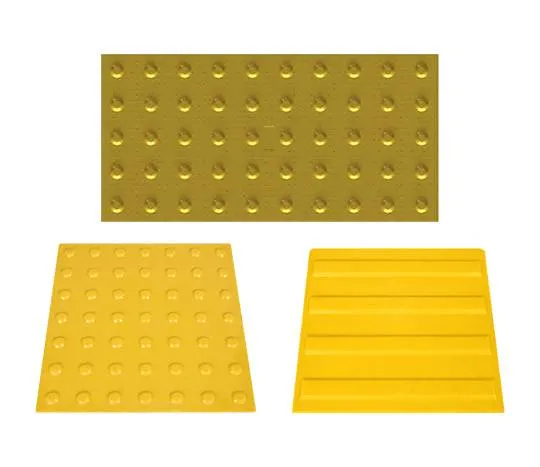
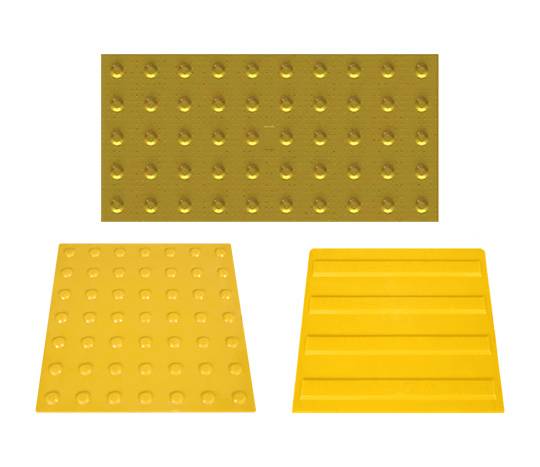
Tactile markings are designed to provide distinct signals through the sense of touch, thus helping blind individuals identify certain directions or safety warnings. Due to their strategic placement and ease of use, these surfaces significantly enhance urban mobility for those with visual impairments.
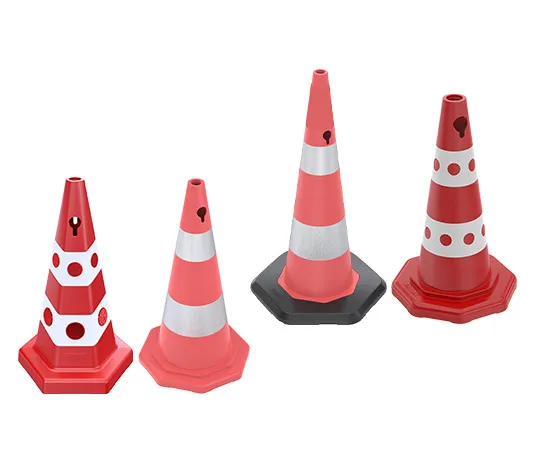
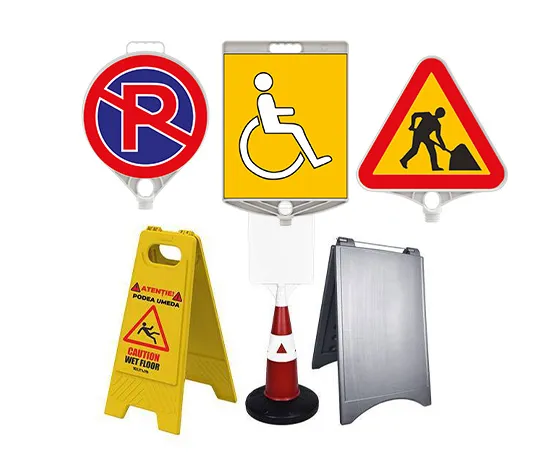
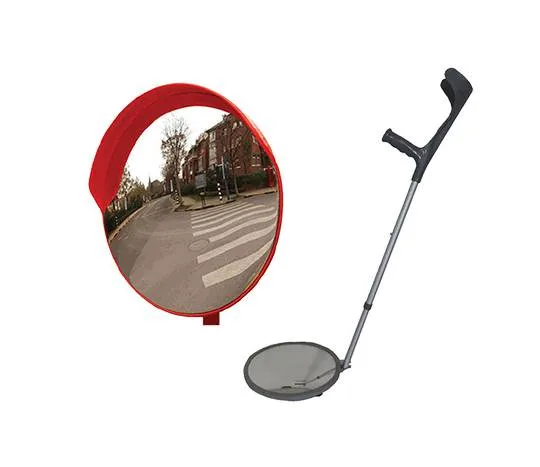
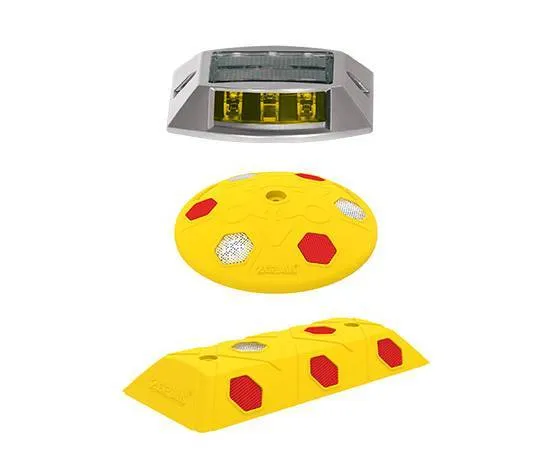
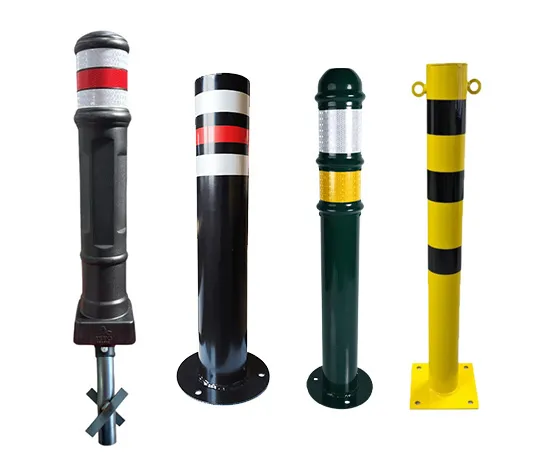
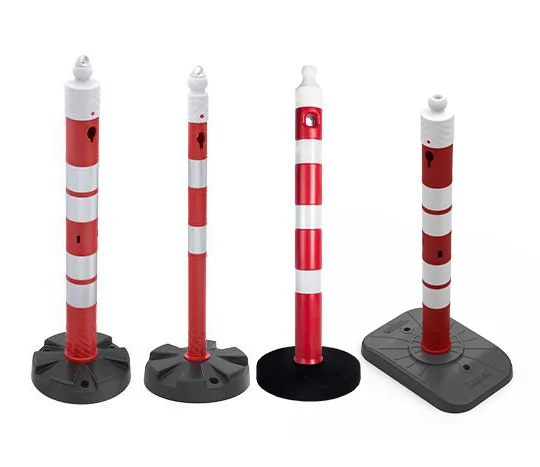
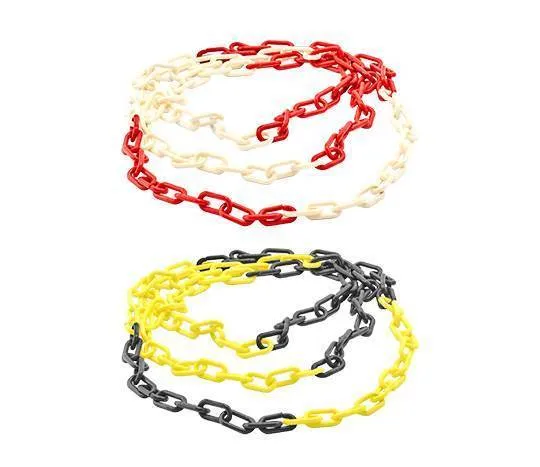
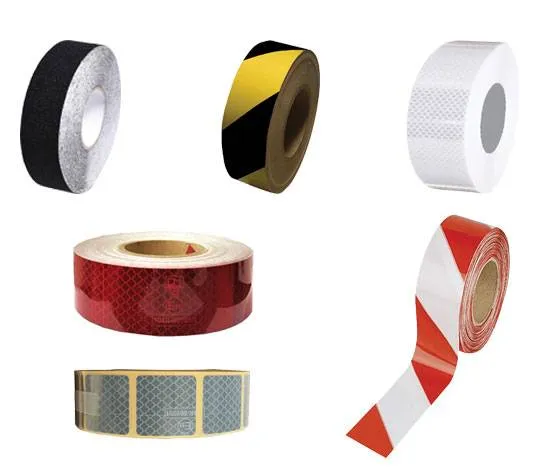
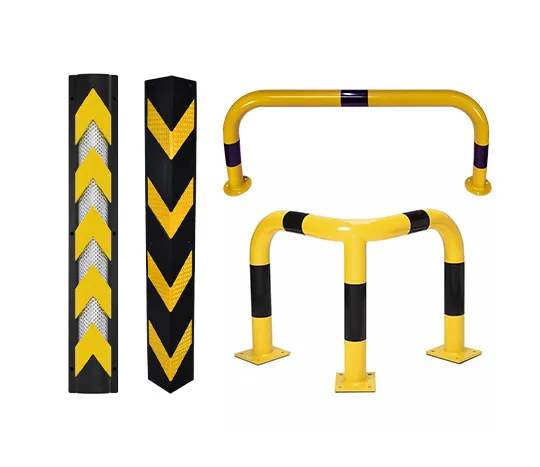
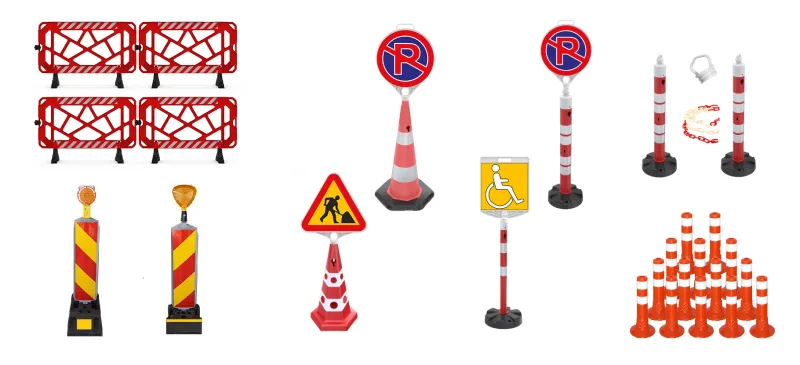
Best-Selling Tactile Surface Products
2. Integrating tactile surfaces in public transport
Another area where tactile surfaces play a crucial role is public transport. In subway, bus, or tram stations, these surfaces are used to signal the edge of the platform or to guide passengers to access points. In smart cities, integrating tactile surfaces into public transport infrastructure not only enhances accessibility but also the safety of passengers, especially in crowded areas.
Major cities like Tokyo, London, or New York have already adopted tactile surfaces in their public transport stations, thus demonstrating their utility and importance within a well-structured mobility system. Additionally, these surfaces are durable and resilient, capable of withstanding the heavy traffic of urban environments.
3. Smart cities and the integration of technology in tactile surfaces
With the development of the concept of smart cities, where technology is used to enhance the efficiency and comfort of residents, tactile surfaces have begun to be integrated into more complex urban mobility management systems. For example, some cities are testing tactile surfaces with sensors, which can detect pedestrian footsteps and transmit safety or traffic-related information to authorities or even directly to users via smartphones.
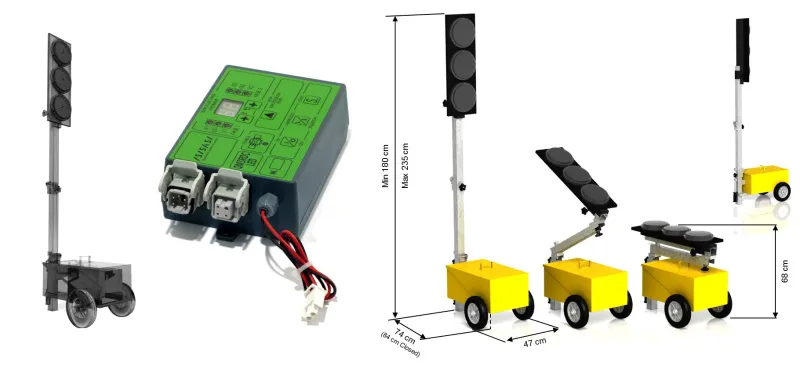
This type of innovation not only improves accessibility but also contributes to creating more connected and safer cities. In the future, we can expect an even deeper integration of tactile surfaces with other smart technologies, such as traffic lights that communicate with pedestrians or navigation apps designed for individuals with disabilities.
4. Economic and social benefits of implementing tactile surfaces
Investing in tactile surfaces is not only a moral necessity but also an economic one. By facilitating the mobility of individuals with disabilities, cities become more attractive and accessible for all residents and tourists. Furthermore, these investments bring long-term social benefits, contributing to the integration of individuals with special needs and creating a more inclusive urban environment.
The implementation of these solutions also contributes to increasing public safety, reducing the risk of accidents in crowded areas, and enhancing the efficiency of public transport systems. Cities that prioritize accessibility and safety are considered more friendly and sustainable in the long term, thus attracting investments and economic development.
Conclusion
Tactile surfaces represent a practical and innovative solution for improving urban mobility, contributing both to pedestrian safety and the development of smart cities. Thanks to durable materials, integrated technologies, and designs tailored to the needs of individuals with disabilities, these solutions are becoming essential in the modern urban landscape. On attotrafic.ro/, you will find a wide range of tactile surfaces suitable for any type of urban project or public infrastructure.