








Tactile Surfaces: Safety and Accessibility for All Users
In modern urban infrastructure, accessibility and safety for all road and public space users are major priorities. Tactile surfaces represent an essential innovation in this regard, specifically designed to facilitate orientation for visually impaired individuals and to prevent accidents. These surfaces provide an added layer of safety and serve as a tactile and visual guide for vulnerable users in various locations such as sidewalks, public transport stations, and public buildings.
What are tactile surfaces?
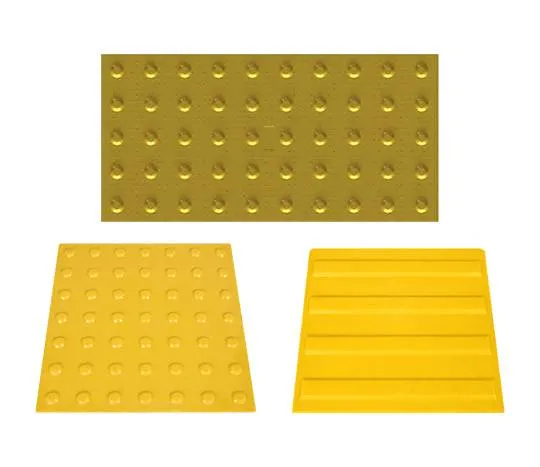
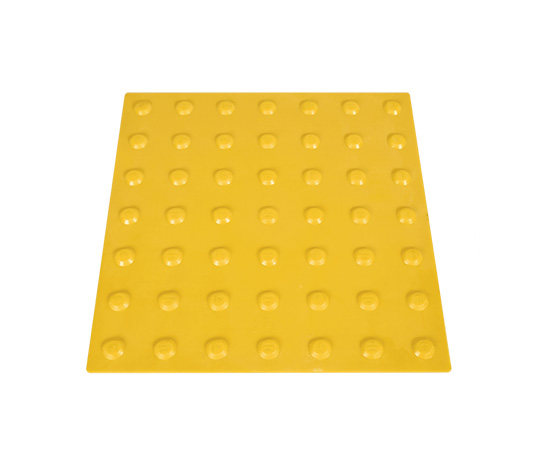
Tactile surfaces are strategically placed tiles or strips on roads, sidewalks, or other paved surfaces, designed to be perceived through touch, either with feet or with the help of canes used by visually impaired individuals. They are made from durable materials such as rubber, PVC, or concrete, and are available in contrasting colors to be easily visible to those with partial sight.
There are two main types of tactile surfaces:
Warning surfaces: These are designed to alert visually impaired individuals to the approach of a hazardous area, such as the edge of a sidewalk or a pedestrian crossing. They feature a distinct pattern of protrusions that can be clearly felt by touch.
Directional surfaces: These provide guidance for the direction of travel along a specific route. They are often used in large spaces, such as public squares, to assist with proper orientation.
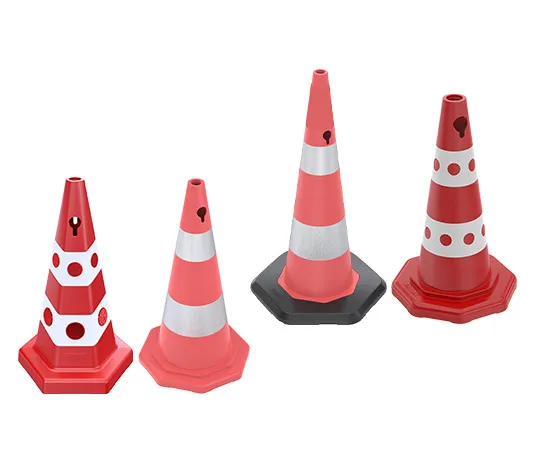
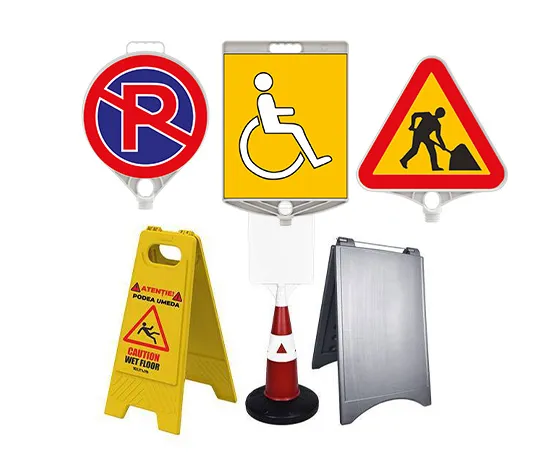
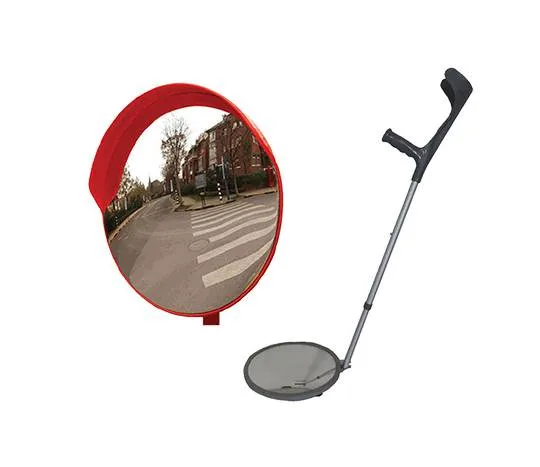
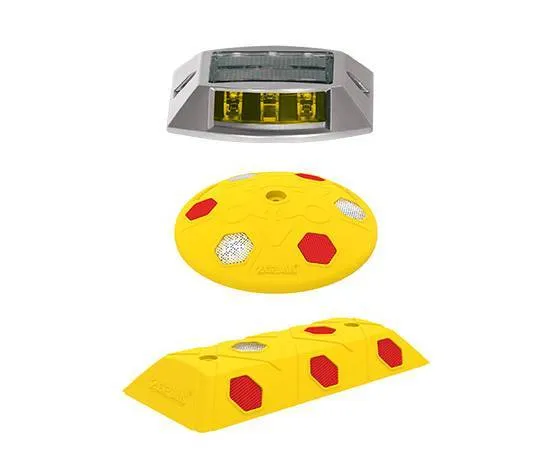
Best-selling Tactile Surface Products
The Importance of Tactile Surfaces in infrastructure
Safety and accessibility are essential factors in the design of urban infrastructure, and tactile surfaces play a crucial role in enhancing these aspects. For visually impaired individuals, navigating public spaces can be a significant challenge, especially in crowded or unsafe areas. Tactile surfaces allow them to identify hazardous areas and orient themselves easily, thus contributing to reducing the risk of accidents.
Multiple Benefits of Tactile Surfaces
Increased accessibility: Tactile surfaces are essential for creating an urban environment accessible to all, regardless of abilities. They ensure that individuals with visual impairments or limited mobility can navigate safely in public spaces.
Accident prevention: By using these surfaces at the edges of sidewalks, near stairs, in public transport stations, or at pedestrian crossings, the risk of accidents is significantly reduced. Tactile surfaces alert users that they are approaching a hazardous area, giving them time to react appropriately.
Durability: The materials used for tactile surfaces are designed to withstand wear and extreme weather conditions. This means they maintain their effectiveness and appearance over the long term, even in high-traffic areas.
Inclusive design: Tactile surfaces not only serve a functional purpose but also add aesthetic value to urban infrastructure. Their contrasting colors and distinct design make them easily recognizable while enhancing the visual appeal of public spaces.
Where are tactile surfaces used?
Tactile surfaces are used in a variety of locations to ensure the safety and accessibility of all citizens. These include:
Public transport stations: In bus, tram, or subway stations, tactile surfaces are placed near the edge of the platform to alert travelers to the approach of the railway or road.
Intersections and pedestrian crossings: At pedestrian crossings, tactile surfaces alert users that they are approaching a road crossing area, allowing them to adjust their walking and be more attentive.
Public spaces and buildings: In squares, shopping centers, or public buildings, tactile surfaces help guide individuals to points of interest or avoid hazards.
Conclusion
Tactile surfaces are a crucial element in designing accessible and safe infrastructure for all. They provide guidance and protection for visually impaired individuals while ensuring a more inclusive and friendly urban environment. Their proper use in public spaces significantly contributes to accident prevention and improves the quality of life for millions of people. In a modern society, accessibility is not just a design standard but also a fundamental right for all citizens.