






Tactile surfaces – An essential element for urban accessibility
In the modern world, accessibility is a crucial aspect of urban infrastructure. Tactile surfaces represent an essential solution to make cities friendlier and safer for people with visual impairments. These special surfaces are designed to provide guidance and warning through the sense of touch, offering an additional level of safety and independence. In this blog, we will explore the importance of tactile surfaces in road and urban infrastructure, as well as their benefits for society.
What are tactile surfaces?
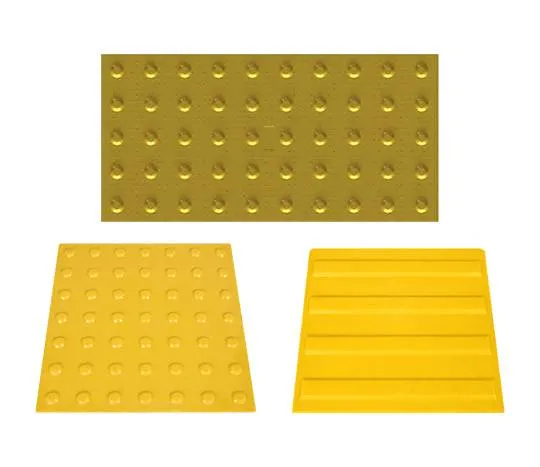
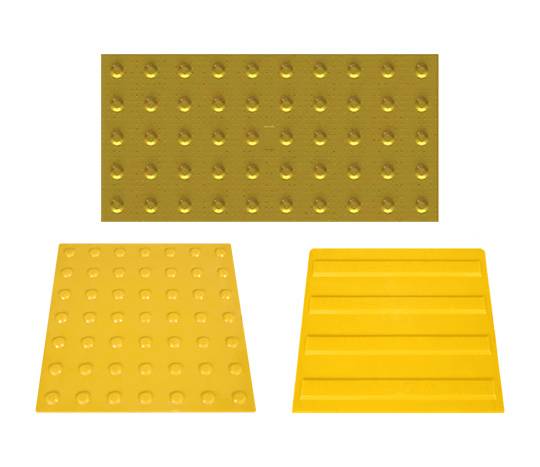
Tactile surfaces are composed of raised and textured elements that can be felt with the feet or white canes used by blind or visually impaired individuals. They are installed on sidewalks, at pedestrian crossings, in public transport stations, and in other key locations where warning or guidance is needed. Their role is to alert users about changes in the environment, such as approaching the edge of the sidewalk or escalators, or to guide them through complex spaces, such as busy intersections.
The crucial role of tactile surfaces in pedestrian safety
Pedestrian safety is one of the most important responsibilities in urban design, and tactile surfaces play a central role in this regard. For people with visual impairments, pedestrian crossings or bus stations can be significant challenges, and these tactile surfaces provide clear signals about safe crossing points or danger areas.
For example, near pedestrian crossings, tactile surfaces with specific patterns warn pedestrians that they are approaching the edge of the road, reducing the risk of accidents. In subway or tram stations, they can indicate the position of doors and the edge of the platform. Additionally, they also help prevent accidents caused by falls by signaling stairs or uneven surfaces.
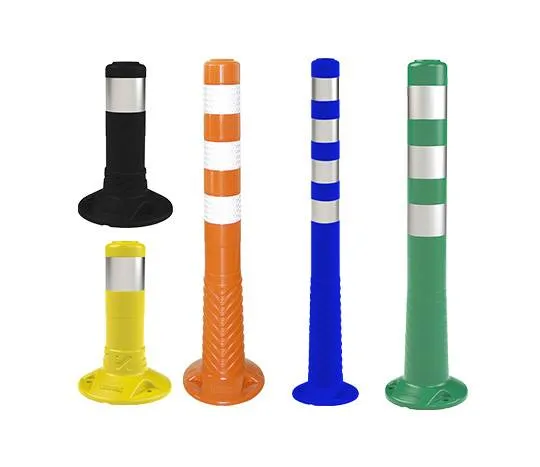
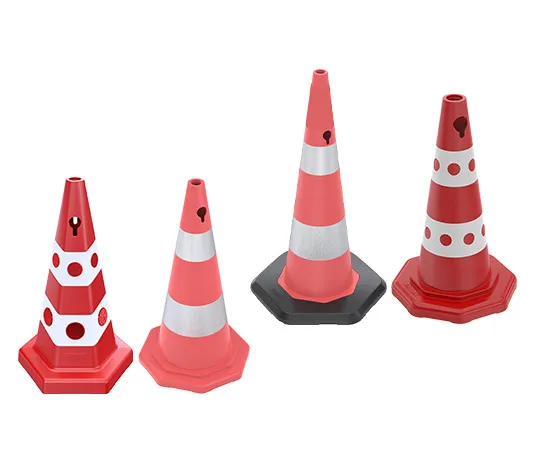
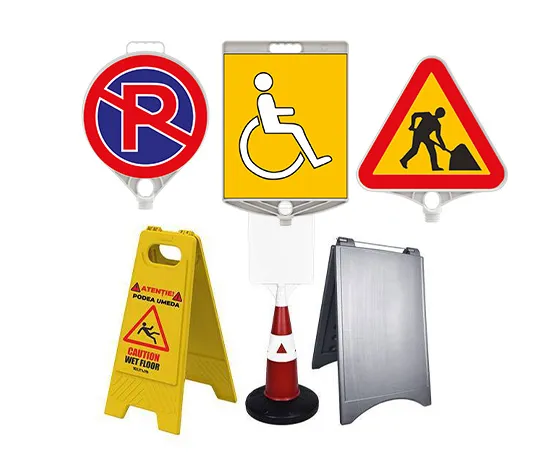
Best-selling Tactile Surface Products
Accessibility and equality for all citizens
The implementation of tactile surfaces is a direct reflection of a society's commitment to ensuring accessibility for all its citizens, regardless of physical ability. Urban infrastructure must be designed to provide everyone with the opportunity to move independently and safely. Tactile surfaces not only enhance the safety of visually impaired individuals but also create a smoother mobility experience for the elderly or those using canes or walkers.
In this sense, these surfaces are an extension of the concept of universal design, which proposes designing products and environments in such a way that they are accessible to everyone, without requiring special modifications or adaptations.
Materials used in the manufacturing of tactile surfaces
Tactile surfaces are made from durable and wear-resistant materials, such as rubber, plastic, or metal. These materials are chosen not only for their durability but also for their ability to remain effective in various weather conditions. They must withstand heavy traffic, exposure to sunlight, rain, or snow, maintaining their distinct texture to provide clear information to pedestrians.
Additionally, these surfaces are available in different colors, contrasting with the surrounding environment, to be visible even to individuals with partial visual impairments.
Conclusion
Tactile surfaces are more than just a simple element of urban infrastructure – they are a symbol of an inclusive and accessible city for all its citizens. In a world where cities are becoming increasingly crowded, it is essential to ensure that every person has access to a safe and friendly environment. Whether used in transport stations, on sidewalks, or in public spaces, tactile surfaces play an essential role in improving the safety and comfort of all pedestrians.