






The Use of Road Beacons in Traffic Safety and Industrial Settings
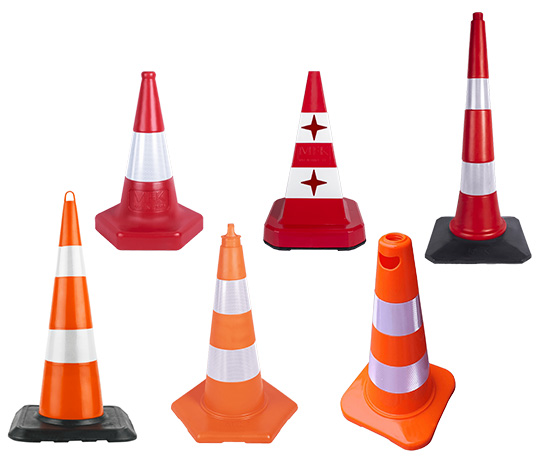
Road beacons are essential devices in managing safety on public roads and in industrial areas, providing increased visibility and guidance in various traffic conditions. With a variety of shapes, sizes, and colors, beacons are used in numerous scenarios to prevent accidents, direct traffic, and signal hazardous areas. In this article, we will explore the benefits and multiple uses of road beacons, both in urban and industrial environments.
Road Beacons: A Visible Solution in Traffic Management
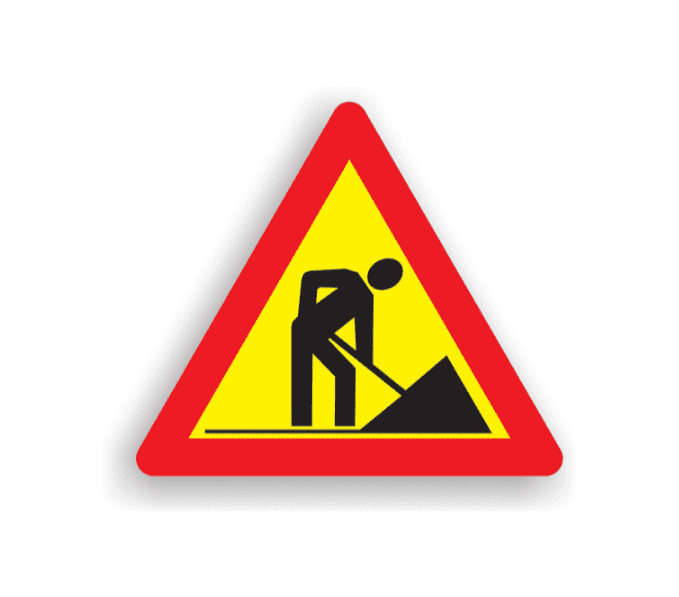
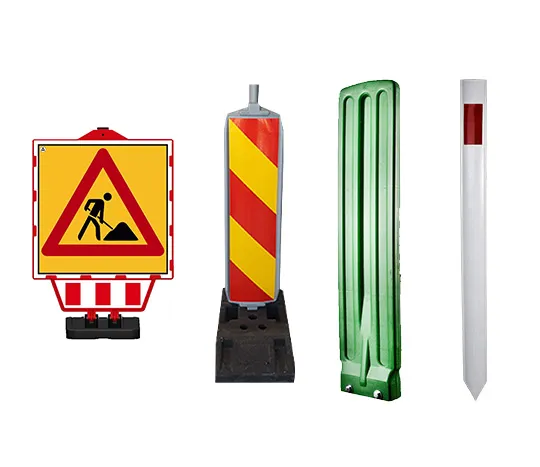
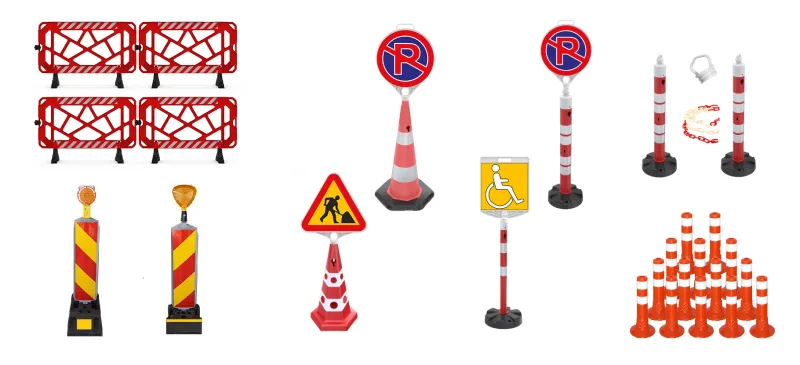
In congested urban traffic, road beacons play a crucial role in signaling roadworks, accidents, and various temporary restrictions. They are easy to place and move, offering flexibility in managing unforeseen situations. For example, during road maintenance works, beacons are used to delineate areas where vehicles are not allowed, thus guiding drivers to safe alternative routes.
At the same time, road beacons are used to mark hazardous areas or those affected by accidents, ensuring that drivers reduce speed and remain vigilant. Their high visibility, especially at night or in adverse weather conditions such as fog or rain, makes them an essential tool for traffic safety. Depending on specific needs, beacons can also be equipped with reflective elements or flashing lights, thereby enhancing their effectiveness.
Road Beacons and Pedestrian Safety
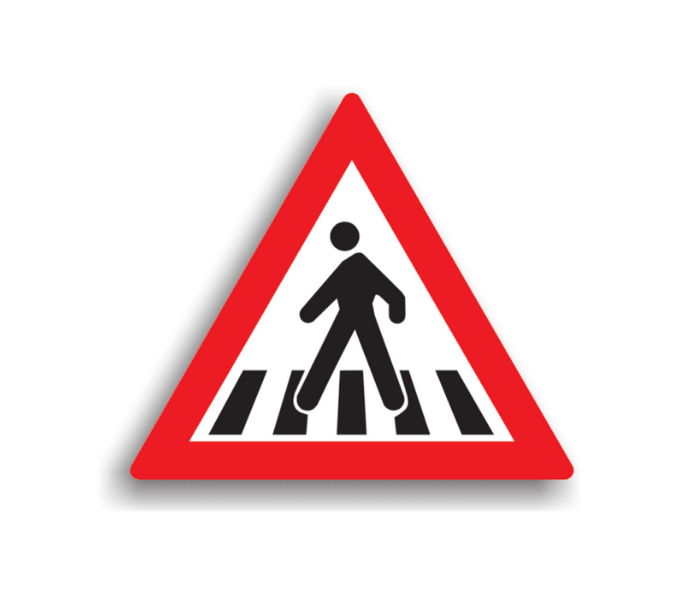
In urban and residential areas, pedestrian safety is just as important as vehicle safety. Road beacons are frequently used to delineate pedestrian crossings or to temporarily indicate areas where crossing is not permitted. These beacons create a safe environment for both pedestrians and vehicles, directing traffic flows in an orderly manner and preventing accidents.
Additionally, beacons can be used near schools or parks to guide children and adults to safe crossings, thus improving visibility and traffic organization in these sensitive areas. In situations involving roadworks or street events, they are used to mark temporary routes for pedestrians, ensuring clear and safe access.
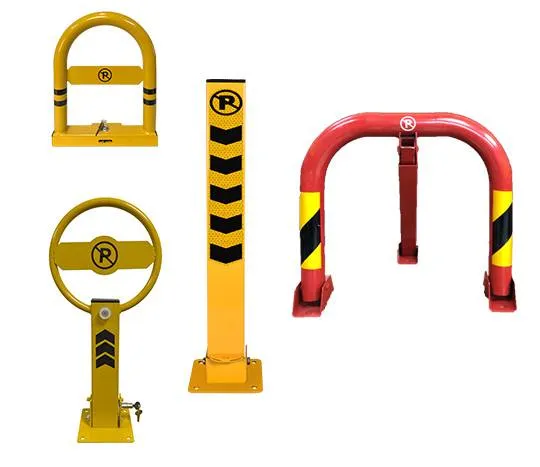
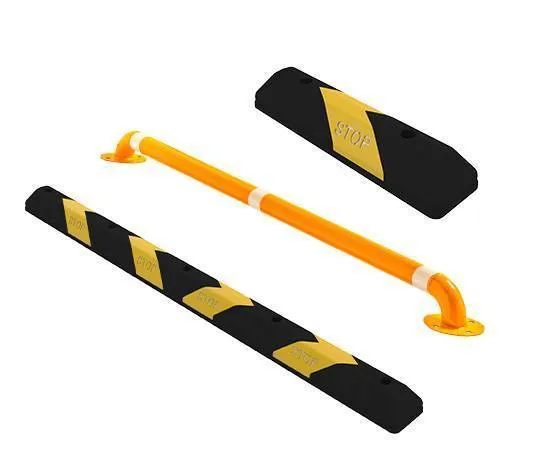
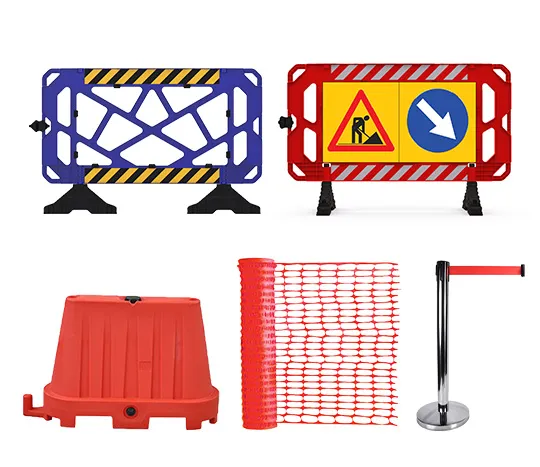
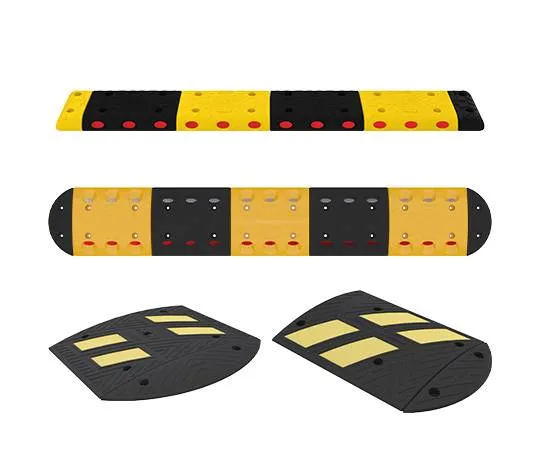
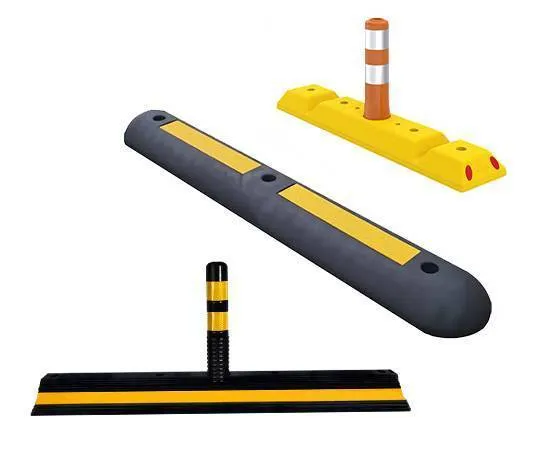
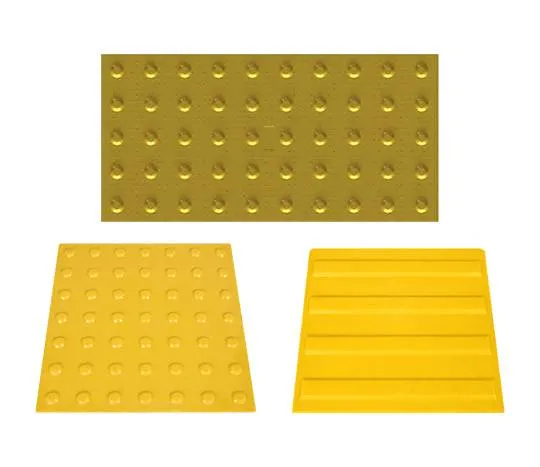
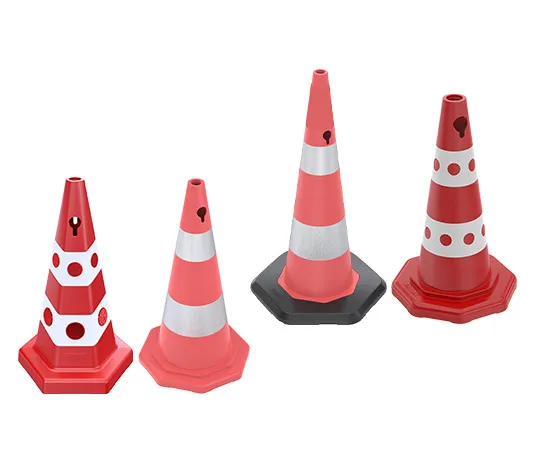
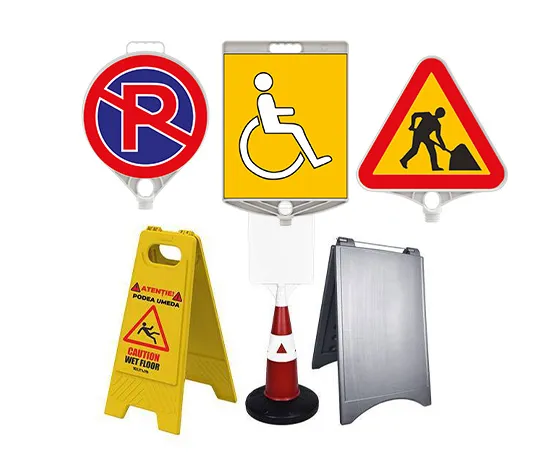
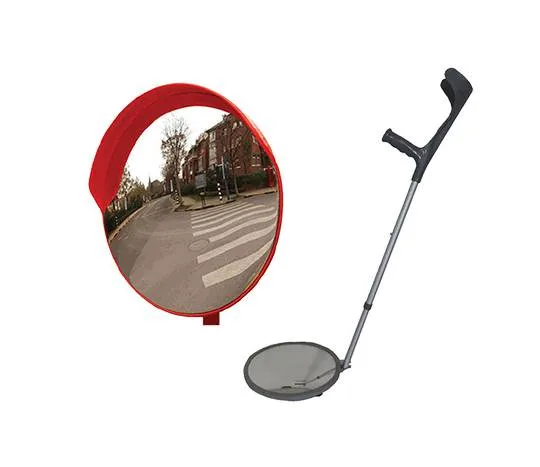
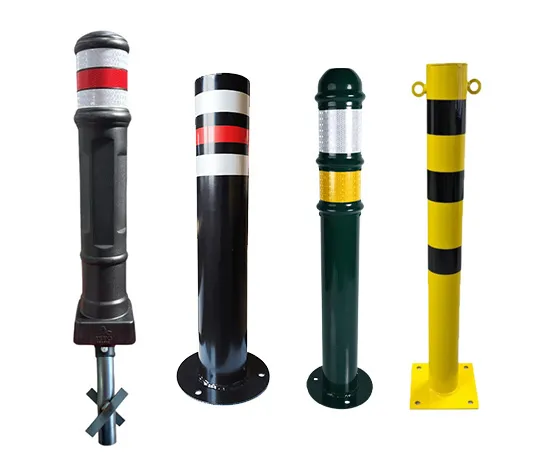
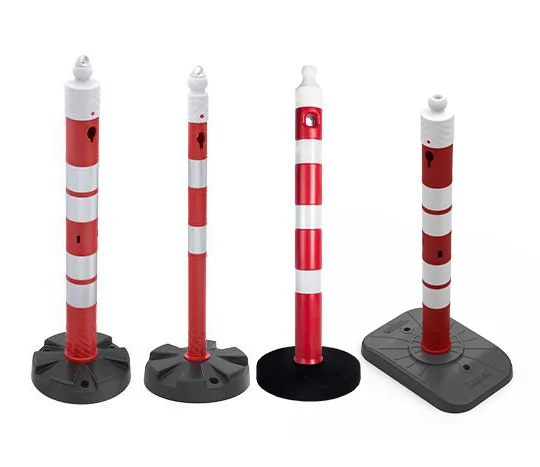
Best-Selling Road Beacon Products
The Use of Beacons in Industrial Areas
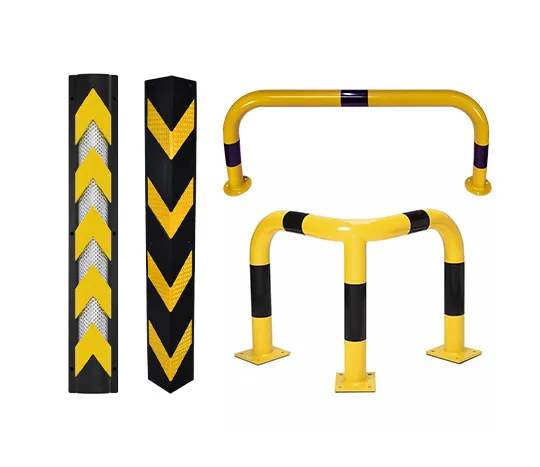
Road beacons are not only used on public roads; they also find applications in various industrial fields. On construction sites, beacons are essential for marking areas of restricted access or for guiding vehicles and heavy machinery along established routes. This helps prevent accidents and maintain a safe working environment, protecting both workers and expensive equipment.
In factories and warehouses, beacons are used to mark internal traffic routes for industrial vehicles, such as forklifts, and to delineate areas where hazardous or bulky materials are stored. They help maintain an orderly and safe flow within these spaces, reducing the risk of collisions and other unpleasant incidents.
Materials and Durability
Road beacons are made from durable materials that are weather-resistant and impact-resistant. Most often, they are made from high-quality plastic or rubber, which gives them increased resistance to wear and extreme weather conditions. This durability makes them ideal for long-term use, both in scorching summer conditions and freezing winter conditions.
Additionally, many models are equipped with extra weights at the base to stabilize them in strong winds or accidental impacts. There are foldable beacons that are easy to store and transport, providing a practical solution for users who need to move them frequently from one place to another.
Conclusion
Road beacons are essential for the safety of both drivers and pedestrians, being used in a variety of contexts, from busy public roads to construction sites and factories. Their flexibility, visibility, and durability make them an indispensable tool in traffic management and accident prevention. attotrafic.ro/ offers a wide range of road beacons that can meet various safety and organizational needs, ensuring that roads and workspaces remain safe and efficient.