







Using Road Barriers for Traffic Management in Temporary Construction Zones
In the dynamic urban environment, infrastructure and construction works are a frequent reality, and traffic management in such areas is crucial to prevent chaos and accidents. Road barriers play an essential role in the efficient organization of traffic in construction zones, providing clear visual guidance for both drivers and pedestrians. In this article, we will discuss how road barriers are used in temporary construction zones and their impact on traffic safety and flow.
Adaptability of Barriers in Temporary Zones
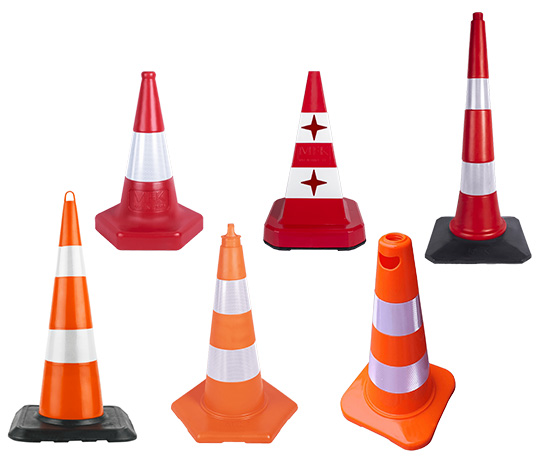
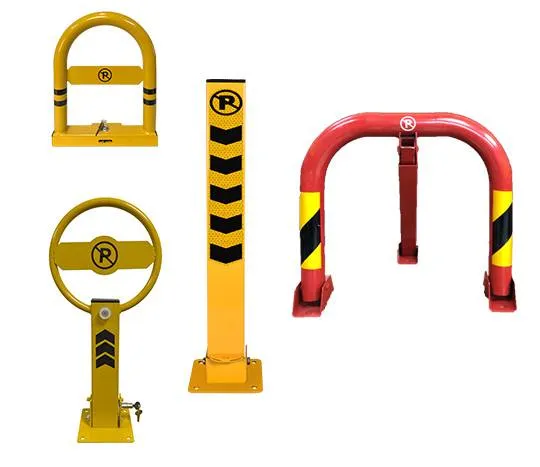
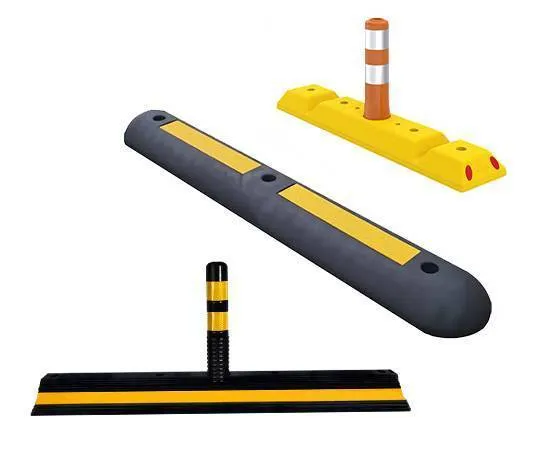
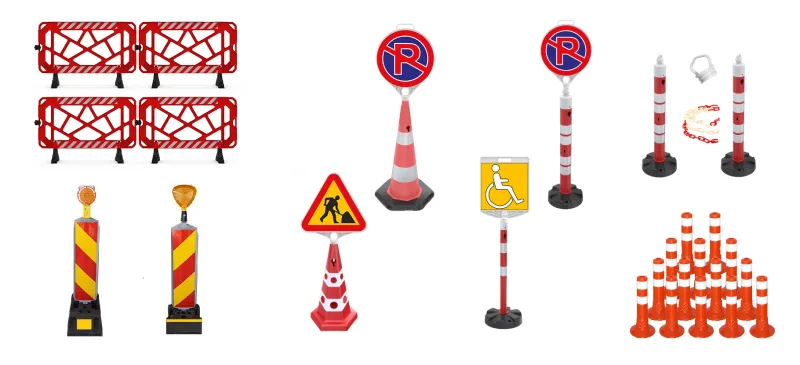
Road barriers are designed to be highly versatile and easy to use in various contexts, including temporary construction zones. They are strategically placed to mark hazardous areas or signal deviations from the normal route. The flexibility of the barriers allows them to be quickly and easily positioned anywhere, and if the road configuration needs to be changed, they can be moved without difficulty.
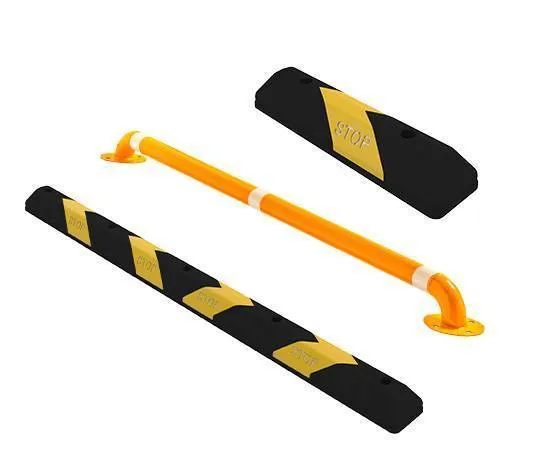
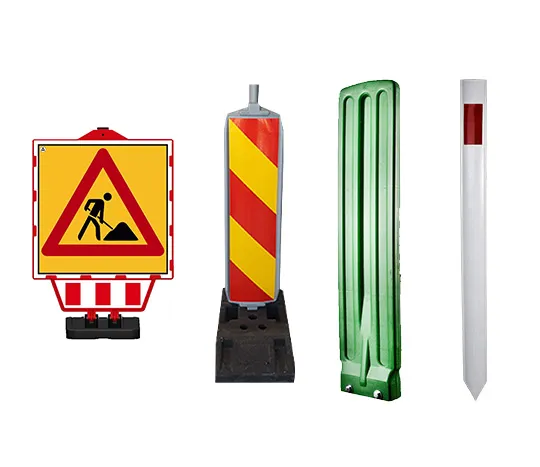
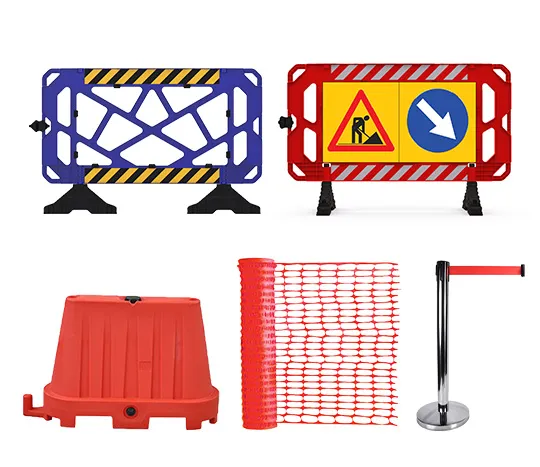
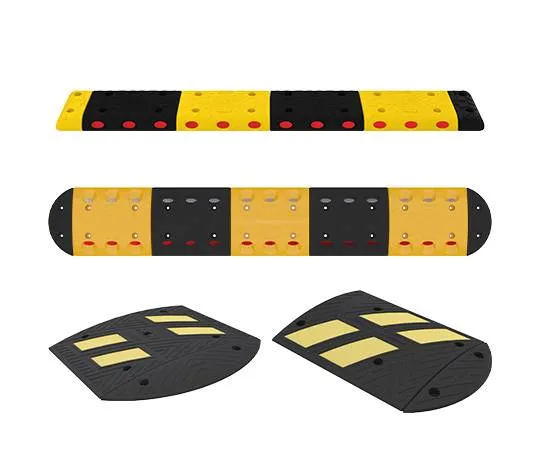
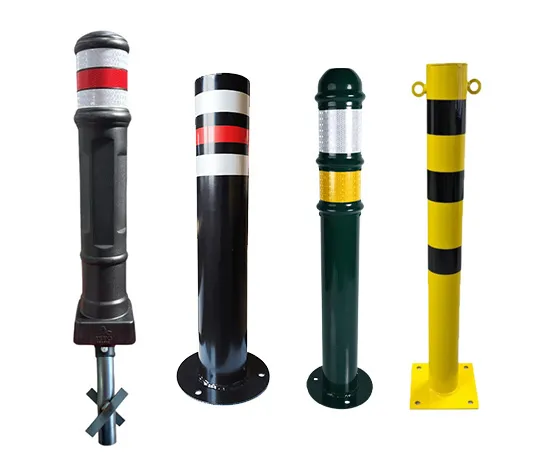
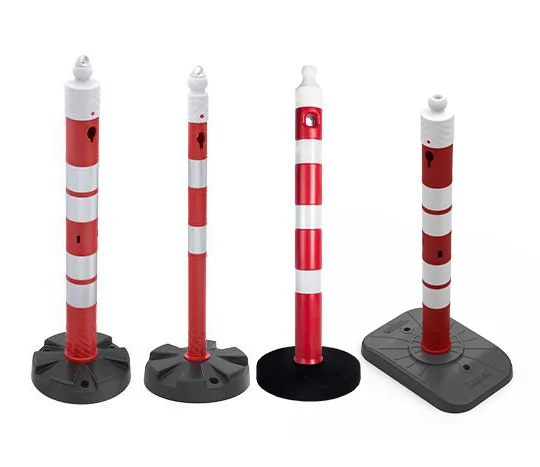
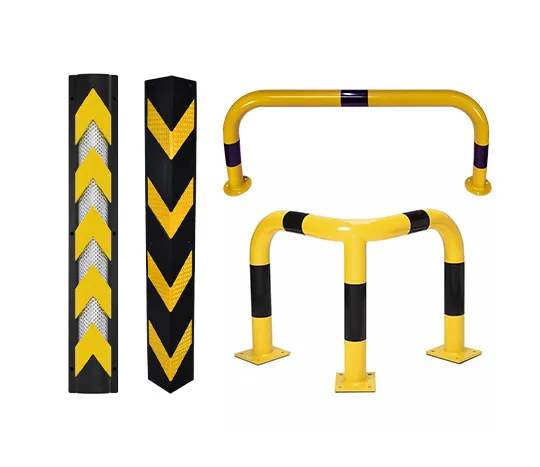
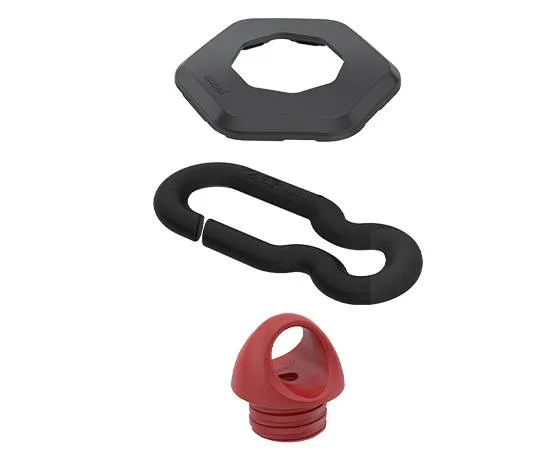
Best-Selling Road Barrier Products
Creating Temporary Corridors for Traffic
One of the main benefits of road barriers in construction zones is their ability to create temporary traffic corridors. These corridors are vital for safely directing vehicles on narrow roads near work sites or when lanes are closed for repairs. By clearly delineating areas where traffic can flow, road barriers reduce confusion and prevent collisions.
Reflective Barriers and Nighttime Visibility
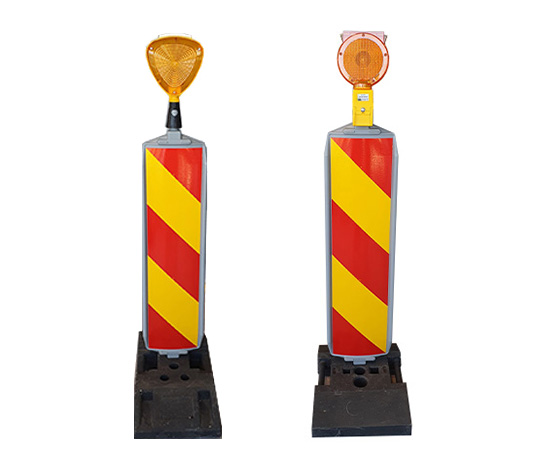
Construction work is not limited to daylight hours, and at night, visibility becomes a major challenge. Road barriers equipped with reflective materials or flashing lights are essential to ensure that drivers can see and follow instructions even in low light conditions. This type of barrier not only warns drivers about hazardous areas but also helps them navigate safely around the construction site.
Accident Prevention and Increased Safety
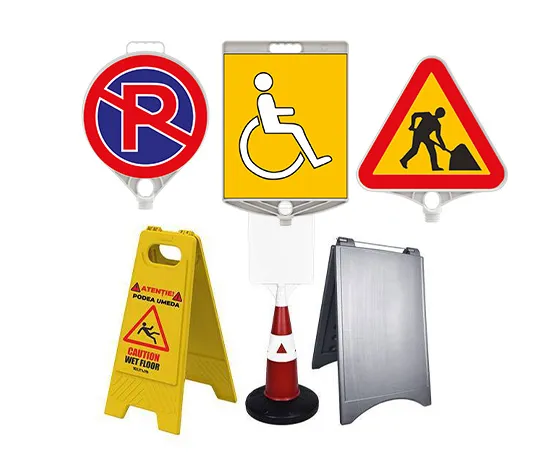
Another important advantage of using road barriers in temporary construction zones is their ability to prevent accidents. Clear and visible markings alert drivers to changes in road configuration, reducing the risk of collisions. Additionally, barriers help guide pedestrians and cyclists through construction areas, providing them with a safe and well-defined route, separate from moving vehicles.
Materials and Durability of Road Barriers
Barriers used in construction zones are made from durable materials that withstand extreme weather conditions, such as heavy rain or low temperatures. Most barriers are made from impact-resistant plastic, capable of withstanding light hits from vehicles without deteriorating or losing functionality. This durability is essential to ensure long-term use in temporary areas where construction work may last for weeks or months.
Impact on Traffic Flow
Proper use of road barriers can have a direct positive impact on traffic flow. By providing clear indications of road deviations or temporary lane closures, barriers help reduce congestion and maintain a steady flow of traffic. This not only reduces waiting time for drivers but also minimizes frustration, contributing to a safer and more efficient environment for all road users.
Conclusion
Road barriers are essential elements in the efficient management of traffic in temporary construction zones. Their adaptability, increased visibility at night, and ability to safely guide vehicles and pedestrians make these devices an indispensable part of modern road infrastructure. While construction work is inevitable, using appropriate barriers can make the difference between a safe and well-organized area and a chaotic and dangerous one.